
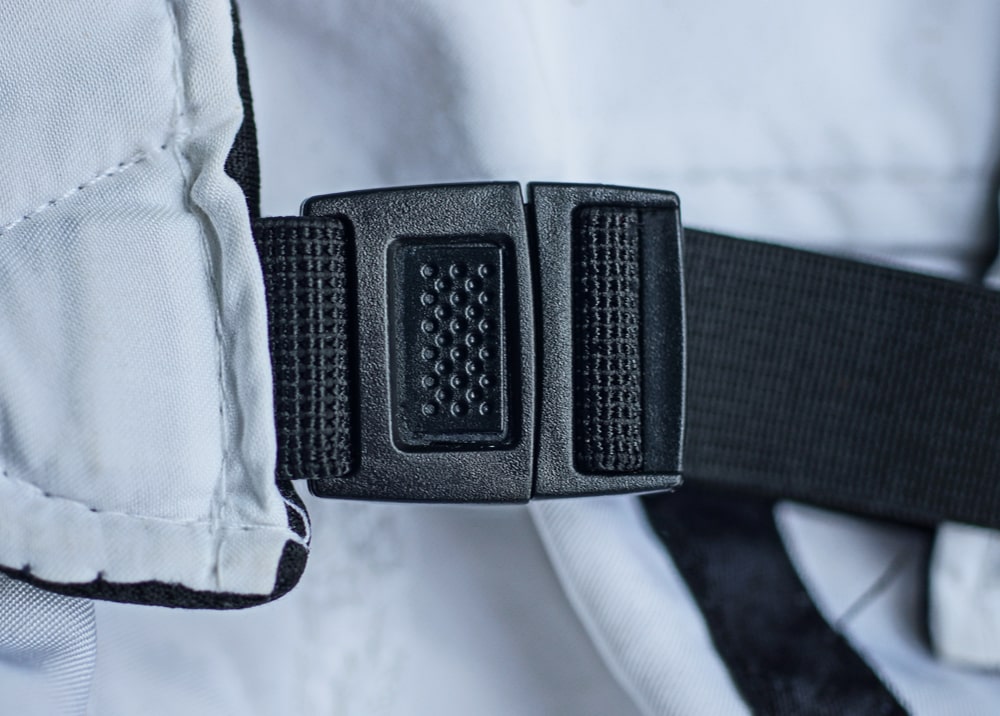
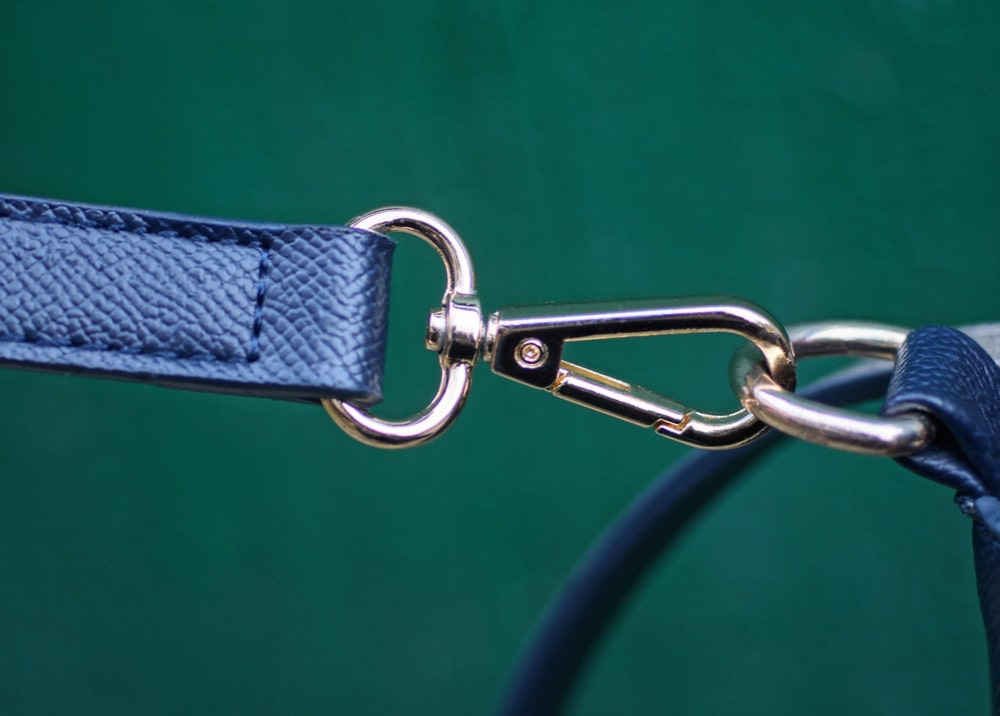
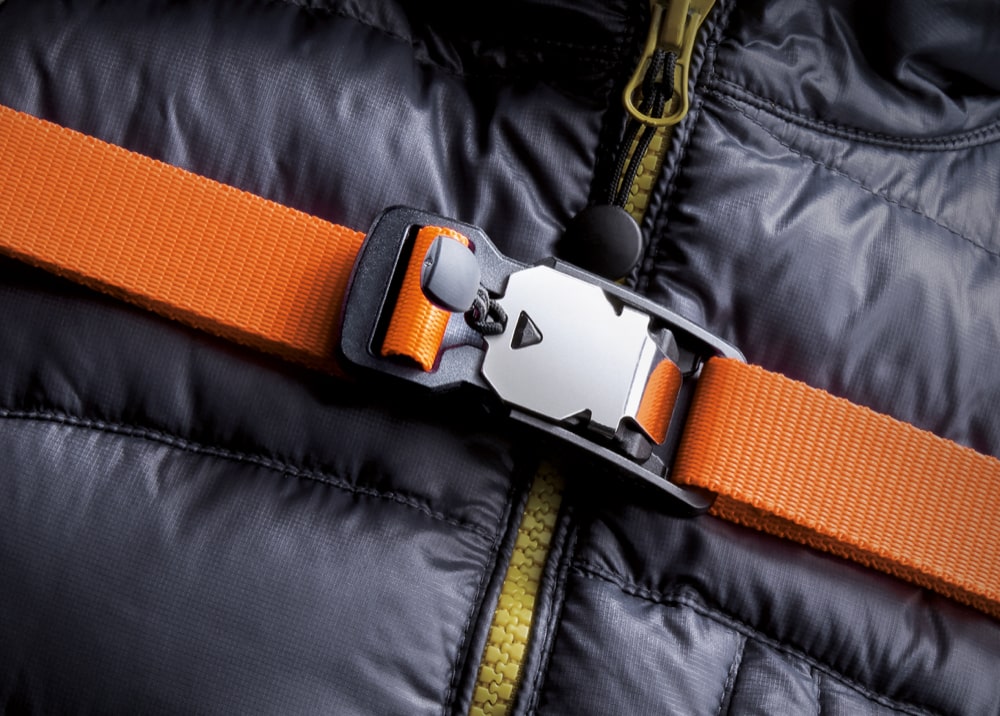
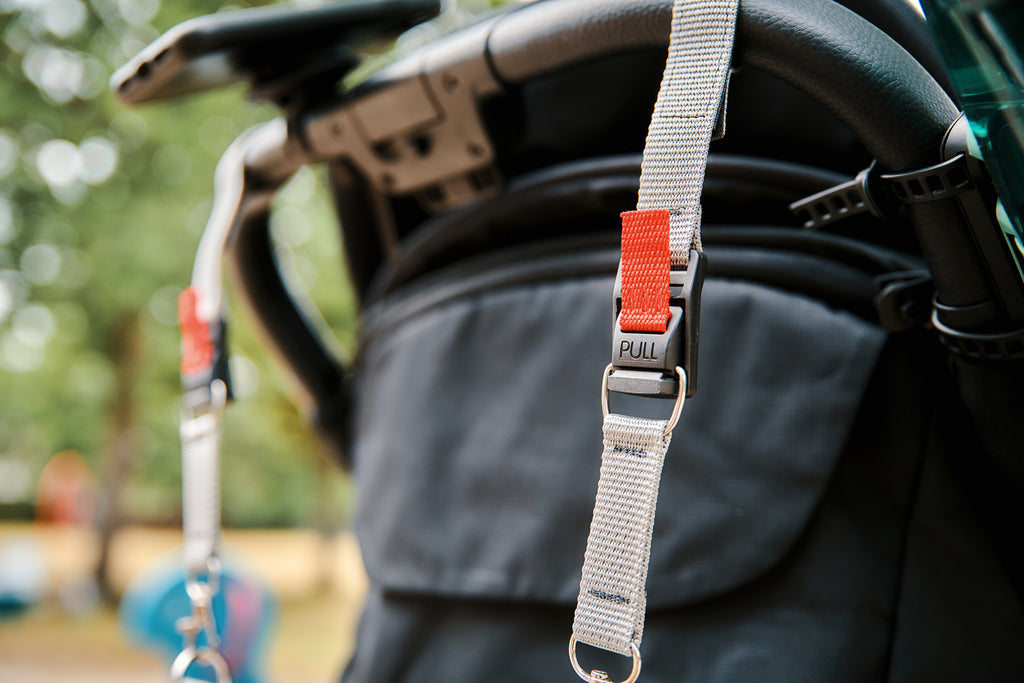
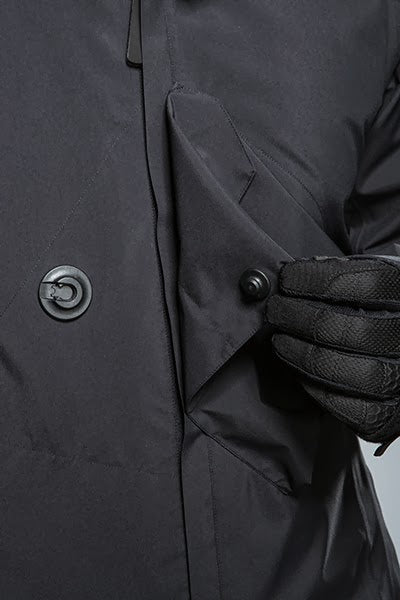
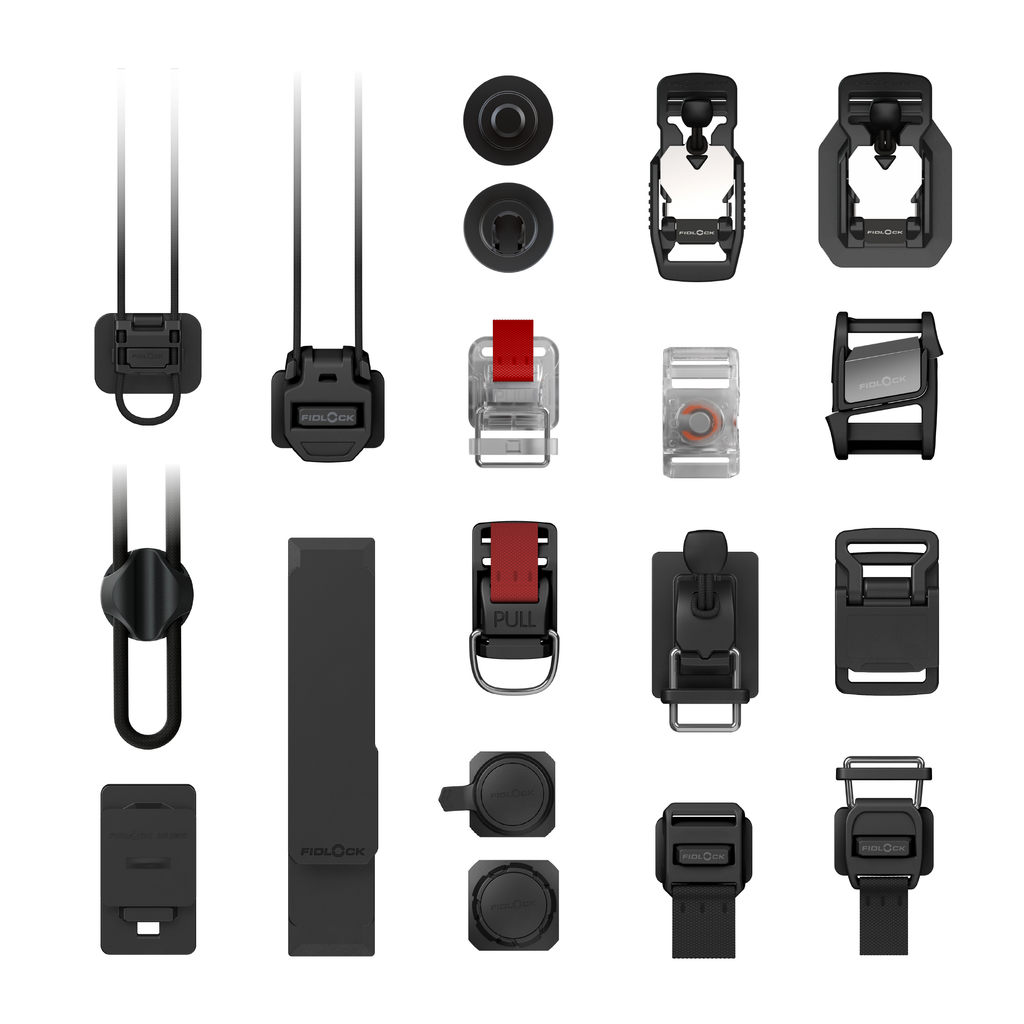
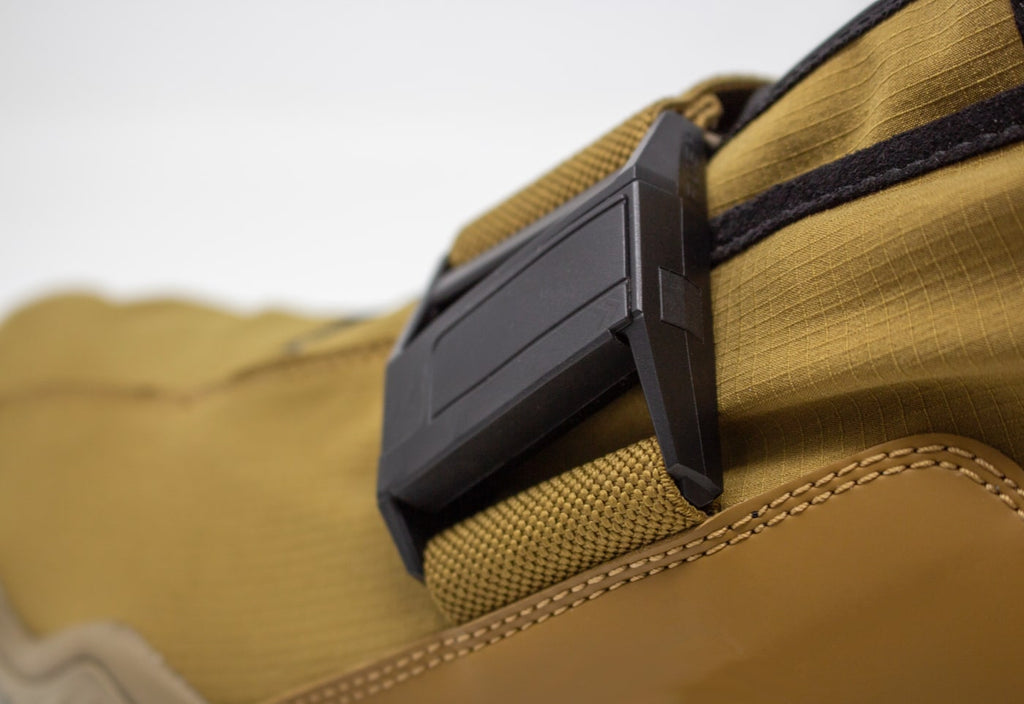


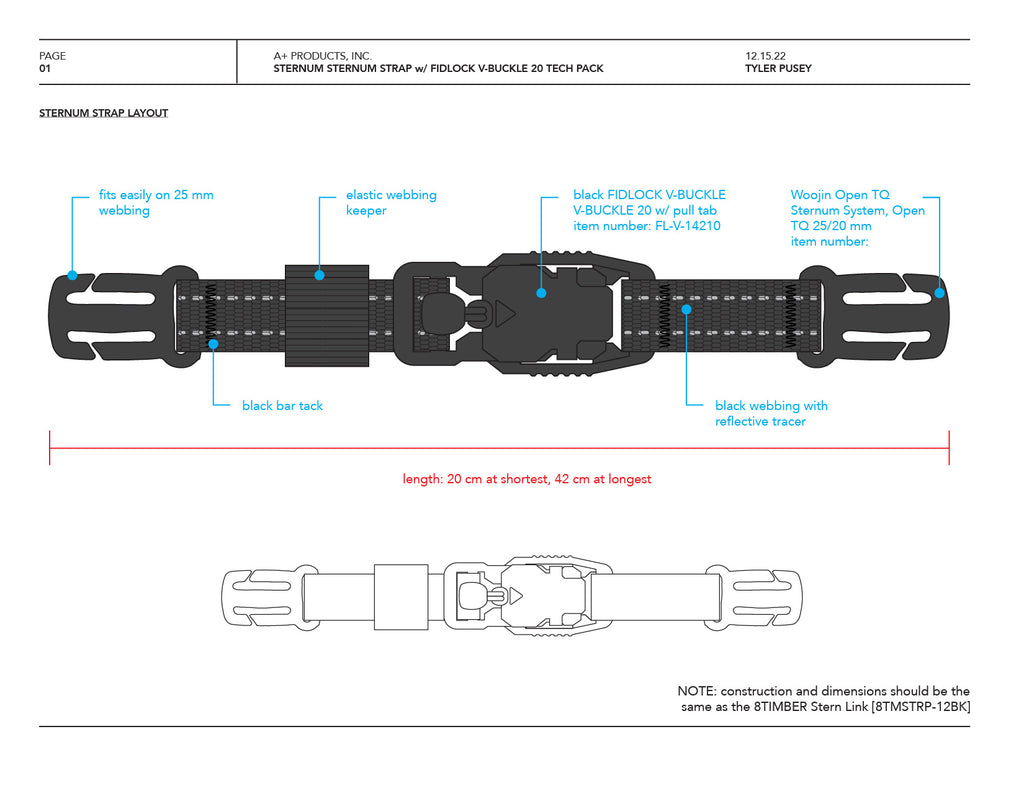
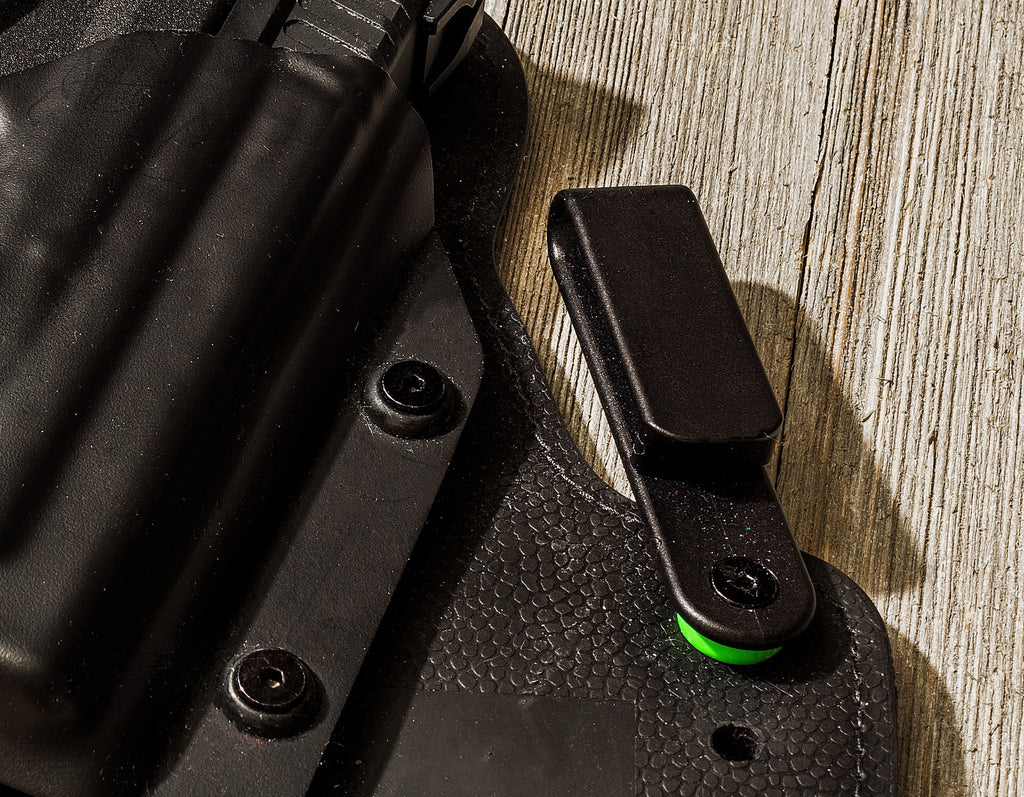
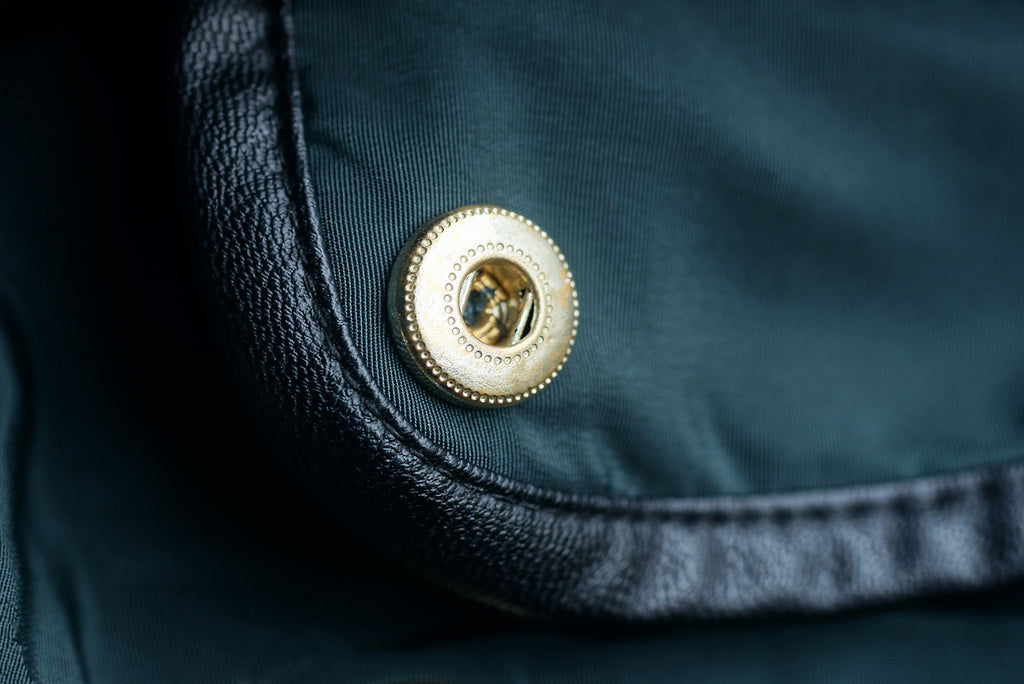
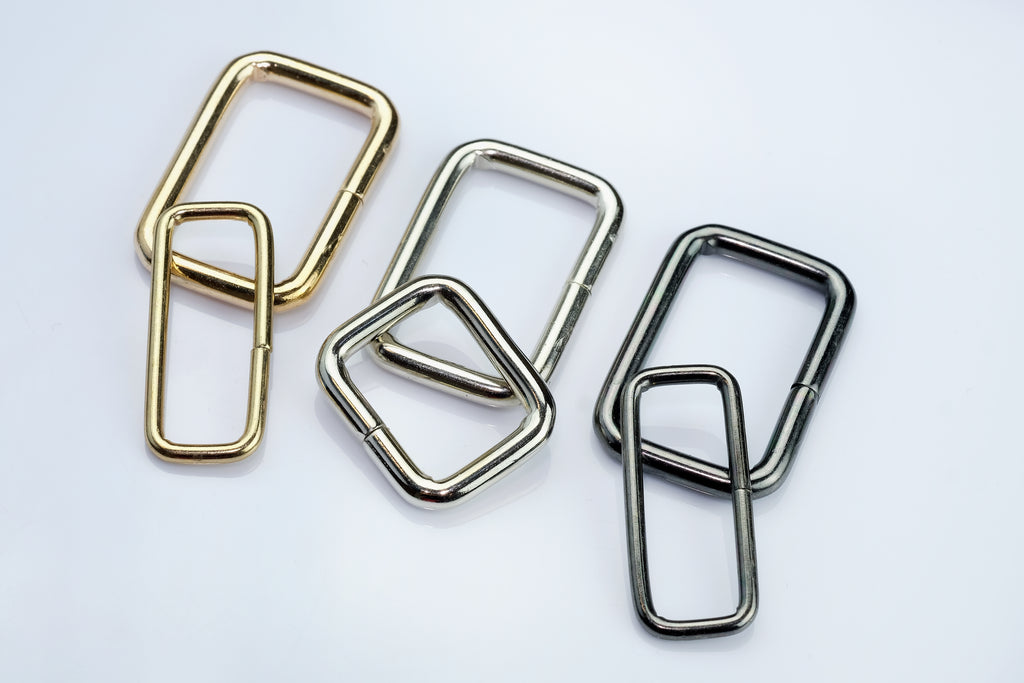


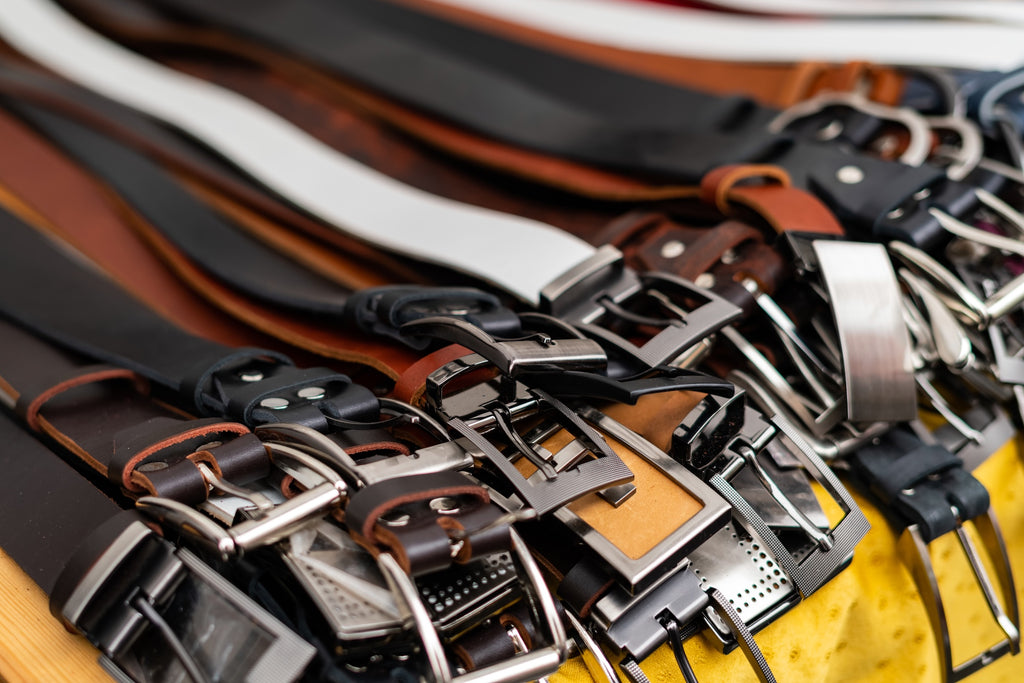


Every detail counts in sustainable products, even the buckle on a belt or strap. The material you choose determines how long it lasts, whether it can be repaired or reused, and how much waste it creates. Choosing the right buckle is more than a design decision; it is a step that improves both durability and environmental impact. Find out what makes stainless steel buckles sustainable and which products they’re best for.
Durability and Longevity
The lifespan of a buckle depends largely on the material it’s made from. Durable materials resist wear, deformation, and environmental stress, allowing buckles to maintain function over years of daily use.
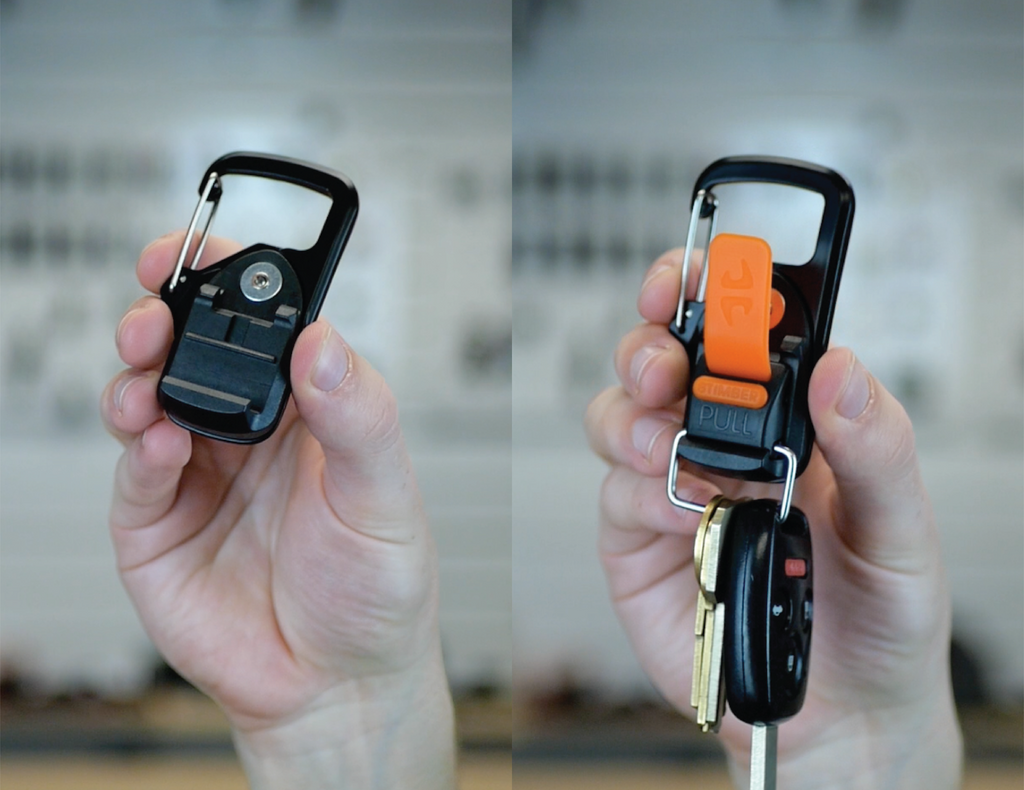
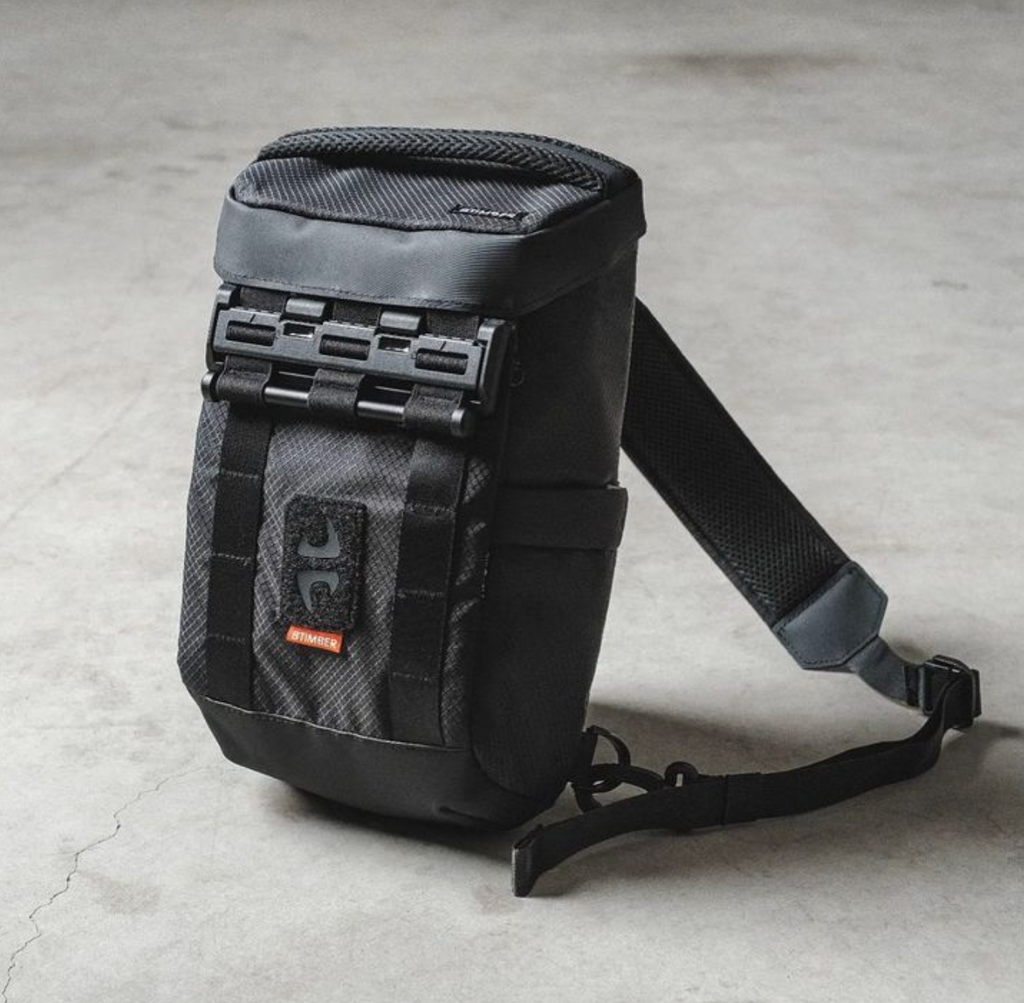
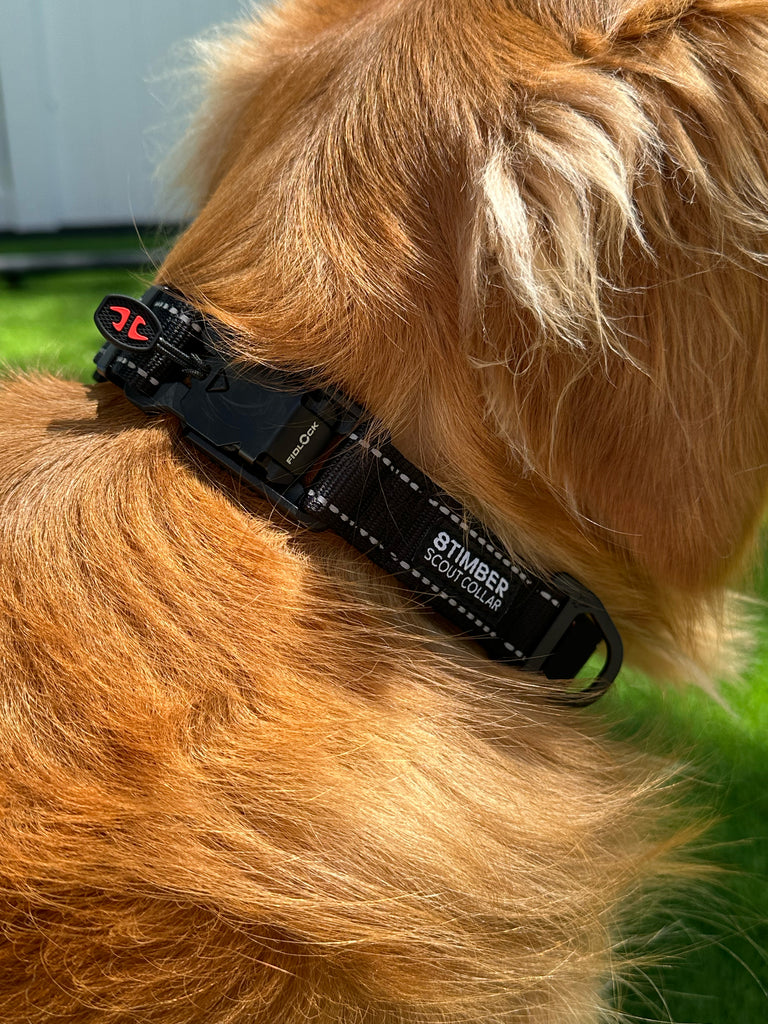
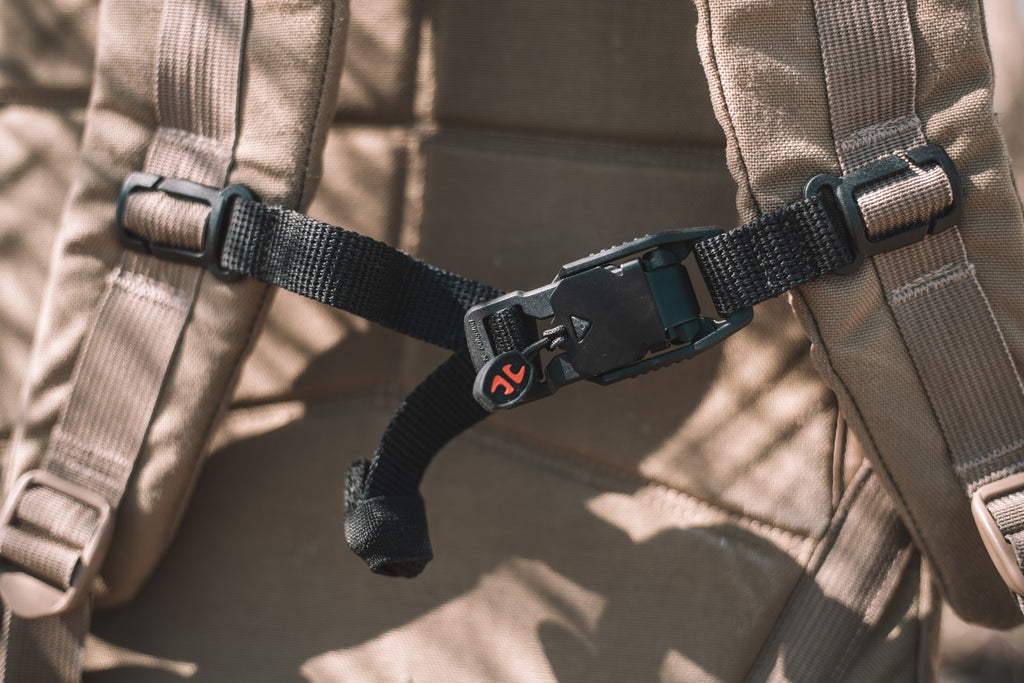
Moreover, stainless steel buckles resist wear, deformation, and fatigue even under repeated loading. Chromium in the alloy forms a self-healing oxide layer that protects against moisture, salt, and corrosion, preventing pitting and rust in harsh conditions. Additionally, stainless steel buckles can endure extreme environments—grit, rain, snow, and constant torque—making them ideal for backpacks, belts, pet collars, and technical straps.

Recyclability
Recyclers collect stainless steel through well-established scrap streams and process it for reuse without degrading its mechanical properties. Mills mix recycled scrap with new metal to meet grade standards, keeping corrosion resistance and strength intact in the finished hardware. This closed-loop path reduces demand for primary extraction and lowers end-of-life waste.
Moreover, global scrap markets already track stainless grades by chemistry, so material handlers route buckles to appropriate streams with minimal sorting loss. That traceability supports circular material flows at scale, providing brands with a practical path to hardware take-back initiatives.
Low Maintenance and Non-Toxic Properties
Stainless steel hardware operates reliably without chemical coatings, surface sealers, or frequent lubrication, so maintenance stays simple over the product’s life. The alloy remains inert in typical use and does not leach harmful substances during handling, washing, or recycling. That profile contrasts with coated metals, which rely on paint or plating layers that may chip and introduce unwanted debris into the environment during wear and disposal.
Routine cleaning is simple. Users can maintain stainless steel buckles with just mild soap and water. Similar alloys are trusted in hospitals and food-service settings because they withstand frequent washing, highlighting the material’s reliability and stability for wearable goods.
Corrosion Resistance
Field use exposes buckles to rain, sweat, salt spray, and humidity, yet stainless steel maintains integrity across those conditions. The protective chromium oxide film forms naturally upon exposure to oxygen and repairs itself after minor abrasion, so the surface maintains its barrier over time. That behavior prevents premature failure in bags left in car trunks, straps stored in damp basements, and belts worn near coastal environments.
Designers should choose stainless steel grades based on the environment and expected exposure. Higher grades resist corrosion better in salty, humid, or high-traffic conditions. Matching the grade to the use case ensures long-term durability, reduces the need for frequent inspections, and prevents premature buckle failure in belts, packs, or marine gear.
Resource and Energy Efficiency
Resource and energy efficiency are other factors that make stainless steel buckles sustainable. High durability reduces material throughput because one stainless buckle often replaces several plastic or pot-metal units over the lifespan of a belt or pack.
Scrap availability allows stainless steel manufacturers to run more efficient melt cycles, and electric arc furnaces can use a high proportion of recycled metal while still meeting grade standards. Using recycled inputs reduces energy consumption compared with extracting and refining new materials.
Longer-lasting buckles also mean fewer replacements, which cut shipping, repackaging, and labor costs. Across an entire product line, these factors contribute to lower material turnover and reduce waste in production and recovery streams.
Versatility, Repair, and Reuse
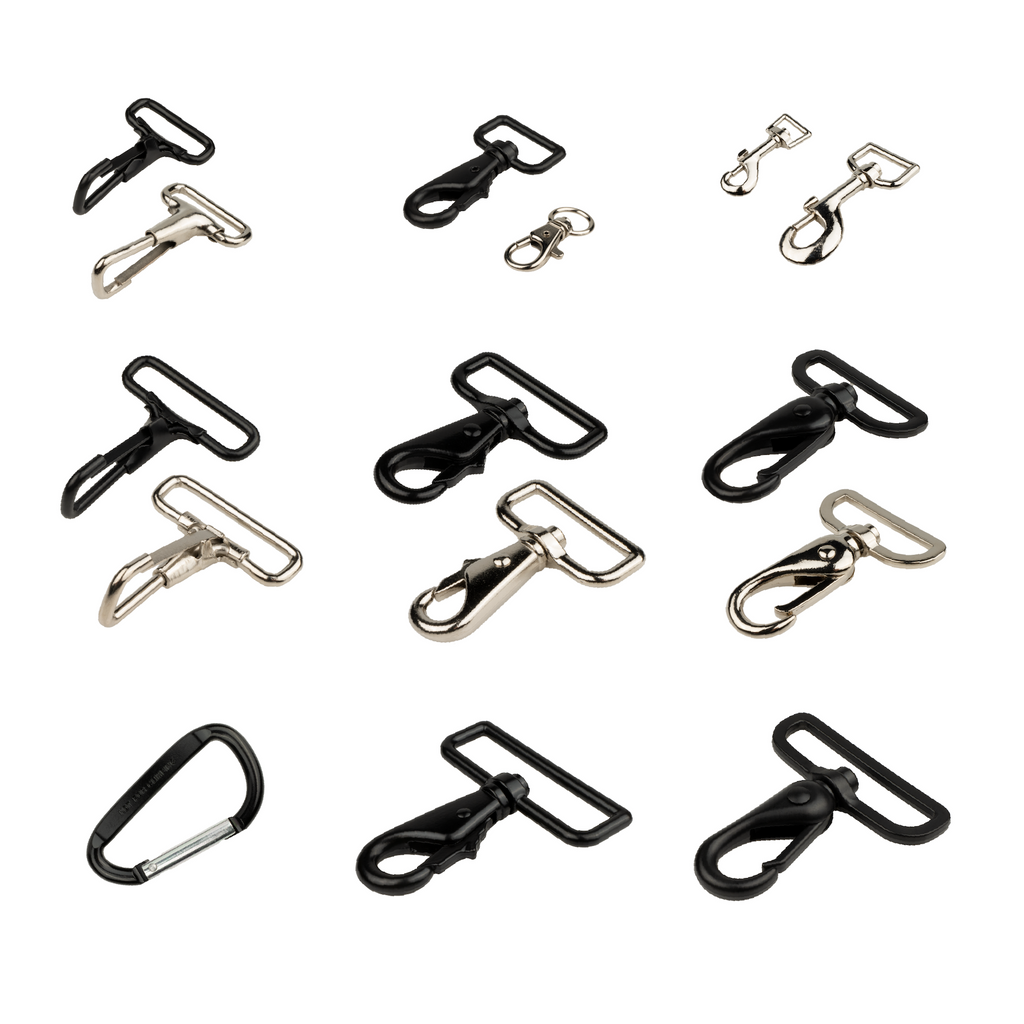
Stainless steel buckles are compatible with belts, packs, soft luggage, and marine straps because the material maintains precise tolerances and withstands heavy use. Makers swap a buckle from an older strap to a new one without fuss because threads, tongues, and bars resist wear that would deform softer metals.
Stainless steel buckles are highly versatile and durable, making them ideal for a range of products, especially belts.
- Standardized strap widths and buckle sizes across product families support reuse and easy replacements.
- Spare buckles in repair kits help for easy field service and quick turnarounds.
- Adjustable designs, such as center bars and tension locks, accommodate a range of strap materials and thicknesses.

Timeless Design and Consumer Behavior
Designers favor stainless steel because it looks clean, holds polish, and resists trend fatigue. A straightforward center-bar or roller buckle pairs with leather or modern webbing without feeling dated after a season. Buyers replace hardware less often when the look remains relevant, and the function remains solid, reducing impulse replacements that create unnecessary waste.
Top Uses for Stainless Steel Buckles
You can find stainless steel buckles across a wide range of everyday and specialized products where strength, durability, and corrosion resistance matter. From outdoor gear to tactical equipment, metal belt buckles ensure reliability under repeated stress and exposure to the elements. Here’s a look at some of the top products that benefit most from stainless steel hardware.
Tactical Belts
These belts hold gear, holsters, and tools securely during demanding activities. Stainless steel buckles resist corrosion, maintain alignment under load, and withstand constant tension and abrasion, making them ideal for military, law enforcement, and EDC setups.
Backpacks and Outdoor Packs
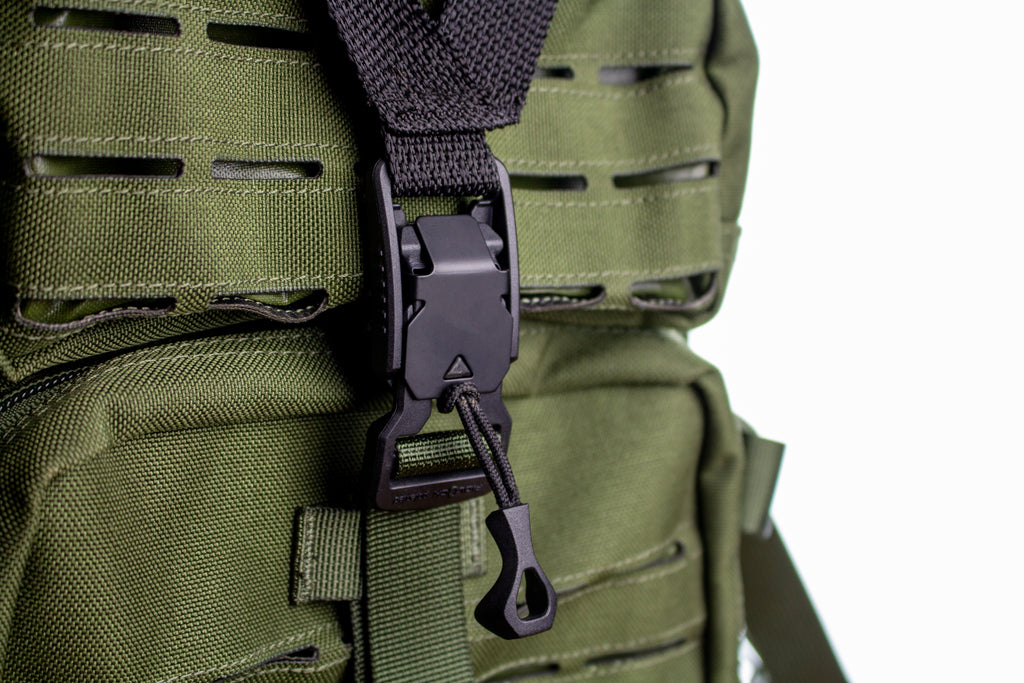
Hikers, climbers, and travelers rely on buckles to secure straps and load-bearing points. Stainless steel ensures a long lifespan in wet, gritty, or snowy conditions and won’t rust like plated metals, so pack straps stay reliable through seasons of use.
Dive and Water Sports Belts
Belts used for dive weight systems, snorkel gear, or watersports require hardware that is saltwater resistant. Stainless steel’s corrosion resistance prevents rusting and failure, keeping buckles safe and functional in aquatic environments.
Pet Collars and Harnesses
Heavy-duty collars and harnesses for dogs, especially large breeds, use stainless buckles to avoid rust from water, saliva, and outdoor exposure. The material holds up far longer than plastic or coated metals, giving owners confidence in durability and safety.
Partner With the Right Manufacturer
A reliable partner ensures consistent quality, proper grade selection, and precision fabrication, so buckles perform reliably under load and environmental stress. Experienced manufacturers also help optimize designs for durability, corrosion resistance, and aesthetic appeal while supporting efficient production and supply chains.
A+ Products specializes in high-quality plastic and metal buckle hardware for tactical gear, outdoor equipment, workwear, and pet products. With over 30 years of industry experience, they connect manufacturers to vetted global suppliers, ensuring components meet durability, precision, and performance standards. Make the switch today and give your designs the strength, reliability, and eco-conscious edge they deserve.