
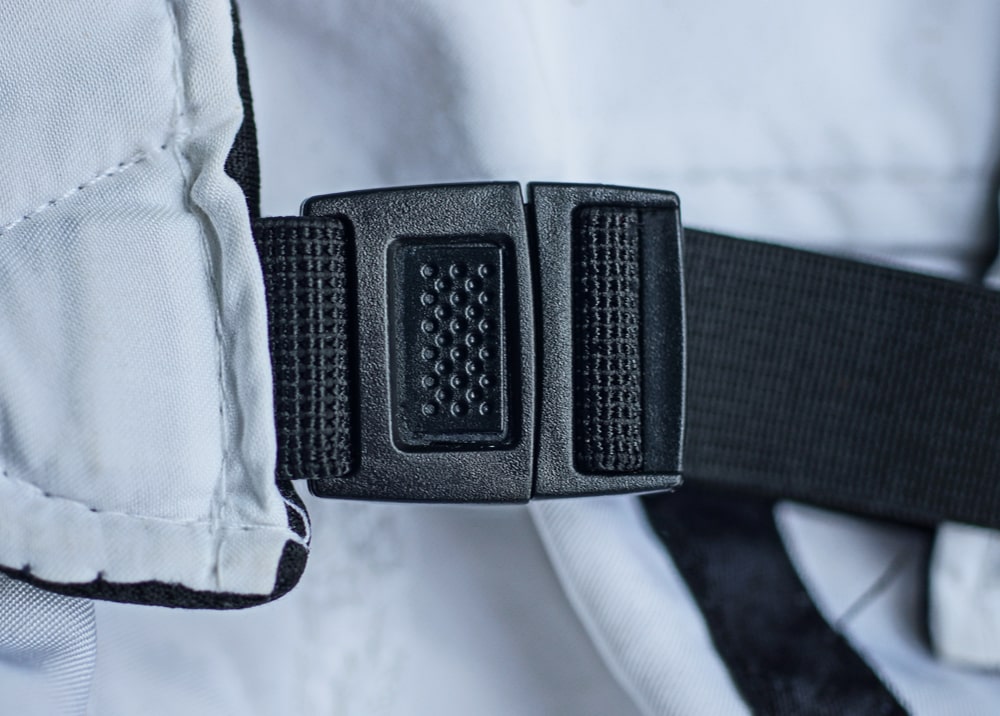
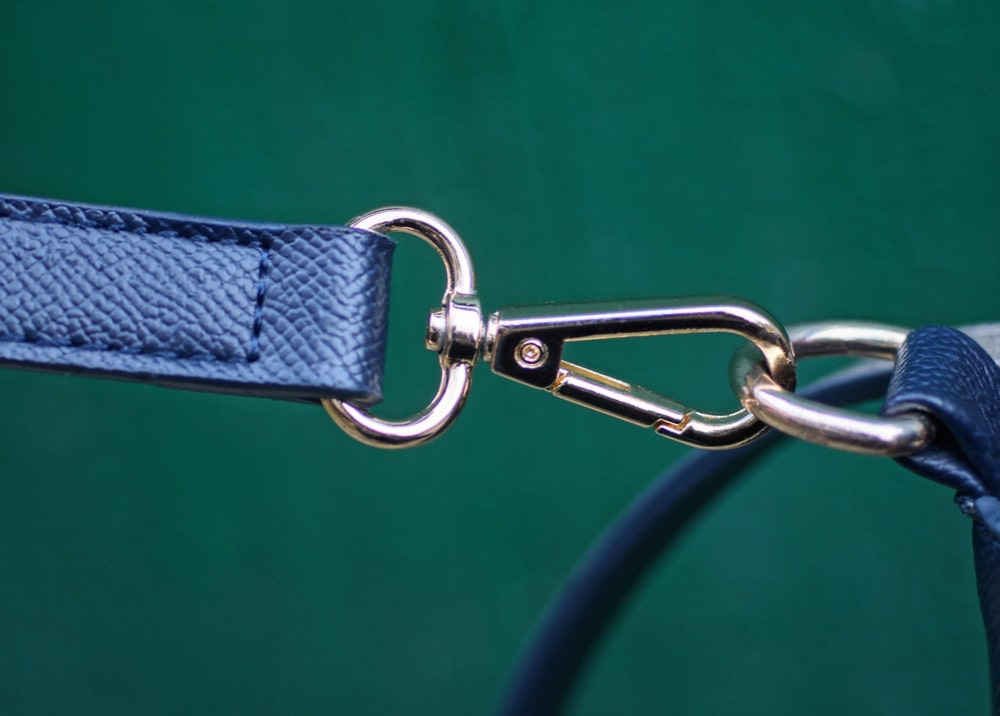
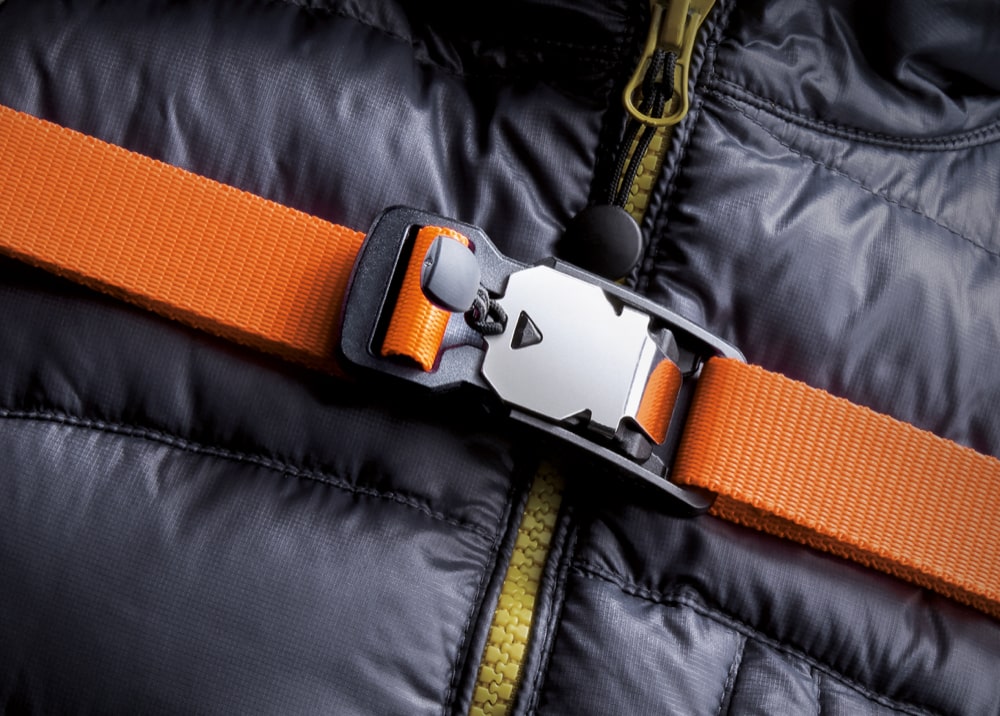

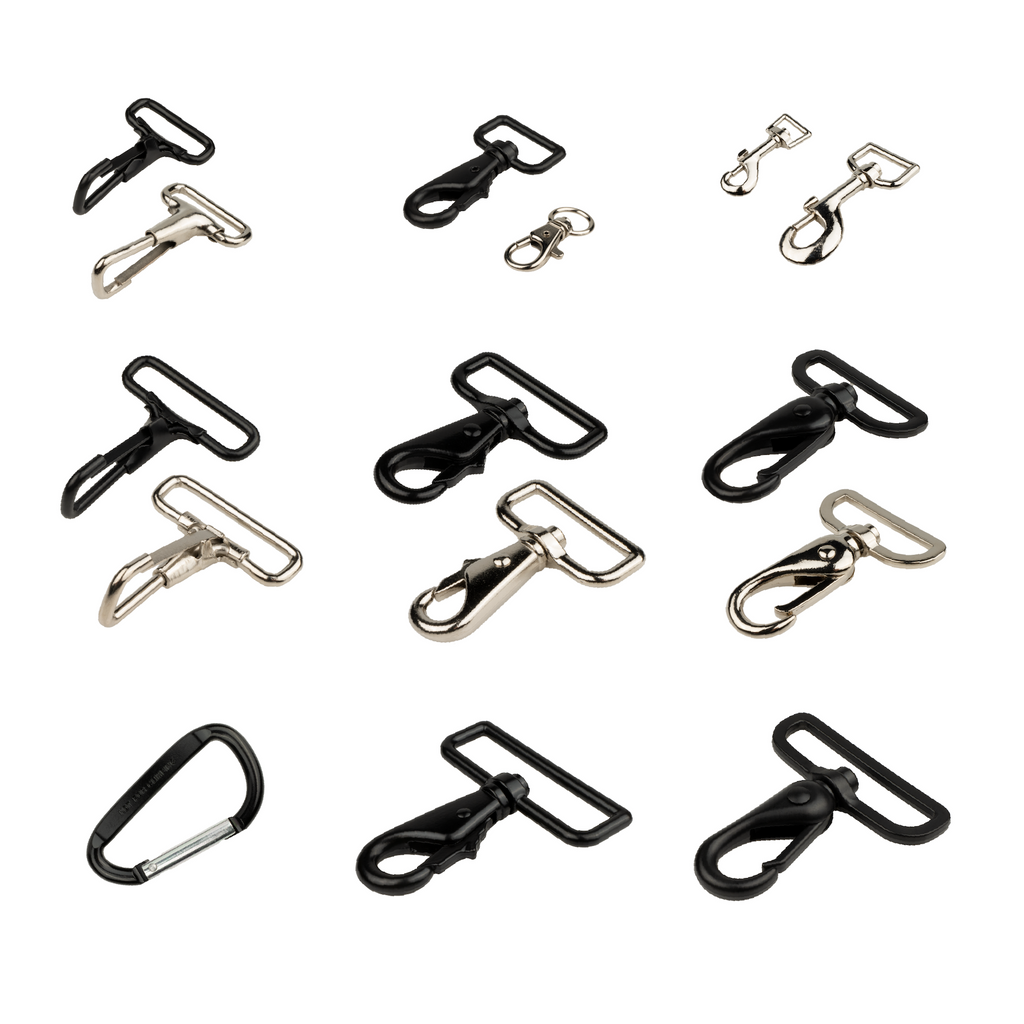






Workwear must perform under pressure, and every component plays a role in that performance. Buckles affect fit, adjustability, and a garment's durability during daily use. When hardware fails, it can compromise the entire system and create safety concerns in active work environments.
Manufacturers need to evaluate hardware with the same level of attention as fabric and construction. Clear standards help guide those decisions and reduce risk during development. This guide covers the workwear apparel safety standards manufacturers should know.
OSHA General Duty Requirements
The Occupational Safety and Health Administration (OSHA) requires employers to provide safe equipment, and that responsibility extends to garment components. Buckles must function without creating hazards during use, especially in environments where workers rely on consistent performance. A secure connection supports both safety and confidence on the job.
Evaluating how buckles respond to repeated stress, sudden force, and ongoing wear helps ensure they hold up under real conditions. Ease of use also plays an important role, particularly when workers handle equipment with gloves or in low visibility. When hardware operates smoothly and predictably, it reduces user error and supports safer outcomes in the field.
ANSI/ISEA Visibility Standards
The American National Standards Institute (ANSI) and International Safety Equipment Association (ISEA) set visibility requirements for high-visibility garments. These standards ensure workers remain visible in low-light and high-risk environments. Buckles can interfere with these zones if designers place them without considering layout and spacing.
Proper positioning prevents hardware from blocking reflective tape or disrupting required visibility areas while also maintaining comfort for the wearer. When buckles cause garments to shift or fit improperly, workers often adjust them throughout the day, which can reduce visibility performance and introduce avoidable risk.
NFPA Standards for Flame-Resistant Gear
The National Fire Protection Association (NFPA) sets standards for flame-resistant workwear used in high-heat environments. These requirements ensure that garments do not increase the risk of burns during exposure to flames or extreme temperatures. Buckles must support this goal through proper material selection and stable performance.
Selecting materials that maintain their structure under high temperatures helps prevent deformation, dripping, or ignition during use. Testing within the full garment system also provides a clearer picture of real-world performance, since it shows how all components function together under actual conditions.

ISO 9001 Quality Consistency
ISO 9001, developed by the International Organization for Standardization, focuses on consistent processes, which directly affect hardware reliability. Buckles must perform consistently across all production runs to ensure reliable finished products. Variability can lead to unexpected failures and costly adjustments.
Working with suppliers who follow structured quality systems helps maintain consistency across batches and supports smoother production scaling. Reliable sourcing also strengthens long-term product planning by reducing the need for redesigns and ensuring components perform as expected over time.
Load Ratings and Strength Requirements
Workwear applications subject hardware to continuous stress, especially in adjustable systems such as belts or harnesses, where both weight and movement come into play. Buckles need to handle static loads and shifting forces without compromising performance, so strength requirements should always align with the intended use.
You should test how buckles respond to repeated tension and uneven stress over time, since real-world conditions rarely apply force consistently. Evaluating performance under these variations helps ensure durability while avoiding unnecessary bulk or added cost.
Environmental Resistance
Work environments expose garments to sunlight, moisture, and chemicals, all of which can weaken materials and reduce performance over time. Buckles need to resist this type of degradation to maintain long-term reliability and ensure the garment continues to function as intended.
Manufacturers should evaluate UV resistance, corrosion behavior, and temperature tolerance during product development, while also considering exposure to oils or solvents common in certain industries. When hardware holds its strength across these conditions, it helps maintain consistent performance in the field.
REACH and RoHS Compliance
Registration, Evaluation, Authorisation and Restriction of Chemicals (REACH) and Restriction of Hazardous Substances (RoHS) regulations ensure that materials remain safe for extended wear. Workwear often comes into contact with skin for extended periods, so components must meet strict chemical safety requirements. Buckles should not introduce restricted substances through coatings or base materials.
Additionally, manufacturers should request documentation that confirms compliance with REACH and RoHS guidelines. Clear records simplify audits and support broader market access. This step also helps reduce risk while reinforcing confidence in the overall product design.
Industry-Specific Requirements
Each industry introduces its own safety demands, which can influence hardware selection. Electrical applications may require non-conductive materials, while construction environments often demand higher impact resistance. These factors shape how buckles perform in use.
Your buckle hardware choices should align with the end user's specific needs and the conditions they face daily. Since a single solution rarely fits every application, understanding the environment helps guide better decisions. A more tailored approach improves both safety and overall product performance.

Integration with Garment Design
Buckles interact with webbing, stitching, and fabric tension throughout the garment. Poor integration can create uneven stress, which leads to wear or failure over time. Hardware must work as part of a complete system, not as an isolated component.
Careful evaluation of fit, adjustability, and movement helps ensure that the buckle supports the garment rather than working against it. Balanced design distributes force more evenly and improves comfort for the end user. When all elements work together, the garment performs more reliably in real-world conditions.
Product Testing and Validation
One of the most important workwear safety standards manufacturers should know is that they need to test their finished products to confirm real-world performance. Even high-quality components perform differently based on how manufacturers use them within a garment. Validation ensures that all parts function together under expected conditions. Some key testing considerations include the following:
- • Repeated load and release cycles
- • Exposure to environmental conditions
- • Long-term wear and material fatigue
- • Interaction between buckle, webbing, and fabric
Testing should reflect real-world use rather than rely solely on controlled conditions. Evaluating performance over time helps identify wear points and potential failure risks before products reach the field. This approach helps confirm that the full system performs consistently and holds up under actual working conditions.
Always Check Your Products
A+ Products supports sourcing and selection, but manufacturers must confirm safety within their own applications.
Partnering for Reliable Hardware Solutions
Selecting the right components requires a clear understanding of performance, compliance, and application needs. Manufacturers benefit from working with partners who can guide sourcing and provide consistent options across product lines. Strong collaboration helps reduce uncertainty during development.
A+ Products supports businesses with reliable sourcing and a wide range of solutions tailored to different industries. With experience across a range of applications, the team helps manufacturers identify components that align with their goals.