
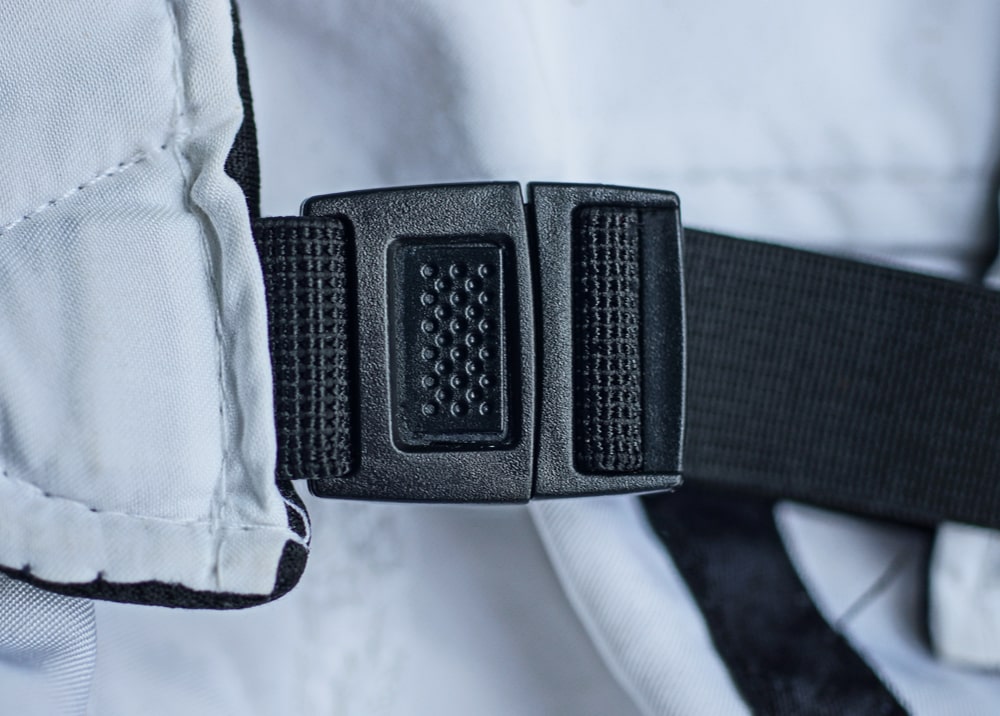
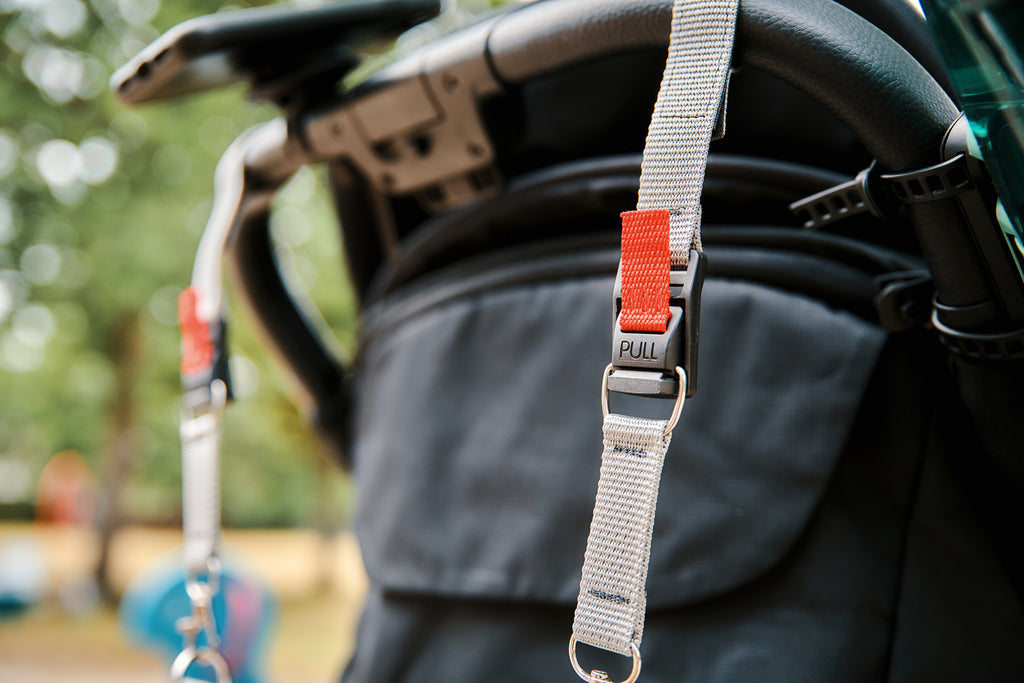
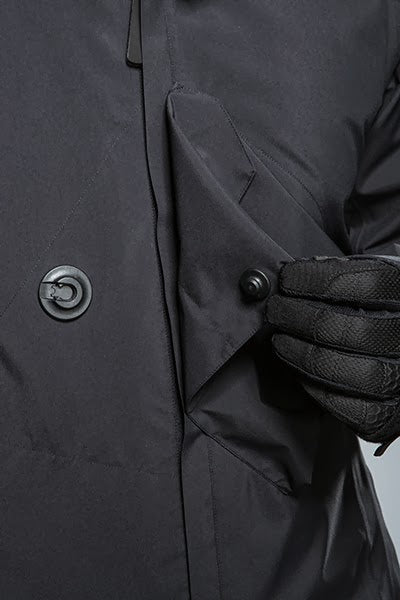
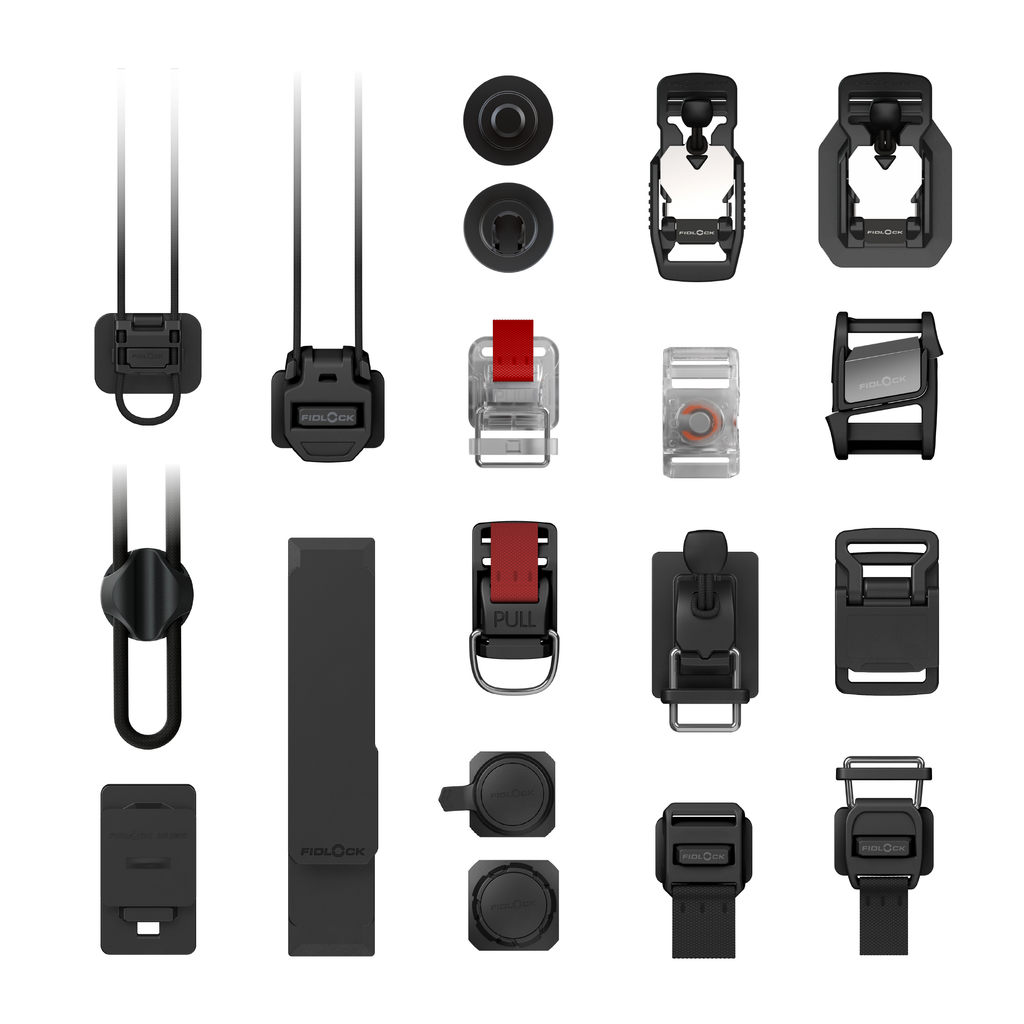
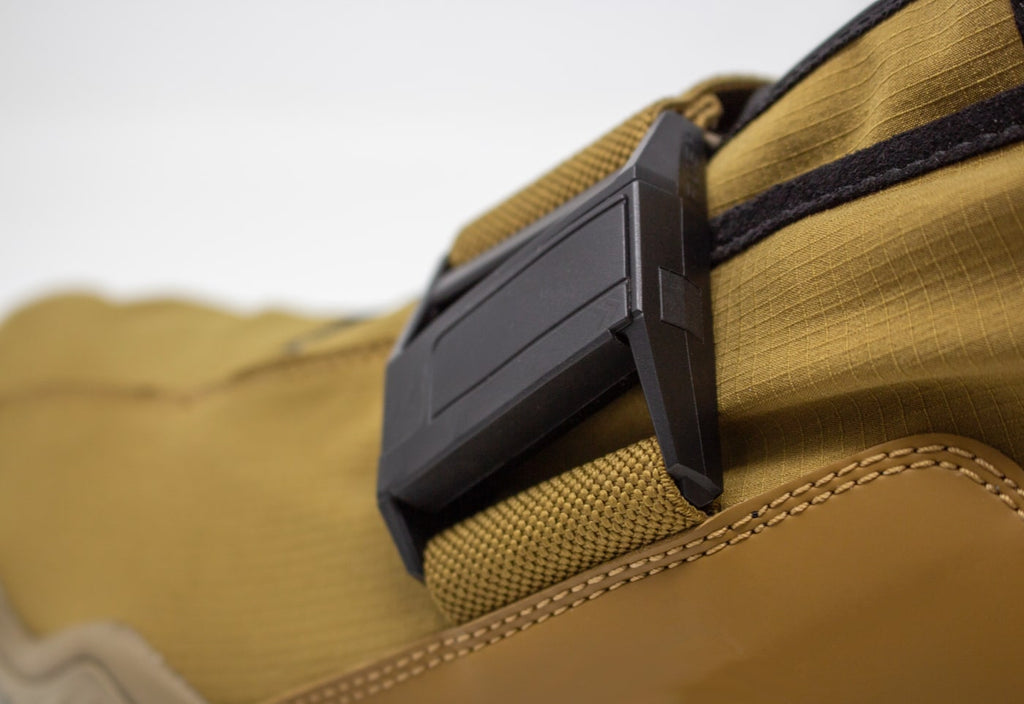


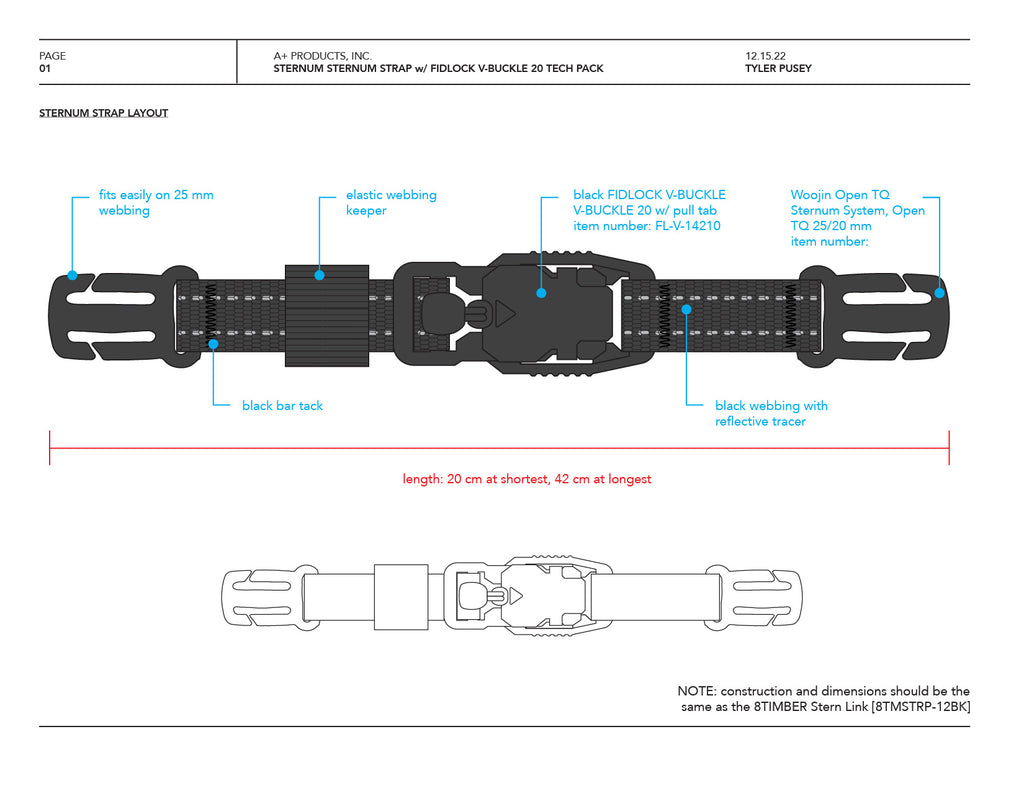
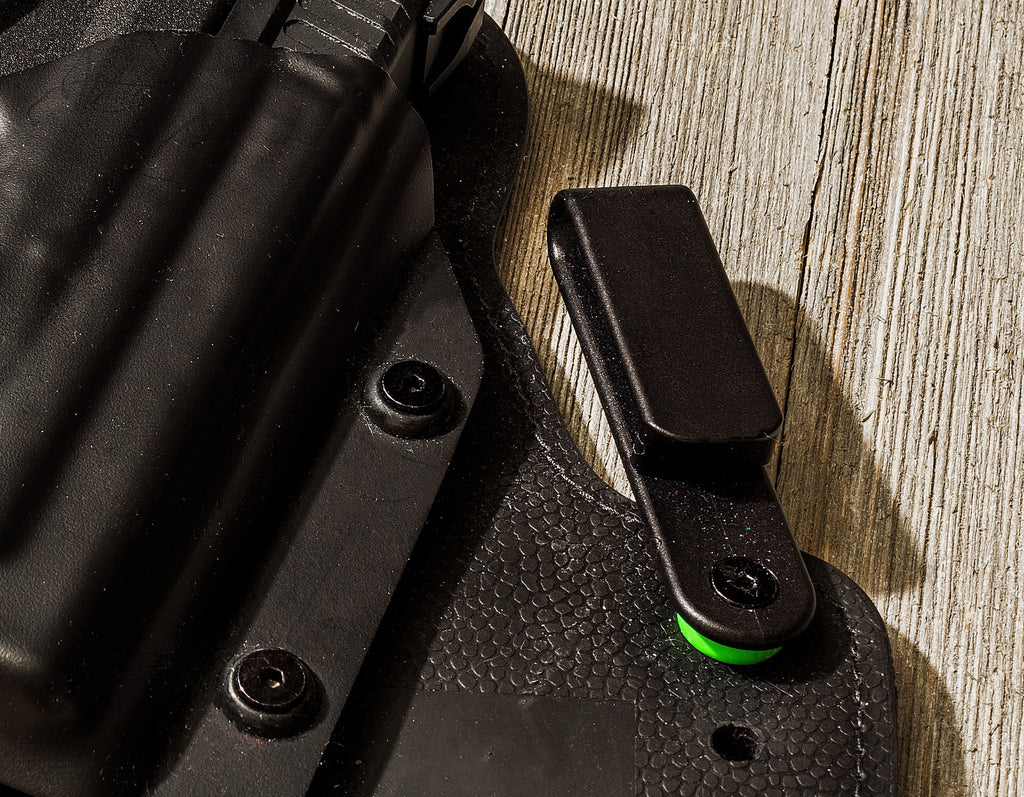
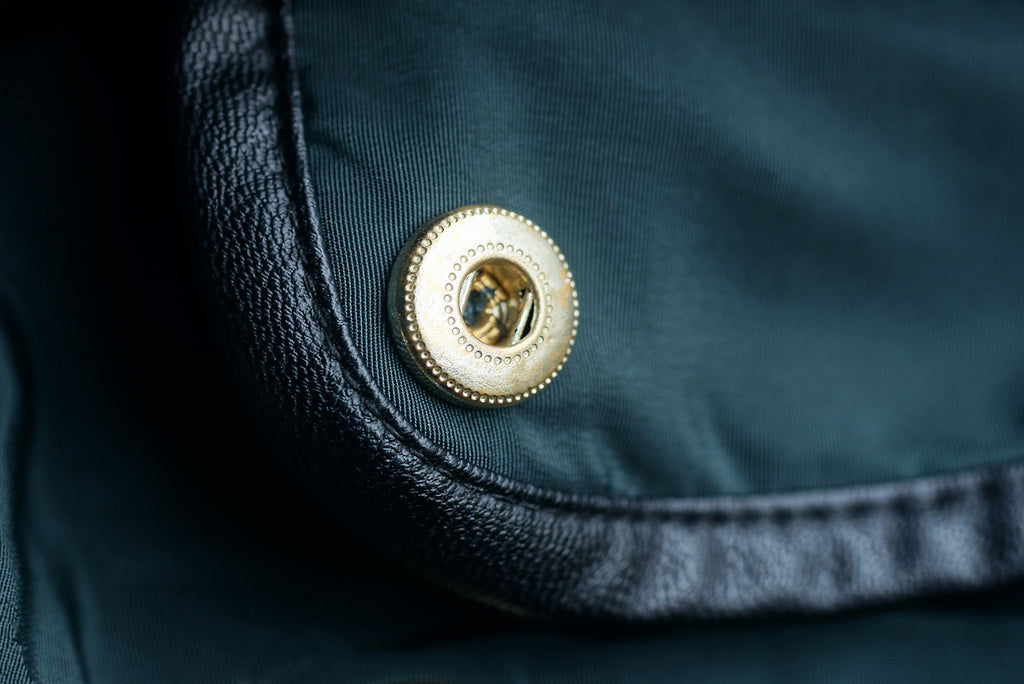
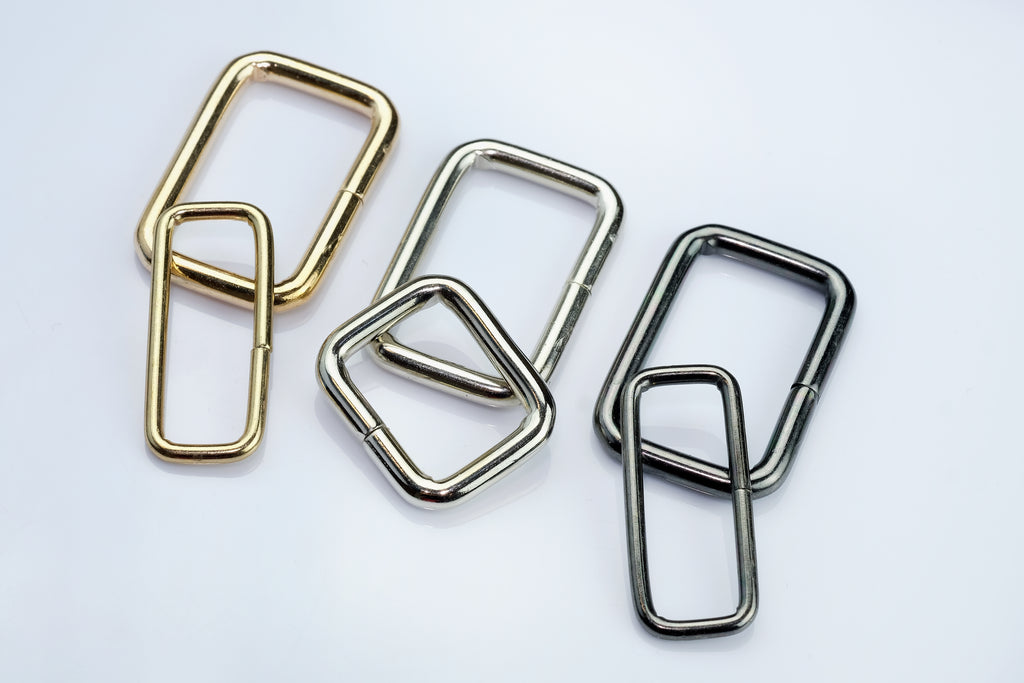


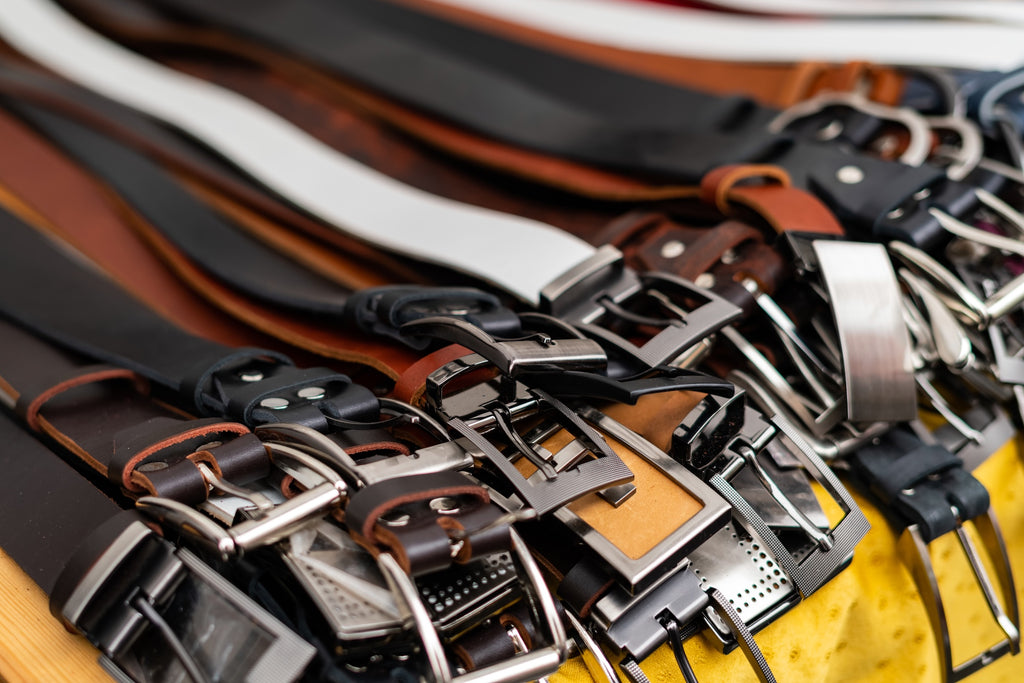


A buckle needs to fit the strap, support the product’s intended function, and feel right in the user’s hands. It also needs to suit the finished design, especially when the hardware plays a visible role in the product’s overall look.
When teams review both function and appearance early on, they can choose a buckle that feels practical, looks intentional, and supports how customers will use the product. Get expert tips on how to choose the right buckle size for your products.
Match the Buckle Size to Your Webbing Width
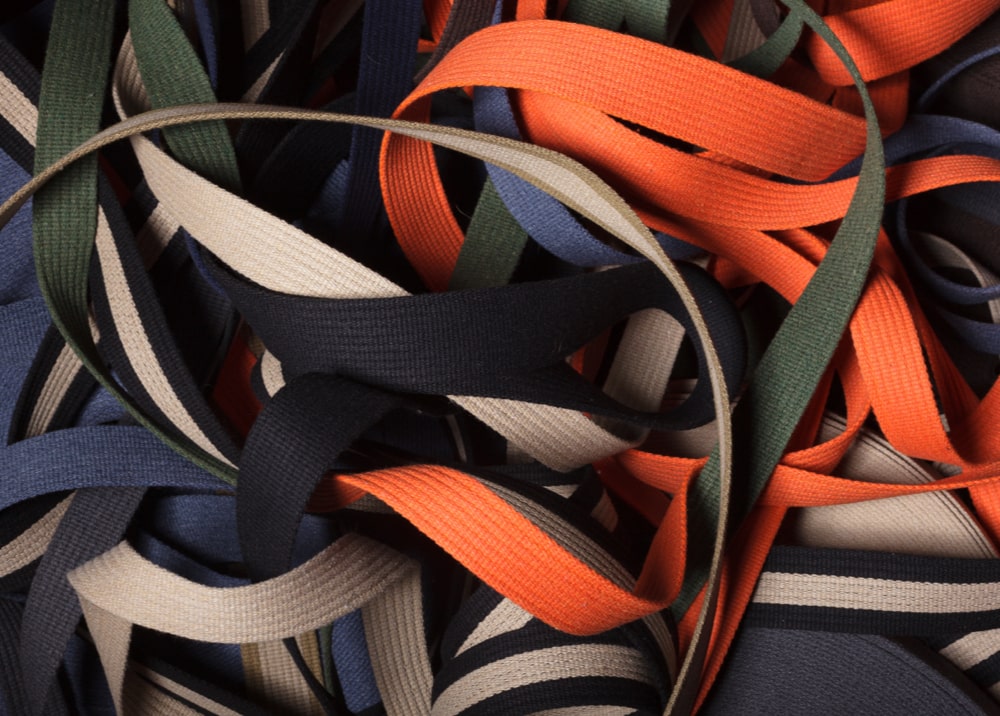
Webbing width gives you the most important starting point when your team selects a buckle. The buckle’s inside width should match the strap width so the webbing can feed through smoothly and sit flat during use. If the opening feels too tight, the strap may bunch or drag, making the adjustment frustrating for the end user.
A buckle that feels too wide can cause a different problem: the strap may shift from side to side. That movement can affect the product's appearance and undermine the stable feel customers expect. It may not matter much on a light promotional item, but it can create a poor fit on pet gear, workwear, or a bag strap that customers adjust often.
Consider the Product’s End Use
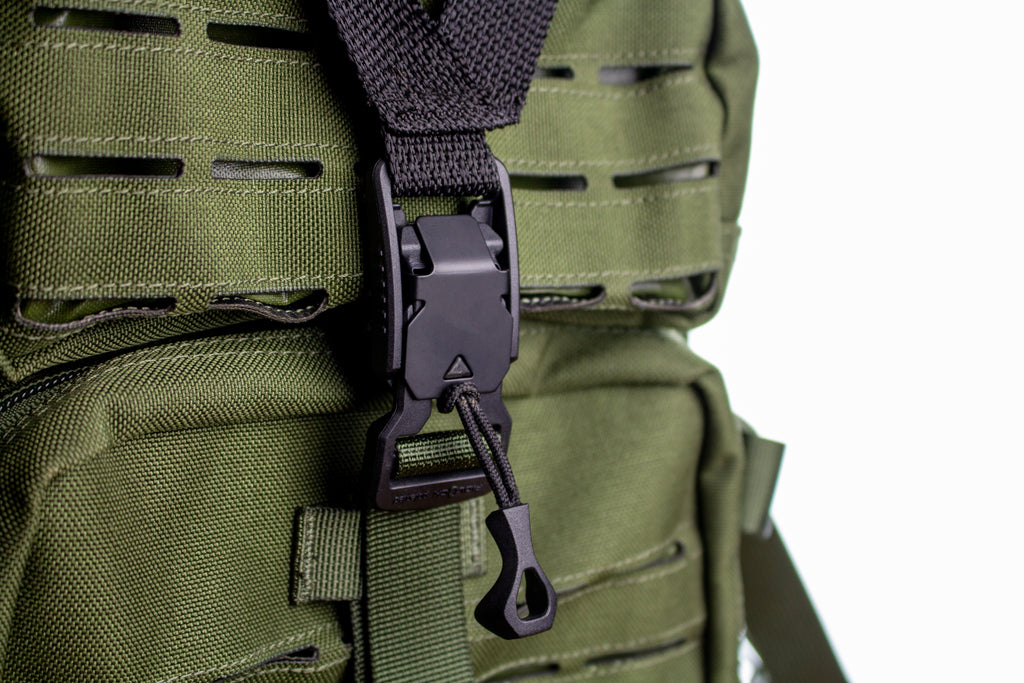
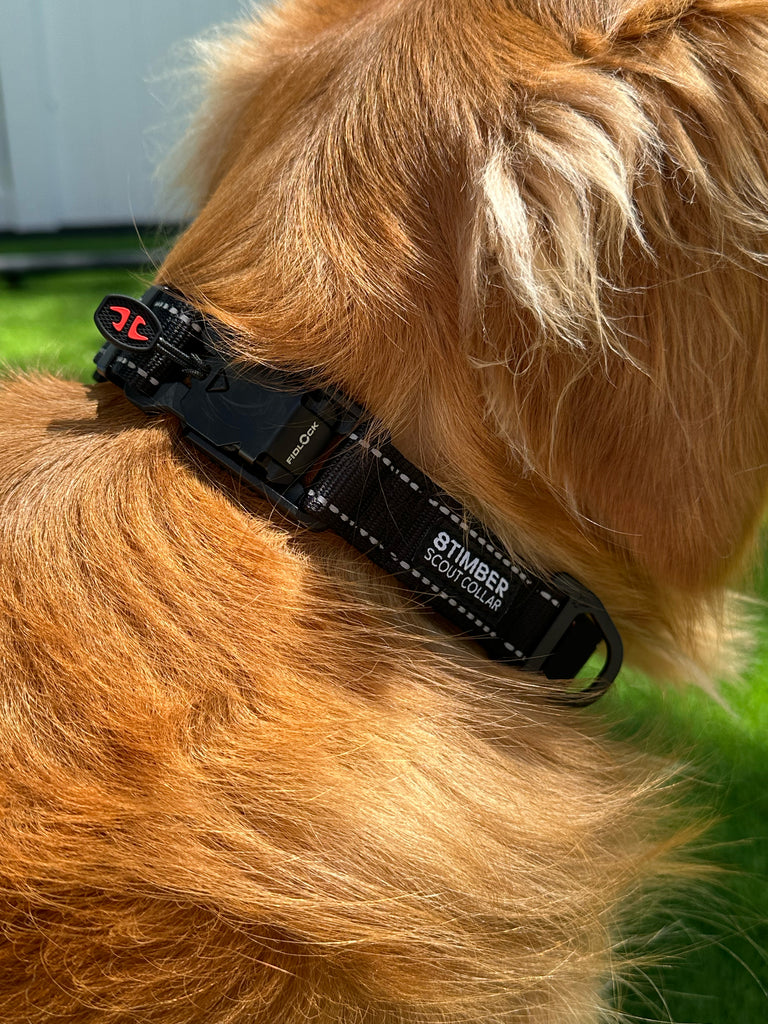
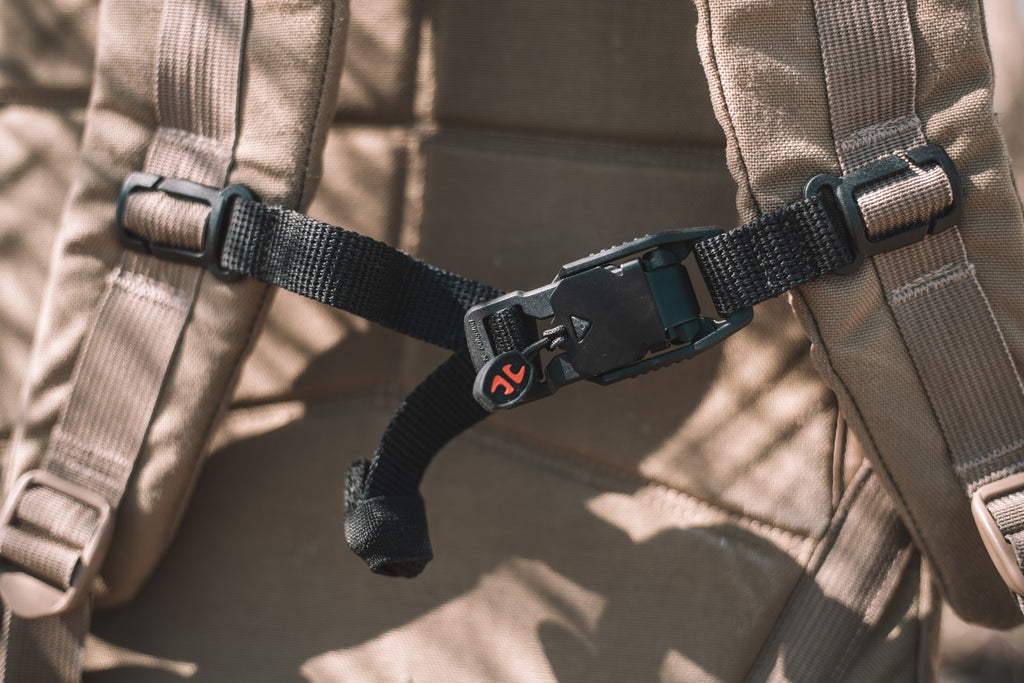
A buckle should match how people will use the final product. A pet collar may need a secure, comfortable closure for daily wear, while a tactical pack strap may need a buckle that is easier to grip and release quickly. For apparel, a lower-profile buckle may make more sense, while workwear often calls for hardware that feels sturdy and easy to handle.
Use the product’s settings to guide the size and style. If customers will open the buckle only occasionally, they may not need a larger or heavier-duty option. If they will adjust or release it several times a day, choose a buckle that withstands repeated use without feeling awkward or difficult to use.
Factor in Load, Stress, and Wear
Buckle size should match the pressure the product will handle during use. A larger buckle may give users more room to grip and help the strap feel more stable under tension. A smaller buckle may work better for lightweight products that need flexibility, comfort, or a lower-profile fit.
Also consider how often users will adjust the product. A bag strap, pet harness, or workwear item may pull against the buckle throughout the day as users tighten, loosen, or release it. For safety, tactical, or load-bearing gear, companies should test the finished product themselves because the full assembly and real use conditions affect performance.
Think About Comfort and Product Design
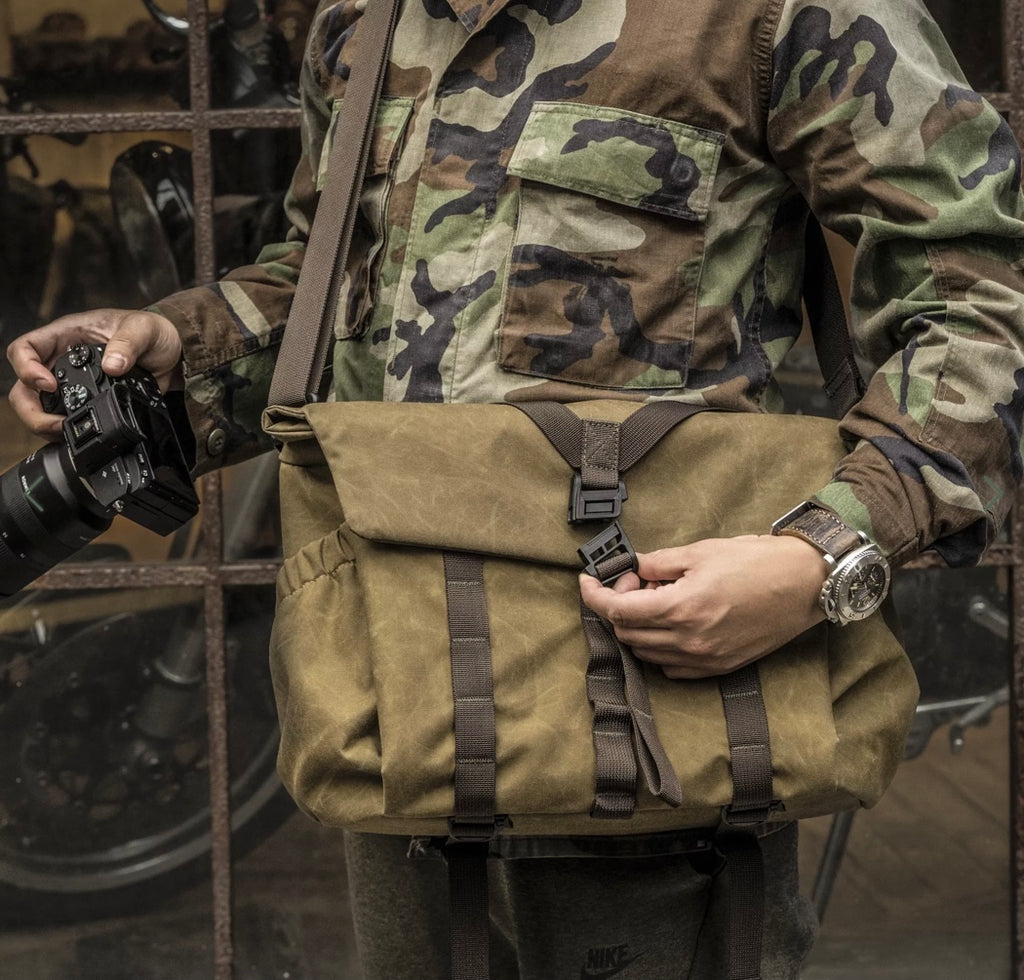
A buckle needs to fit the product without making it feel bulky. On wearable products, an oversized buckle may rub, pull, or sit awkwardly against the body. For bags and strap assemblies, the buckle should feel easy to handle without disrupting the product's shape.
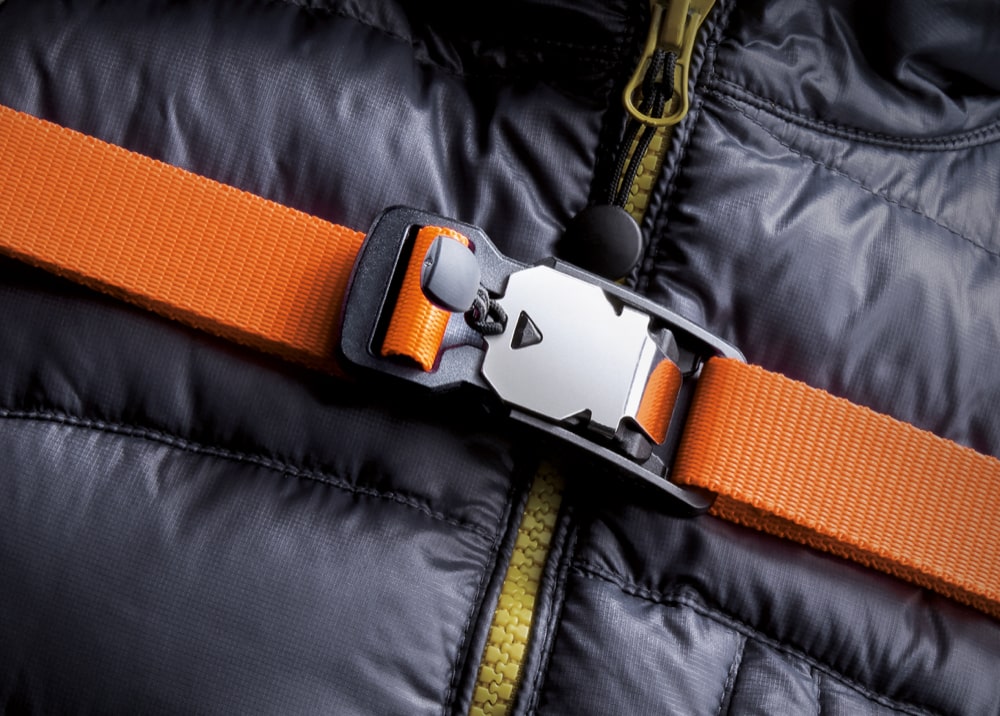
Design also matters when the hardware sits in a visible area. A compact buckle can help keep a sleek profile, while a larger buckle may make sense when the product needs a stronger visual presence. The best choice supports the product's function and still looks intentional in the final design.

Check Compatibility With Other Components
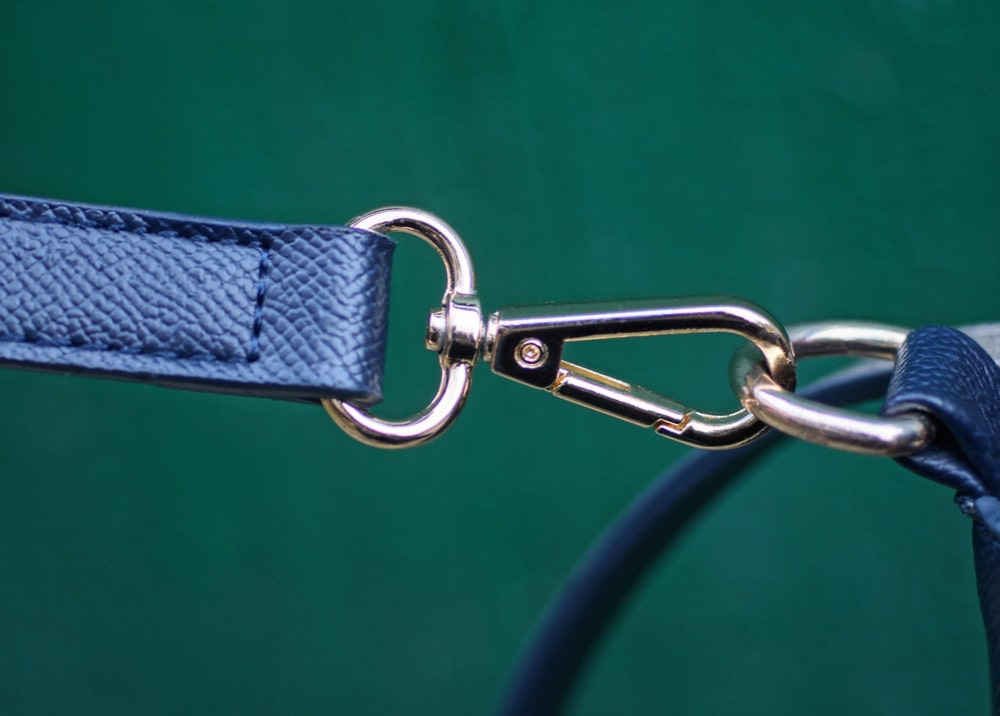
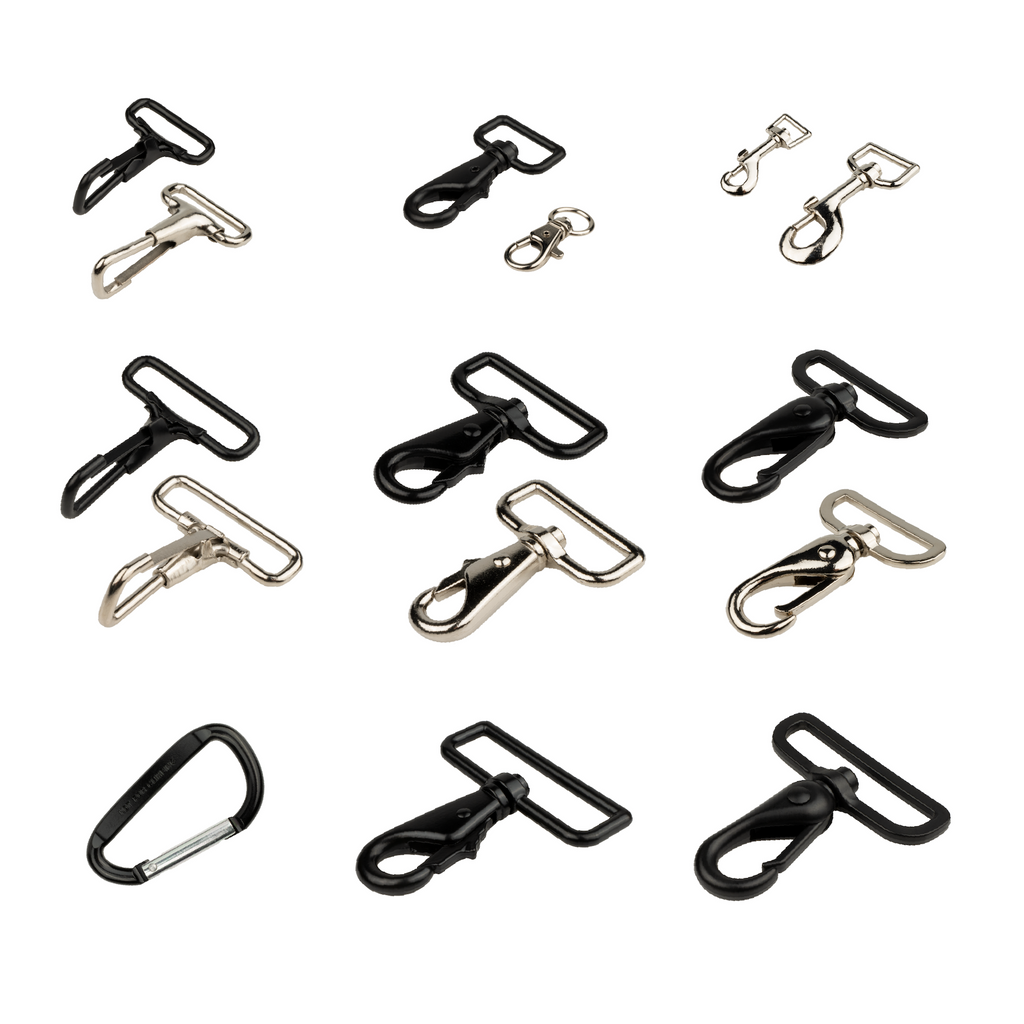
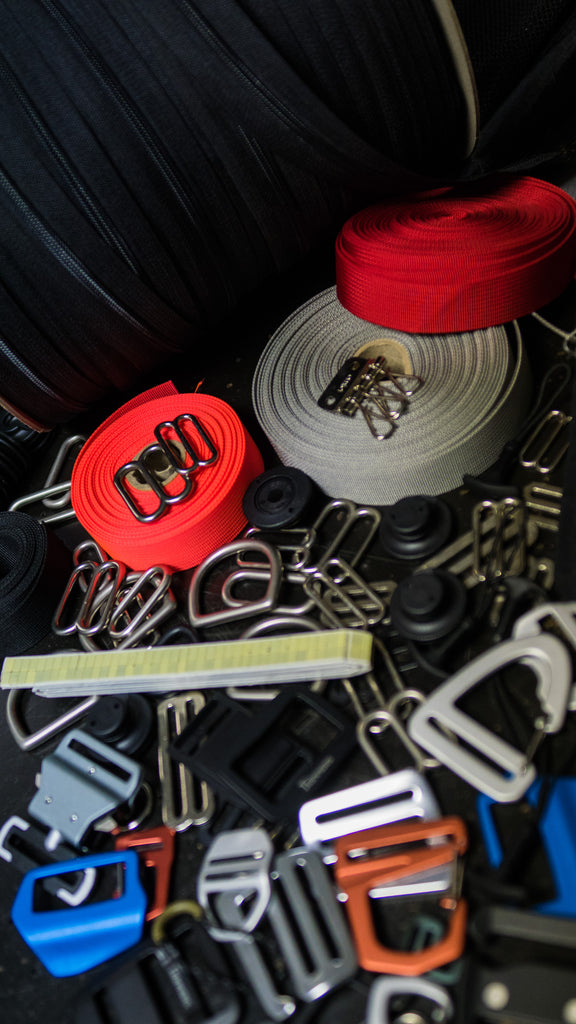
A buckle rarely works on its own, so teams should review the full hardware setup before choosing a size. Slides, loops, rings, hooks, and adjusters all need to fit the same strap width and support the same material thickness. If one piece does not align with the rest of the system, the strap may drag or twist, making it harder for the customer to adjust.
Before you approve a buckle size, test the full strap assembly with the actual webbing, adjusters, loops, and end hardware. Feed the strap through each component, tighten and loosen it several times, and check whether the material moves smoothly without dragging or folding. This review helps you catch issues with thick, stiff, or textured straps before they create production delays or a frustrating customer experience.
Request Samples Before Committing to a Full Order
Samples give teams a clearer sense of fit than measurements alone. A buckle may look right on paper, but hands-on testing gives you a clearer picture; it shows how the strap feeds through the hardware, how the release feels, and how the buckle sits on the final product. This step matters most when a team compares two similar sizes or tests a new product line.
Use samples to review the details that affect real customer experience:
- • Strap movement through the buckle
- • Grip and release feel
- • Fit with other hardware
- • Comfort with the finished product
- • Appearance next to fabric or webbing
A+ Products supports businesses with sample kits, wholesale inquiries, and sourcing capabilities, helping teams narrow down the right component before moving forward. Samples also give product teams room to compare options with designers, buyers, or production partners.
Ask About Custom or Sourced Options
A standard buckle size does not always solve the problem. Some products need a specific finish, a different material, or a size that fits a unique strap assembly. In those cases, a sourcing partner can help teams explore options that better match the product rather than forcing the product to fit available hardware.
A+ Products works with businesses that need buckle components across many industries, including pet, apparel, workwear, tactical gear, sporting goods, and medical equipment. The company can help source standard options and discuss custom needs when a product calls for a more specific solution. That support can help teams move from a rough idea to a more practical hardware choice.

Other Factors To Review In Buckles
Choosing the right buckle size for your products is one of the many things to consider when buying this component. Some factors to evaluate include the following:
Material
Plastic buckles often suit lightweight products, everyday gear, and applications where the hardware needs to stay simple. Other materials may suit products that need a different look or a sturdier feel.
Finish
Finish and appearance also influence how the buckle fits into the finished product. Color, coating, and texture should complement the strap, fabric, or branded design without distracting from the overall look. For products where the hardware stays visible, the buckle should feel like an intentional part of the design rather than an afterthought.
Durability
Ease of use deserves the same level of attention. Customers should understand how to open, close, and adjust the buckle without fighting the hardware. This becomes especially important when people use the product outdoors, while wearing gloves, or in busy work settings.
Partner With A+ Products
Choosing buckle hardware takes more than matching a strap to a measurement. If your team needs help comparing buckle sizes or sourcing metal buckles, A+ Products can help you find hardware that fits your application and supports your next production run. Our team can help you review available options and discuss your sourcing needs before you move forward. Reach out to A+ Products to start narrowing down the right buckle hardware for your next product.