
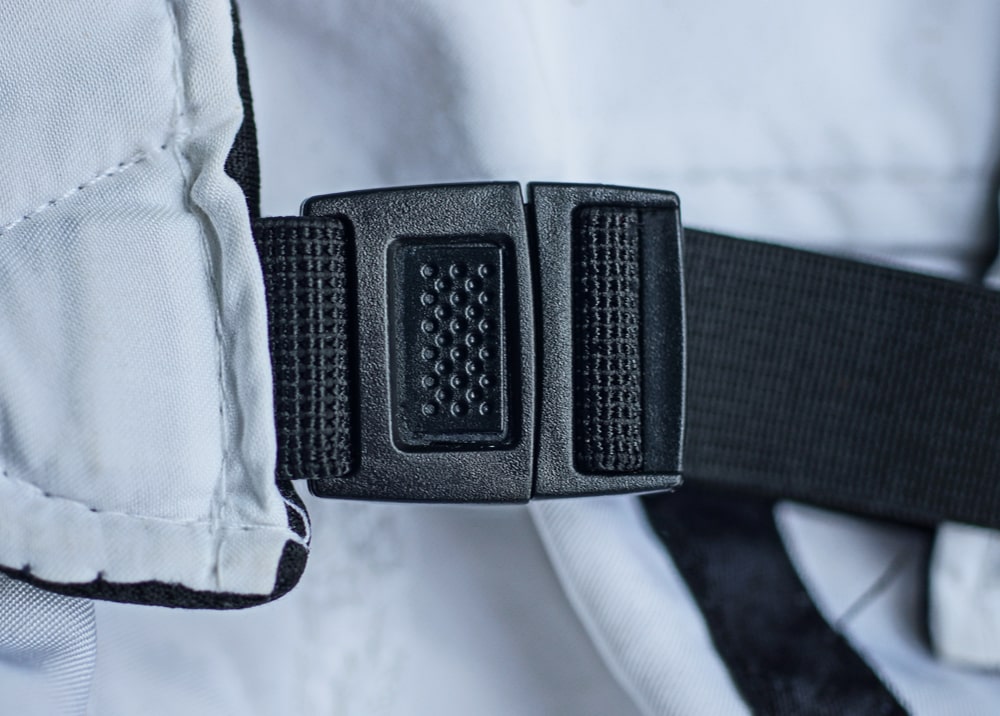
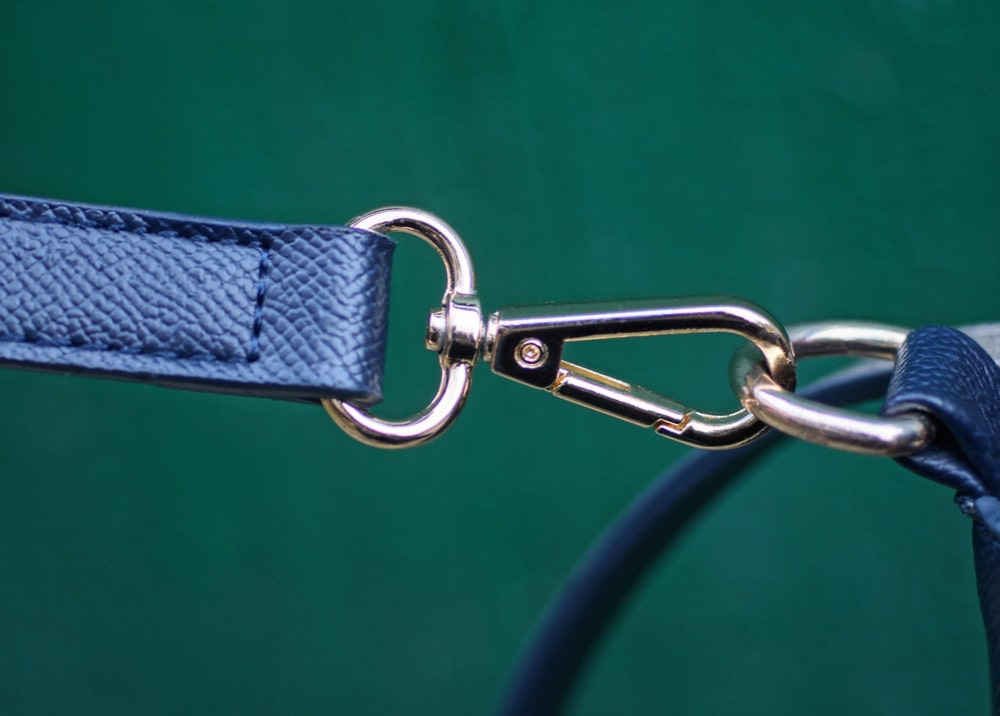

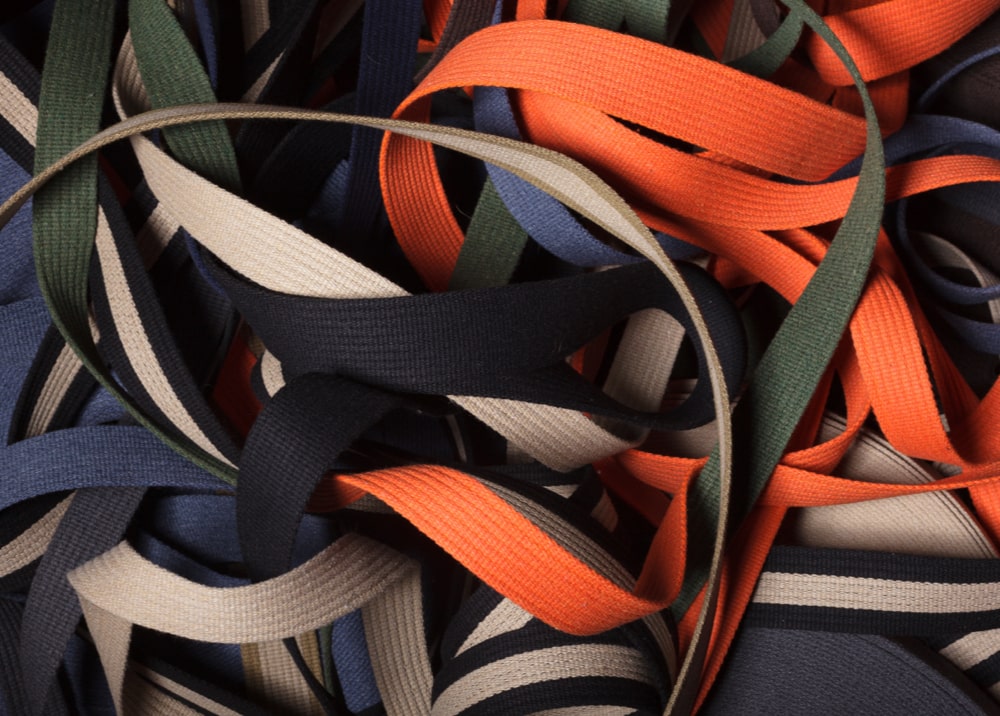
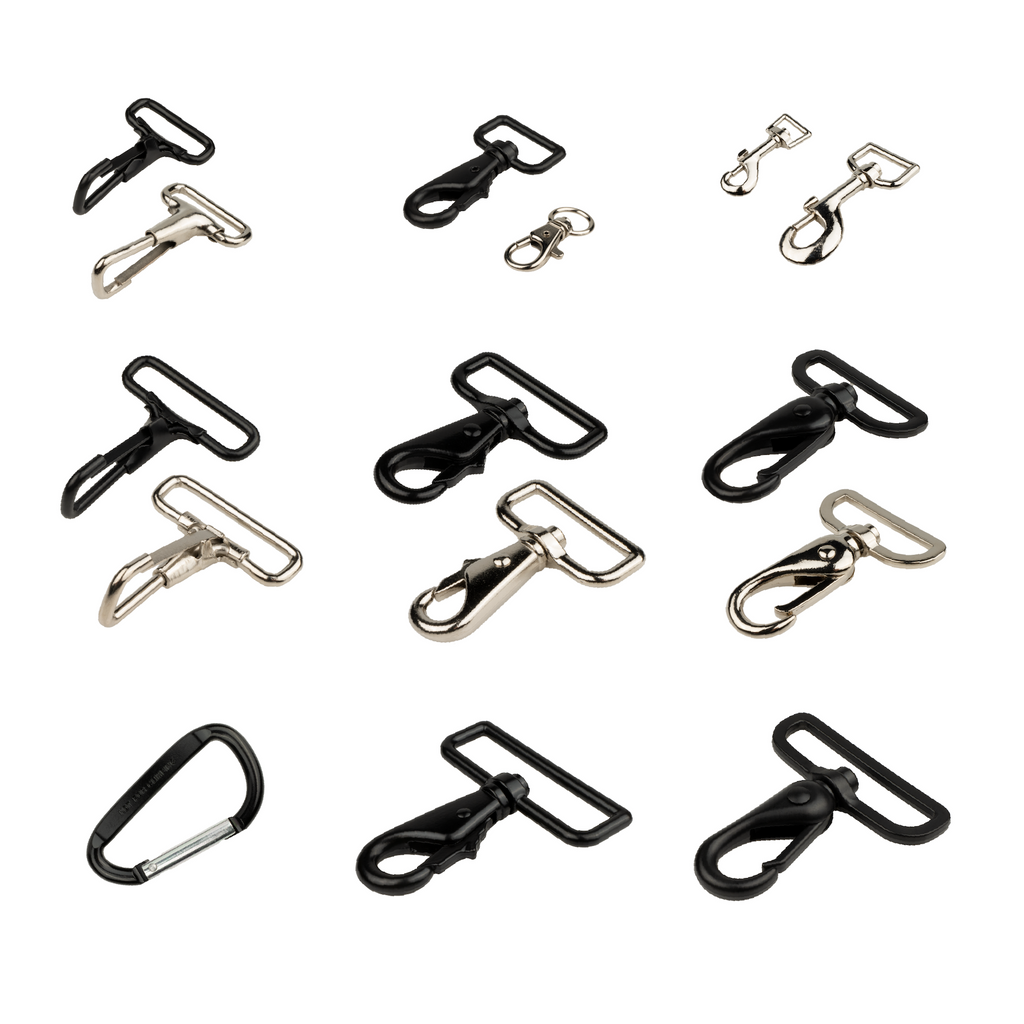









Magnetic buckles can shape a customer’s first impression because the closure is one of the first parts they touch. When the buckle connects smoothly, the product feels easier to use and more thoughtfully designed. That small interaction can make a bag feel more refined or help a strap system feel less frustrating during everyday use. This guide covers the key benefits of using magnetic buckles in your product.
Easier One-Handed Use
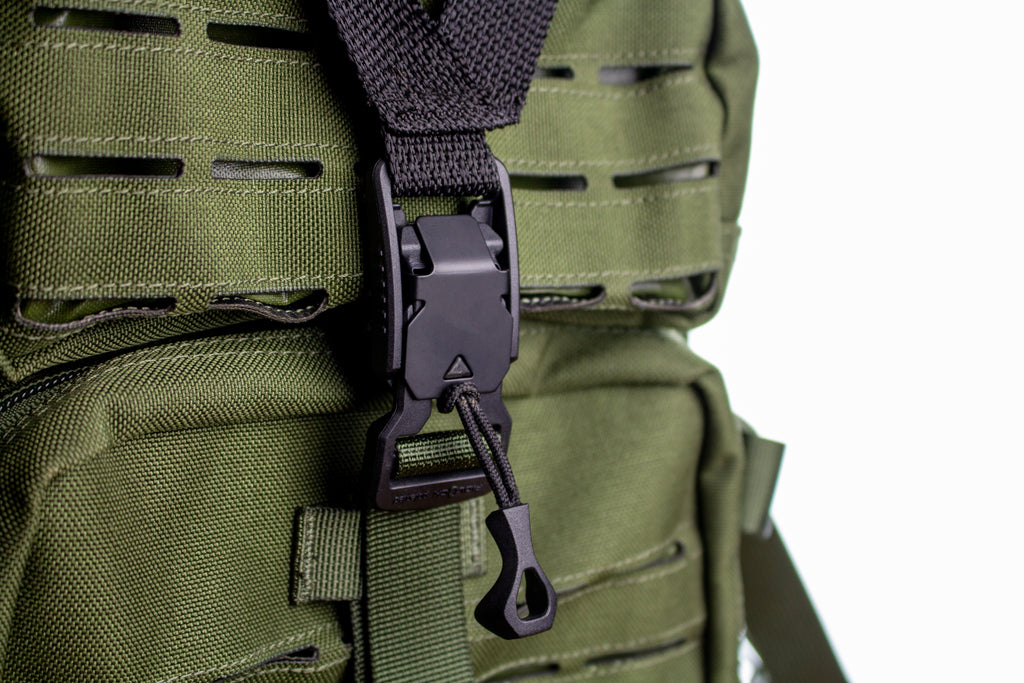
One-handed use gives magnetic buckles much of their appeal by solving a common frustration with closure hardware. Users often need to fasten a strap while holding the product, especially when the item shifts or hangs from the body. A magnetic connection can make that motion feel easier because the buckle helps guide itself into place rather than relying solely on the user’s precision.
When a customer opens a pocket or secures a strap, the closure should not slow them down or pull their attention away from the task. A buckle that connects with less effort supports the way people naturally handle the product, which can make the design feel more thoughtful.
Product teams should still test how one-handed use feels on the finished design. The buckle placement, release motion, and strap tension can all change how easy the closure feels in real use. When teams review the component within the full product, they get a clearer sense of whether the buckle supports the experience they want to create.
Improved Accessibility for Some Users
Magnetic buckles may make a product easier to handle for users who struggle with small clips or stiff closure hardware. The guided connection can reduce the need for precise alignment, which helps the fastening motion feel less demanding. A closure that feels easier to manage can make the overall product more comfortable to use.
Accessibility still depends on the final design, not the buckle alone. Product teams should review the release motion, buckle placement, and amount of force needed during testing.
Faster Fastening During Daily Use
A magnetic buckle can make repeated fastening feel smoother because it reduces the effort behind a motion the customer may perform often. When someone opens and closes the same product throughout the day, even a small amount of friction can become annoying. A closure that guides itself into place helps the product feel easier to manage each time the user reaches for it.
Faster fastening also supports products that users handle while they are moving. The magnetic pull helps the buckle connect with less adjustment at the closure point, so the user does not have to slow down as much to secure it. A smoother fastening motion can make the product feel more responsive because the hardware works with the user’s pace instead of interrupting it.
Product teams should still connect this benefit to the product’s actual use case. A magnetic buckle makes sense when quick handling matters, but the closure also needs to meet the stress demands of the finished design. Testing helps teams confirm whether the faster fastening experience still fits the product’s structure and long-term use.
A More Intuitive Closure Experience
Magnetic buckles can feel intuitive because the connection gives the user a clear sense of alignment. As the buckle parts come together, the user gets feedback that the closure is moving into the right position. A clear fastening motion can make the product easier to understand without extra instruction.
Guided alignment becomes especially helpful when the closure sits in a spot the user cannot always see. Instead of relying on precise visual alignment, the user can often guide the buckle by feel. That can make the product less frustrating during quick or repeated use.
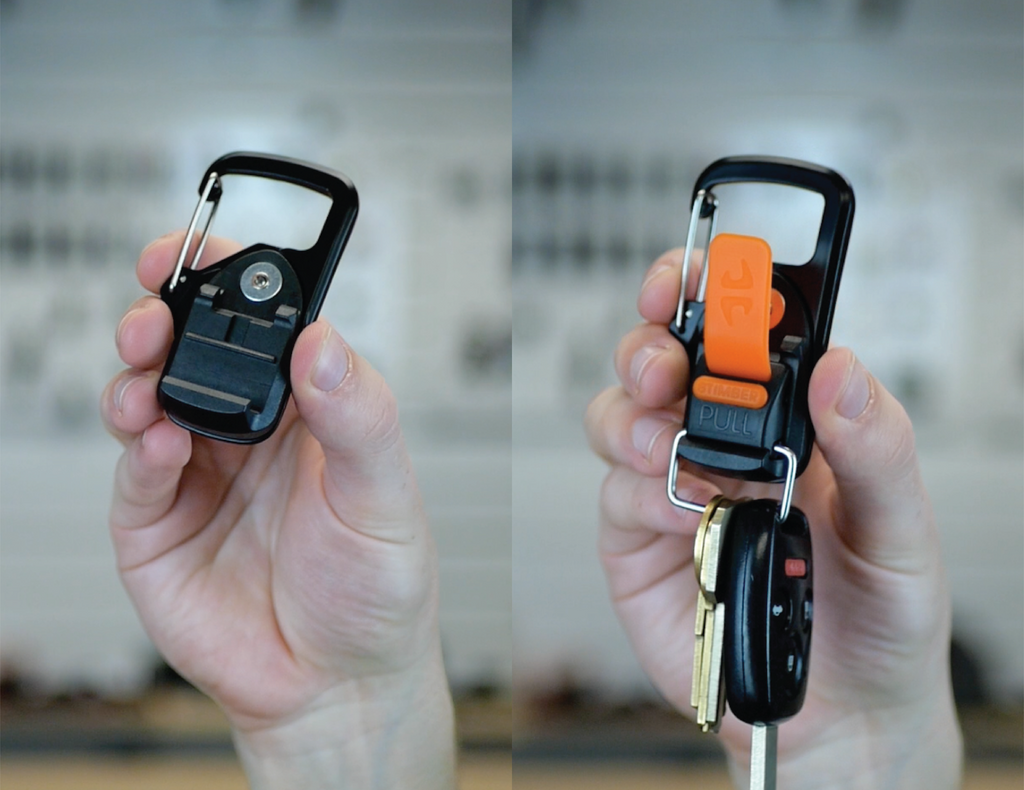
The release should feel just as clear as the fastening step. If the buckle opens by pulling or sliding, the movement should make sense within the product’s design. A strong closure experience gives users confidence when fastening the product and ease when releasing it.
Cleaner Product Design
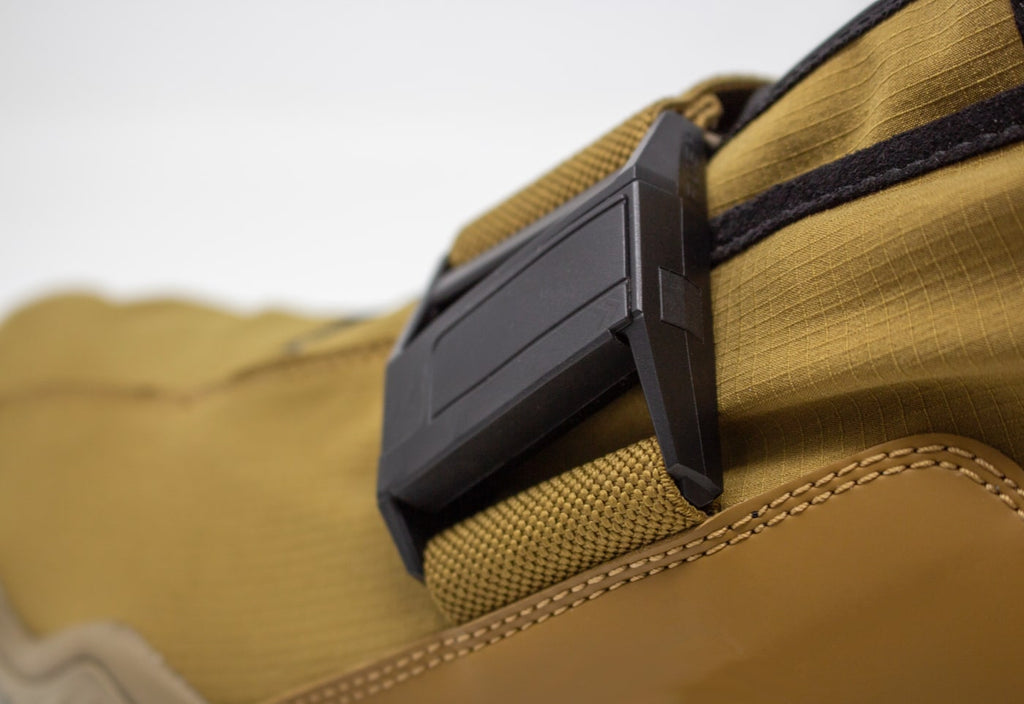
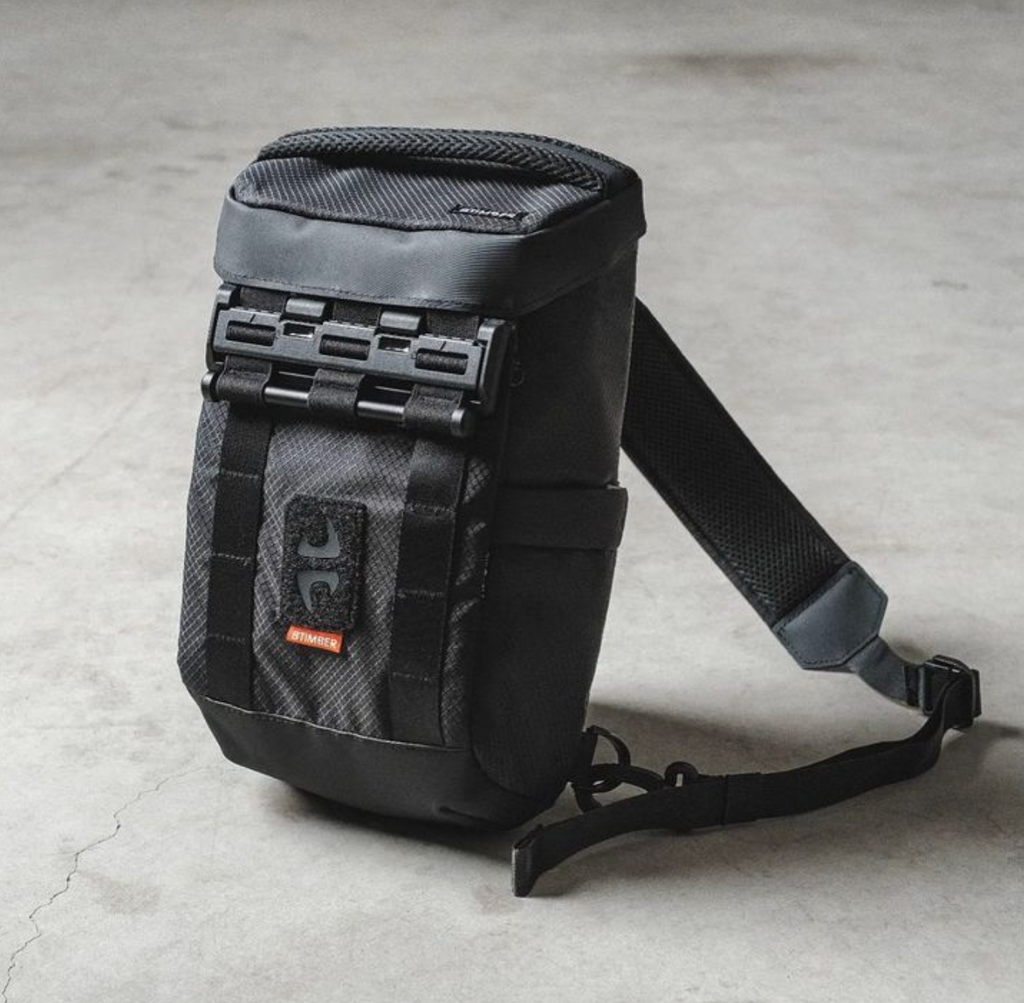
The sleek design is another benefit of using magnetic buckles in your product, as it gives it a minimalist look. A magnetic buckle can help the closure sit neatly within the strap system or product panel, which gives the finished item a cleaner look. That visual fit matters because hardware should support the product’s design rather than draw attention away from it.
Design teams should consider the buckle early in the product development process because the closure affects more than just appearance. It can change how the strap lies, how the user reaches the release point, and how the finished product feels in the hand. Early planning helps teams avoid layout issues that become harder to fix later.
Practical Advantages To Evaluate
Magnetic buckles can bring several practical advantages, but teams should review each one in the context of the finished product. The closure needs to work with the strap system and the way the user will handle the item. Before choosing a buckle, teams should look at the following factors:
- • Match the buckle size to the webbing width
- • Check how the release feels during normal handling
- • Test the closure under expected tension
- • Review how the buckle sits on the product
- • Confirm that the style supports the product design
These checks help teams avoid choosing a buckle based only on appearance. A magnetic closure can look great and still miss the mark if the strap does not feed cleanly. Function needs to guide the decision before the team commits to production.
Reduced Wear From Frequent Handling
Magnetic buckles can reduce some of the extra force users apply when a closure feels difficult to align. Instead of pushing, pulling, or adjusting the buckle until it connects, the magnetic connection helps guide the parts into position. A smoother fastening motion can reduce strain around the closure point during everyday use.
Frequent handling can wear on both the hardware and the surrounding strap area, especially when users have to force the connection. A buckle that fastens more cleanly can help the product feel easier to use over time. Product teams should still test the finished design, but smoother handling can support better long-term usability.
Working With a Buckle Supplier
A buckle supplier can help product teams move from a broad idea to a more practical closure choice. Instead of sorting through hardware without context, teams can discuss strap size and product function with someone who understands component sourcing. This can make early decisions more efficient.
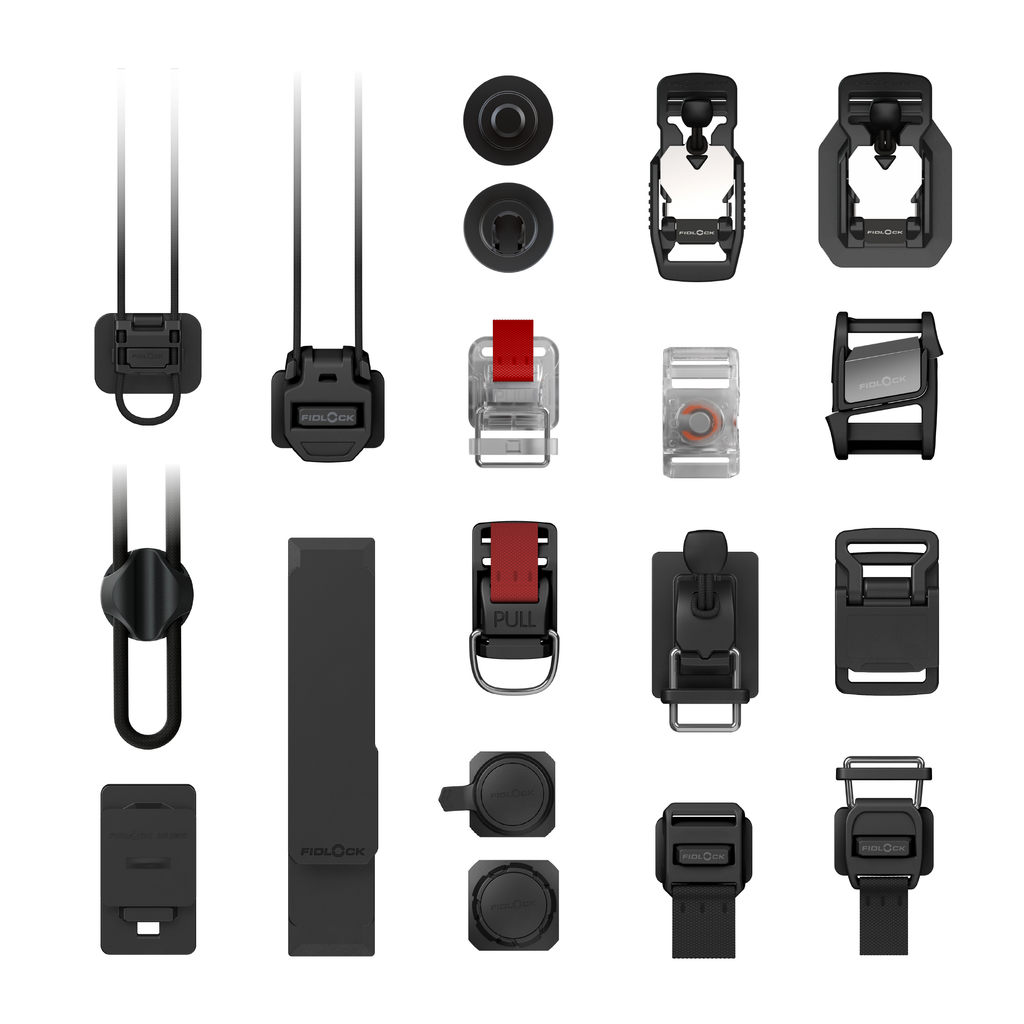
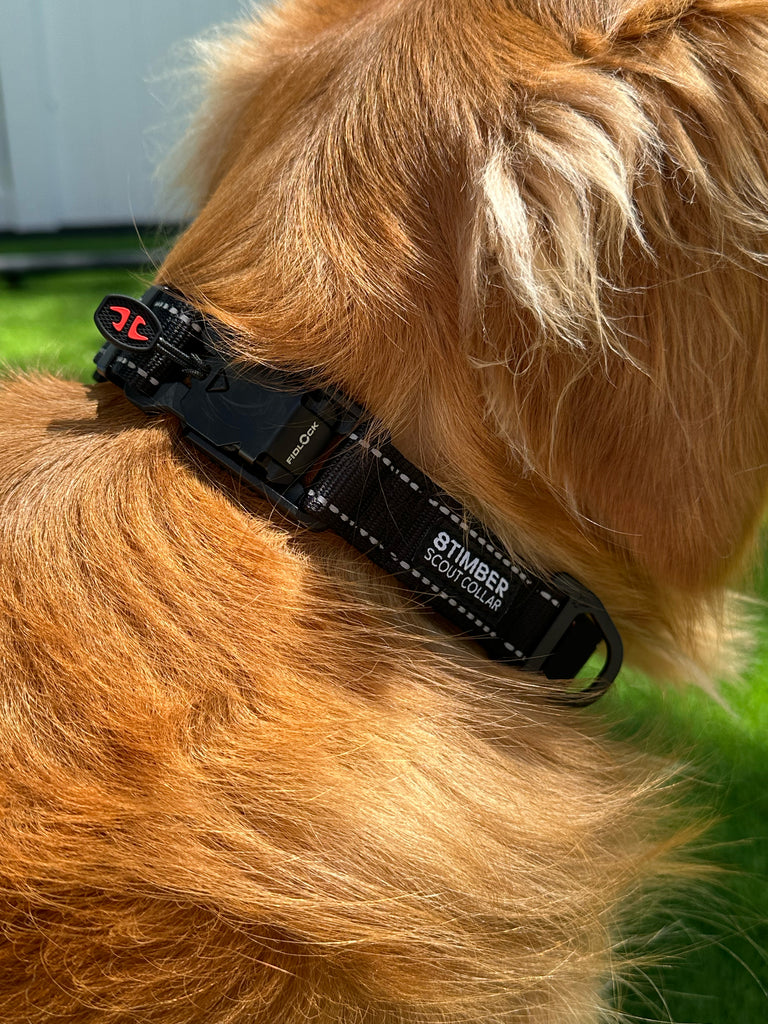
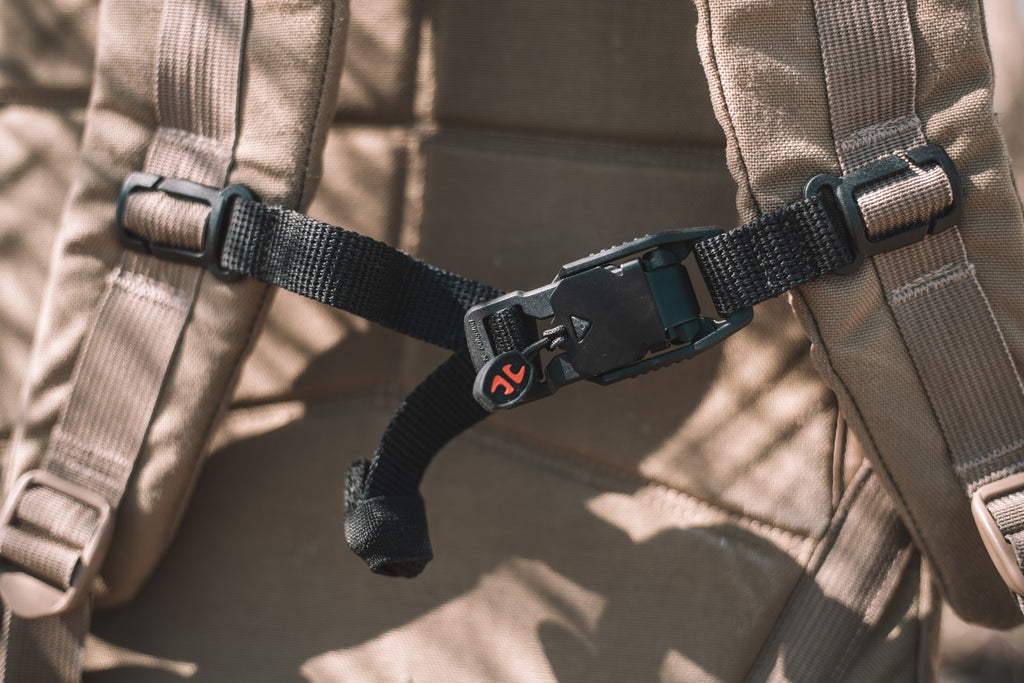
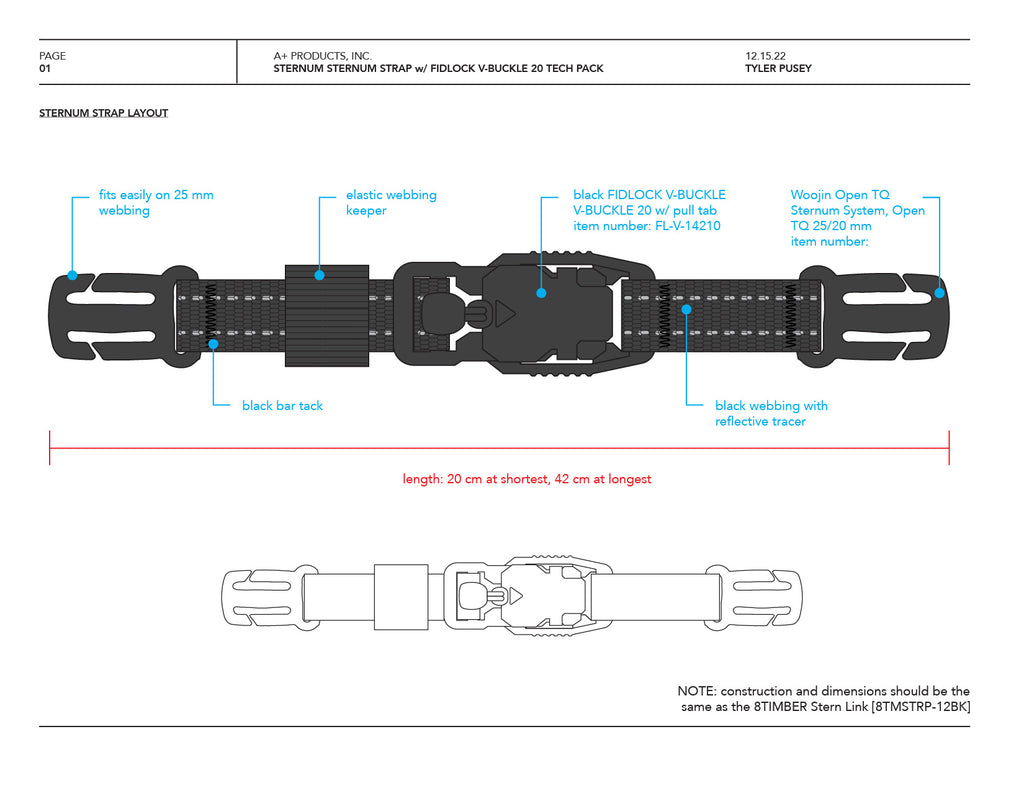
A+ Products works with businesses that need reliable buckle hardware for a wide range of product lines. Our FIDLOCK v buckle options give product teams a clean, practical magnetic closure for designs that need fast handling and a secure feel. The magnetic connection helps guide the buckle into place, while the release style supports easy everyday use. The right buckle can be a strong fit for products where the closure needs to feel smooth without adding unnecessary bulk.