




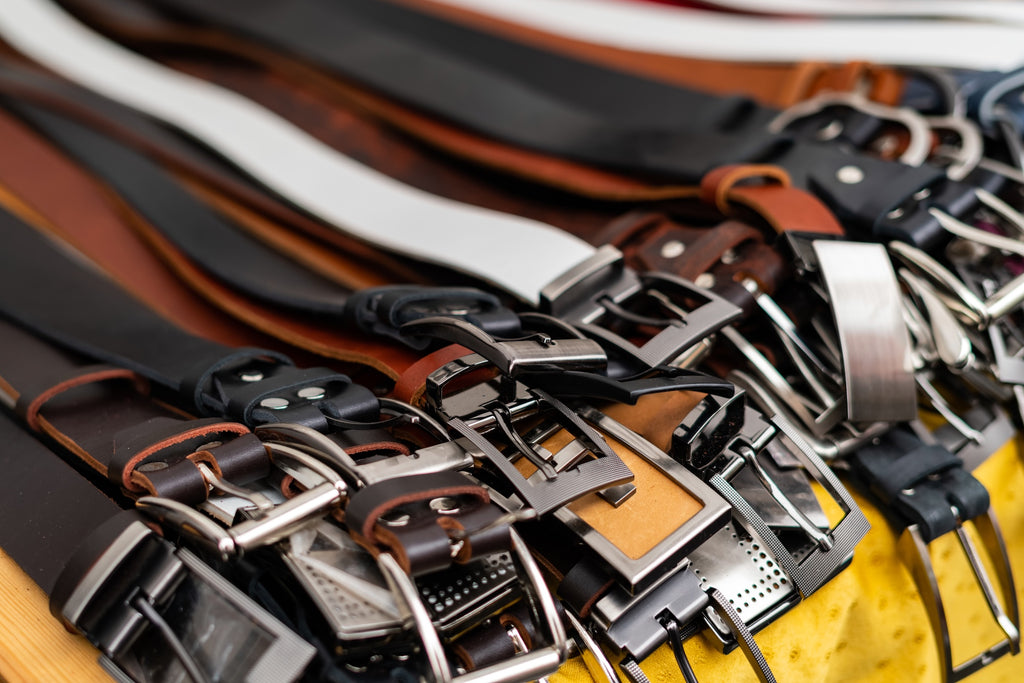


Roller buckles offer a straightforward way to secure and adjust straps across many types of finished products. Their familiar design combines a frame, tongue, and rotating roller that lets material move through the buckle with less friction during adjustment. Manufacturers can select from different constructions, finishes, and configurations according to the strap material and intended use.
Understanding the options available makes hardware selection more manageable. A buckle that works well on a fashion accessory may not meet the needs of a workwear strap or pet product. For product teams sorting through these choices, this complete guide to roller buckle types and applications provides a useful overview of the features that distinguish one option from another.
Roller Buckles Use a Simple Mechanism for Strap Adjustment
A typical roller buckle uses a rotating cylindrical piece along one side of the frame. As the strap moves across that roller, the component reduces resistance compared with pulling material directly over a fixed metal edge. The tongue or prong then passes through a hole in the strap to hold the selected position.
That familiar operation makes roller buckles suitable for products that require repeat adjustment. Users can loosen or tighten the strap without dealing with a complicated release mechanism. Manufacturers still need to match buckle dimensions to the strap so the complete assembly functions as intended.
Single Roller Buckles Suit Many Everyday Applications
Single roller designs represent one of the most recognizable buckle configurations. One roller sits along the buckle frame and supports the strap as it passes through the hardware. Depending on the design, a tongue secures the strap at a chosen adjustment point.
These buckles fit applications such as belts, bags, pet products, and apparel components. Product designers may also consider them when they want visible metal hardware to contribute to the overall look of an item.
Teams comparing roller hardware with other metal belt buckles should focus on how the closure needs to operate rather than appearance alone. Strap dimensions and attachment methods also deserve consideration before a team selects a component.

Double Roller Buckles Support Different Strap Configurations
Some applications call for a buckle with two rollers instead of one. The additional roller changes how material travels through the hardware and provides another option for managing strap movement. Exact construction varies by buckle design, so manufacturers should review specifications before treating two models as interchangeable.
Double roller configurations may suit products with thicker strap assemblies or designs that need a particular method of routing material. Thickness and flexibility both affect how smoothly the strap moves through the buckle.
Sampling becomes especially useful when a team considers a new configuration. Testing the actual strap with the intended buckle provides more useful information than evaluating each component separately.
Buckle Finishes Connect Function With Product Design
Finish gives manufacturers another way to narrow their roller buckle selection. Hardware may need to coordinate with other components on a bag, garment, collar, or similar product. A consistent finish keeps the overall design visually cohesive without changing the basic buckle mechanism.
Appearance should remain one part of the specification process. Designers also need to consider whether a finish suits the expected environment and how normal use may affect its appearance. Product teams should evaluate samples under conditions that reflect the actual application.
Custom sourcing may provide additional possibilities when an existing option does not meet a project’s requirements. Working with a component supplier early can clarify relevant specifications before production planning advances.
Roller Buckles Fit Products Across Multiple Industries
The basic roller buckle mechanism works across a broad range of product categories because manufacturers can pair different buckle designs with different strap materials. Rather than assigning every roller buckle to one industry, product teams can evaluate each option against the needs of its specific application.
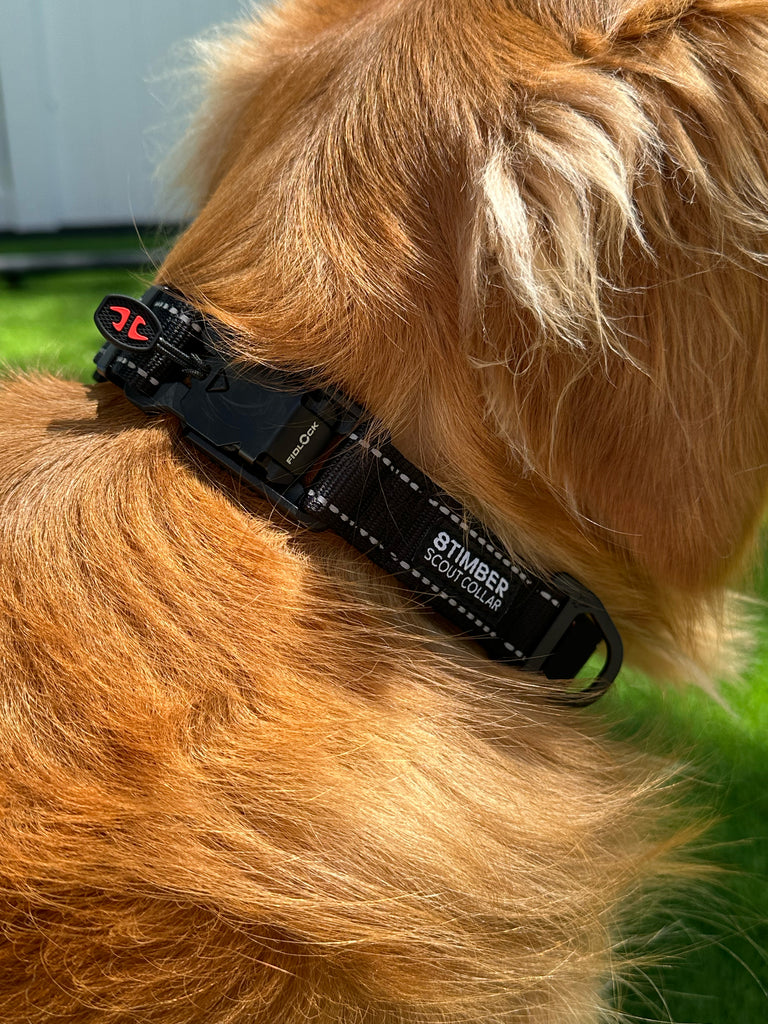
Pet product companies may use metal hardware on certain collars or related accessories. Apparel and workwear brands may need adjustable closures that complement a garment or accessory. Bags and other sewn products can also use roller hardware where a traditional prong-style adjustment makes sense.
Application alone does not determine suitability. The finished product manufacturer needs to test the buckle, strap, attachment points, and surrounding components together.

Product Requirements Drive Roller Buckle Selection
Choosing between roller buckle types becomes easier when teams define the application before comparing individual products. Start with strap dimensions and material, then consider the required adjustment method. From there, designers can evaluate additional specifications relevant to the project.
Order requirements matter as well. Manufacturers may need to discuss minimum order quantities, lead times, pricing, and custom sourcing capabilities before finalizing a component. Addressing those questions early can prevent a promising buckle from becoming impractical later in the sourcing process.
Compatibility deserves particular attention in safety-related, tactical, or performance applications. Component specifications may not be available for all hardware, and individual component specifications should not be used to determine the performance of a finished assembly. Manufacturers are responsible for determining appropriate performance requirements and for testing and validating the complete finished-product configuration for its intended application and conditions of use.
A Component Supplier Can Simplify Roller Buckle Sourcing
Hardware sourcing involves more than finding a buckle with the right general shape. Product teams may need support comparing dimensions, identifying available options, coordinating samples, or exploring custom components when a standard item does not fit the project.
At A+ Products, we work with businesses across industries to source buckle hardware and other components for their products. Our product offerings include metal buckles, assembled webbing straps, and custom sourcing capabilities. We can work with your team to identify options based on the specifications and applications you provide.
For manufacturers evaluating hardware for a new product or updating an existing assembly, the considerations covered in this complete guide to roller buckle types and applications provide a starting point for conversations with a component supplier. Contact A+ Products to discuss your roller buckle requirements and available sourcing options.
The Right Roller Buckle Starts With the Complete Assembly
A buckle works as part of a larger product, so manufacturers should evaluate more than the hardware by itself. Strap dimensions, adjustment needs, attachment methods, and expected use all influence which roller buckle makes the most sense.
Evaluating those details together allows product teams to narrow their choices before moving forward with production. Careful component selection and application-specific testing turn an initial hardware option into a buckle assembly suited to the finished product.