

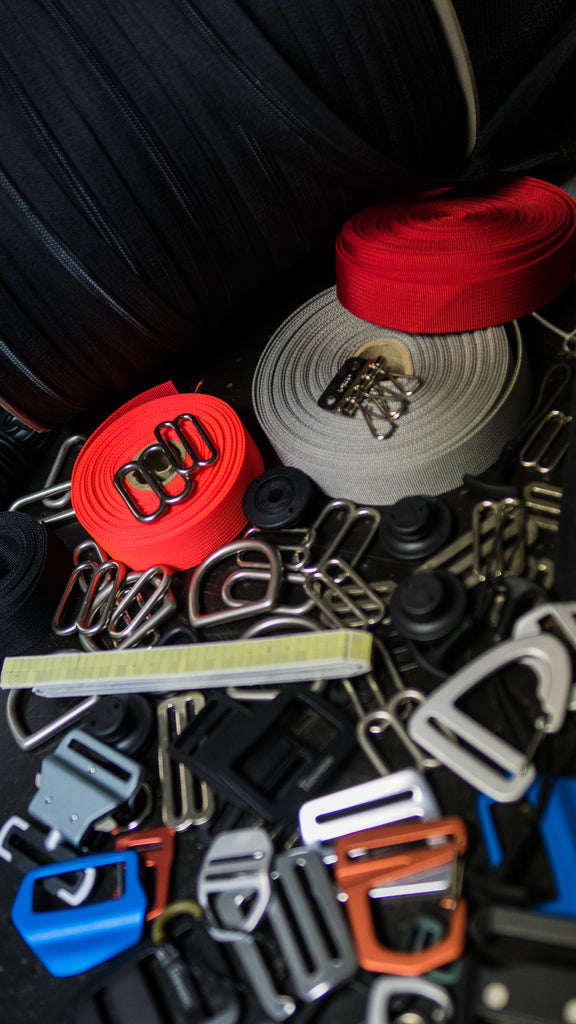
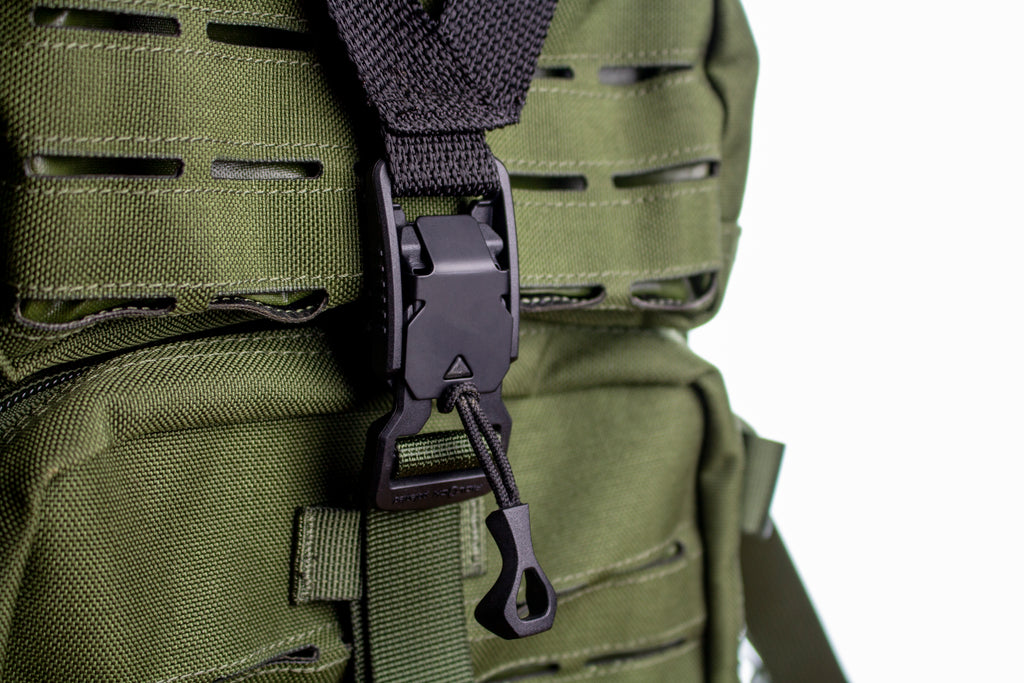


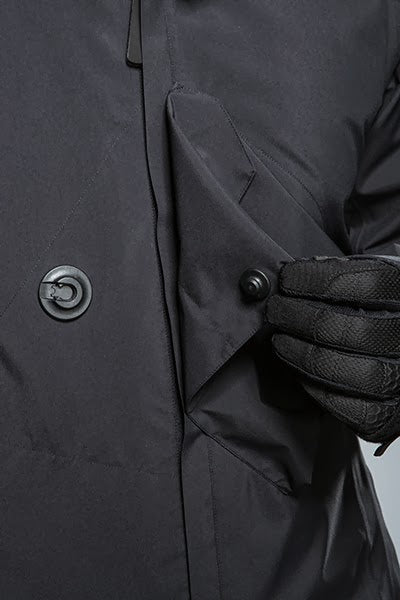
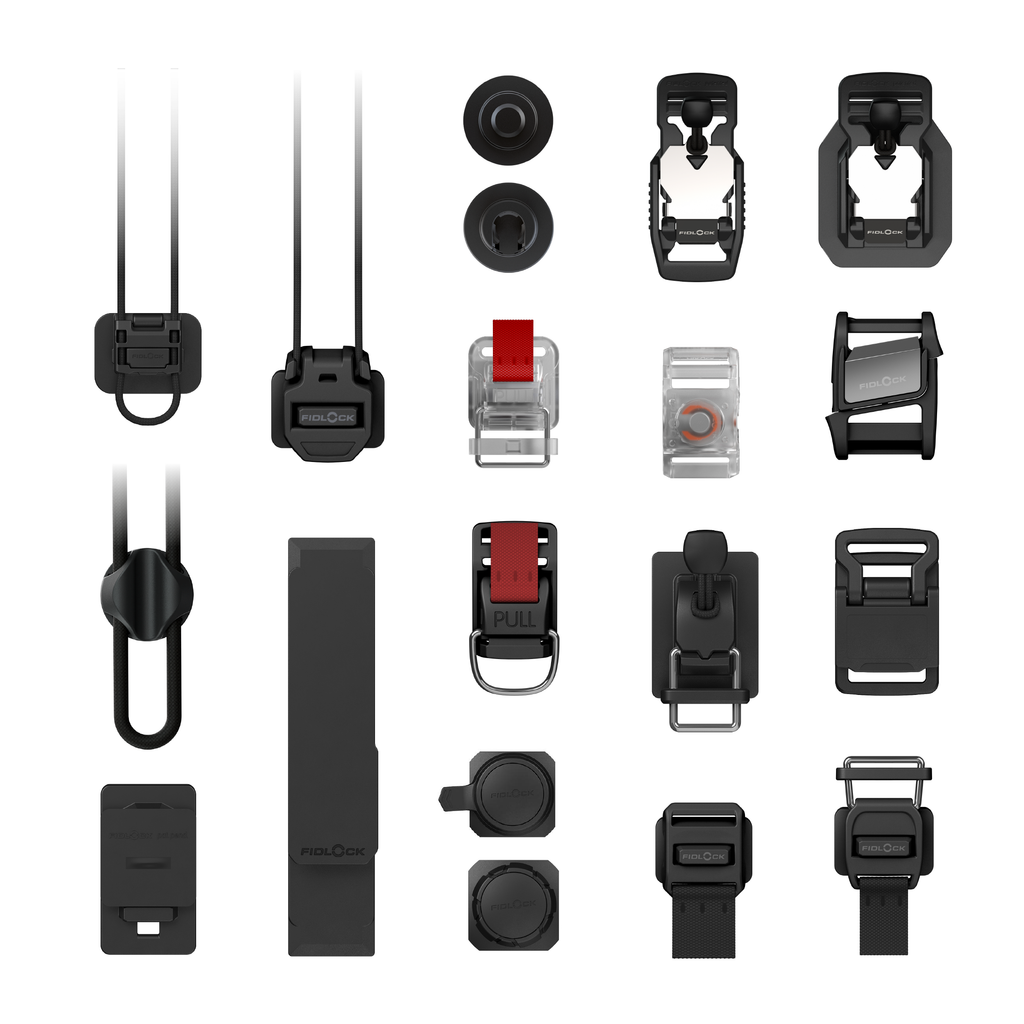








Snap hooks provide a practical fastening solution for products that require secure connections and convenient attachment. From pet accessories to industrial equipment, these components allow users to connect or detach items without complicated fastening procedures. Their straightforward design makes them useful across industries that depend on functional, accessible hardware.
Understanding the essential uses and applications of snap hooks starts with recognizing how different designs accommodate specific products and operating conditions. Manufacturers must consider material properties, attachment methods, and intended use before selecting a component. Choosing suitable hardware supports product functionality while meeting the demands of everyday operation.
Snap Hooks Use Spring-Loaded Gates for Convenient Connections
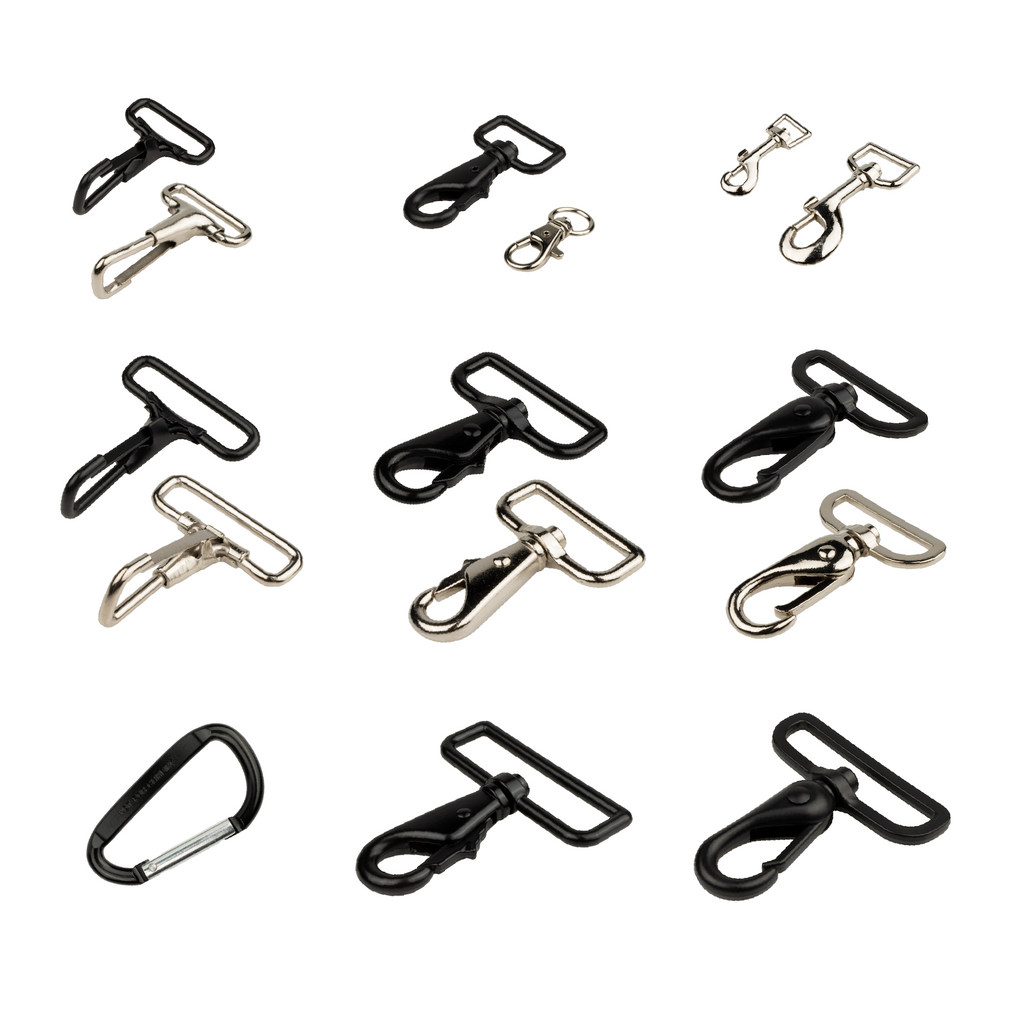
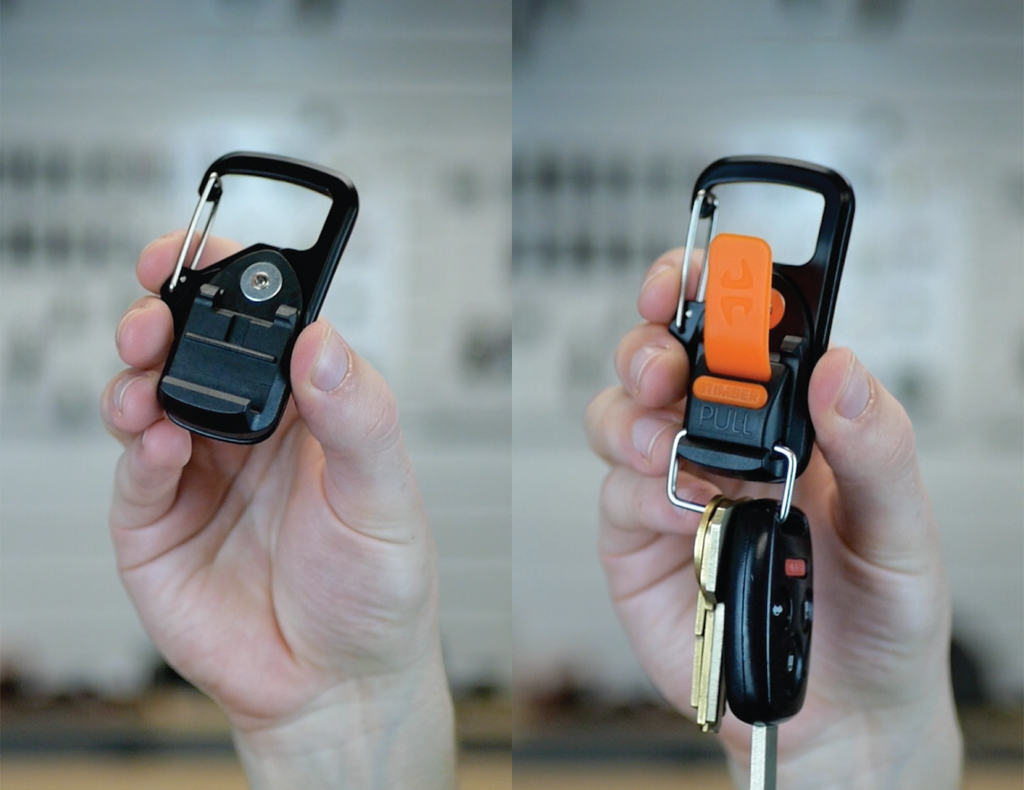
A snap hook features a curved or enclosed body with a movable gate that opens to accept an attachment point. Most designs use a spring mechanism that returns the gate to its closed position when the user releases pressure. This construction allows users to make quick connections without additional tools.
The gate mechanism distinguishes snap hooks from traditional fixed hooks because users can attach or release components without permanently altering the connection. Different gate configurations affect how users operate the hook, while opening dimensions determine compatibility with rings or loops. Manufacturers should match these measurements to the intended attachment point to avoid restricted movement.
Different Snap Hook Materials Support Specific Applications
Material selection influences how snap hooks perform under different environmental conditions. Manufacturers commonly choose metal or plastic components according to their product requirements, with each material offering distinct characteristics that affect weight and durability.
Metal snap hooks suit applications that demand greater mechanical strength or resistance to repeated wear. Stainless steel provides corrosion resistance for products exposed to moisture, while certain zinc alloys accommodate detailed shapes through die casting. Surface finishes may offer additional protection or complement the product’s appearance.
Plastic snap hooks provide a lightweight alternative for applications that do not require the strength of metal hardware. Manufacturers frequently use engineered plastics to create compact components, although performance depends on the specific resin and operating environment. Product teams should review material specifications before choosing hardware for demanding conditions.

Swivel Snap Hooks Reduce Strap Twisting
Products that experience frequent changes in direction benefit from swivel snap hooks. These components feature a rotating connection between the hook body and its attachment base, allowing an attached strap or accessory to move independently of the primary connection.
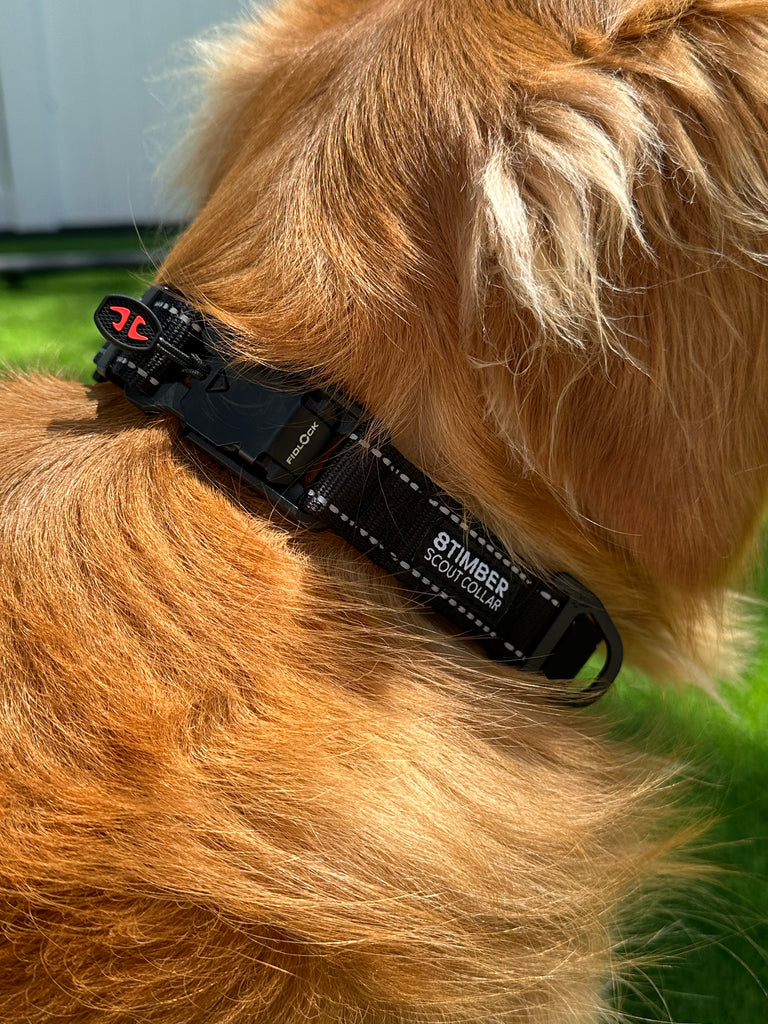
For example, a swivel connection on a pet leash allows the leash to rotate as the animal changes direction. The hook remains attached to the collar or harness ring while the swivel accommodates movement, reducing twisting during normal use.
Manufacturers can choose configurations that accommodate different strap widths and attachment styles. However, excessive friction may restrict rotation, while inadequate construction can affect connection stability. Testing the complete assembly under expected movement conditions provides a clearer picture of suitability.
Snap Hooks Support Removable Attachments in Bags and Apparel
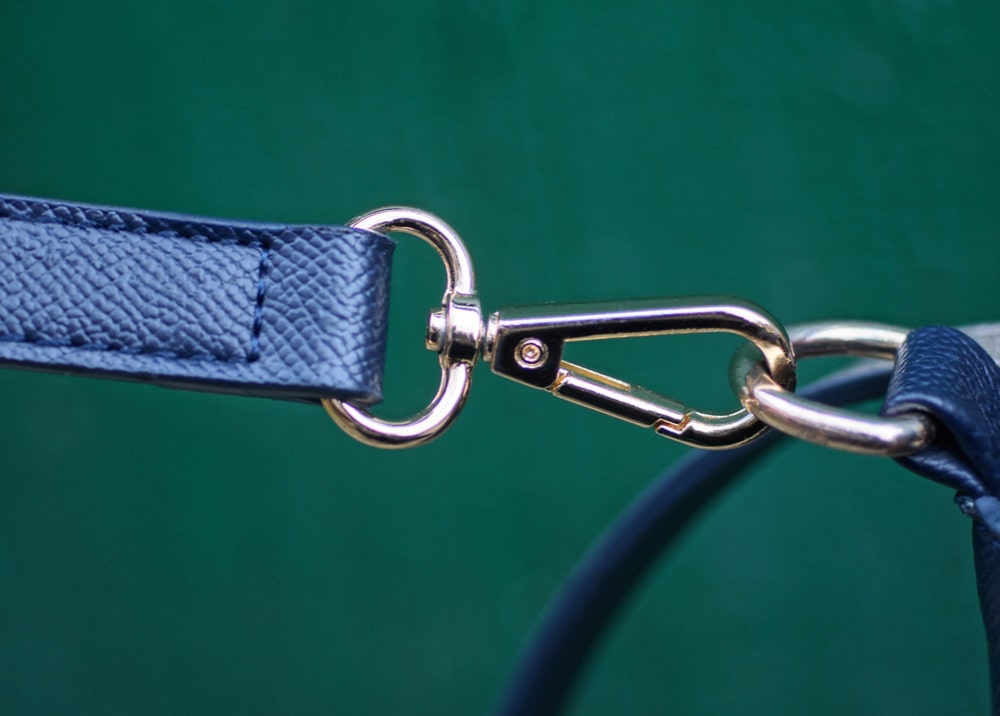
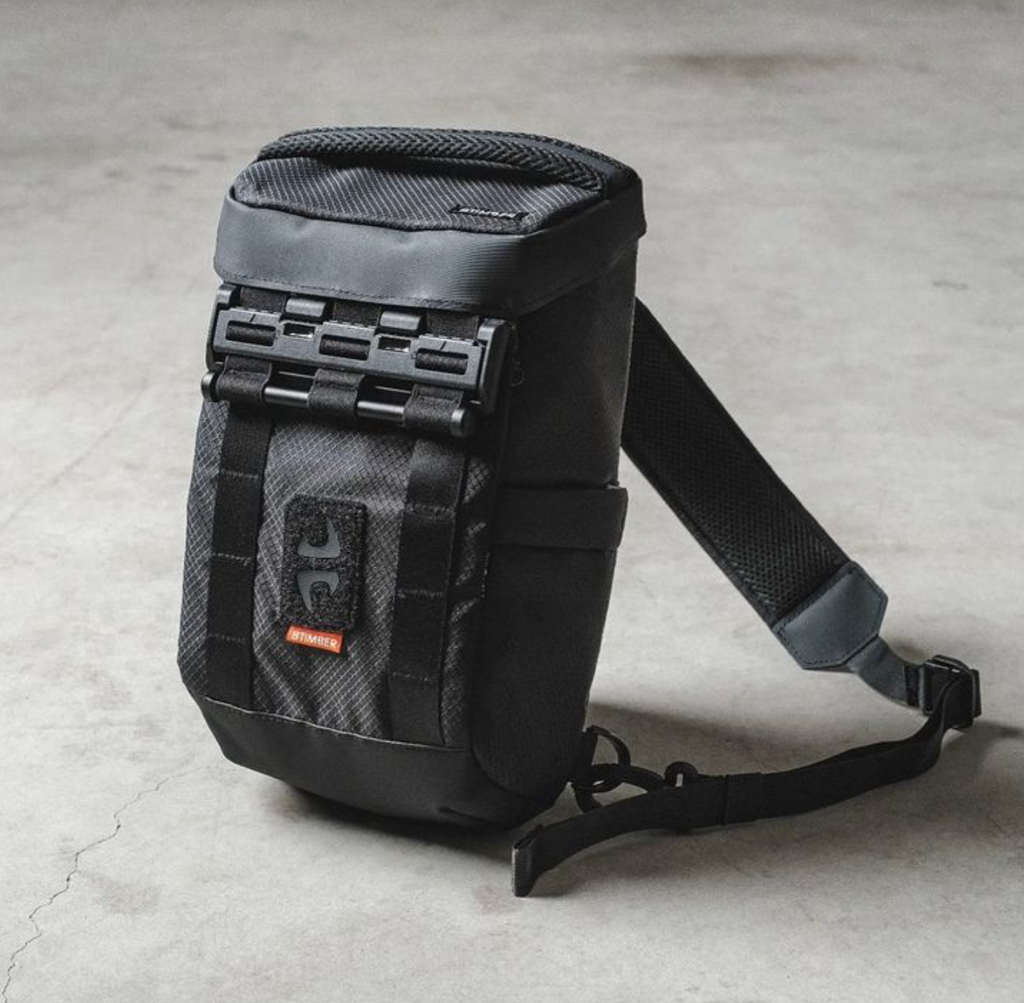
Beyond pet accessories, snap hooks provide convenient connections for bags and wearable products. Manufacturers incorporate these fasteners into detachable shoulder straps and accessory attachments, allowing users to change configurations without replacing the entire product.
A removable bag strap illustrates this functionality because users can disconnect the strap when they want to change how they carry the bag. In apparel applications, snap hooks may secure detachable accessories or connect compatible fabric loops, with compact dimensions and smooth surfaces reducing interference with surrounding materials.
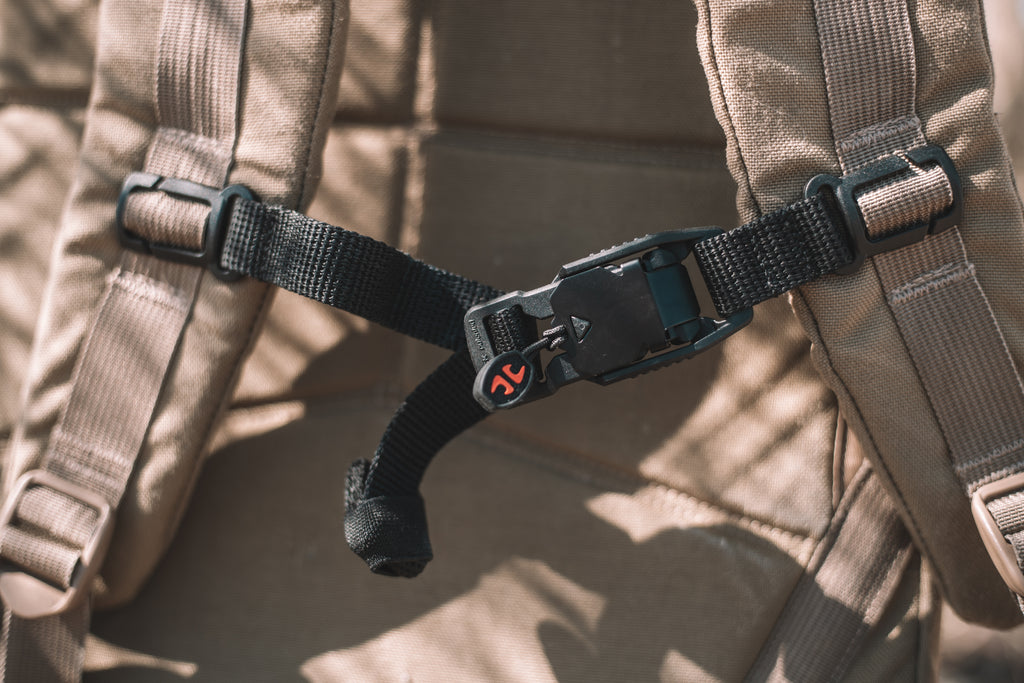
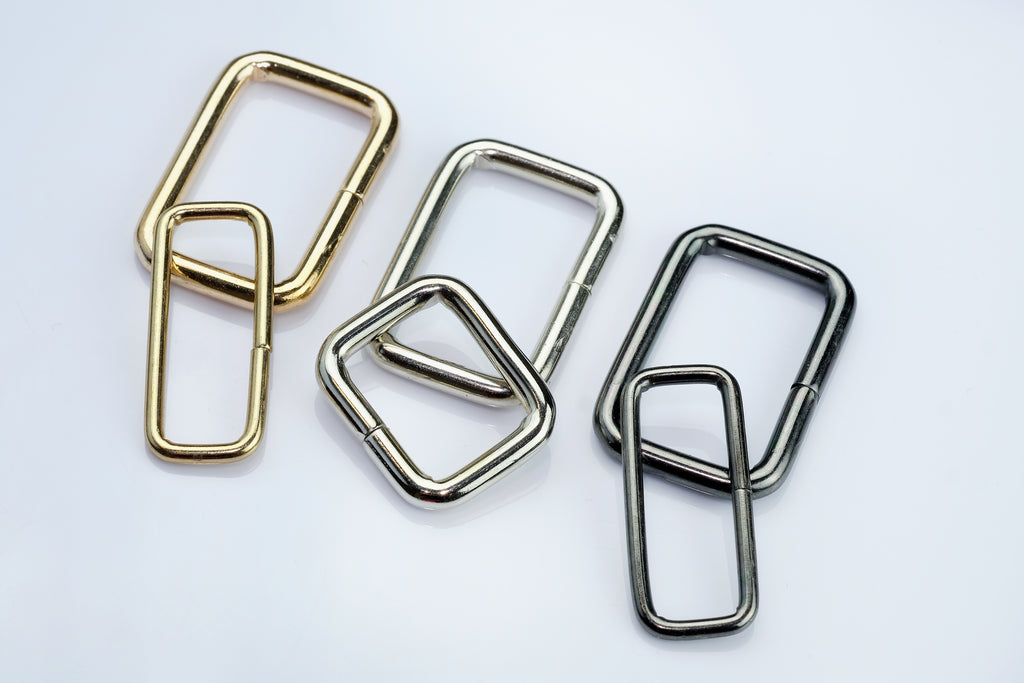
Compatibility with other strap hardware also matters during product development. Webbing width, ring dimensions, and attachment orientation influence how the assembled components function together. Manufacturers should evaluate how the hook sits against the finished product to prevent awkward positioning or unnecessary contact with surrounding fabric.
Industrial Applications Require Careful Load and Safety Evaluation
Industrial products often expose fastening components to demanding operating conditions. Snap hooks may appear in equipment covers or tool accessories where workers need accessible connections, although not every design suits load-bearing applications.
A component intended for an accessory strap should never serve as a substitute for certified lifting or fall-protection hardware. Manufacturers must identify applicable performance requirements and review component specifications before selecting hardware for industrial equipment.
Product testing should reflect the actual forces the finished assembly may experience, including repeated movement or sudden impacts. For safety-related equipment, manufacturers must conduct their own testing and verify compliance with applicable standards.

Snap Hook Dimensions Determine Compatibility With Other Parts
A snap hook may offer suitable material properties yet create assembly problems when its dimensions do not match neighboring components. Manufacturers should examine the complete connection rather than evaluating the hook independently.
The attachment opening must accommodate the intended ring or anchor point, while the strap attachment area must match the webbing or cord configuration. Hook length also affects how the finished assembly hangs or moves, particularly in compact product designs.
Requesting dimensional drawings or physical samples allows product teams to identify potential fit issues before committing to larger production quantities. This evaluation becomes especially important when replacing existing hardware or incorporating snap hooks into established designs.
Custom Sourcing Gives Manufacturers More Component Options
Standard snap hooks accommodate many common applications, but specialized products sometimes require specific dimensions or finishes. Custom sourcing allows manufacturers to explore components that better align with their design requirements.
A manufacturer may need a particular gate configuration to accommodate an existing attachment system, while another product might require a finish that matches surrounding hardware. Sourcing partners can assist with identifying available configurations and evaluating alternatives.
Lead times and minimum order quantities may vary according to component availability and customization requirements. Discussing these details early allows businesses to make informed sourcing decisions before establishing production schedules.
Find the Right Snap Hook Components
Explaining the essential uses and applications of snap hooks demonstrates why manufacturers must consider more than basic fastening functionality when choosing hardware. Material selection, attachment compatibility, and operating requirements influence how each component performs within a finished product.
At A+ Products, we work with businesses across industries to source fastening components that match their product needs. With more than 30 years of industry experience, we understand the importance of finding compatible hardware for standard applications and specialized projects.
Our team can assist with component sourcing inquiries and explore available options based on your specifications. Contact A+ Products to discuss your snap hook requirements and find suitable fastening components for your next project.