




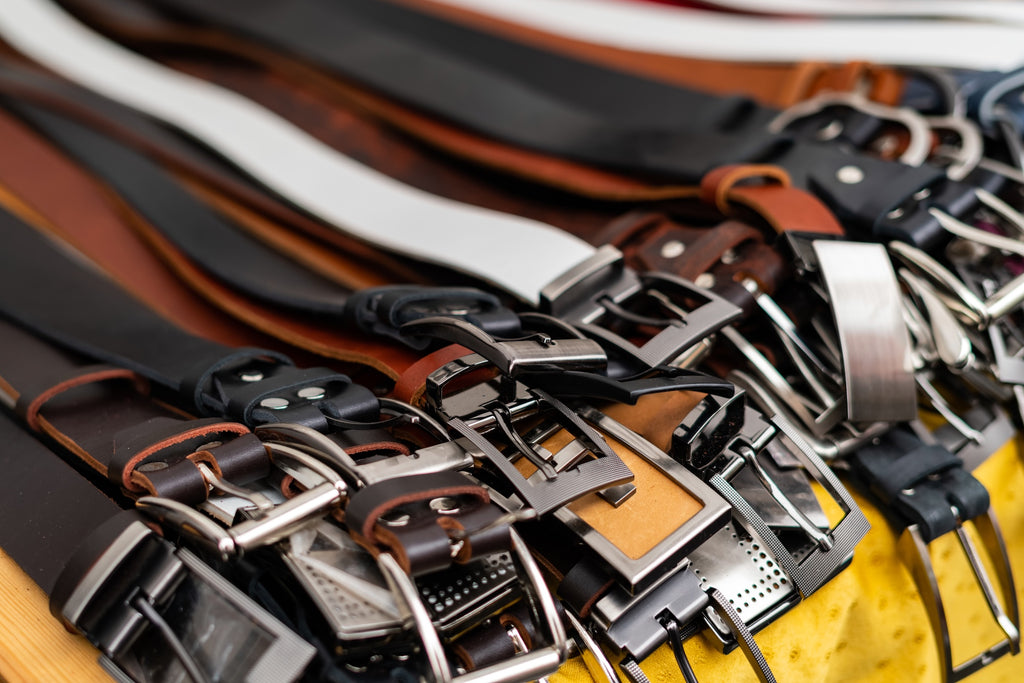


When choosing the right buckle for your gear, bag, or belt, the decision often comes down to one question: plastic or metal? Both types have their strengths and weaknesses, so knowing when to choose plastic or metal buckles makes a big difference in comfort, durability, and overall performance. To make your decision easier, we’ve detailed the key things you should know about each option.
Plastic Buckles
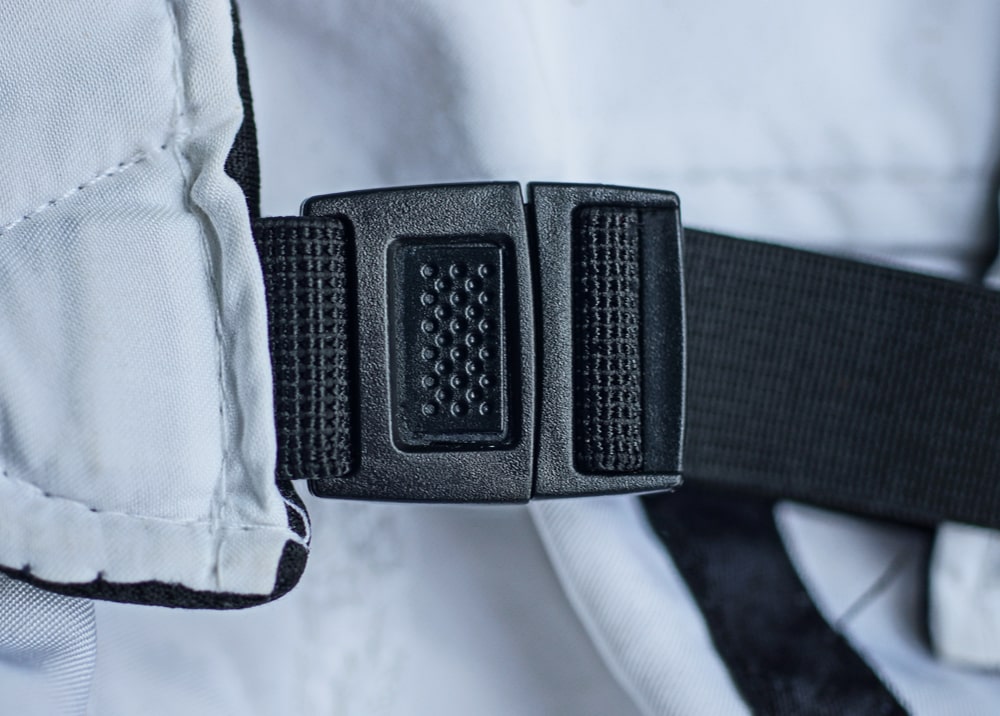
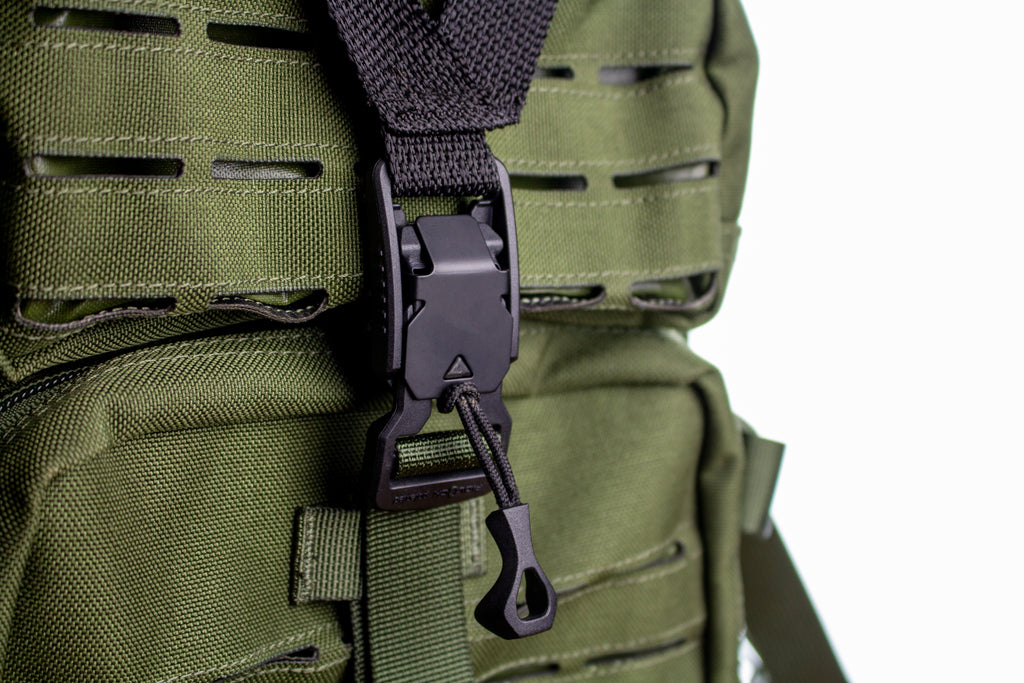
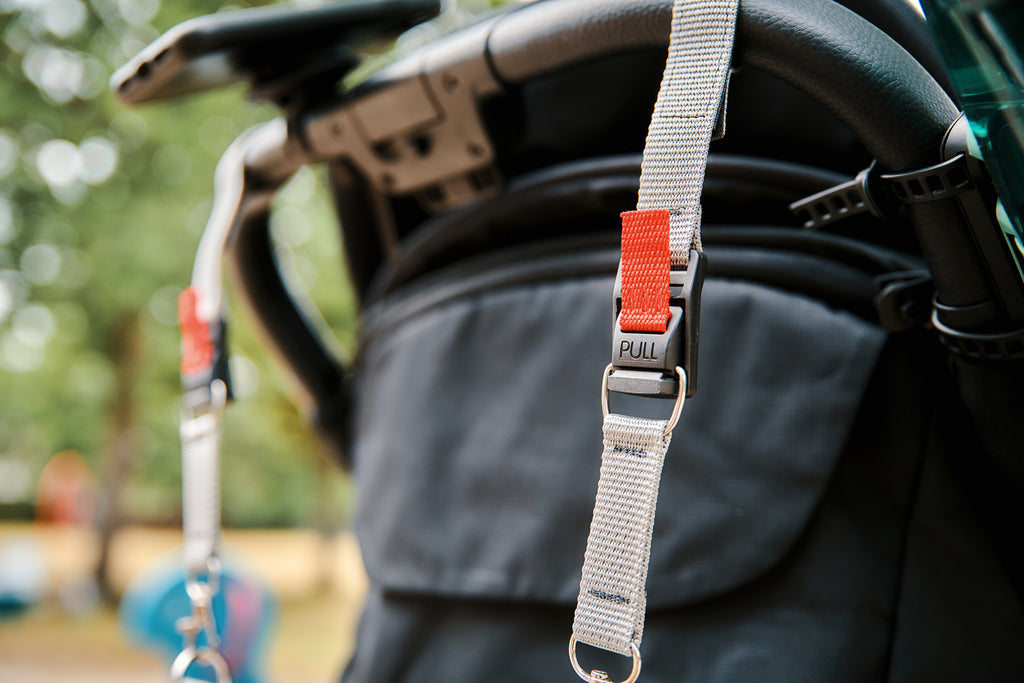
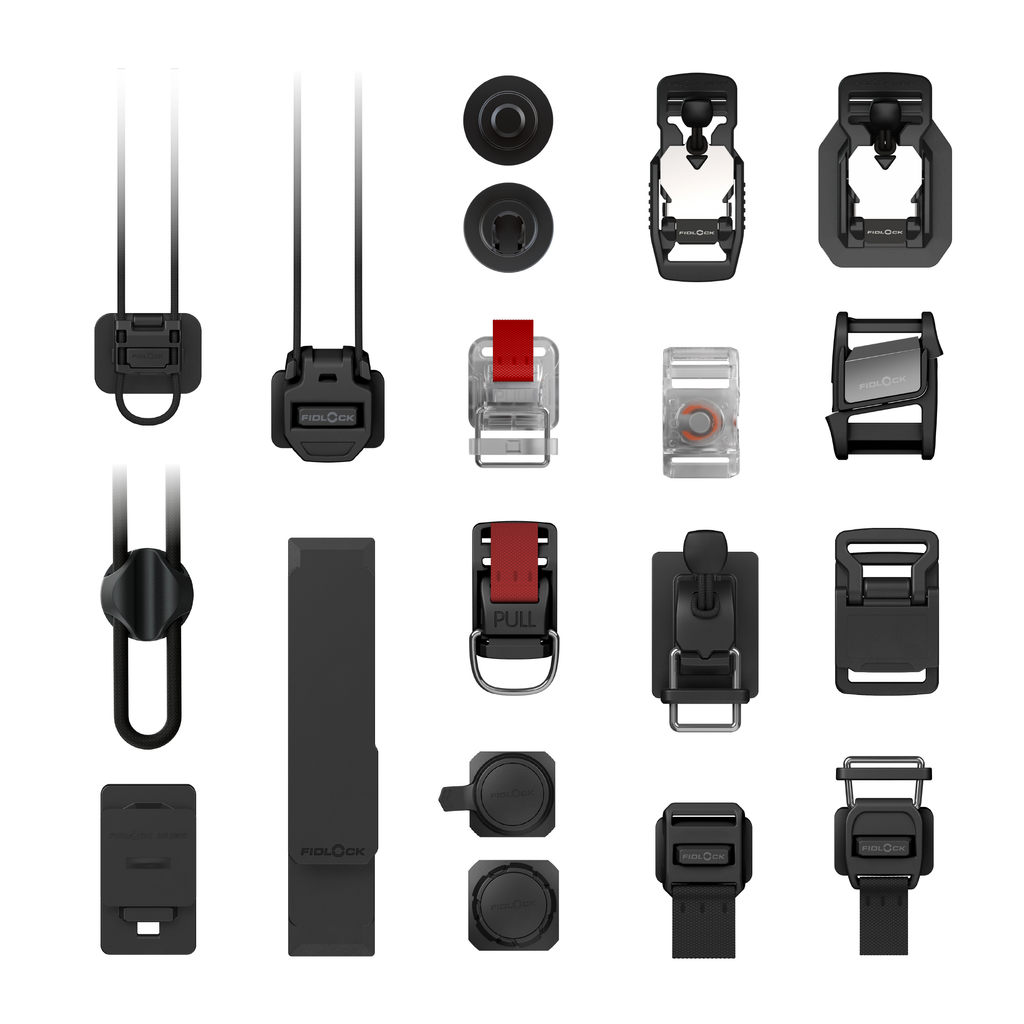
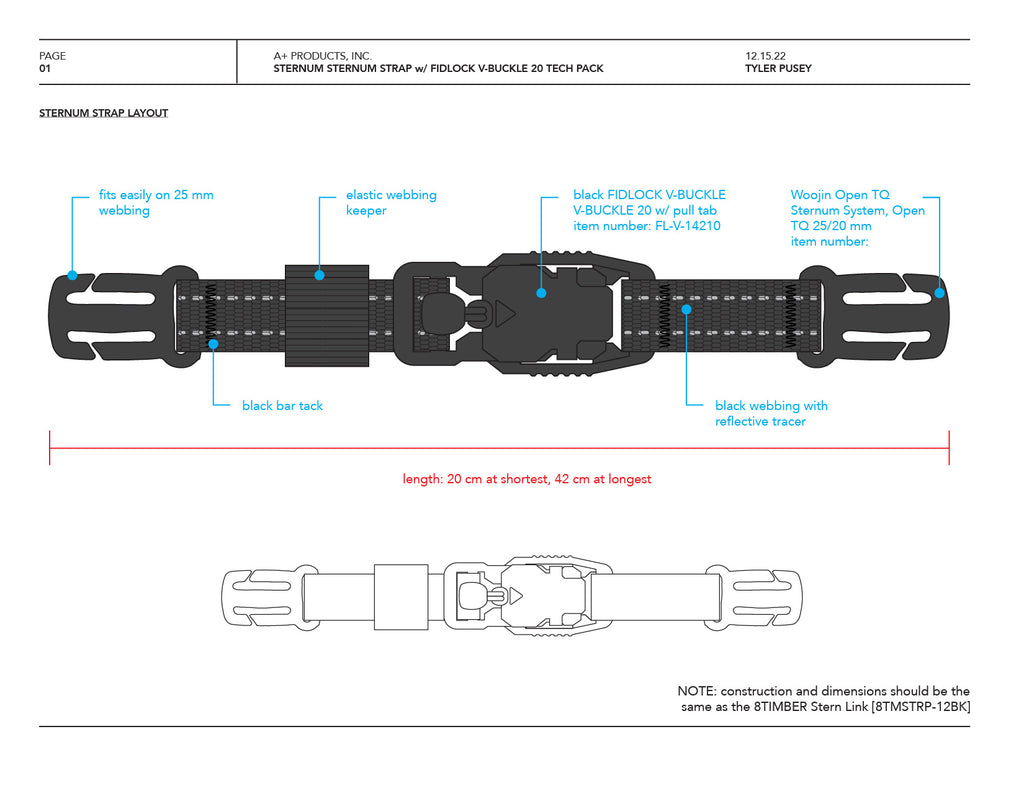
Plastic buckles rely on molded engineering resins to provide fast, reliable closures while keeping weight low. Acetal (POM) is often chosen for its stiffness, low friction, and minimal moisture absorption, while nylon offers impact toughness and improved abrasion resistance. These materials support a wide variety of buckle types, including side-release and center-release styles, ladder locks, tri-glides, cams, and specialty safety buckles.
Designers can select from many shapes, widths, and load ratings to suit different applications, and color options allow for branding or size coding. Textured surfaces enhance grip for gloves or wet hands, and many models integrate adjusters so a single component manages both closure and strap control.
Ideal Uses
Some of the most common uses for plastic buckles include the following:
- • Every day, backpacks and school bags that benefit from low weight
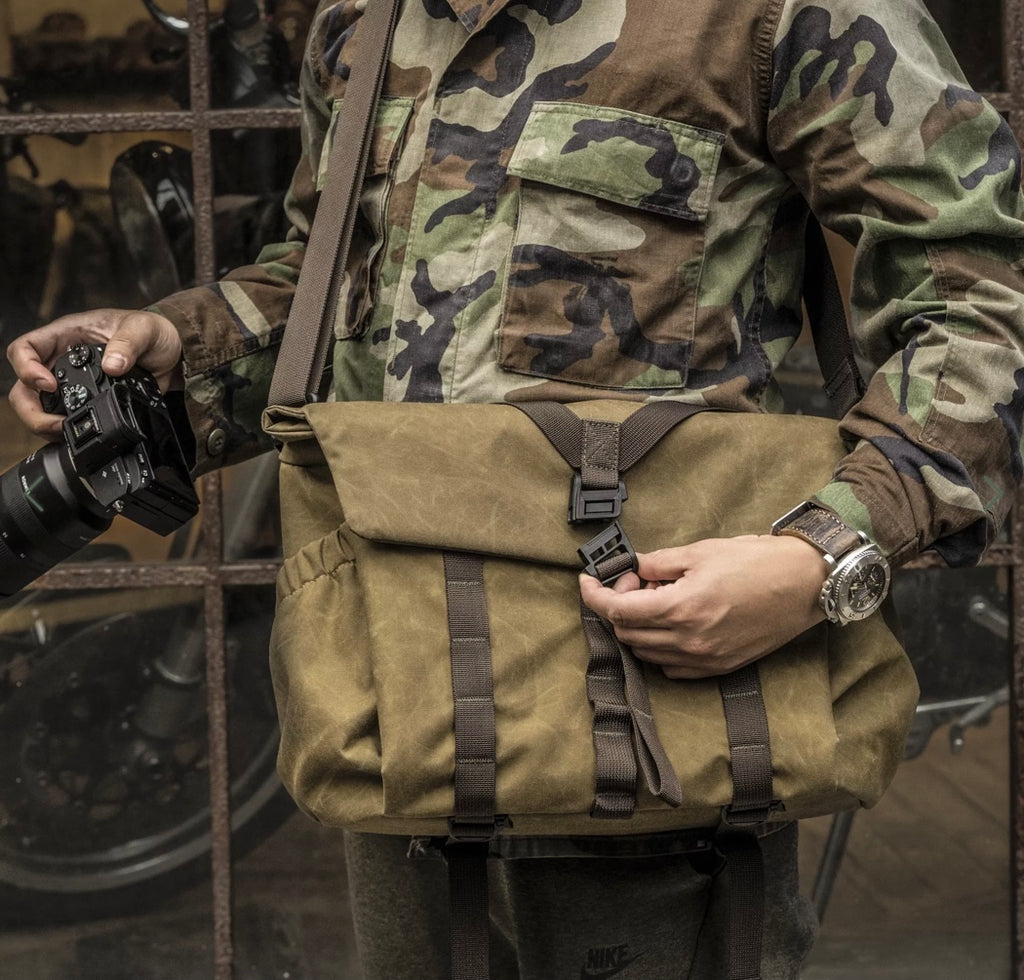
- • Travel gear and soft luggage where quick adjustments are essential
- • Outdoor equipment like tents, sleeping bags, hydration straps, and stuff sacks
- • Pet gear and kids’ products that call for lighter hardware and smoother edges
Shop for Quality
A+ Products sells wholesale plastic buckles in a variety of styles, sizes, and colors to suit backpacks, outdoor gear, pet products, and more.
Advantages
Plastic buckles reduce carry weight while still delivering dependable everyday performance. Acetal and nylon resist water and many chemicals, which helps them hold up in rain, humidity, and frequent outdoor use. Designers and manufacturers also benefit from broad color options, lower material costs, and the ability to combine closure and adjustment functions into compact components.
Beyond weight and cost benefits, material behavior under load adds another advantage. Many plastic buckles flex and rebound rather than permanently deform, which limits burr formation and protects straps and surrounding fabrics. A wide range of widths, profiles, and surface textures also helps designers align appearance and function across an entire product line.
Disadvantages
Extreme conditions expose the limits of plastic hardware. Prolonged cold can make some plastics brittle, especially when temperatures are below freezing, while heavy shock loads or crushing forces may crack or shatter the buckle body. Grit, UV exposure, and frequent adjustments accelerate wear at moving interfaces compared to metal hardware.
Elevated temperatures create additional challenges. Repeated exposure to a resin’s heat limits gradually degrades strength and reliability. Additionally, industrial, tactical, and life-safety applications often require higher strength reserves and durability than typical plastic closures can provide.

Metal Buckles
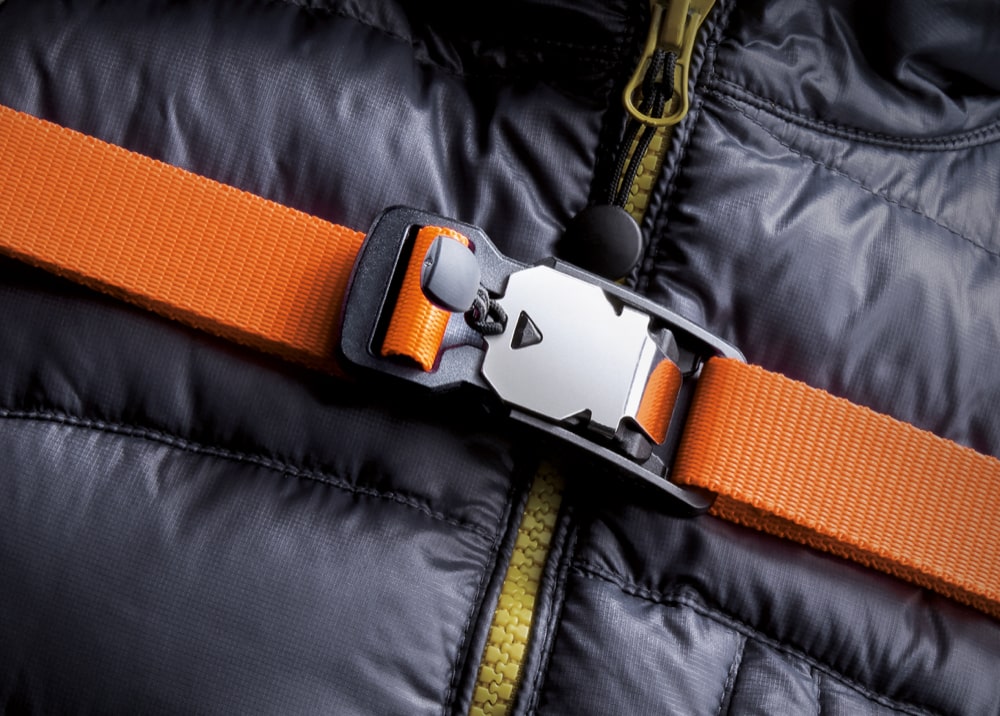
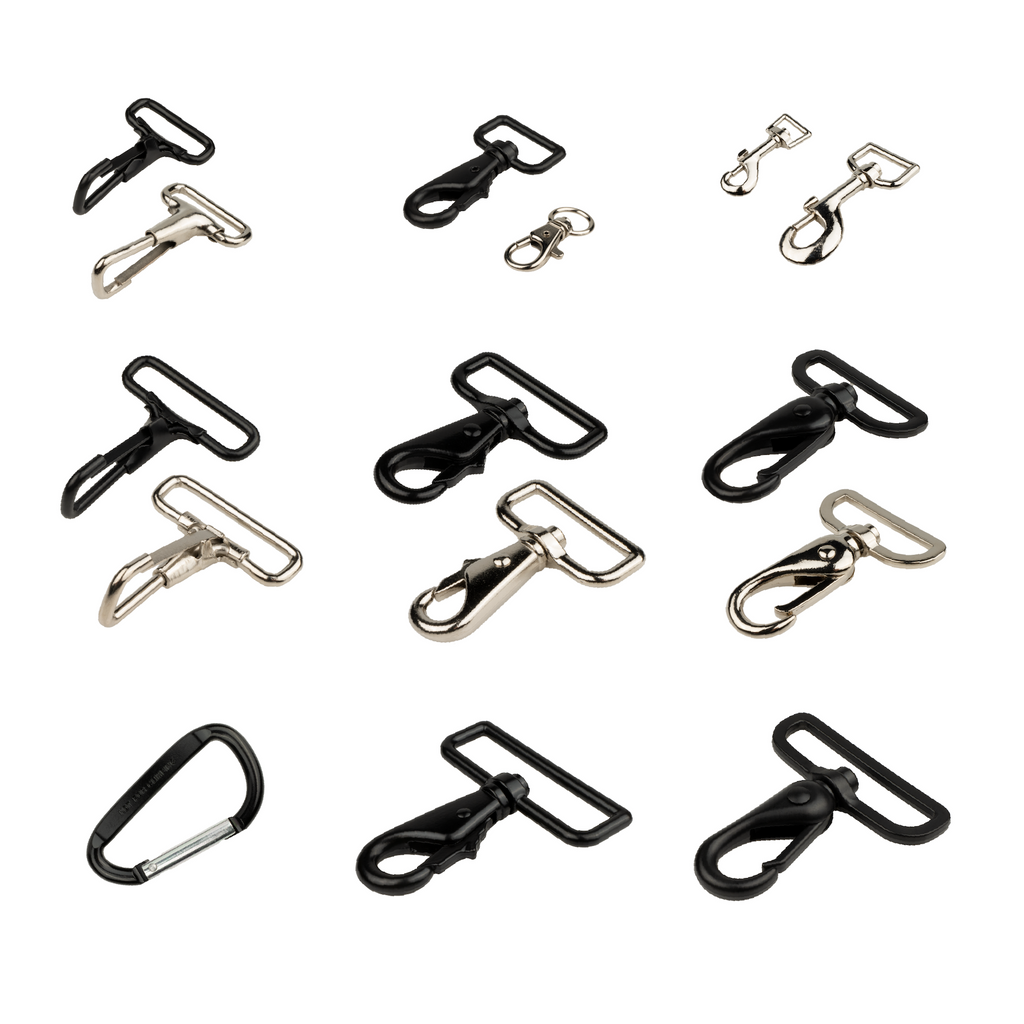
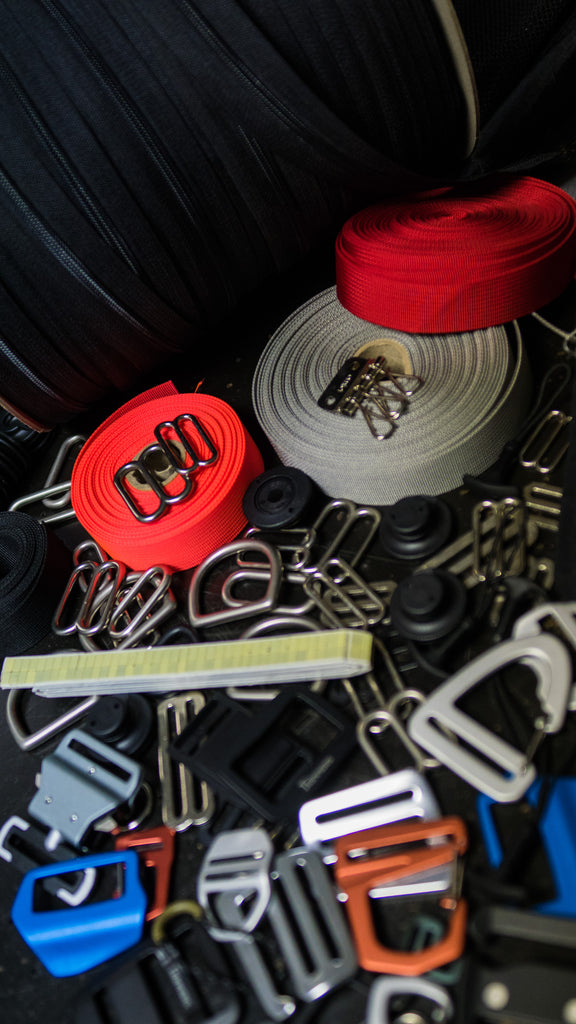
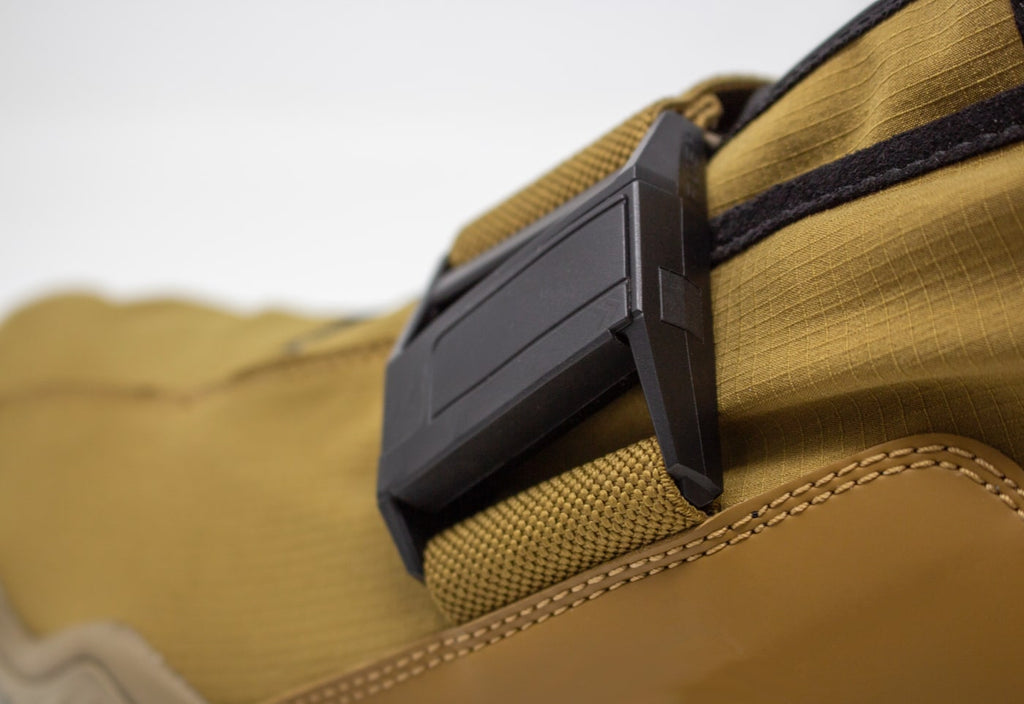
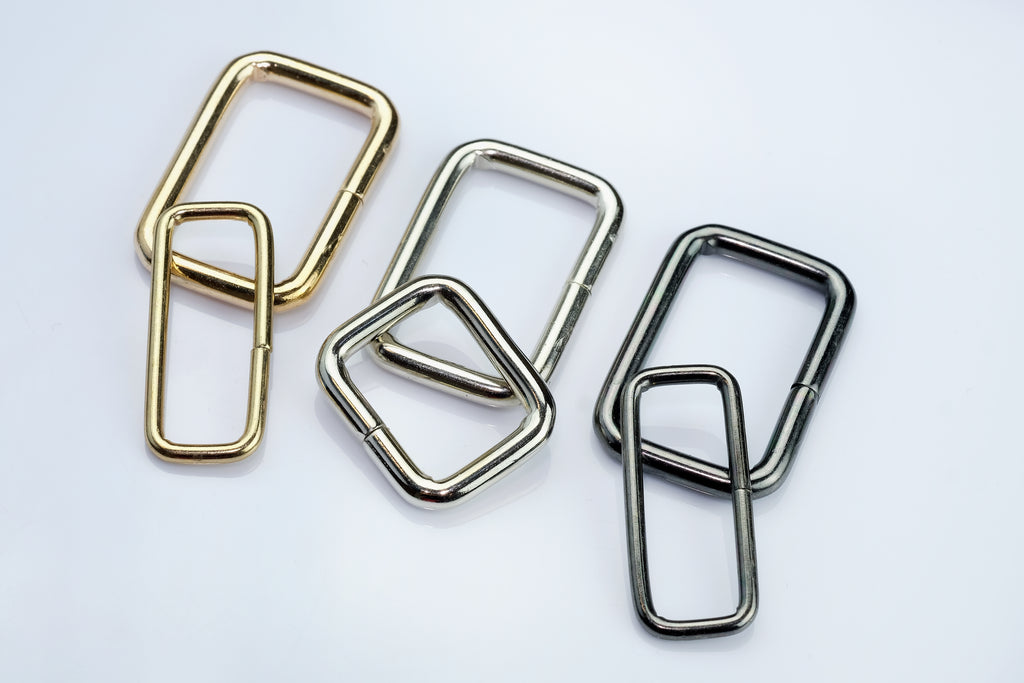
Metal buckles use materials such as stainless steel, aluminum, and brass to deliver strength and a long service life, with each option supporting different performance goals. Stainless steel stands out for corrosion resistance in wet or harsh environments, while brass combines durability with a classic appearance that suits leather goods. Aluminum bridges the gap by reducing weight without sacrificing the strength needed for many demanding applications.
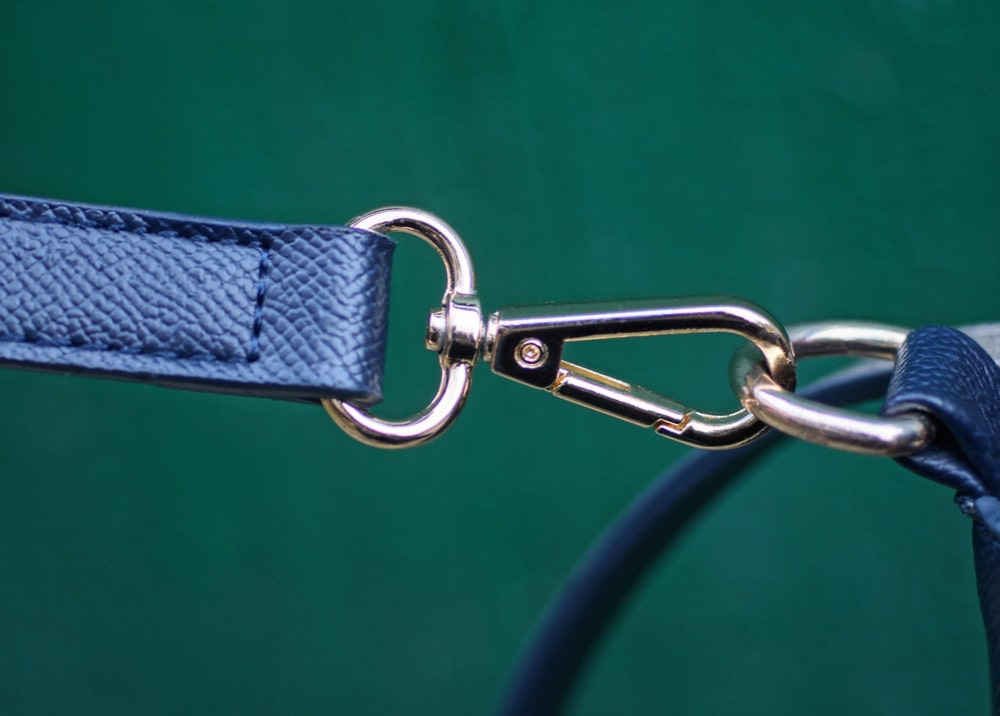
Moreover, frame-style buckles with tongues or rollers, double D-rings, snap hooks, and alloy cam buckles all appear across industrial, outdoor, and premium products. Manufacturers finish these components in polished or matte textures and apply protective coatings to improve corrosion resistance or add color, allowing designers to balance function, durability, and appearance in a single item.
Ideal Uses
Some of the most common uses for metal buckles include the following:
- • Heavy-duty packs, tactical rigs, and rescue or climbing systems that require strength
- • Belts, leather straps, and premium soft goods, where hardware elevates the look
- • Industrial and outdoor equipment that sees abrasion, heat, or heavy cyclic loading
- • Applications where long service intervals and high reliability matter
Advantages
Metal buckles withstand higher loads without creeping or deforming, making them reliable under sustained tension. Steel and aluminum withstand heat, freezing conditions, and abrasive environments while maintaining consistent performance. Moreover, when designs include rollers or beveled edges, webbing feeds more smoothly, reducing long-term strap wear.
Beyond performance, metal hardware adds a distinct visual and tactile quality. The weight and finish support premium soft goods, leather, and workwear. For example, stainless steel resists rust in salt or humidity, while anodized aluminum provides durable color with improved scratch resistance.
Disadvantages
As with every buckle option, there are a few trade-offs to choosing metal buckles. Added weight matters on long carries, and material selection becomes critical in wet or chemically aggressive environments. Bare carbon steel corrodes easily, and even stainless grades require careful specification when salts or chemicals are present. Poorly finished edges can also scratch or scuff soft textiles unless the design incorporates rounded profiles or rollers.
Cost can be another disadvantage to metal buckles, specifically if you have a tight budget. Metal buckles typically cost more than plastic buckles, and not every product requires their full strength. While the higher price delivers durability and longevity, cost-sensitive programs often limit metal hardware to primary load paths and rely on plastic elsewhere to control overall expense.

Which Is Best
Deciding whether you should choose plastic or metal buckles comes down to your needs. Both metal and plastic buckles have established roles in manufacturing, offering distinct benefits and trade-offs. Below, we’ve detailed the top things to consider when selecting your material.
Consider the Purpose
The first step in choosing between plastic and metal buckles is to consider the end application. For light-duty products like backpacks, pet collars, and everyday apparel, plastic buckles balance cost, weight, and functionality well. Their resistance to corrosion and a wide range of finishes make them popular for outdoor and marine uses.
In contrast, applications that demand superior strength and abrasion resistance—such as military, tactical, industrial, or safety-critical equipment—typically require metal buckles. The increased load capacity, durability, and reliability of metal are essential where breakage is not acceptable.
Pro Tip
Always test your product(s) with the buckle(s) you buy, especially for tactical and safety gear, since a buckle cannot ensure safety.
Know Your Budget
Performance matters, but budget always shapes product decisions. Plastic buckles cost less, support high-volume production, and fit short-life-cycle products or price-driven programs. Molded plastic also supports efficient manufacturing and flexible design changes.
Keep in mind that metal buckles may require a higher upfront investment, but they deliver greater value through durability and a longer service life. Always weigh the cost against expected lifespan, performance demands, and your target market.
Assess Environmental Conditions
Both plastic and metal respond differently to environmental exposure. Evaluate how each material performs over time when exposed to UV light, saltwater, chemicals, or temperature extremes. Certain plastics may weaken or degrade under sunlight or chemical exposure, while metals require proper selection and finishing to reduce the risk of corrosion. Understanding the operating environment prioritizes reliability and minimizes the risk of future warranty or service complications.
Partner with A+ Products
A+ Products supplies a wide range of plastic and metal hardware, fasteners, and components for manufacturers and designers across many industries. We have more than 30 years of experience and maintain distribution facilities in the United States, Canada, and México to support quick fulfillment and sampling.