
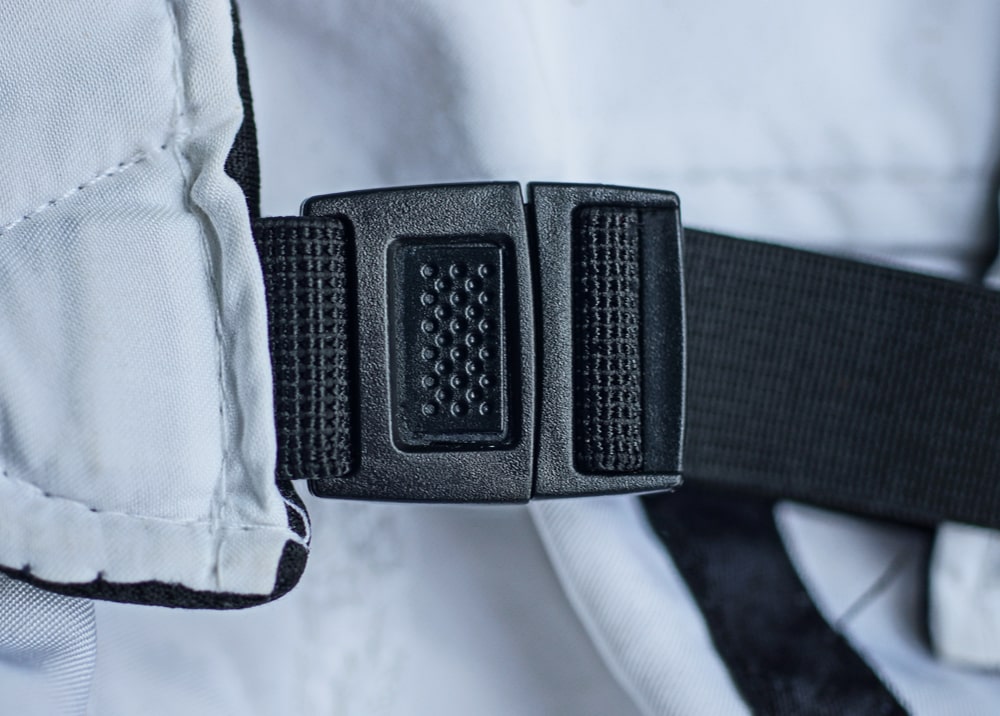
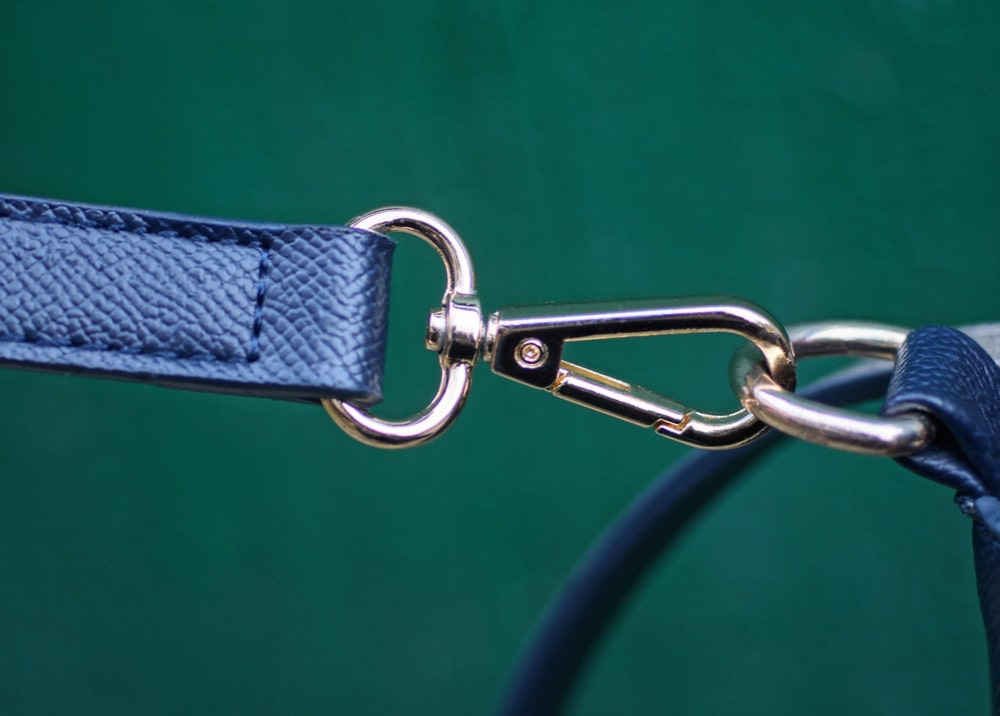
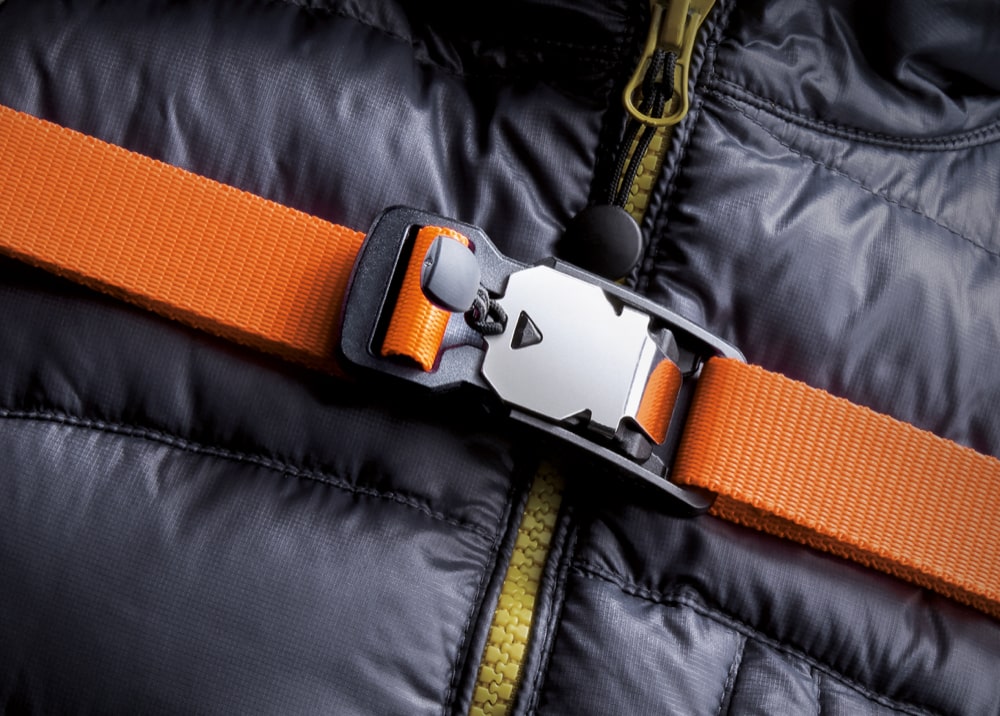

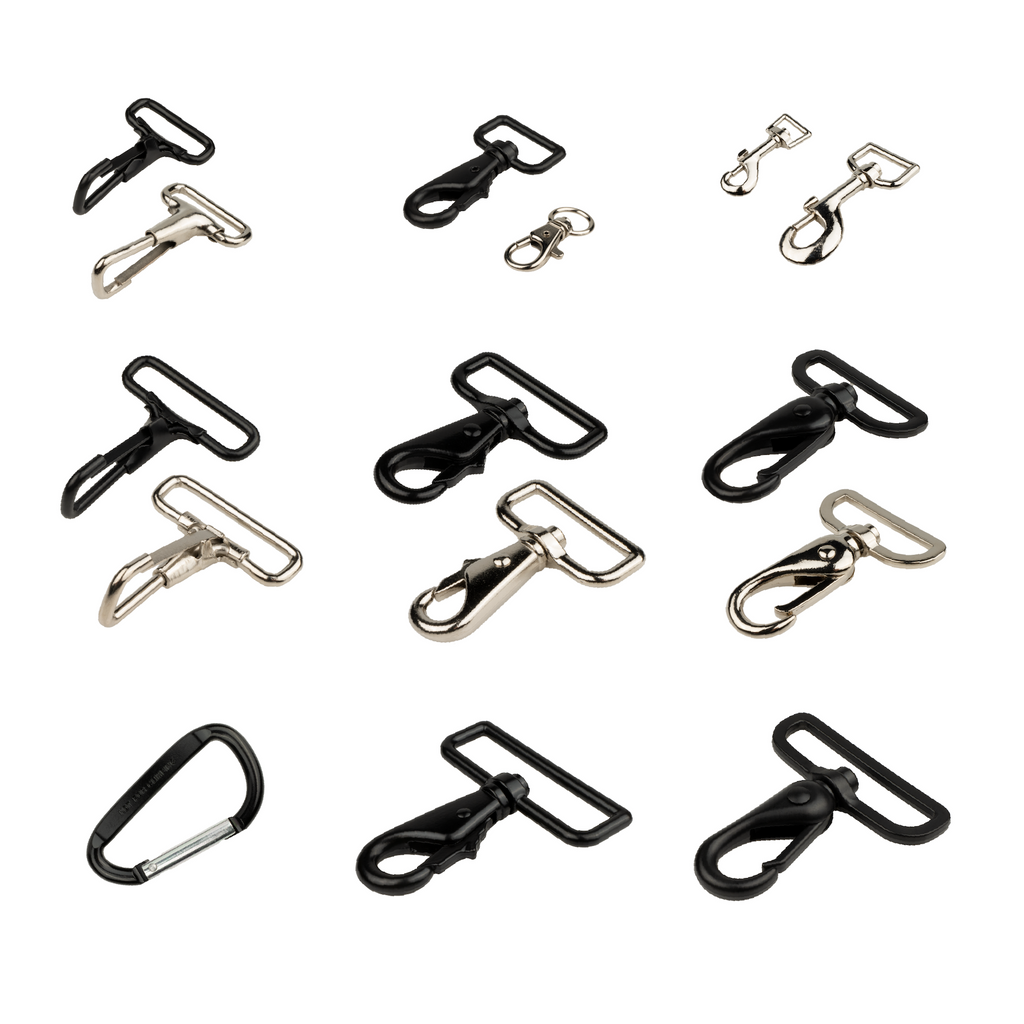
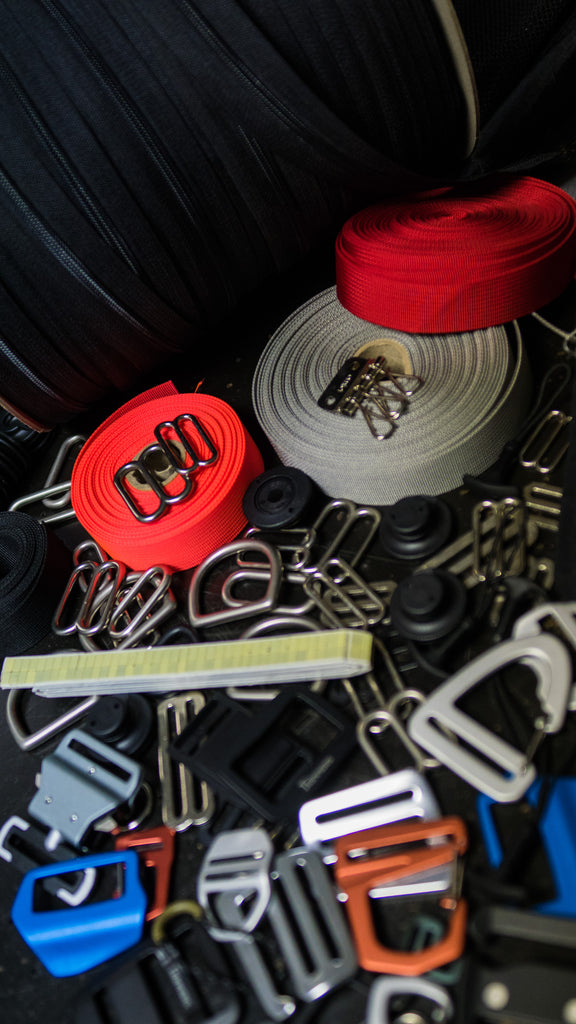
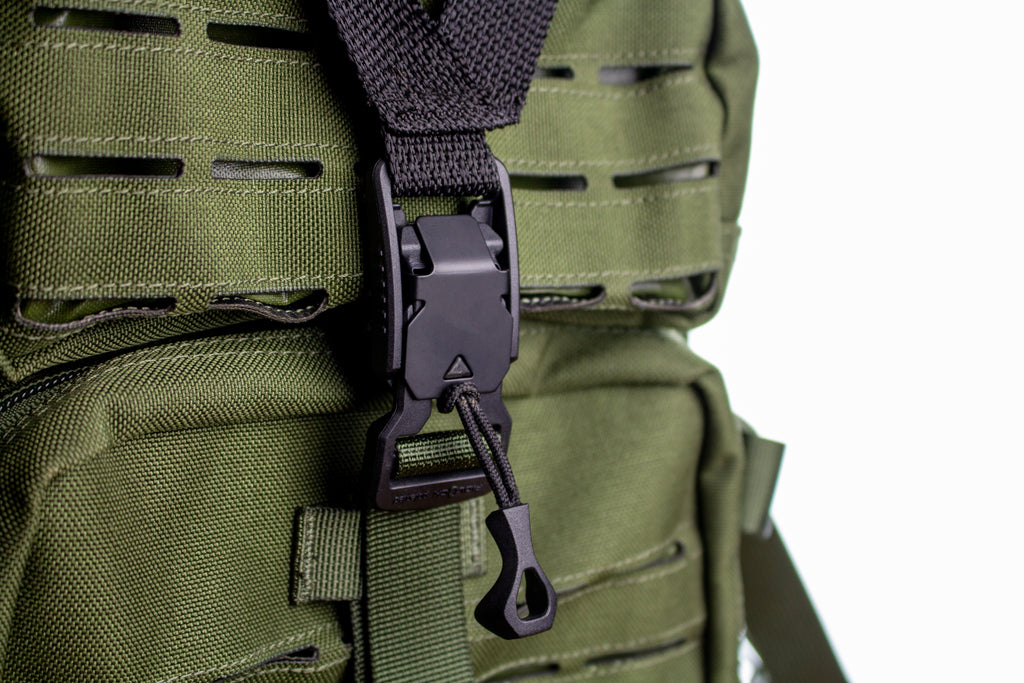

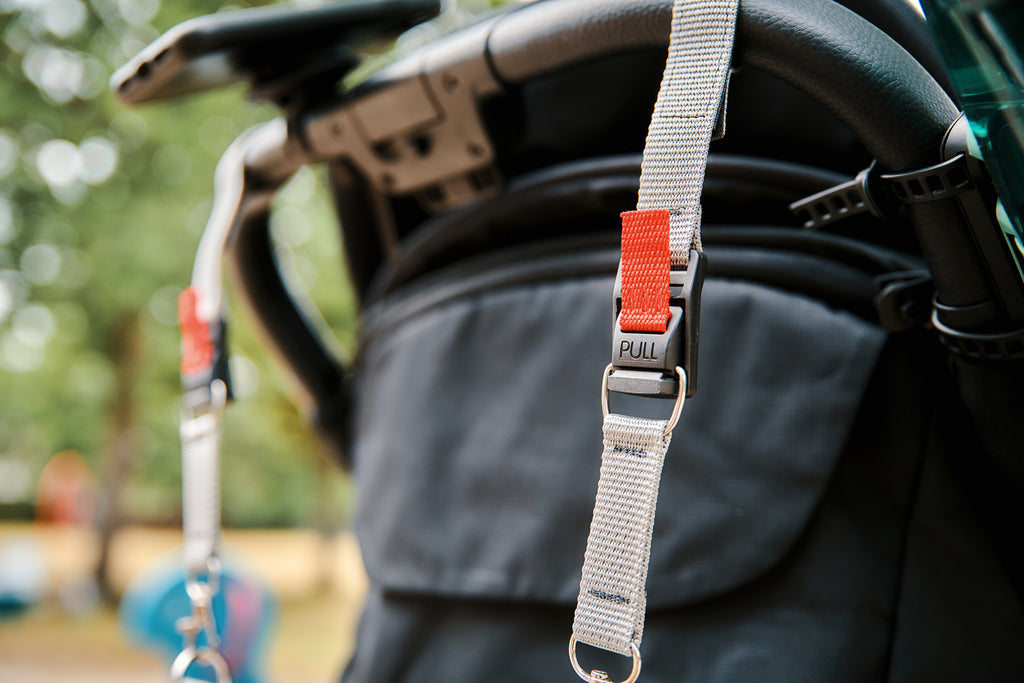
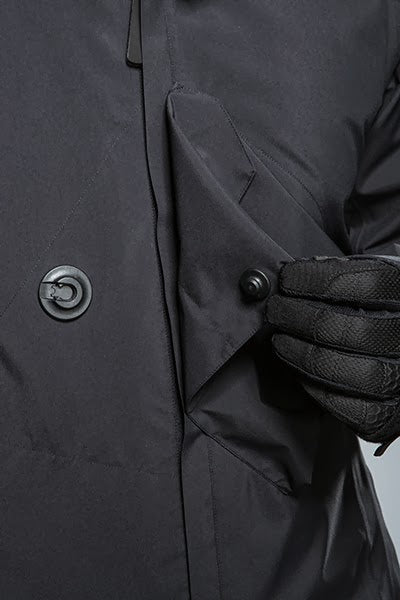







Manufacturers face constant pressure to control costs, improve durability, and streamline production. Fastener selection directly affects each of those goals. A poorly matched component can increase warranty claims, slow assembly, or reduce product lifespan. Get expert tips on choosing the right fastener for your product so you can make more informed design decisions and avoid preventable revisions during production.
Define Functional Demands First
Every fastening decision should begin with a purpose. Some components must carry structural loads and maintain consistent tension, while others manage adjustment, retention, or controlled release. A load-bearing tactical strap demands strength and stability under stress; on the other hand, a decorative closure on a consumer item prioritizes ease of use and appearance over maximum load capacity.
Once you define the function, connect that role to measurable performance requirements. Determine whether the fastener must resist constant tension, accommodate shifting loads, or allow rapid disengagement. Clarify whether the mechanism needs to lock securely in place or permit frequent micro-adjustments without slipping.
Frequency of Use Matters
Products that undergo high-cycle operation repeatedly subject pivots, teeth, and locking surfaces to stress. Those applications require greater fatigue resistance and more durable engagement features than those of occasional-use designs.

Evaluate Load and Stress Points
Load analysis should guide every fastener decision. Identify the maximum static load the product must support and measure the dynamic forces generated during movement. Dynamic stress often exceeds static load due to impacts or sudden changes in tension.
Review tensile forces along the direction of pull and shear forces across anchor points. Assess how stitching, rivets, or molded housings distribute stress across the assembly. Concentrated force at narrow contact points can cause cracking, distortion, or material fatigue.
Cycle testing plays a critical role in adjustable systems. Teeth, pivots, and locking features experience wear with each use. Products that support weight or secure equipment require controlled pull testing under realistic conditions. Manufacturers must validate load performance within their own assemblies before finalizing production.
Evaluate Load, Wear, and Validation Requirements
Fastener selection depends on a clear understanding of the forces the component must withstand. Define the maximum static load, then account for dynamic forces created by movement, impact, or shifting tension. In active or load-bearing applications, dynamic stress often exceeds steady weight alone.
Repeated use introduces additional risk. Adjustable systems subject pivots, teeth, springs, and locking features to ongoing friction and mechanical wear. Even minor deformation can reduce holding strength or compromise alignment over time. Products that support weight or secure equipment require controlled pull testing and cycle testing under realistic conditions.
Pro Tip
Manufacturers must verify load capacity and wear resistance within the complete assembly of their product before approving a fastener for production.
Consider User Interaction Requirements
User interaction influences fastener selection as much as structural performance. Evaluate how users will open, close, and adjust the component under real conditions, including while gloved or with limited dexterity. Determine whether the application requires one-handed operation, rapid release, or a secure locking mechanism that prevents unintended disengagement.
Adjustment control also affects long-term usability. Products that require a precise fit must maintain consistent tension without slipping during movement. Audible or tactile feedback can help confirm proper closure in high-use environments. The release and locking behavior should match the level of security and responsiveness the product demands.

Confirm Dimensional Compatibility
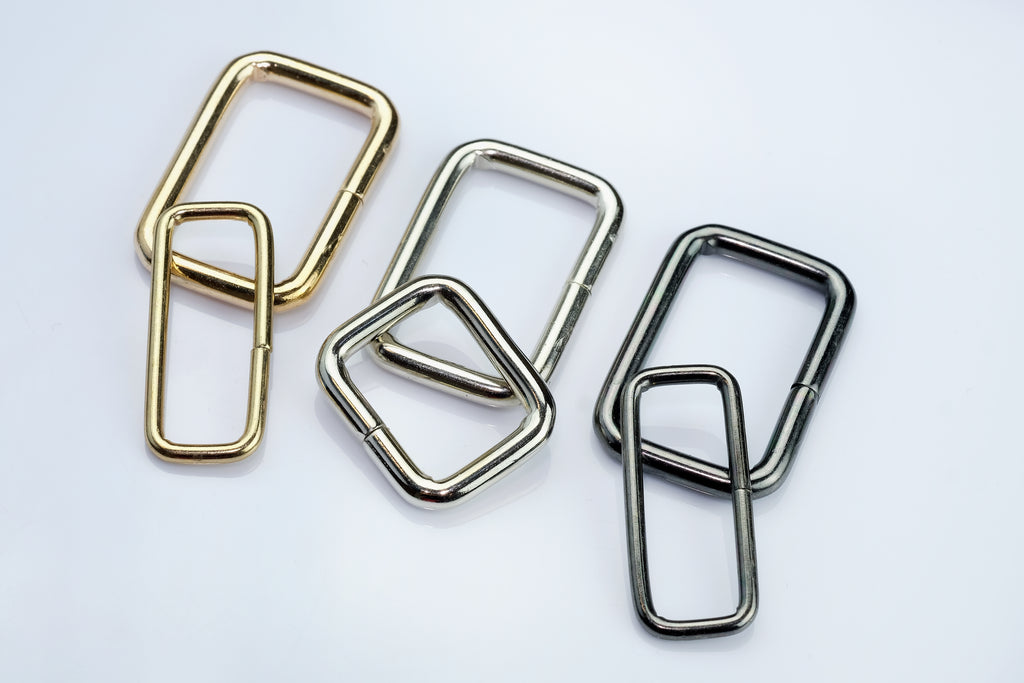
Dimensional alignment directly affects both assembly efficiency and field performance. Confirm strap width, thickness tolerance, and slot geometry before approving a component, since even minor mismatches can cause slipping, bunching, or uneven tension. Small dimensional errors often compound once the product moves into full production.
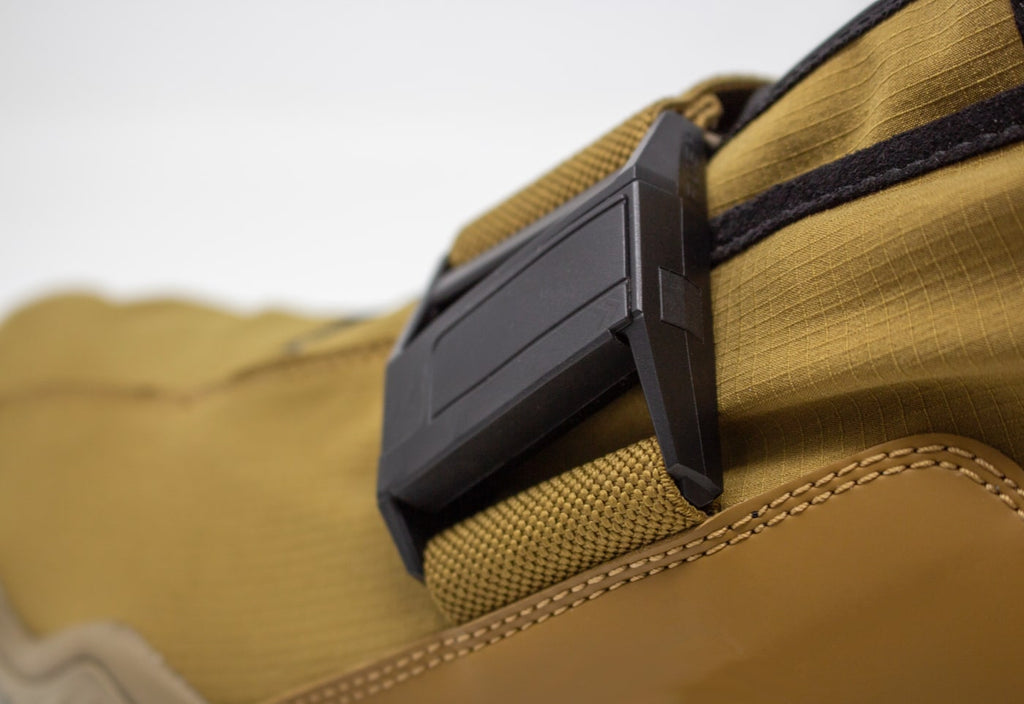
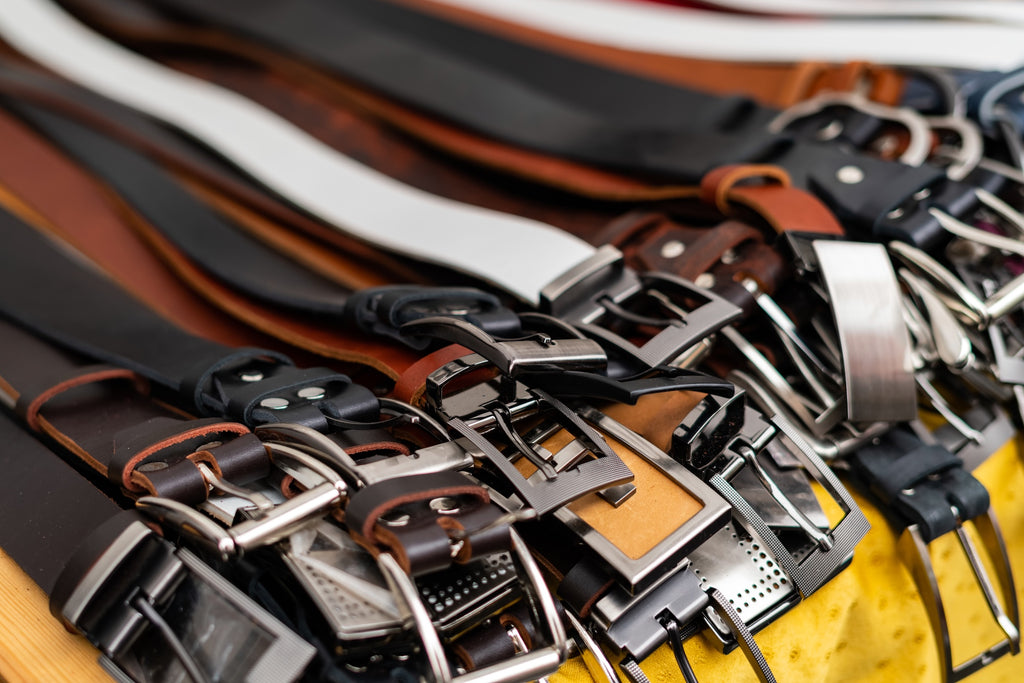
Evaluate stack height, overall profile, and integration method to ensure the fastener fits within the product’s construction. Bulk can interfere with folding, packaging, or ergonomic comfort. Designers specifying belt buckle hardware must confirm that frame dimensions, prong configuration, and strap anchoring points align with the belt’s thickness and reinforcement structure. Proper integration supports consistent tension distribution and prevents distortion at stress points.
Improve Manufacturing Efficiency
Fastener selection influences production efficiency well before full-scale manufacturing begins. A component that aligns cleanly with straps, fixtures, and tooling reduces handling time and limits operator error. Consistent tolerances also improve automation compatibility and lower the risk of rework caused by misalignment.
The assembly method directly affects labor demand. Sewn-in components increase stitching time, while modular systems can reduce touchpoints during installation. Excess component variations complicate procurement and inventory planning. Stable lead times and consistent quality help protect production schedules, which makes early coordination with a sourcing partner essential for long-term efficiency.
Cost vs. Performance Tradeoffs
When choosing the right fastener for your product, you should also compare the price to the product's value. Lower-cost components can reduce upfront costs, but they often increase long-term expenses due to failures, returns, or warranty claims. Teams should weigh lifecycle performance against procurement costs rather than focusing solely on unit price.
Moreover, overengineering creates inefficiencies of its own. Specifying a high-load metal fastener for a lightweight consumer product adds weight and cost without delivering measurable benefit. At the same time, under-specifying performance risks premature wear and reputational damage. Performance requirements should align with product positioning, durability expectations, and target margin to ensure the fastener supports both function and business objectives.
Key Selection Factors to Compare Before Finalizing a Fastener
A structured comparison process helps narrow viable options before committing to tooling or bulk orders. Reviewing measurable criteria reduces the risk of redesign and production delays. Use the following factors when evaluating candidates:
- Required load capacity under expected use
- Environmental exposure conditions
- User interaction and release mechanism
- Strap and mounting compatibility
- Assembly time within the production workflow
- Material durability relative to weight targets
- Supply consistency and projected lead times
Documenting these factors during development creates clarity across engineering, sourcing, and production teams.
Always Test Fasteners Within Your Finished Product
Suppliers provide specifications and samples, but only full-product testing confirms compatibility. Manufacturers must evaluate how the fastener interacts with fabric, reinforcement, stitching, and overall load distribution. Conduct pull and cycle testing under realistic conditions, including environmental exposure when relevant. Fastener performance depends on complete system integration, not isolated component data.
Partner with Manufacturers
Contact A+ Products to evaluate fastening solutions that align with your performance and manufacturing goals. Request samples or discuss custom sourcing to move your project forward with confidence. Early collaboration helps ensure your fastener selection supports long-term durability and production stability.