




Webbing is everywhere—from backpacks and pet collars to climbing gear and cargo straps—but not all webbing performs the same. Narrow fabrics like webbing come in many types and materials, each with unique strengths and uses. Understanding the differences can change how your gear performs. Using the wrong type can compromise safety, durability, and comfort. A belt that slips, stretches too much, or fails under load creates risk and frustration.
The right choice depends on key factors like application, material, and load rating, as well as width, stretch, environmental exposure, and more. The sections below explain the key criteria and outline how to choose the right type of webbing with clarity and confidence.
Determine the Purpose of Your Webbing
Every webbing choice starts with how you plan to use it. Different applications place very different demands on strength, stretch, feel, and durability.
- • Outdoor gear: Prioritize weather resistance, abrasion tolerance, and long-term durability
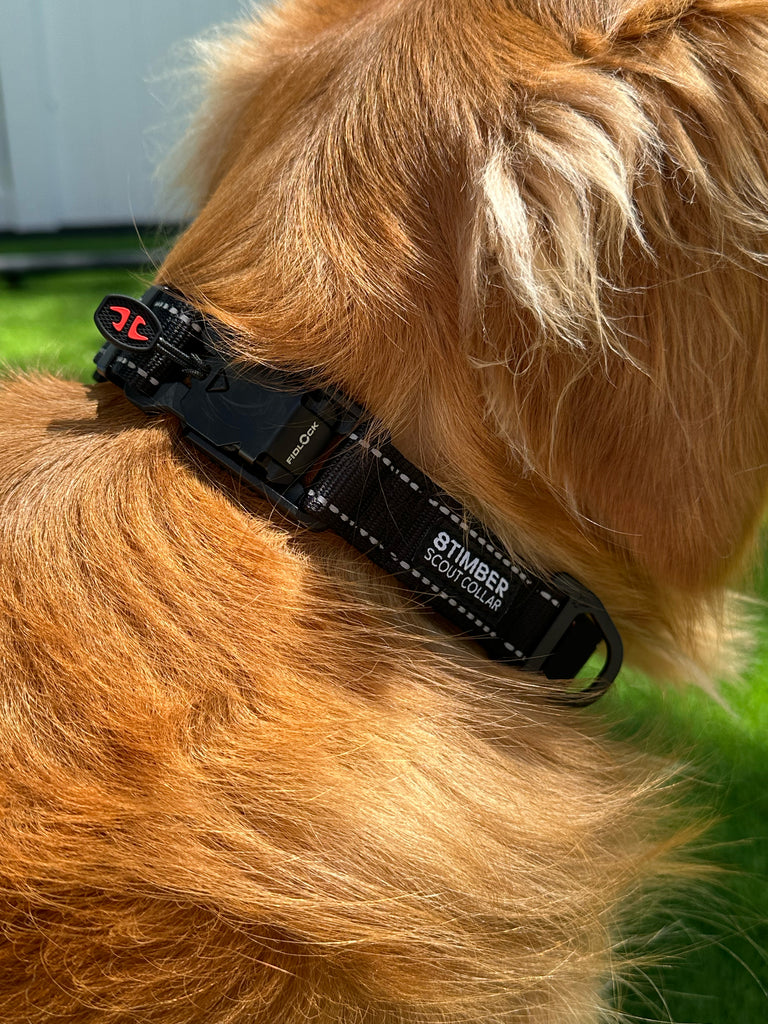
- • Pet collars and leashes: Focus on hand feel, flexibility, and resistance to fraying
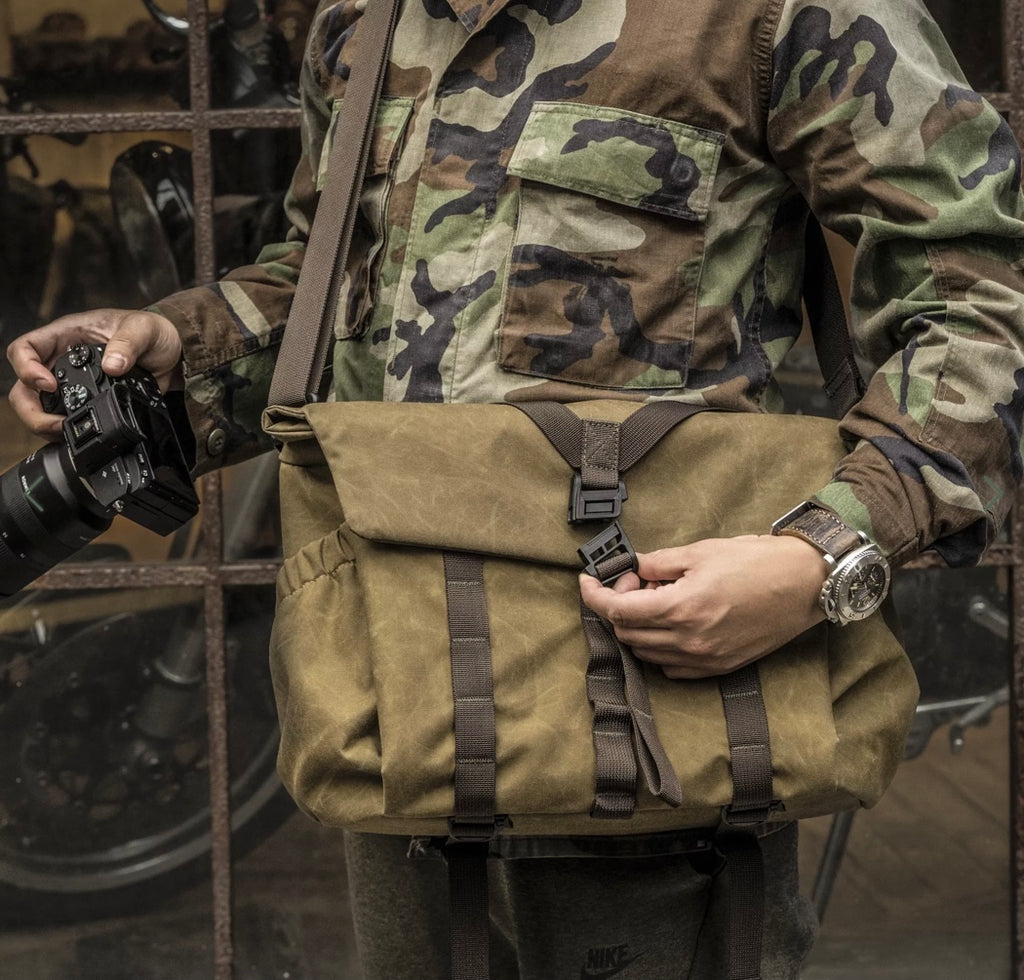
- • Backpacks and bags: Balance strength with comfort and ease of adjustment
- • Climbing and safety gear: Requires predictable stretch and high tensile strength
- • Tie-downs and roof racks: Need low stretch and high load control
- • Industrial lifting: Demand certified strength ratings and minimal elongation
Purpose goes beyond the category label. For example, a flat dog collar worn daily needs soft edges and flexibility. Likewise, a martingale collar experiences repeated tightening and release, which increases edge wear and stitching stress. Each scenario changes how the webbing behaves over time, not just on day one.
Understand Load Capacity
Tensile strength is the maximum load at failure under a straight-line pull. Manufacturers list ratings by width, weave, and fiber, so always match the rating to the job. Light-duty applications, such as bag straps or accessory keepers, generally need only modest strength. In contrast, hauling, rescue, and fall-restraint systems require heavy-duty ratings with significant safety margins to ensure reliability and safety.
Please note that A+ Products does not provide load-capacity ratings for individual components. Customers are responsible for independently testing and validating products for their intended applications.

Choosing the Right Material
When choosing the correct type of webbing for your product, you’ll also want to pay close attention to the belt's material. Nylon, polyester, and polypropylene cover most needs, with specialty fibers available for extreme use.
Nylon
Nylon is a strong, durable fiber with slight stretch, making it comfortable against the skin and abrasion-resistant, especially in tubular weaves. It absorbs water and loses some strength when wet, but its stretch can help absorb shock in certain systems.
Polyester
Polyester is a low-stretch, UV-resistant fiber that delivers reliable performance outdoors. It dries quickly, resists sunlight better than nylon, and maintains its shape under repeated loading. Specific options, such as seat-belt-style polyester, glide through adjusters and buckles while resisting edge fraying.
Polypropylene
Polypropylene is a lightweight, buoyant fiber that resists water and is often more cost-effective than nylon or polyester. While it dries quickly, some blends degrade faster under UV exposure, and its abrasion resistance typically lags behind the other two fibers.
Specialty Materials
Specialty materials serve niche demands. UHMWPE fibers, such as Dyneema or Spectra, deliver a very high strength-to-weight ratio, exhibit minimal stretch, and resist moisture well.
Additionally, aramid fibers such as Kevlar offer exceptional heat and cut resistance. These fibers require careful handling during sewing and hardware selection, and they often carry premium pricing.
Width and Thickness Matter
Width affects load distribution, comfort, and hardware fit. Narrow webbing (0.5–0.75 inch) is suitable for lightweight gear, trim, or accessory lash points. People use one-inch webbing in various applications, including backpack straps, pet collars, and utility tie-downs. On the other hand, wider options (1.5–2 inches) distribute pressure over a larger surface area, improving comfort for belts, harnesses, or shoulder straps.
Thickness affects bend radius and hardware performance, which in turn influences both handling and durability. Thick, stiff webbing resists folding and holds its shape under heavy loads, but it can be harder to feed through complex adjusters. On the other hand, thin, supple weaves sew easily and conform to curves, though they may fray more quickly in high-friction areas.

Consider Stretch and Flexibility
Stretch plays a central role in both comfort and control. Systems designed to absorb shock—such as slackline setups or load-bearing loops that experience dynamic forces—often benefit from controlled nylon stretch. By contrast, systems that secure cargo on vehicles or shelves need minimal elongation to prevent shifting, making low-stretch polyester a better choice.
Flexibility also affects usability. Soft tubular weaves coil and knot easily, while seat-belt-style polyester slides smoothly through cam buckles and ladder locks. This allows for precise adjustments and repeatable tension.
Weather, UV, and Environmental Resistance
Outdoor exposure accelerates wear, especially when webbing faces prolonged sunlight, moisture, and temperature swings. UV radiation weakens fibers over time, while water exposure can change how webbing behaves under load. Some constructions maintain strength and color better in direct sun, while others absorb moisture, stretch more, or take longer to dry. Things to look for include:
- • Polyester: Excellent UV resistance and color retention; maintains shape under sunlight and repeated wet/dry cycles
- • Nylon: Absorbs water, stretches more when wet, and typically takes longer to dry; performs well indoors or under moderate conditions
- • Polypropylene: Naturally hydrophobic, dries quickly, floats on water; unstabilized blends fade faster under UV exposure
Environmental factors extend beyond sun and rain. Temperature extremes, saltwater, oils, and chemicals all affect performance and lifespan. Always review fiber datasheets and supplier guidance when webbing faces exposure to solvents, marine conditions, or sustained heat to avoid premature degradation or failure.
Texture, Abrasion, and Tear Resistance
Texture affects how webbing handles friction, adjustment, and long-term wear. Smooth weaves slide easily through buckles and adjusters, reducing friction hotspots and making fine adjustments easier. Alternatively, ribbed or textured weaves increase grip on hardware, helping prevent slip when loads shift or under vibration. Softer constructions improve comfort and edge durability in loops and contact points that see constant movement.
Abrasion and tear resistance depend on both the weave structure and the exposure conditions. Flat, tightly woven webbings hold up well in general-purpose straps, while rough surfaces, dirt, and repeated rubbing accelerate fiber breakdown. Grit trapped in the weave acts like sandpaper, wearing fibers and stitching faster than the load alone.
Color, Appearance, and Aesthetics
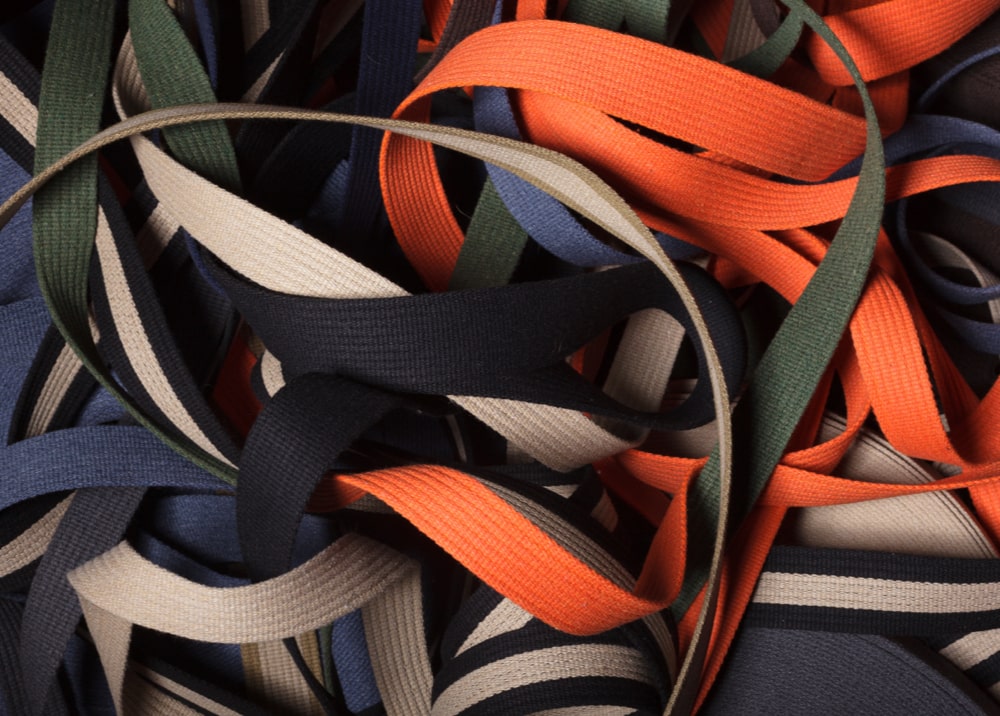
Color choice extends beyond style, as bright colors and patterns improve visibility and enable quick identification in team kits or field gear. Material and dye method determine how well those colors hold up with time and exposure.
Solution-dyed polyester retains color well in sunlight and weather, making it a strong option for long-term outdoor use. Likewise, nylon dyes are rich and offer a wide color range, though some shades may bleed when saturated. Other options, such as polypropylene, typically use pre-colored filaments, which maintain consistent color but require UV-stabilized blends to prevent fading and brittleness outdoors.
Hardware and Compatibility
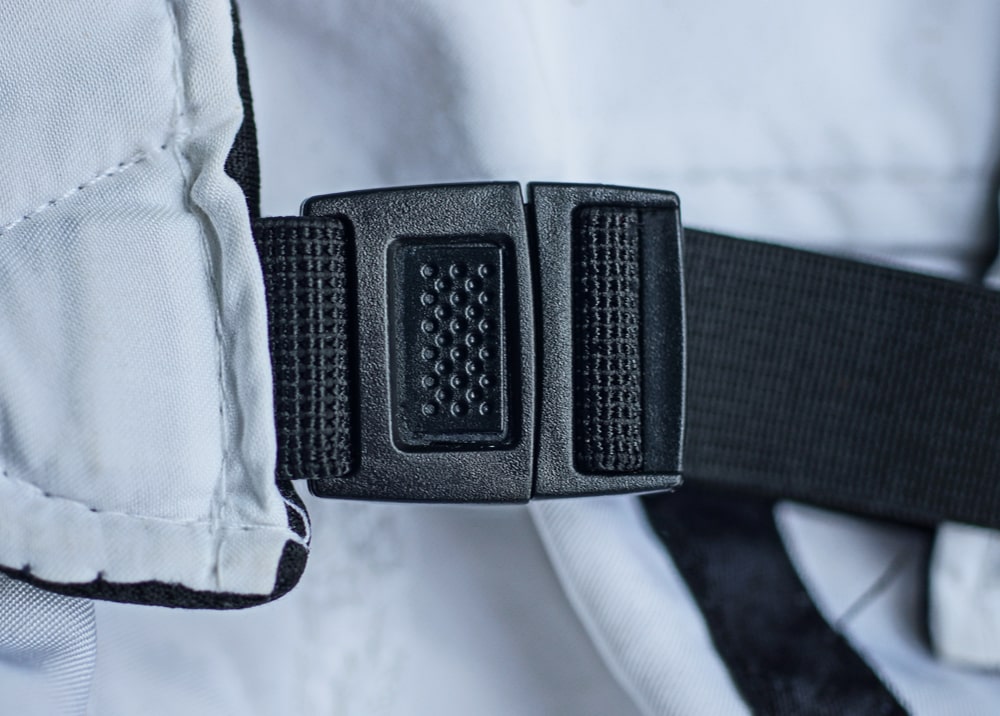
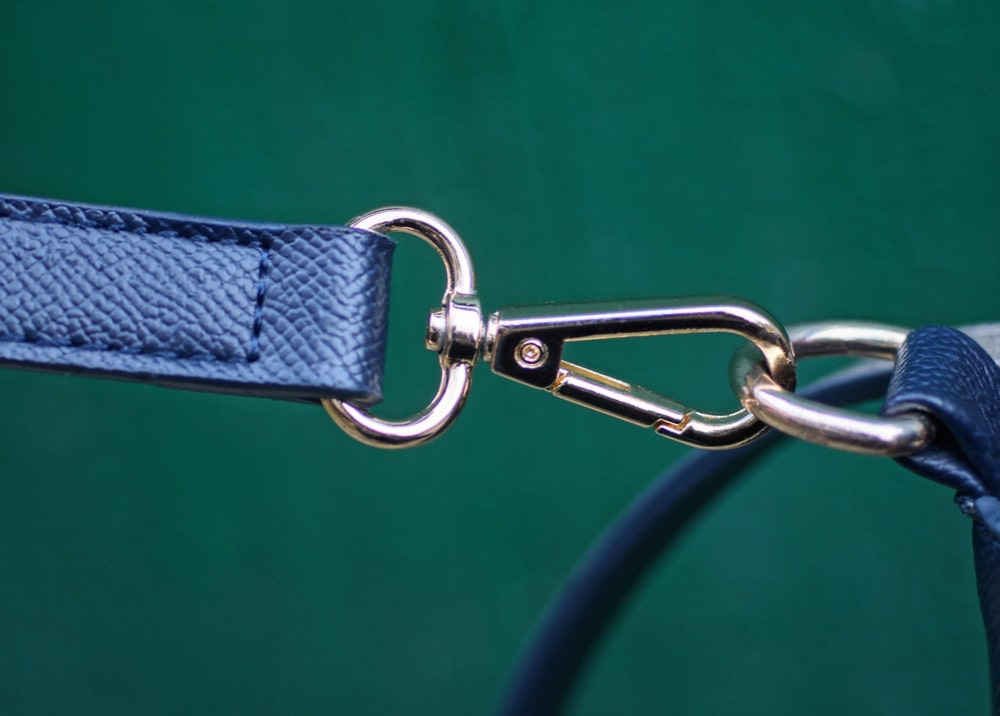
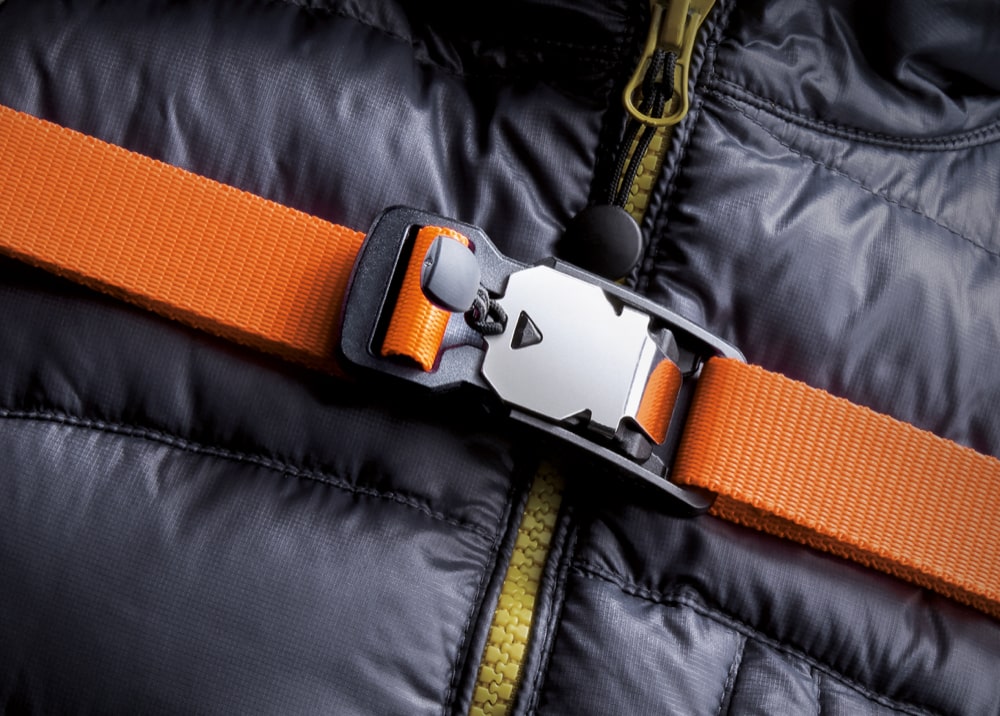
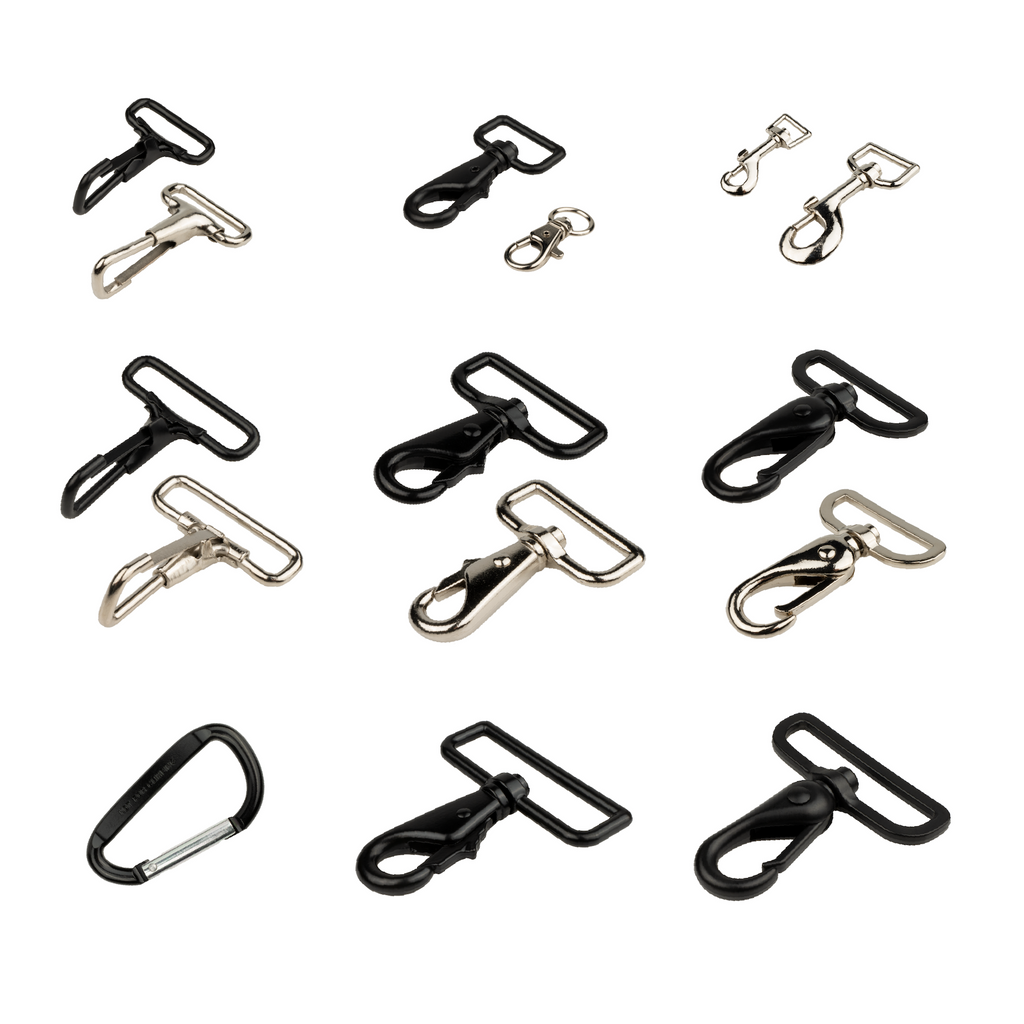
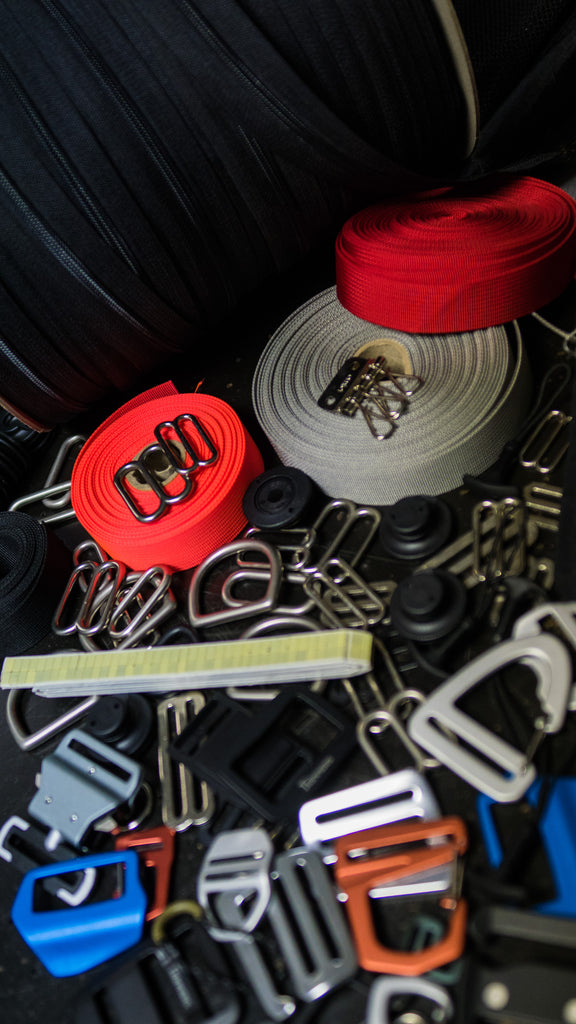
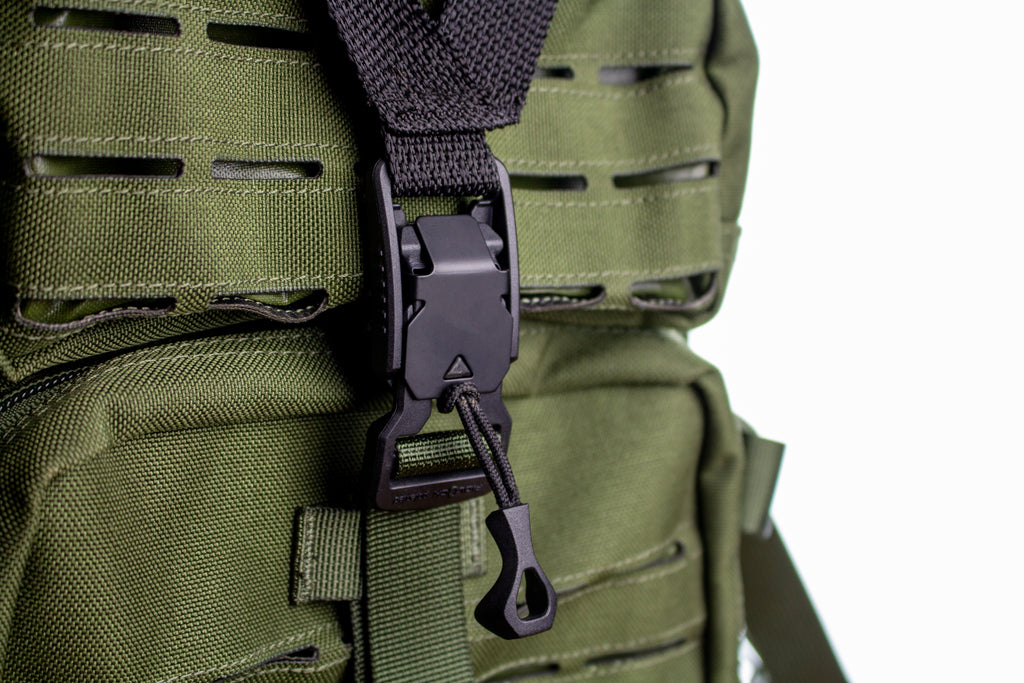
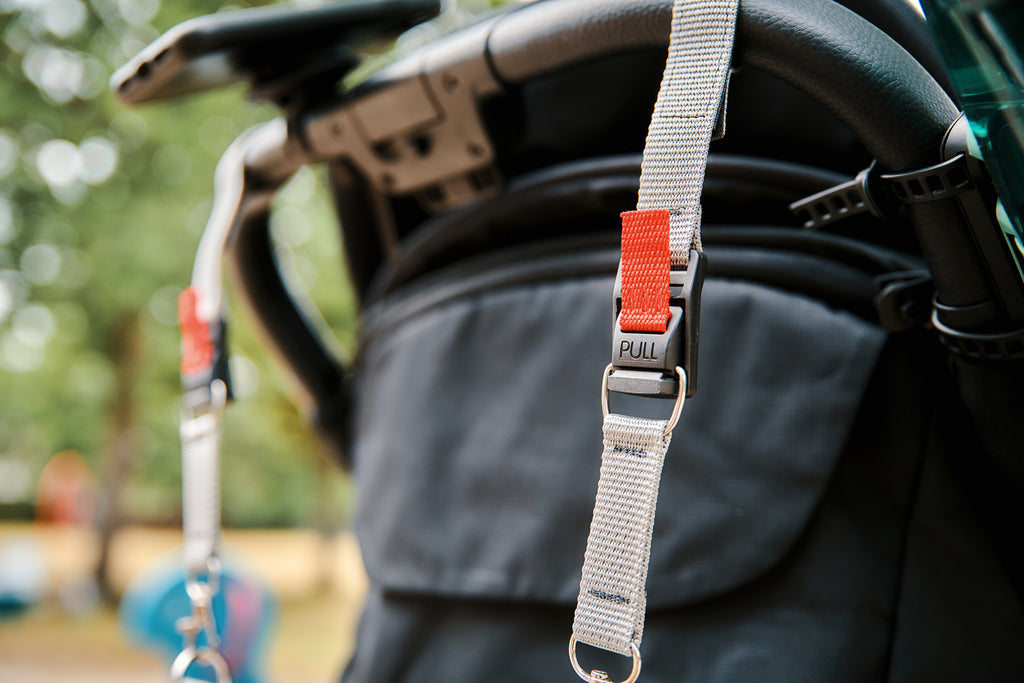
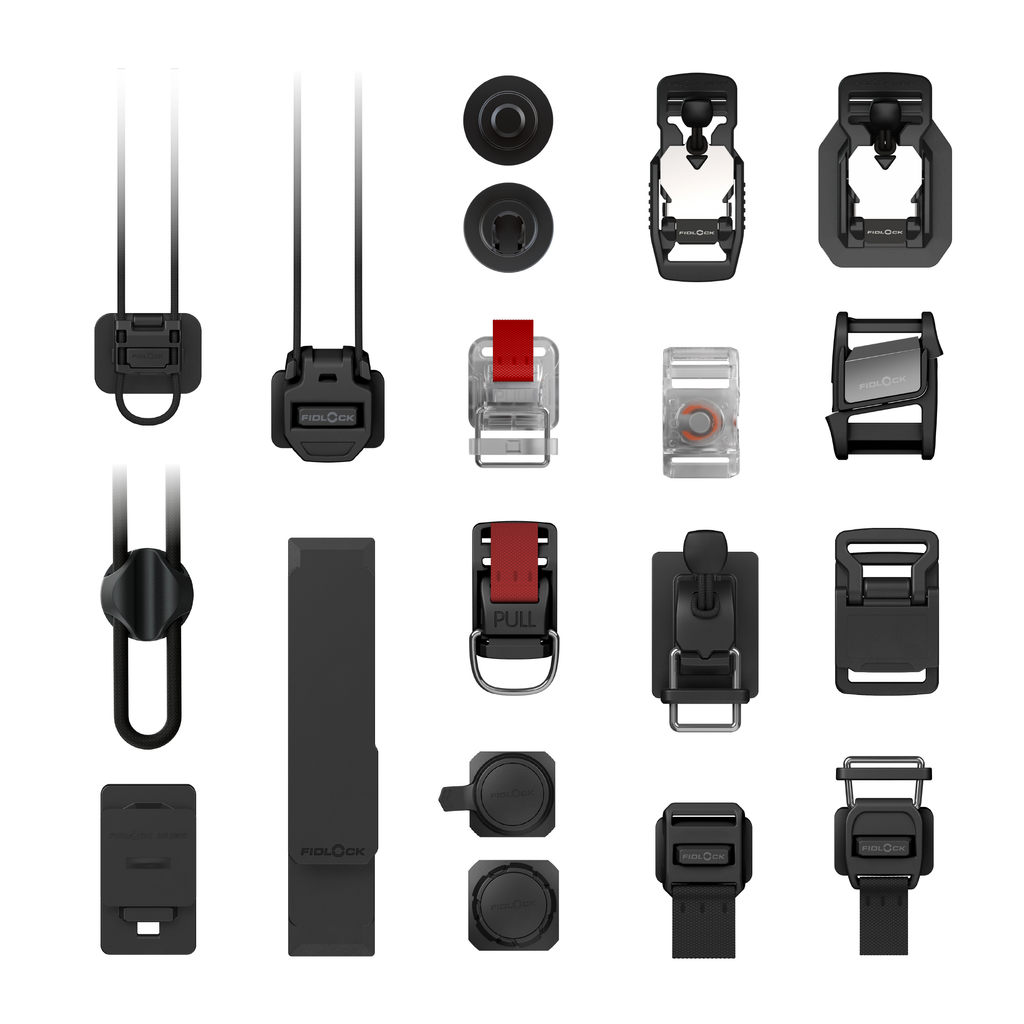
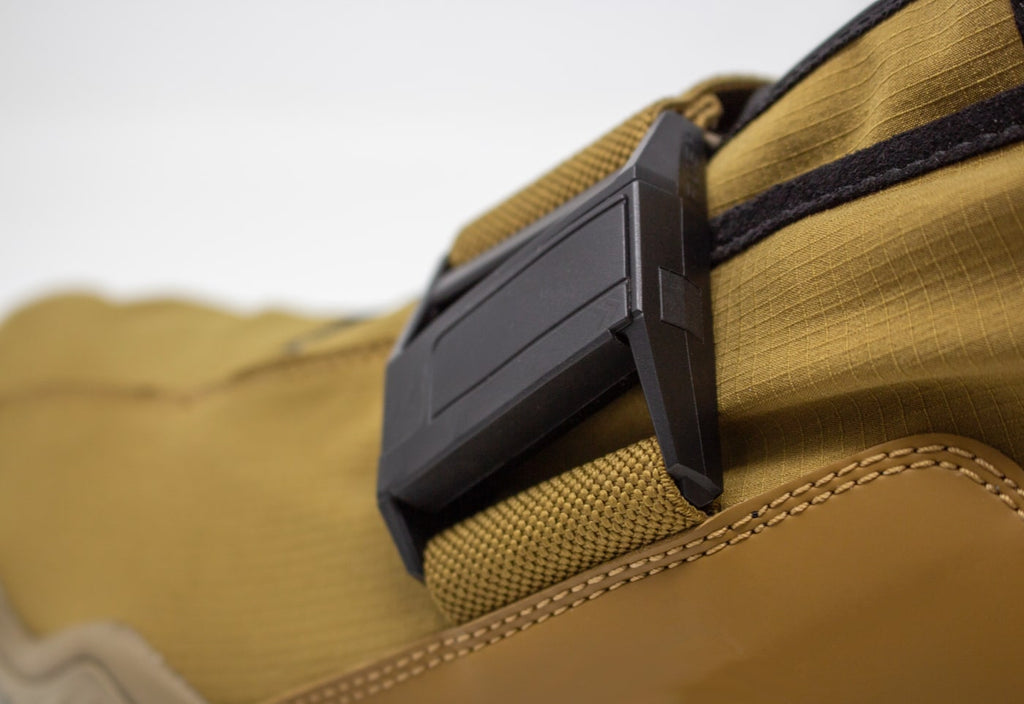
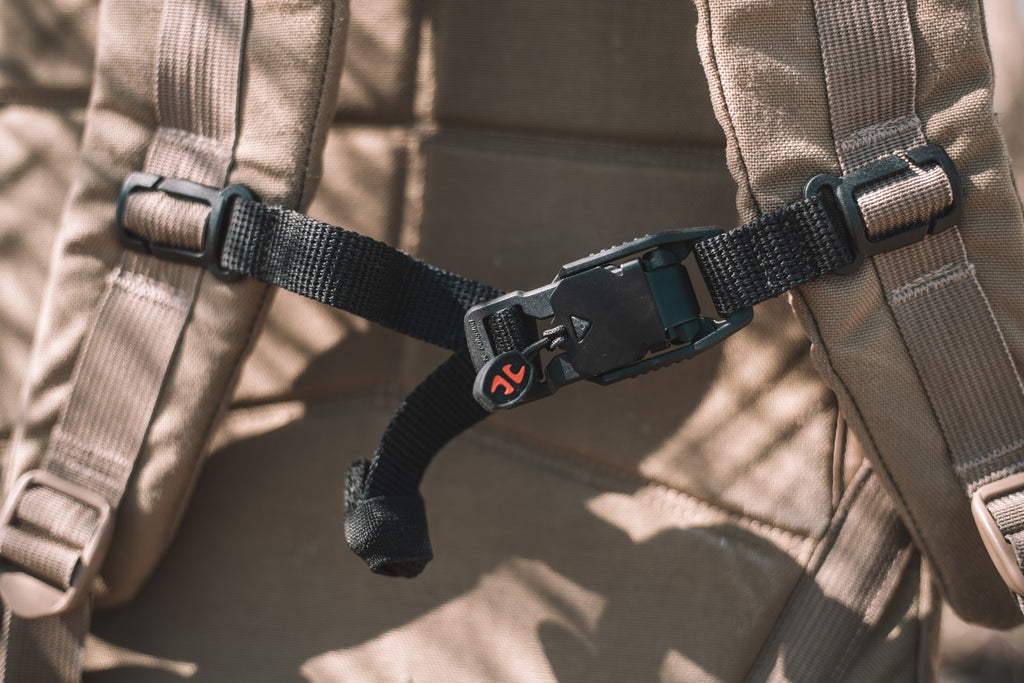
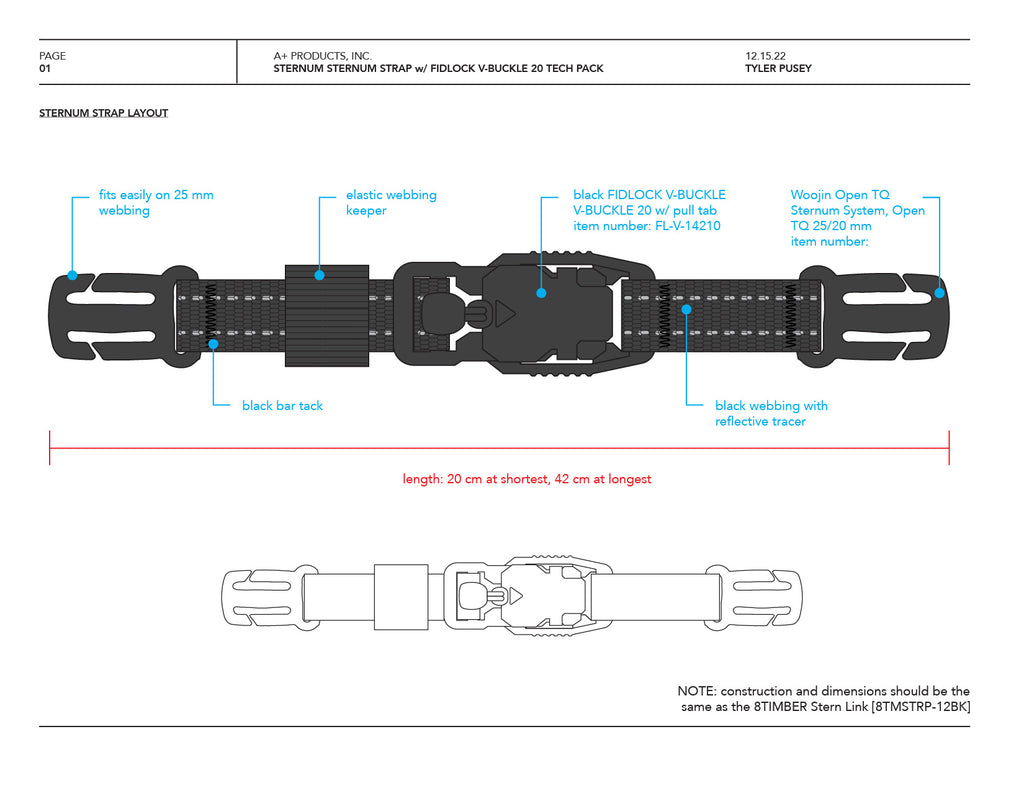
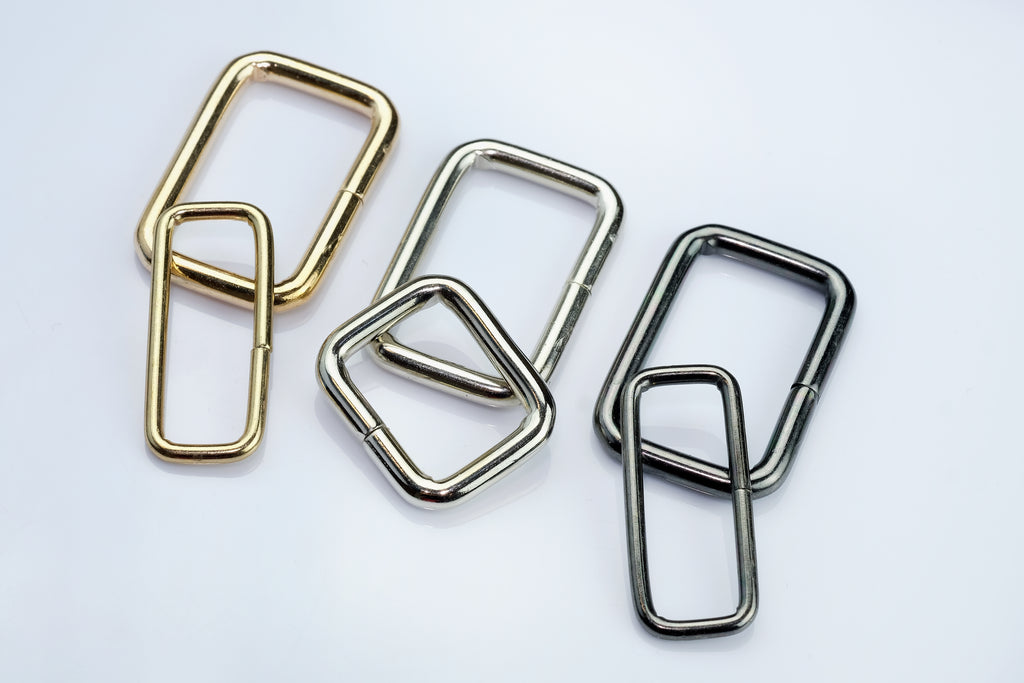
Match width and thickness to the buckle, triglide, cam, or ratchet. A 1-inch buckle needs 1-inch webbing, and thick weaves require compatible slot geometry to feed and lock properly. Test adjustability, slippage, and release with gloves if field use demands quick changes.
Partner With Experts
When it comes to webbing, the right guidance makes all the difference. Partnering with A+ Products gives you access to expert advice and high-quality buckle hardware tailored to your specific needs.
Take the next step with confidence, knowing the right support can elevate your gear, projects, or products to the next level.