











Military equipment must perform under demanding conditions, making component selection an important part of product development. Manufacturers often encounter MIL-SPEC requirements when sourcing materials or hardware for tactical applications. These specifications establish technical criteria that support consistent performance across qualifying products. Understanding the purpose of MIL-SPEC requirements allows businesses to make informed sourcing decisions.
MIL-SPEC Defines Technical Requirements for Military Products
MIL-SPEC refers to military specifications that establish detailed requirements for materials, components, or finished products. The US Department of Defense uses these documents to communicate expectations for equipment that supports military operations. Individual specifications may address physical characteristics, manufacturing requirements, or performance criteria.
The term also appears in commercial product descriptions, particularly within the tactical equipment industry. However, manufacturers should distinguish between products that meet a specific military specification and products that simply feature military-inspired designs. A MIL-SPEC claim carries meaning only when the supplier identifies the applicable document and demonstrates compliance with its requirements.
The distinction matters because no single specification covers every type of military equipment. Each document establishes requirements for a particular product category or application.
Military Specifications Differ From Other Defense Standards
The Department of Defense maintains several types of technical documents. Military specifications generally describe requirements for specific products or materials, while military standards address processes, engineering practices, or testing methods. Manufacturers may encounter both when developing equipment for defense-related applications.
For example, MIL-STD-810 outlines environmental engineering considerations and laboratory test methods. It does not automatically certify a product as military-grade. Manufacturers must identify the relevant test procedures and establish appropriate conditions for their equipment.
Document revisions also deserve attention. A contract may reference a particular revision, making that version the controlling requirement. Using an outdated document could create compliance problems. Understanding these distinctions gives sourcing teams a clearer starting point when reviewing technical documentation.

MIL-SPEC Requirements Establish Measurable Performance Criteria
Military specifications translate operational needs into technical requirements. Depending on the component, those requirements may address dimensions, material properties, or resistance to environmental conditions. The applicable specification determines which characteristics manufacturers must evaluate.
For hardware manufacturers and equipment designers, several performance considerations influence component selection, including:
- Tensile strength
- Corrosion resistance
- Dimensional tolerances
- Temperature resistance
- Abrasion resistance
- Load performance
These characteristics do not apply universally to every military specification. Manufacturers must consult the relevant document to determine which requirements govern their products.
Material Selection Influences MIL-SPEC Compliance
Material properties affect how components respond to repeated use and environmental exposure. Manufacturers developing military equipment must consider these properties before selecting hardware for their assemblies.
Metal components may require particular alloys or protective finishes to meet applicable requirements. Plastic hardware introduces different considerations, including material composition and behavior under temperature changes. Webbing specifications may establish fiber requirements or minimum strength values. Material identification also matters during procurement. Two visually similar components may use different raw materials and demonstrate different performance characteristics.
Suppliers should provide accurate material information whenever a project requires documented compliance. Manufacturers can then compare those details against the applicable specification before committing to production. Choosing a suitable material represents one part of qualification; the finished component must still satisfy any additional requirements that govern its use.
MIL-SPEC Testing Verifies Performance Under Defined Conditions
Testing allows manufacturers to evaluate whether components satisfy documented technical requirements. The appropriate procedures depend on the specification and the product’s intended function.
Environmental testing may expose equipment to temperature extremes or moisture. Mechanical evaluations might apply repeated forces to determine how components behave under specified operating conditions. Testing procedures establish the parameters that make results meaningful.
Manufacturers should also understand the difference between testing a component and testing a complete assembly. A buckle may meet an individual performance requirement, but its behavior could change when paired with webbing or installed on equipment. For that reason, tactical equipment companies must conduct their own testing to determine whether their finished products meet applicable safety and performance requirements. Supplier documentation cannot replace application-specific validation.
Military-Grade Claims Require Supporting Documentation
The phrase “military-grade” appears frequently in commercial marketing, but it does not identify a specific technical requirement. Companies should request supporting evidence before accepting claims about MIL-SPEC compliance. Documentation may include material certifications, inspection records, or test reports. The appropriate evidence depends on the specification and any additional contractual requirements.
Manufacturers should verify that documentation identifies the exact product or material under consideration. A report covering one component variation does not necessarily establish compliance for another version.
Procurement teams also need to distinguish supplier declarations from independent testing or formal qualification. These forms of evidence serve different purposes, and certain contracts may require specific verification procedures. Clear documentation supports more accurate supplier evaluations and reduces uncertainty during product development.

Component Compatibility Affects Tactical Equipment Performance
Individual component specifications provide useful information, but compatibility determines how hardware functions within an assembled product. Designers must account for connection methods and operating conditions before approving components.
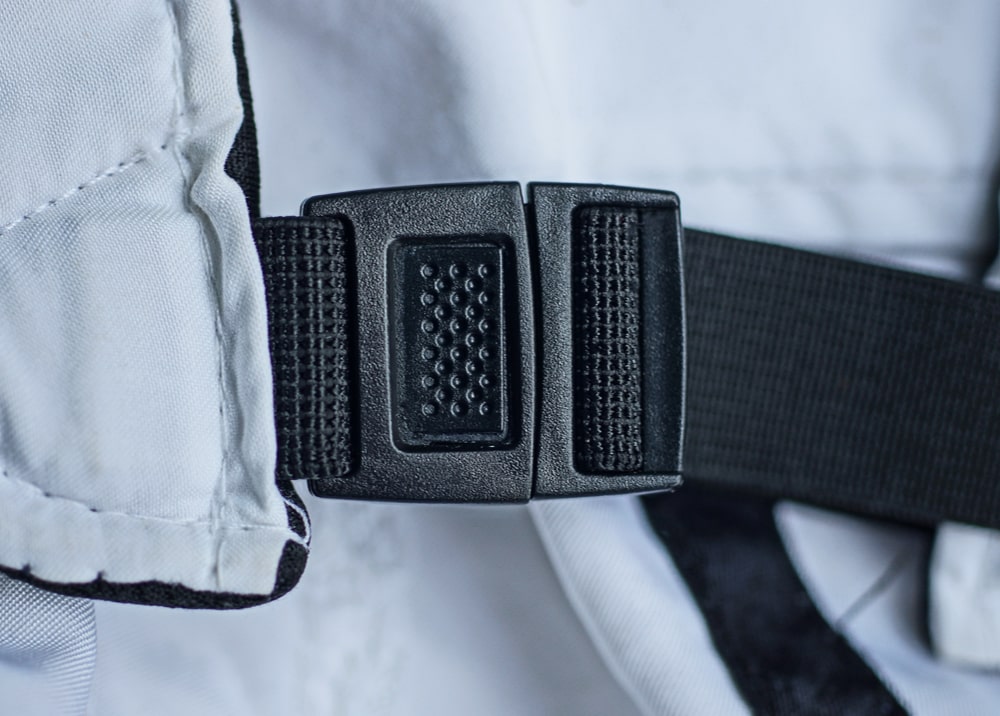
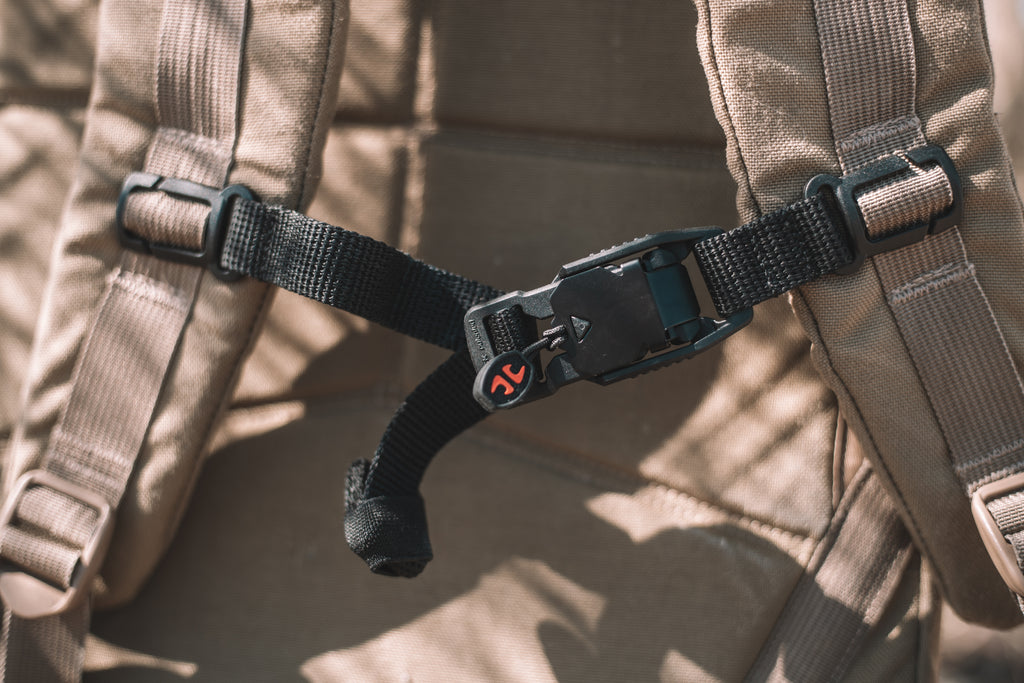
Consider a tactical vest that uses webbing straps and quick-release hardware. The buckle must accommodate the selected strap dimensions, while the attachment configuration must support the intended load requirements. An unsuitable combination could affect the assembly even when individual components demonstrate acceptable performance.
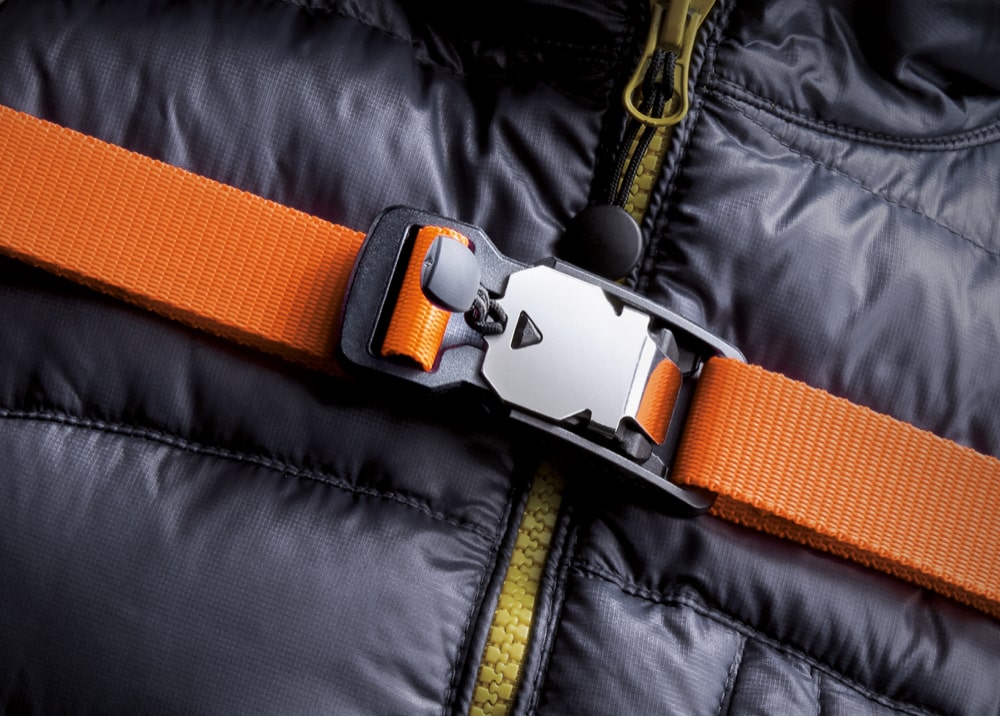
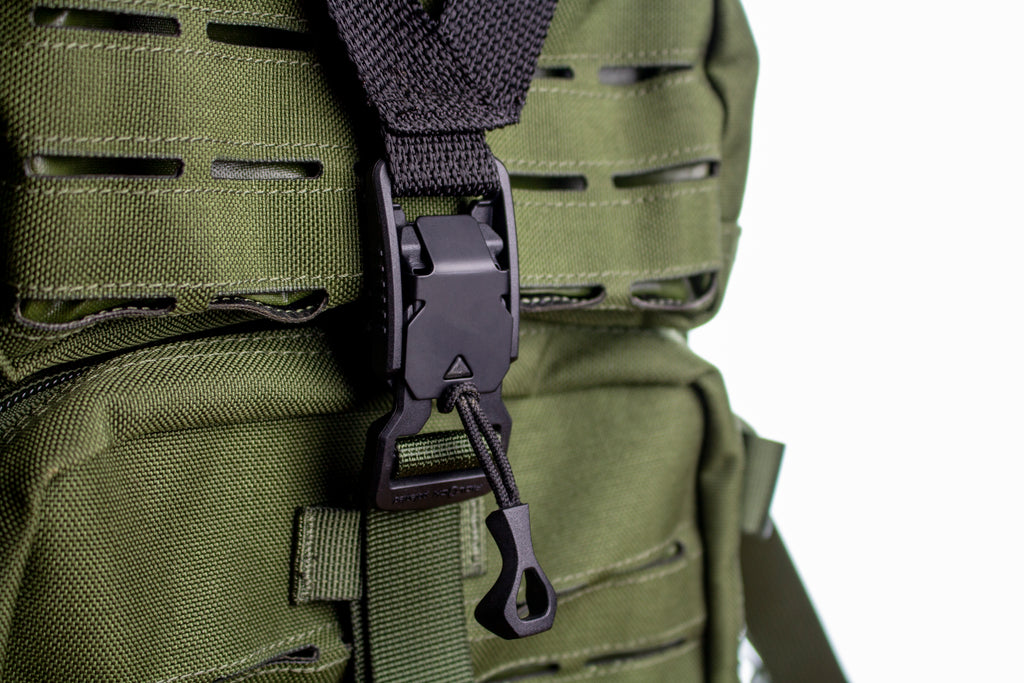
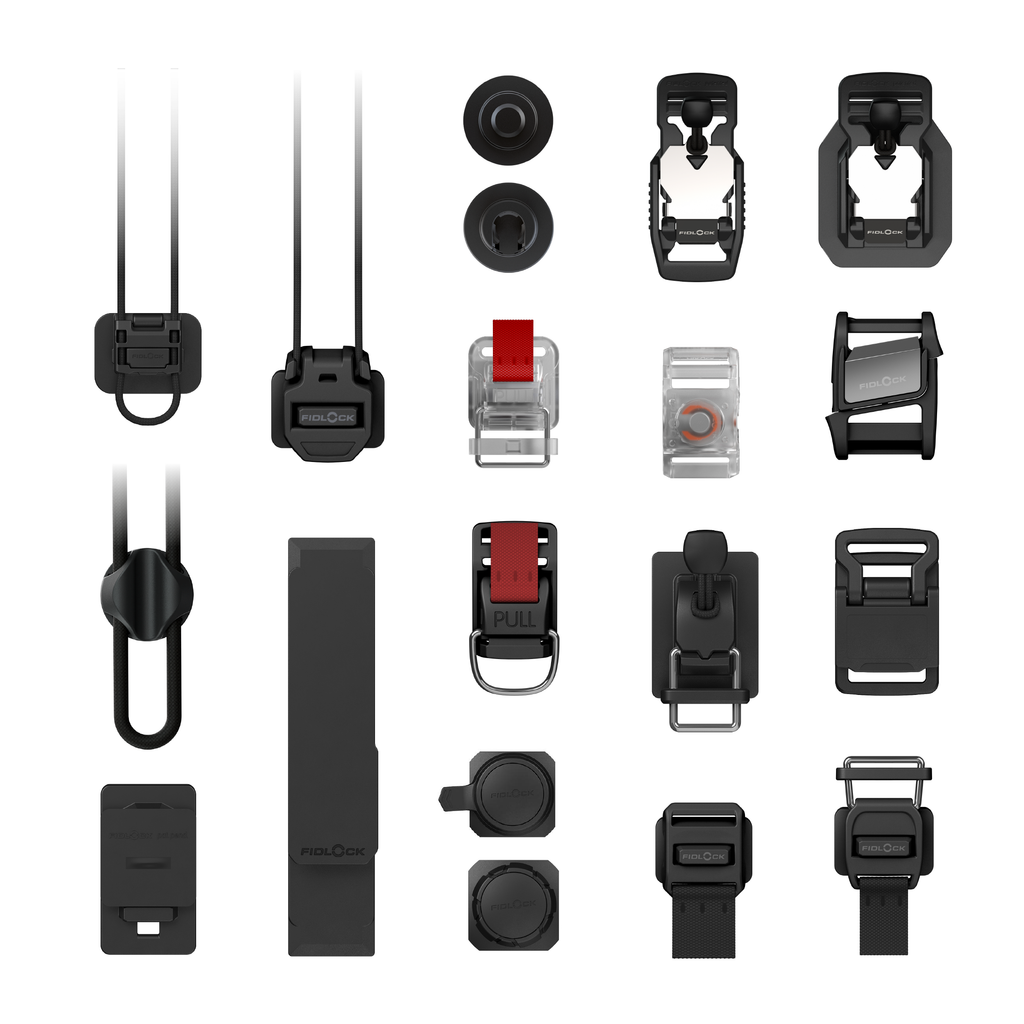
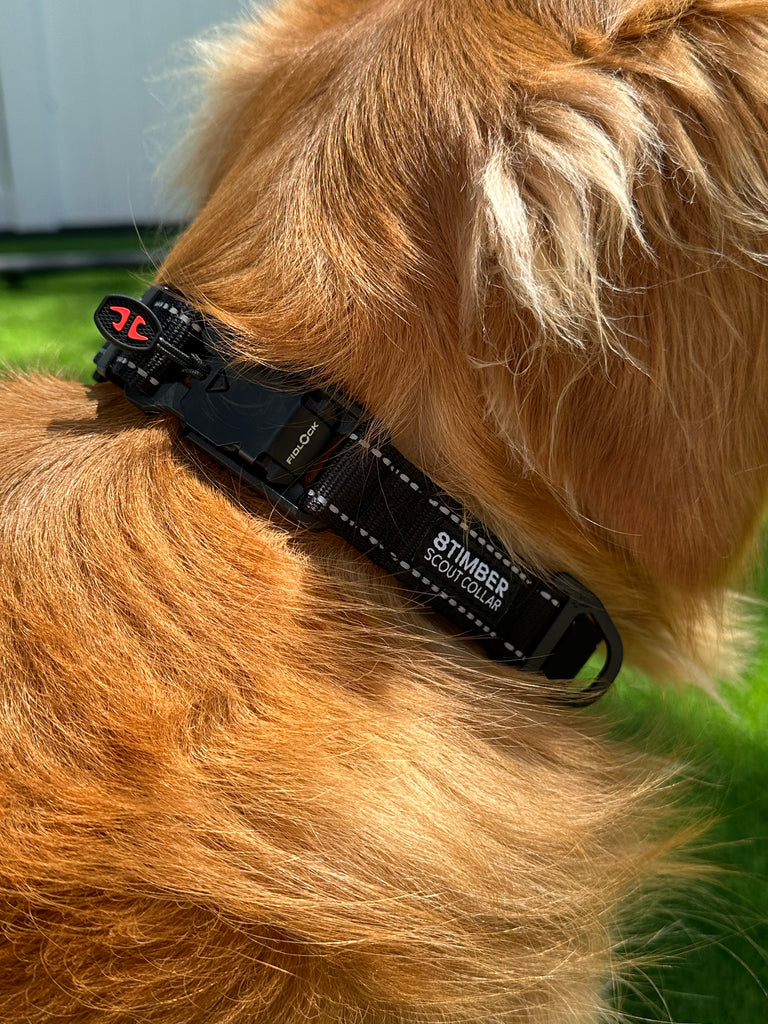
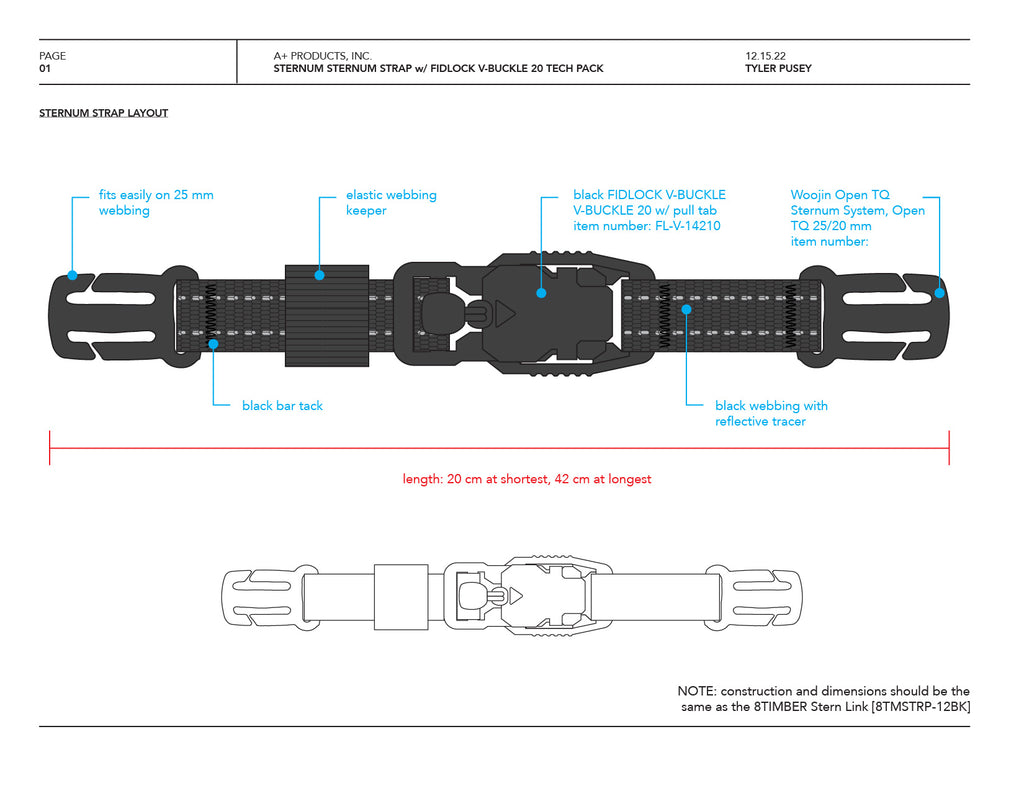
Manufacturers exploring a FIDLOCK magnetic V-buckle may value its magnetic-assisted closing mechanism and mechanical locking design for certain applications. However, the presence of magnetic hardware does not establish MIL-SPEC compliance. Product teams must verify the exact model’s specifications and evaluate its suitability for their equipment. Compatibility testing remains essential whenever manufacturers introduce new hardware into an existing design.
MIL-SPEC Sourcing Requires Careful Supplier Evaluation
Supplier selection becomes especially important when manufacturers need components for projects with defined military requirements. Procurement teams should communicate applicable specifications early rather than assuming that tactical hardware automatically meets those criteria.
An experienced sourcing partner can assist with identifying available component options and reviewing product information. Clear communication about intended applications also allows suppliers to identify potential compatibility concerns before orders move forward. Lead times deserve consideration when projects require specialized materials or additional verification. Manufacturers should discuss availability and documentation expectations before establishing production schedules.
Custom sourcing may provide alternatives when standard hardware does not meet a project’s dimensional or functional needs. Any custom component must still undergo the necessary evaluation before a manufacturer claims compliance.
MIL-SPEC Knowledge Supports More Informed Product Development
This complete industry guide explaining MIL-SPEC extends beyond understanding military terminology. Manufacturers must connect technical requirements with practical sourcing decisions and product validation. Each stage requires attention to the exact specifications that govern the finished equipment. Successful component selection starts with clearly defined requirements. Businesses that identify applicable standards early can evaluate hardware options without relying on vague military-grade descriptions.
At A+ Products, we work with businesses that need dependable hardware sourcing for tactical equipment and other demanding applications. Our product selection includes buckles and strap assembly solutions, along with custom sourcing capabilities for specialized projects.
We understand that equipment manufacturers need components that fit their designs and meet their project requirements. While we cannot guarantee the MIL-SPEC compliance of finished equipment, our team can assist with sourcing and available product information. Contact A+ Products to discuss your component requirements and explore hardware options for your next project.