

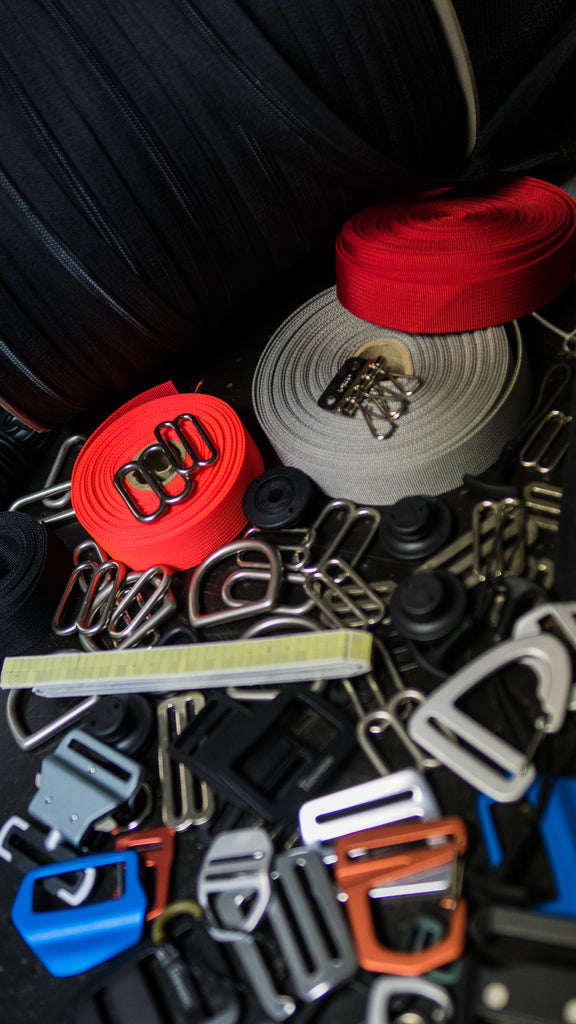
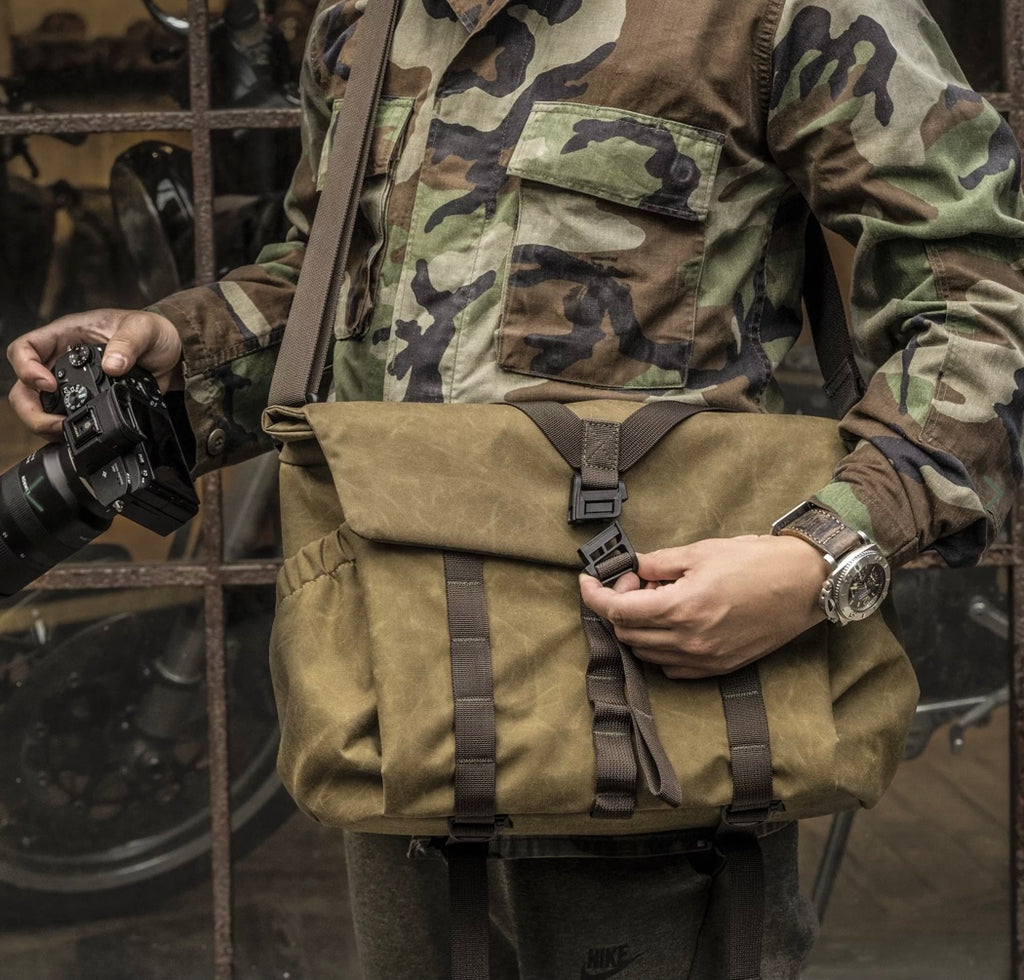







Choosing the right buckle involves more than finding a closure that fits a strap. Manufacturers need components that support their products’ intended functions while meeting practical demands for durability and ease of use. A buckle that works well on a lightweight bag may not suit heavy-duty workwear or equipment that experiences frequent tension. Understanding how to match buckles to product performance needs allows product teams to narrow their options before committing to a design.
Match Buckle Materials to Operating Conditions
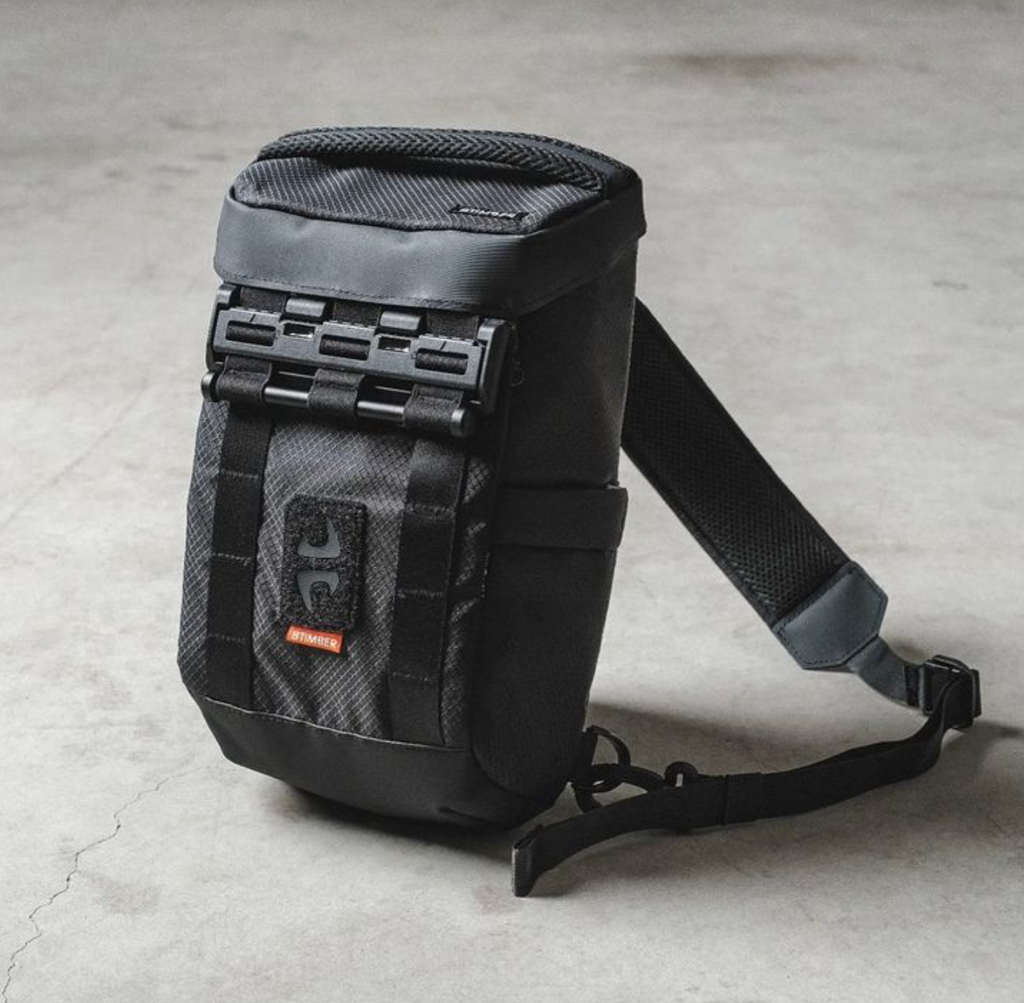
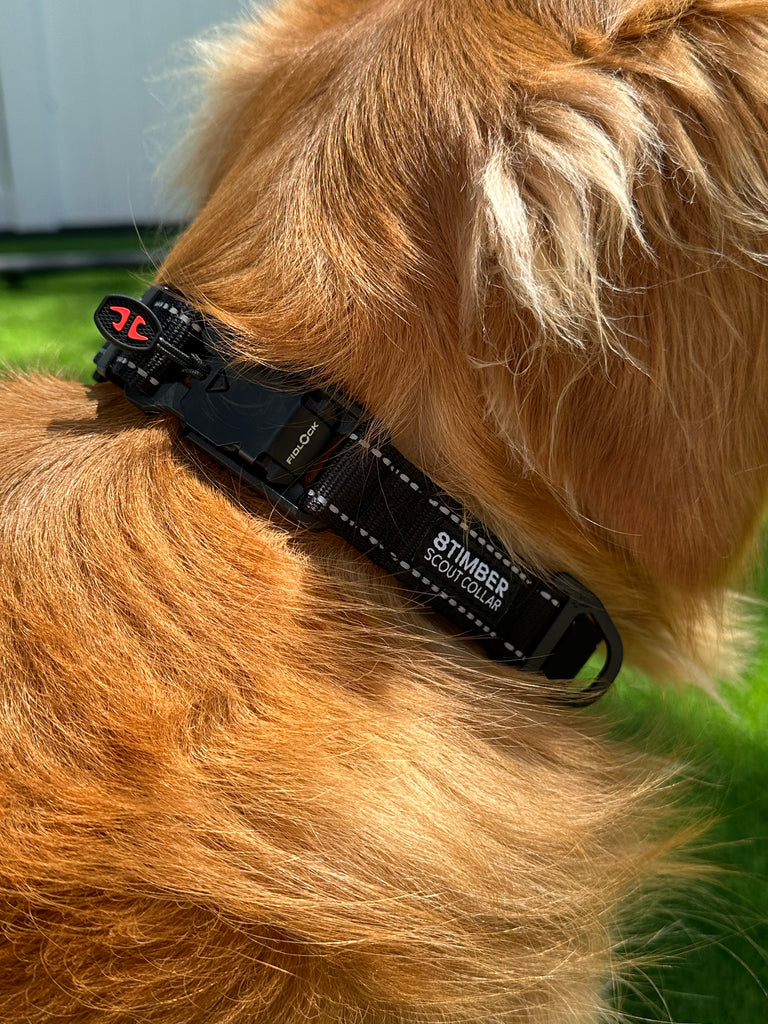
Material selection determines how a buckle responds to everyday use and environmental exposure. Plastic buckles offer lightweight construction and moisture resistance, making them suitable for many consumer products. Manufacturers commonly choose these components for backpacks, pet accessories, and apparel that require practical closures without additional weight.
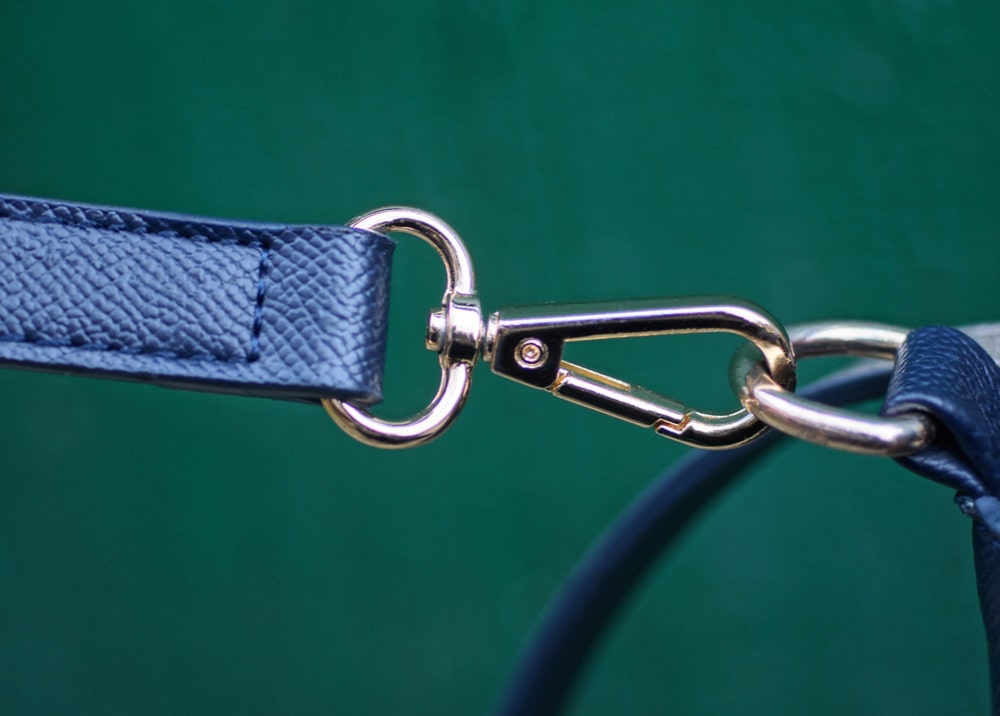
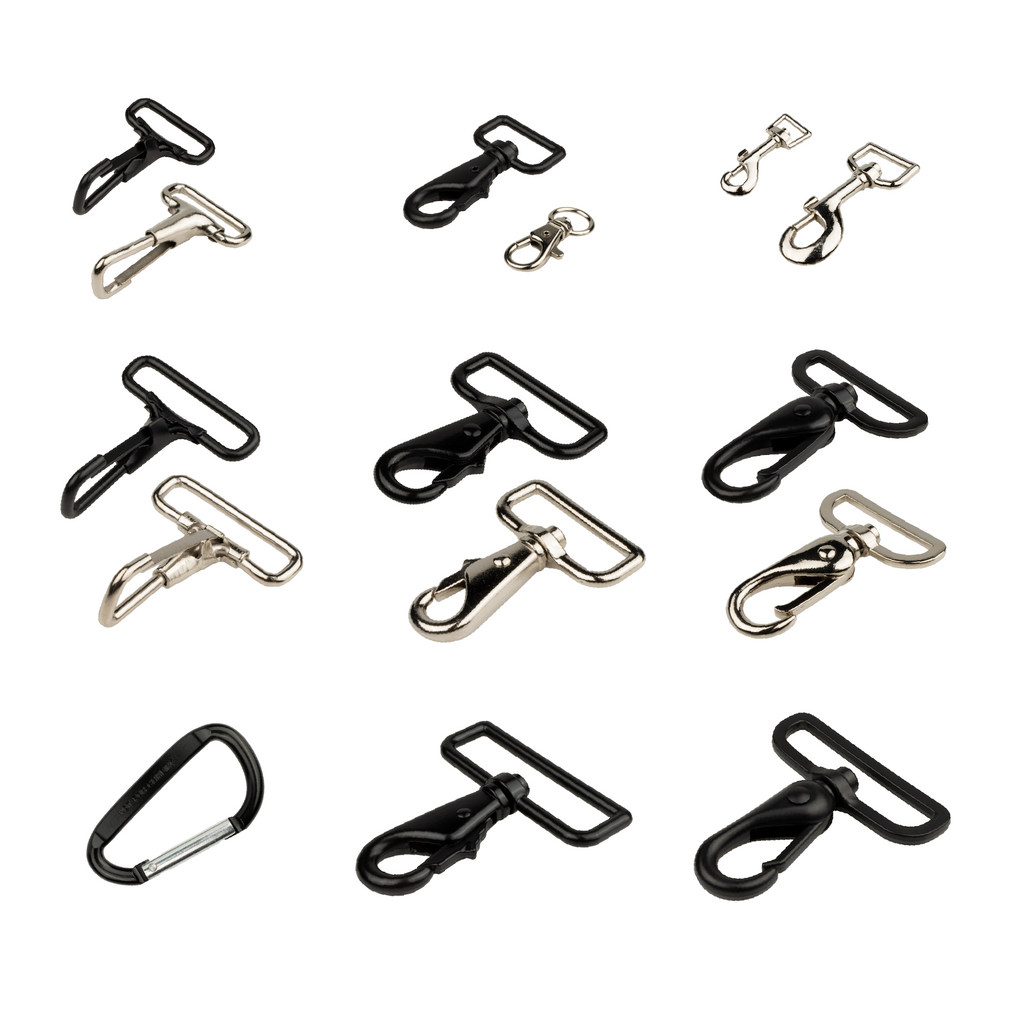
Metal buckles provide another option for products that demand greater rigidity or a particular appearance. Stainless steel hardware offers corrosion resistance, while other metal alloys provide different combinations of weight and mechanical properties. The specific grade and construction determine actual performance.
Temperature exposure also deserves attention because certain plastics may become brittle in extreme cold, while prolonged heat can affect dimensional stability. Manufacturers should compare material specifications against expected operating conditions rather than assuming every buckle within a material category performs equally.
Select Buckles According to Load Requirements
Every buckle encounters forces during normal operation, but the amount and direction of those forces vary considerably. A closure on a casual accessory experiences different demands than hardware on a loaded equipment strap. Product teams should identify expected working loads before comparing buckle designs.
Manufacturers should distinguish between breaking strength and recommended working load. Breaking strength describes the force that causes a component to fail under specific test conditions, while working load accounts for normal operating demands and applicable safety factors.
For products that experience significant tension, manufacturers should consider:
- Static loads: Continuous force from attached equipment or secured materials.
- Dynamic loads: Sudden force changes during movement or impact.
- Load direction: The angle at which tension reaches the buckle.
- Repeated loading: Frequent tension cycles that may contribute to wear.
Suppliers can provide relevant component specifications when available, but manufacturers must validate the complete assembly. Strap materials and attachment methods influence overall performance, especially in safety-related applications.

Choose Closure Mechanisms Based on User Interaction
How someone opens and closes a buckle matters just as much as its physical strength. Products that require frequent access benefit from mechanisms that support quick, straightforward operation, while equipment that users rarely adjust may prioritize closure retention.
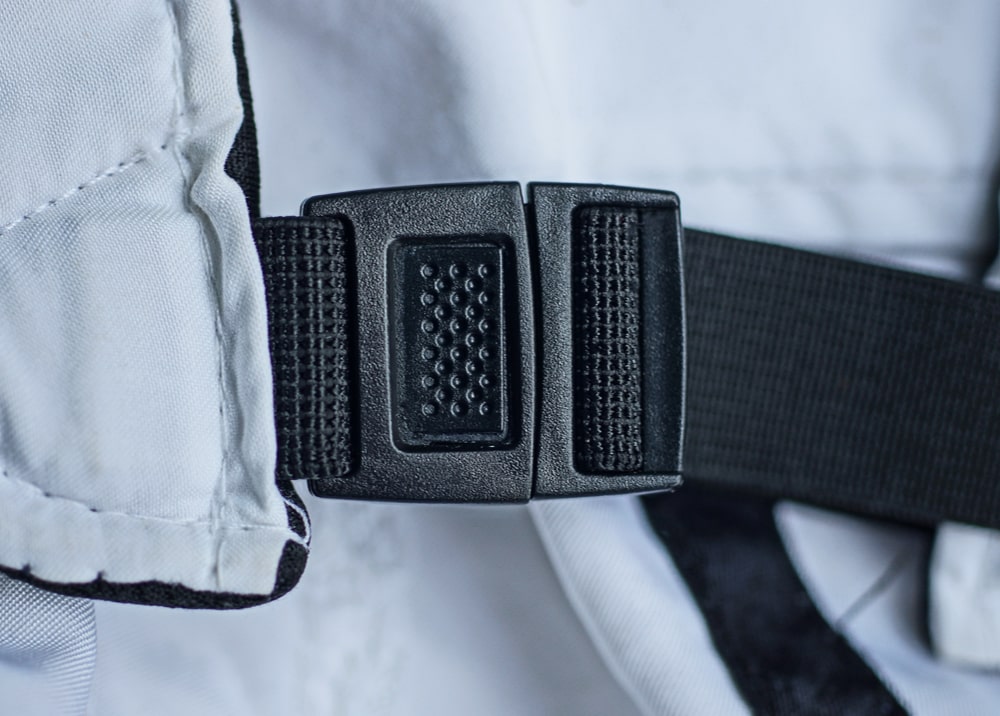
Side-release buckles remain common because users can operate their flexible locking arms with a familiar squeezing motion. Their suitability depends on the buckle’s dimensions and the force necessary to release the connection. Designers should also consider whether users will operate the hardware while wearing gloves.
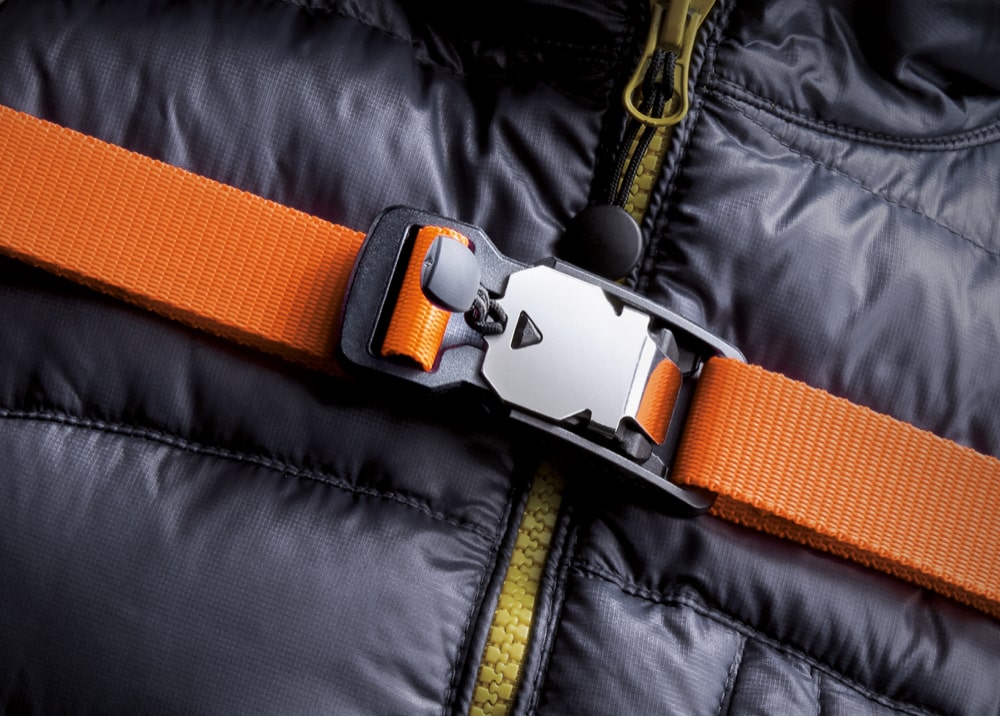
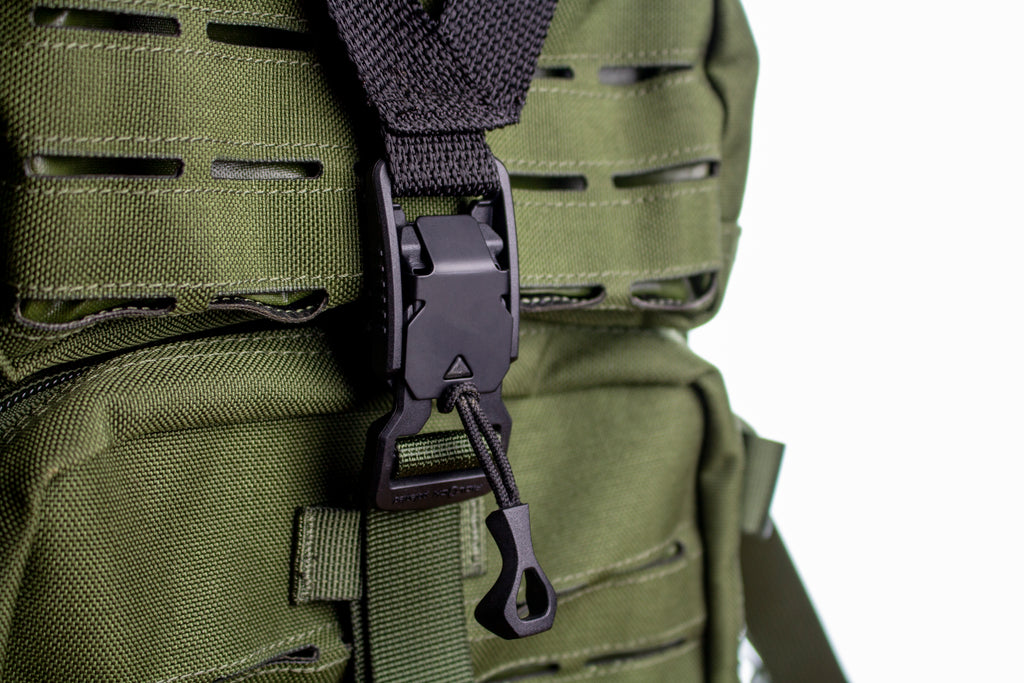
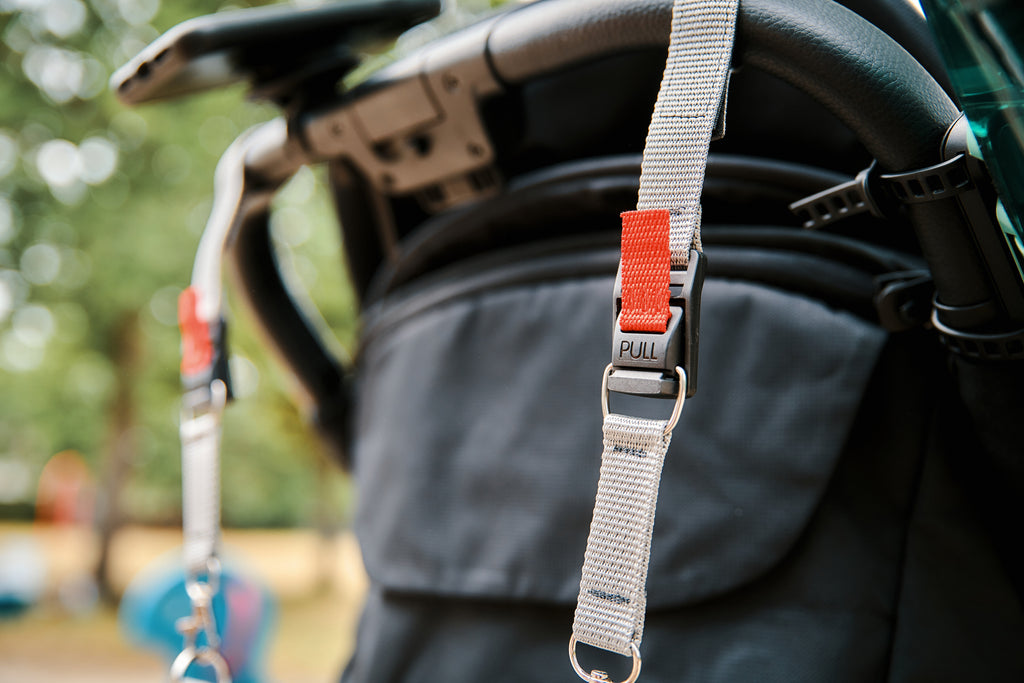
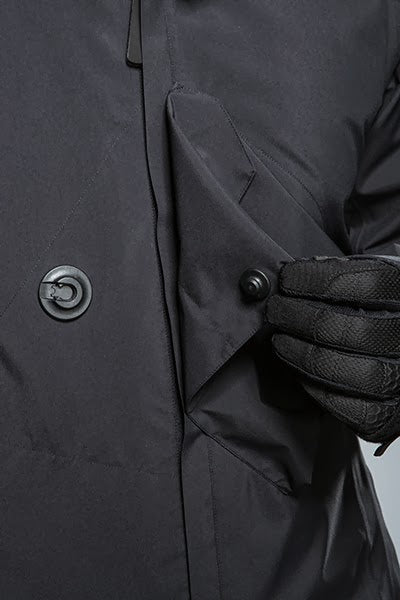
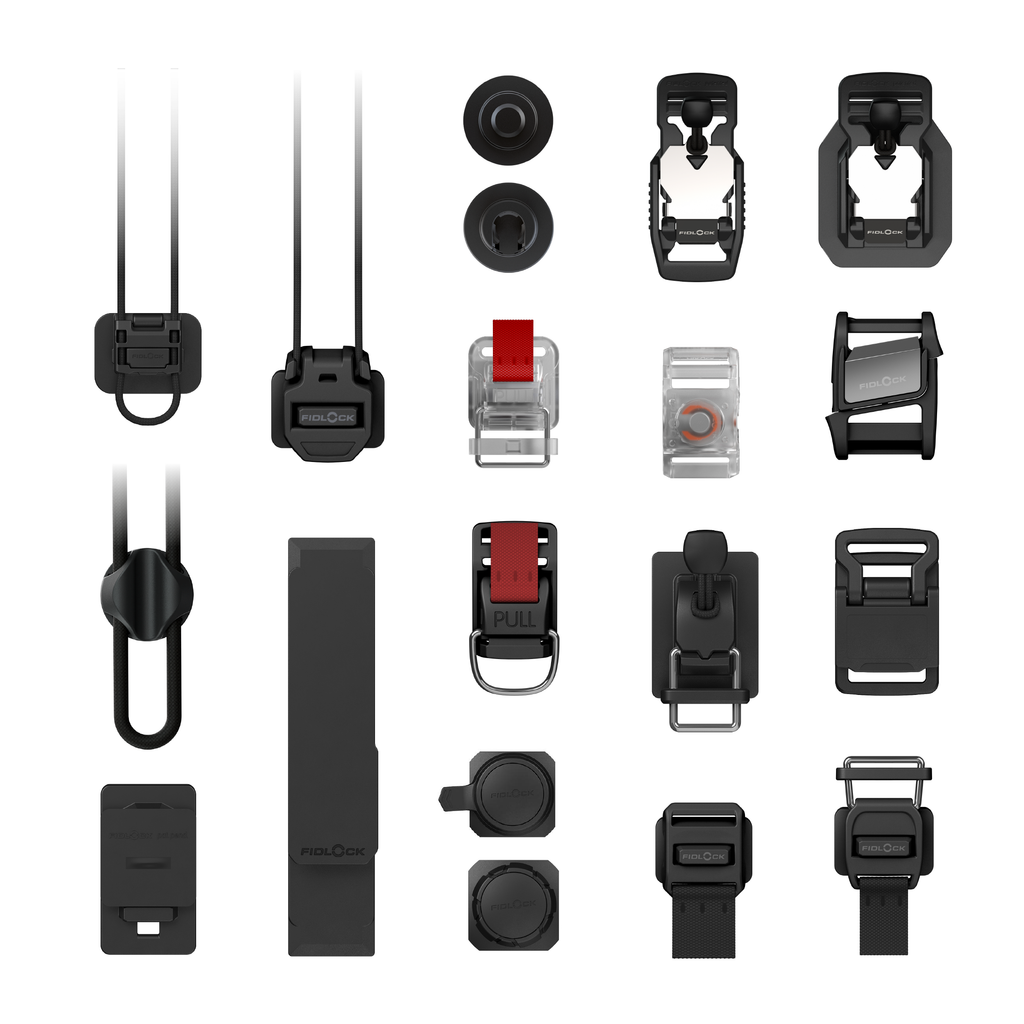
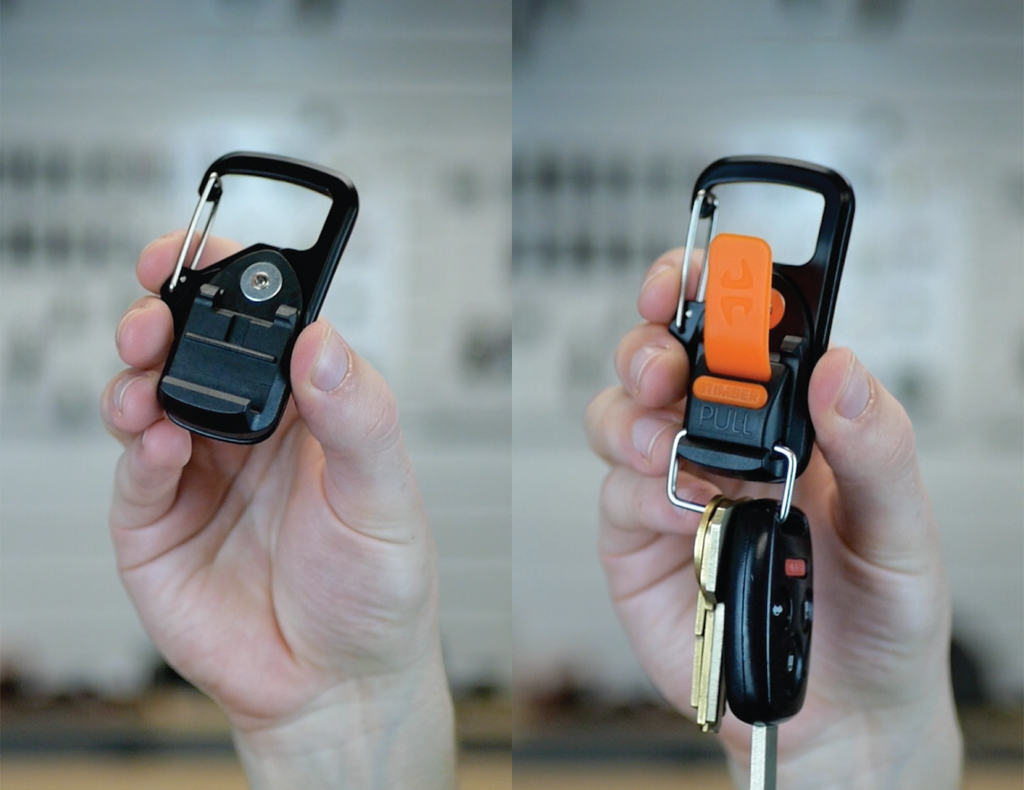
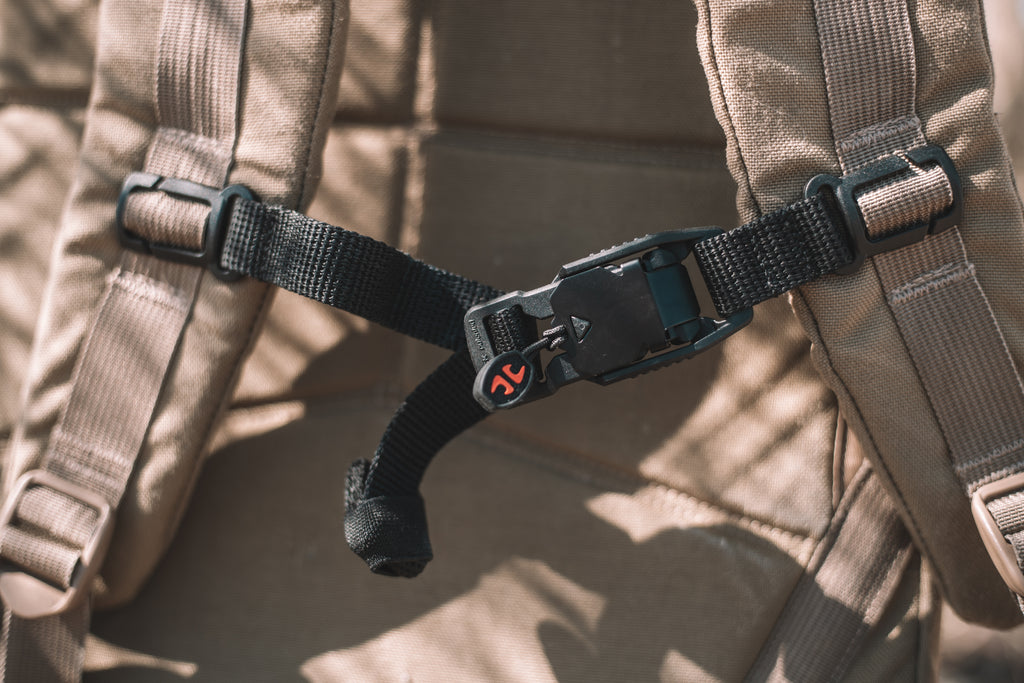
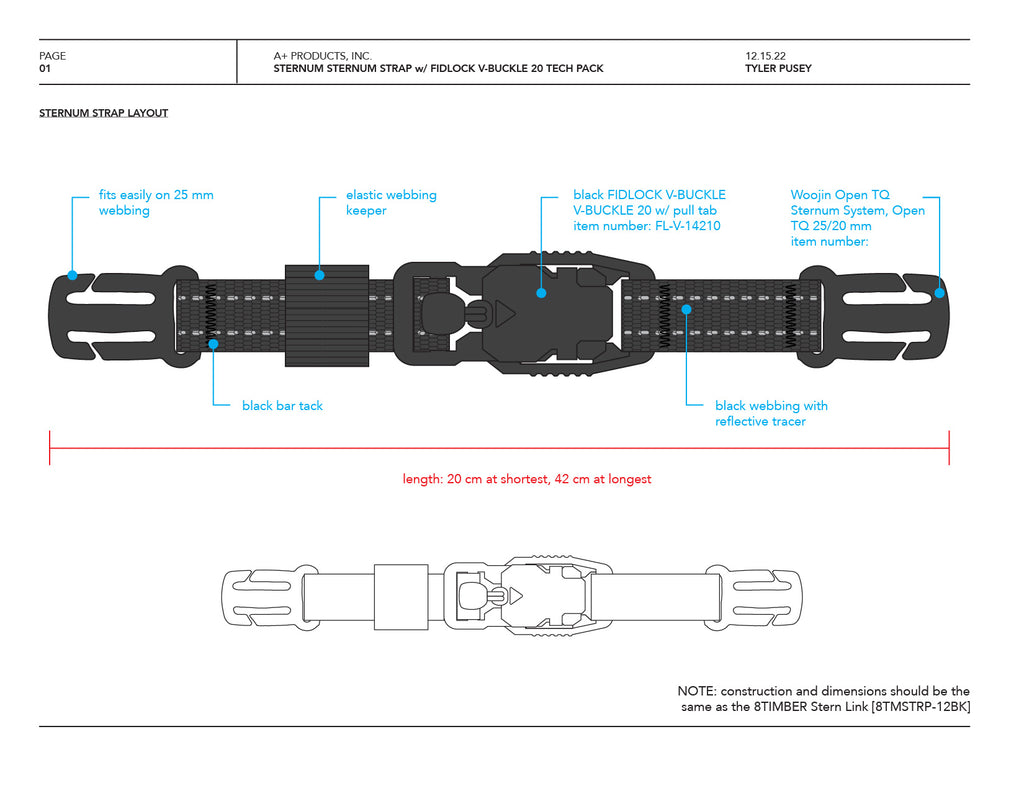
Certain FIDLOCK buckle designs use magnetic guidance to align components while mechanical elements secure the connection. Their release methods vary by model, so manufacturers should evaluate individual mechanisms rather than treating all magnetic buckles as interchangeable. Closure testing should reflect realistic handling conditions, including repeated operation throughout the day.
Align Buckle Dimensions With Strap Compatibility
Even a well-designed buckle can perform poorly when its dimensions conflict with the surrounding materials. Strap width provides an important starting point, but thickness and flexibility also affect compatibility.
Manufacturers should compare buckle openings against their intended webbing specifications. Excessive clearance may allow unwanted movement, while an opening that fits too tightly can interfere with adjustment. Strap texture also influences how securely an adjustment mechanism grips the material.
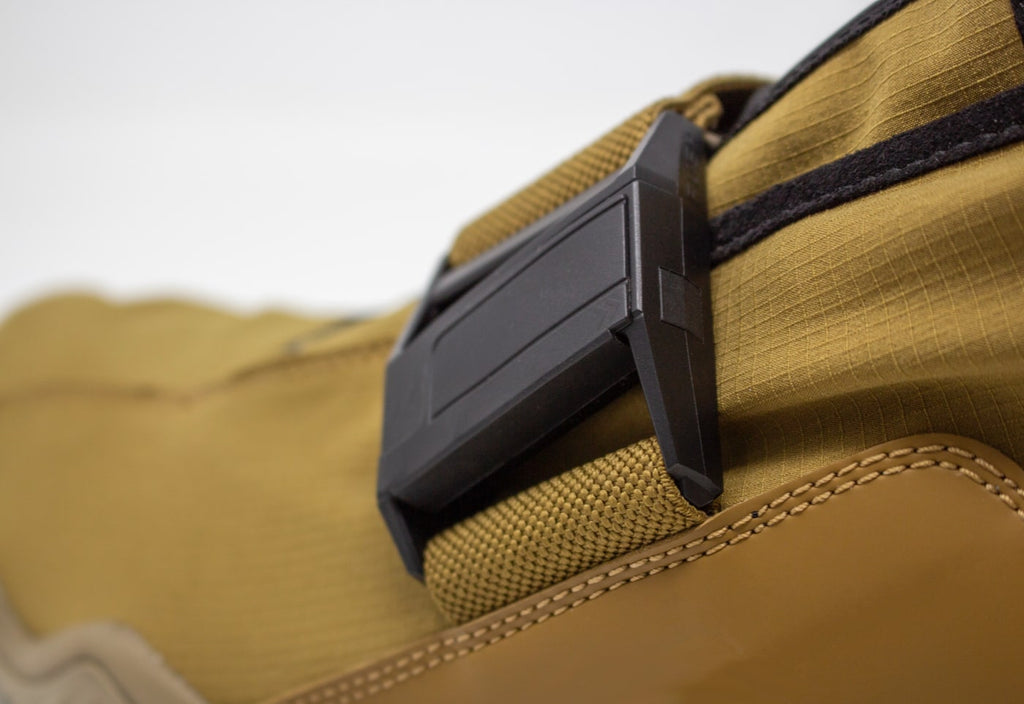
Hardware geometry deserves equal consideration because curved buckle profiles may suit certain applications, while flatter designs accommodate products that require minimal bulk. Attachment orientation also determines how the strap enters and exits the component. Prototype evaluations should use actual production webbing whenever possible to identify compatibility concerns before manufacturing begins.
Evaluate Adjustment Features Against Product Function
Not every product requires the same degree of strap adjustment. Some applications need a fixed connection, while others demand frequent length changes to accommodate different users or operating conditions.
Ladder lock buckles allow users to adjust webbing length through a friction-based threading arrangement. Their effectiveness depends on strap compatibility and the tension applied during use. Manufacturers should verify whether the selected configuration maintains the desired adjustment under expected loads.
Cam buckles use a movable mechanism to grip the strap and may support controlled adjustment with convenient release. However, manufacturers must confirm that the specific component suits the intended loading conditions.
Fixed-length assemblies introduce different considerations because a simpler connection may reduce hardware complexity when users do not need adjustment. Product teams should establish whether adjustability provides a functional benefit before incorporating additional mechanisms.
Consider Buckle Profiles During Product Development
Buckle shape influences how hardware integrates into the finished product. A bulky closure may interfere with comfortable wear, while an excessively small component can make operation difficult.
Low-profile buckles suit applications where manufacturers want hardware to sit close to the product surface. Apparel and compact accessories often benefit from reduced projection, particularly where components contact the body.
Larger buckle bodies offer more accessible gripping surfaces, making operation easier for users who wear gloves or need a more substantial release mechanism. Designers should also examine how fabric folds or nearby seams might restrict access to release controls. Evaluating component placement during prototype development allows manufacturers to address these concerns before finalizing the layout.

Account for Environmental Exposure and Maintenance
Products that encounter moisture or abrasive materials require additional attention during buckle selection. Environmental conditions influence material integrity and closure operation over time.
Outdoor equipment may encounter dirt that collects around moving components. This means manufacturers should consider whether the buckle design allows users to remove debris without complicated maintenance, particularly when the hardware contains exposed mechanisms.
Chemical exposure introduces another concern because cleaning agents and industrial substances can affect certain polymers or metal finishes. Compatibility depends on the specific material and exposure conditions. Manufacturers should request relevant material information and conduct representative testing rather than relying on general durability claims.
Verify Buckle Performance Before Production
Matching buckles to product performance needs ultimately comes down to validating the selected hardware within its intended application. Individual component specifications provide useful information, but they cannot fully predict how an assembled product will behave.
Product teams should evaluate prototypes under conditions that reflect normal use. Repeated closure cycles can reveal operating changes, while load testing can identify weaknesses in strap connections. Manufacturers should document results against their performance requirements and adjust accordingly.
Safety-related products require particular care because component selection alone cannot establish whether a complete product meets applicable standards. Manufacturers remain responsible for testing their finished equipment and verifying its suitability for the intended application.
Find Ideal Buckle Solutions
Selecting the right hardware becomes easier when manufacturers compare component options against specific product requirements. At A+ Products, we supply buckle hardware for businesses across numerous industries, including apparel, pet products, and workwear. Our selection includes plastic closures, FIDLOCK buckles, and metal buckle options.
We also support custom sourcing for manufacturers whose projects require particular dimensions or functional characteristics. Our team can discuss available components and sourcing considerations based on your application. Contact A+ Products today to discuss your buckle requirements and explore hardware options that align with your product’s performance needs.