







When straps dig into the shoulders, slip out of adjustment, or wear down too quickly, users notice right away. Strong strap design also depends on how each part works with the rest of the system. Webbing, padding, stitch patterns, and adjustment hardware all influence comfort, fit, and long-term performance.
When the right elements align, the final product feels more reliable and holds up better in daily use. Below, we've explained how to make durable, custom backpack straps to help you create your product(s).
Choose the Right Webbing Material
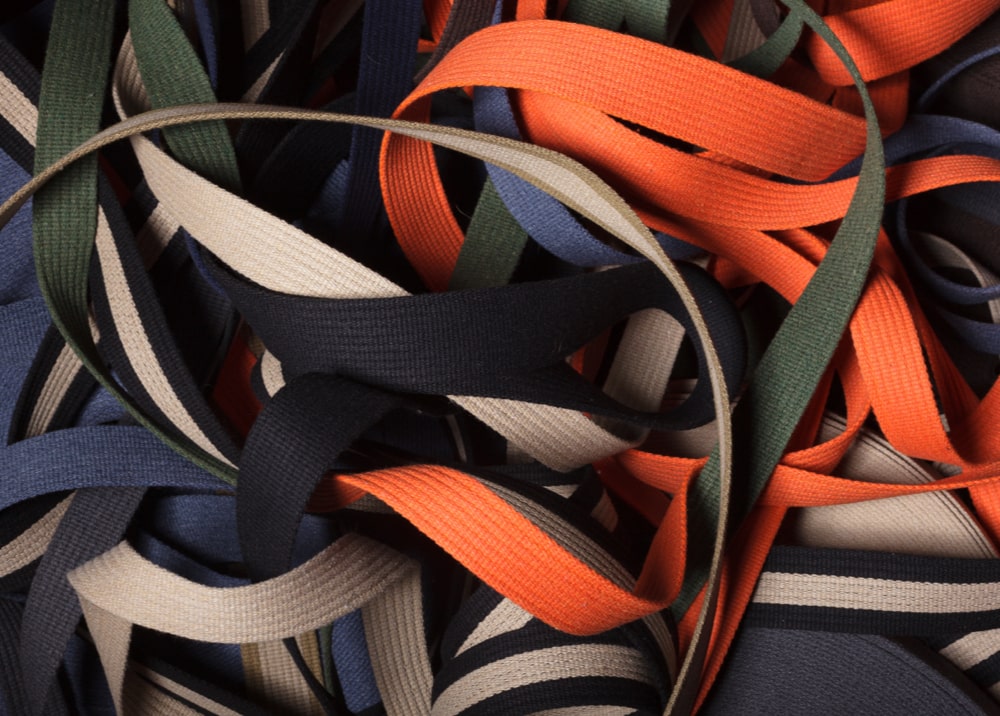
Webbing creates the base structure of a backpack strap, so it deserves close attention early in development. The material affects strength, flexibility, weather resistance, and the strap's feel in motion.
For example, a school backpack, a tactical bag, and a work pack may all need different performance characteristics, even if they look similar at first glance. Manufacturers achieve better results when they match the webbing to the specific use case rather than choosing a one-size-fits-all option.
Nylon Webbing
Nylon offers designers a strong, flexible option for applications that require durability under repeated movement and loading. It handles tension well and offers a bit of stretch, which can help reduce the sharp feel of sudden weight shifts. That quality makes nylon useful for backpacks that carry gear through active, demanding conditions.
Nylon does come with tradeoffs, though. It can absorb moisture, and long exposure to sunlight can affect performance over time. When your product faces wet conditions or long-term storage in variable environments, you must weigh these factors before finalizing the material specification.
Polyester Webbing
Polyester offers a more stable structure with strong resistance to moisture and UV exposure. That makes it a practical choice for outdoor products or backpacks that need to maintain shape and performance through changing conditions. It also stretches less than nylon, which helps straps hold their adjustment more consistently over time.
Added stability can improve user experience in products where a secure, steady fit matters. That stability helps straps maintain a consistent fit under load, especially in applications where repeated movement or weight shifts can cause other materials to stretch or loosen.

Select Hardware That Matches Load Requirements
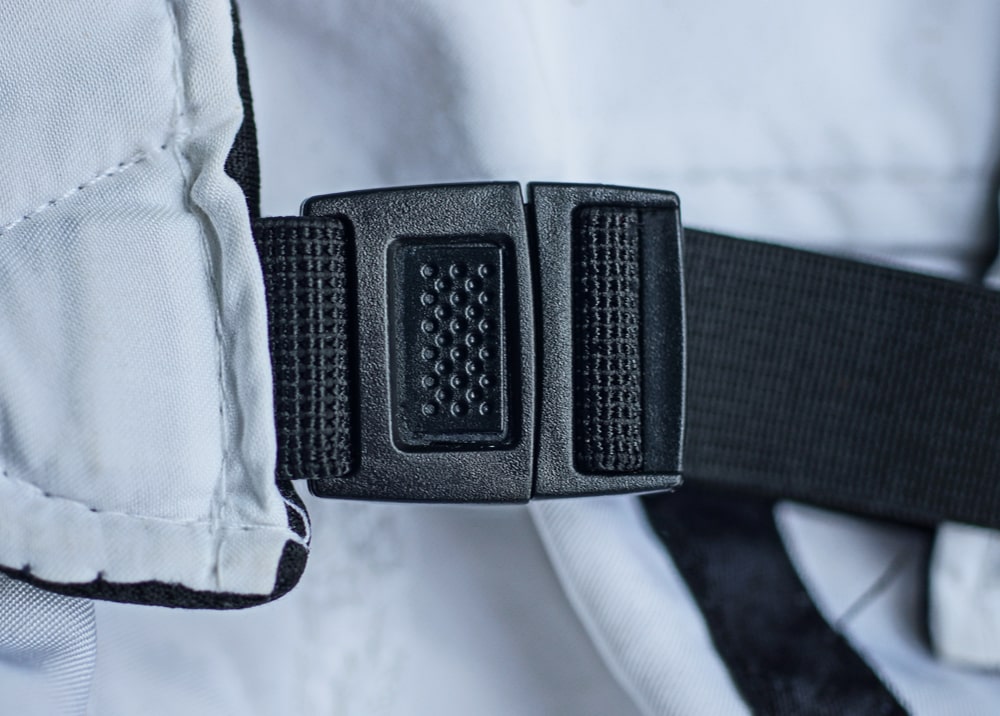
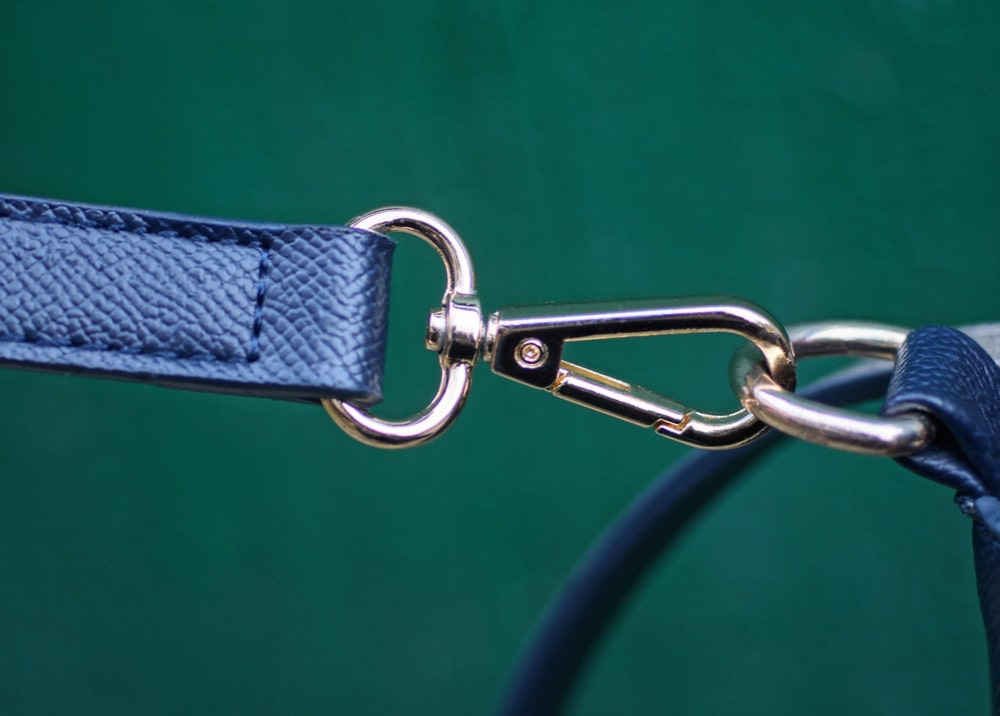
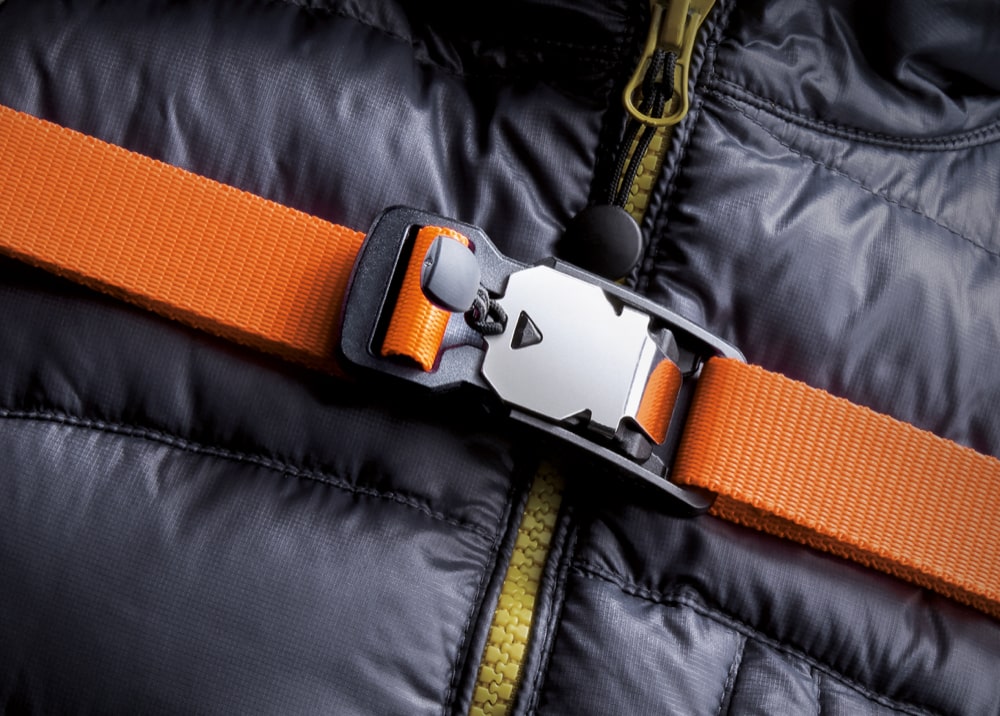
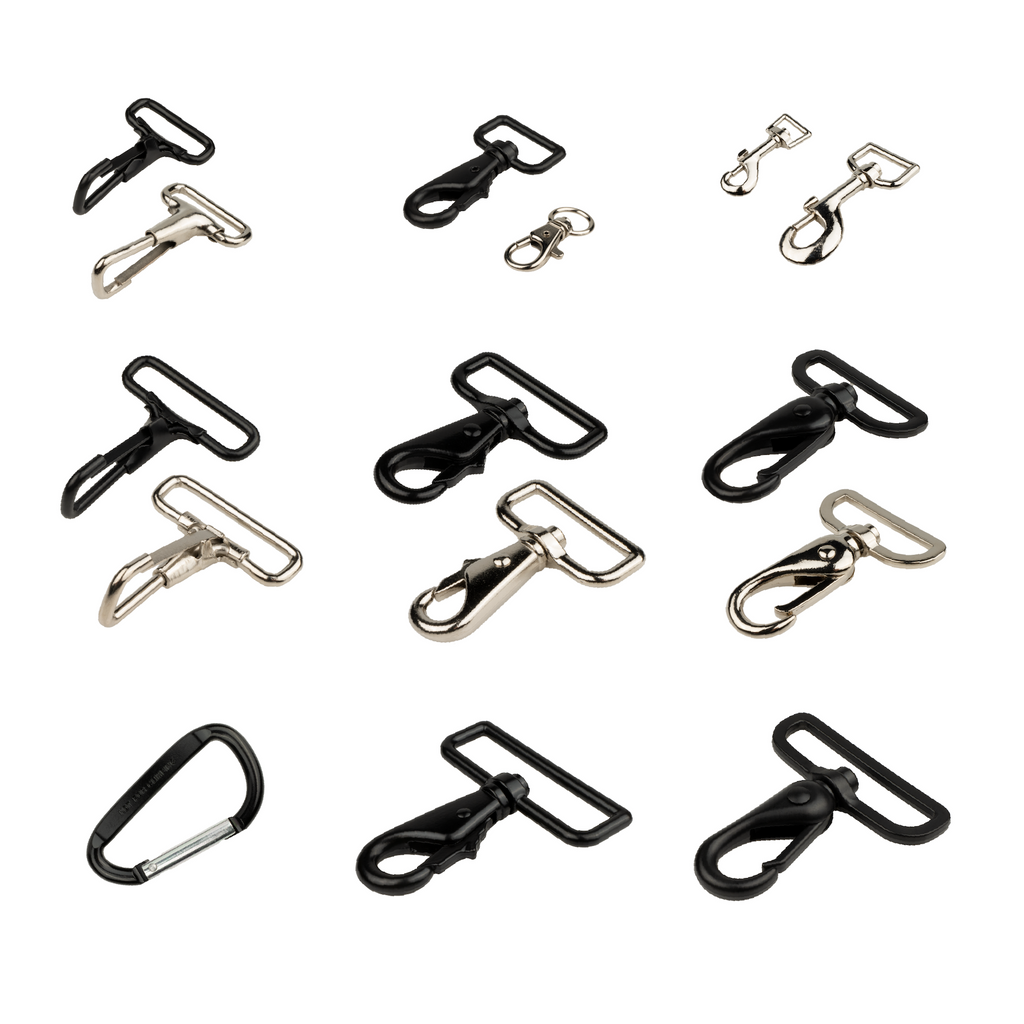
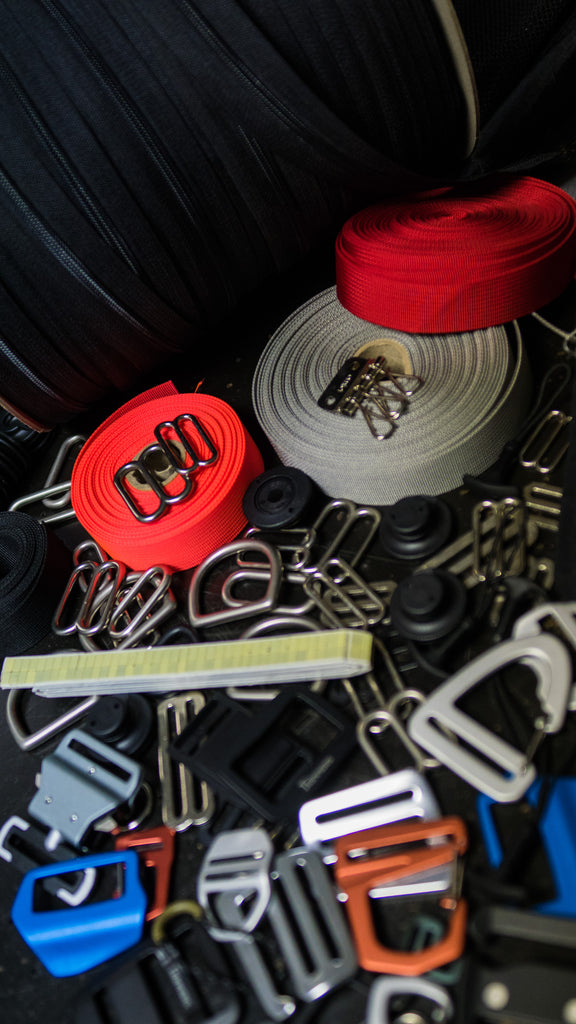
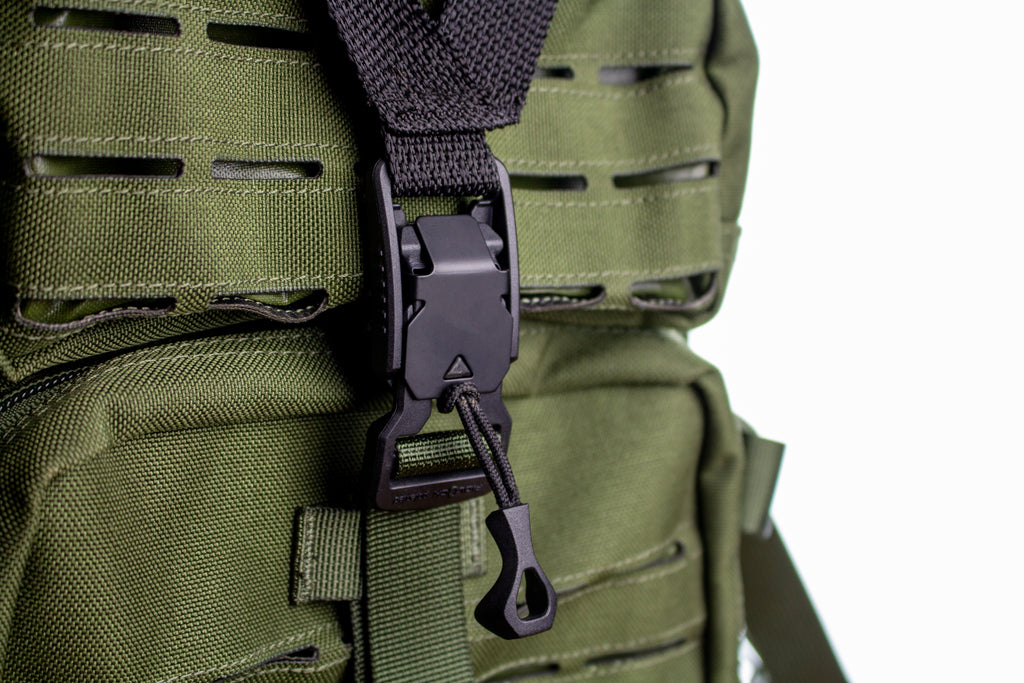
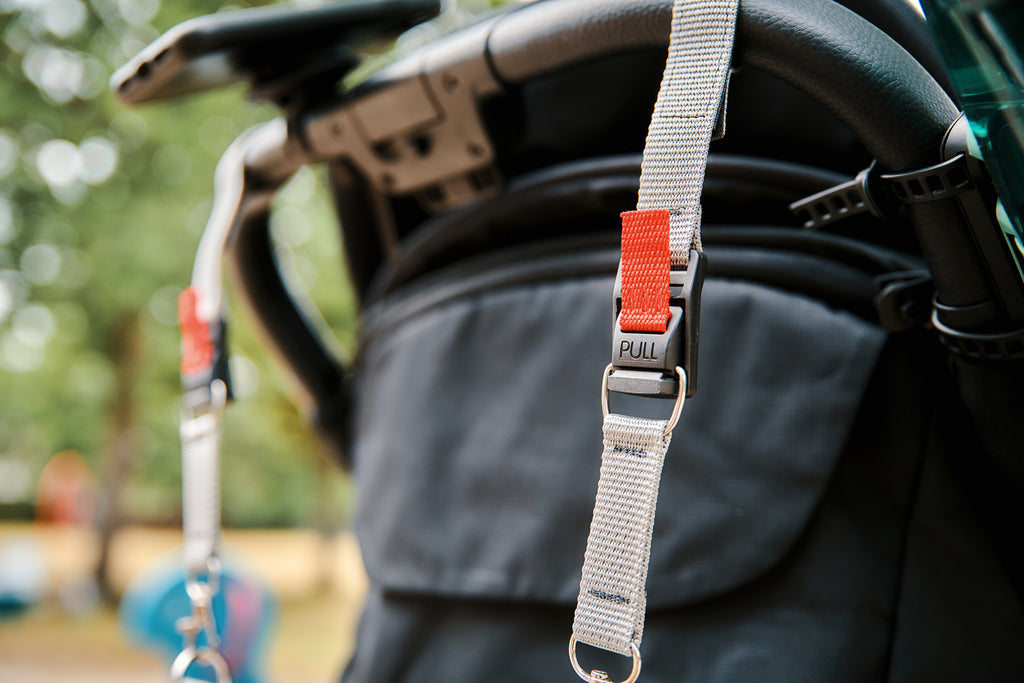
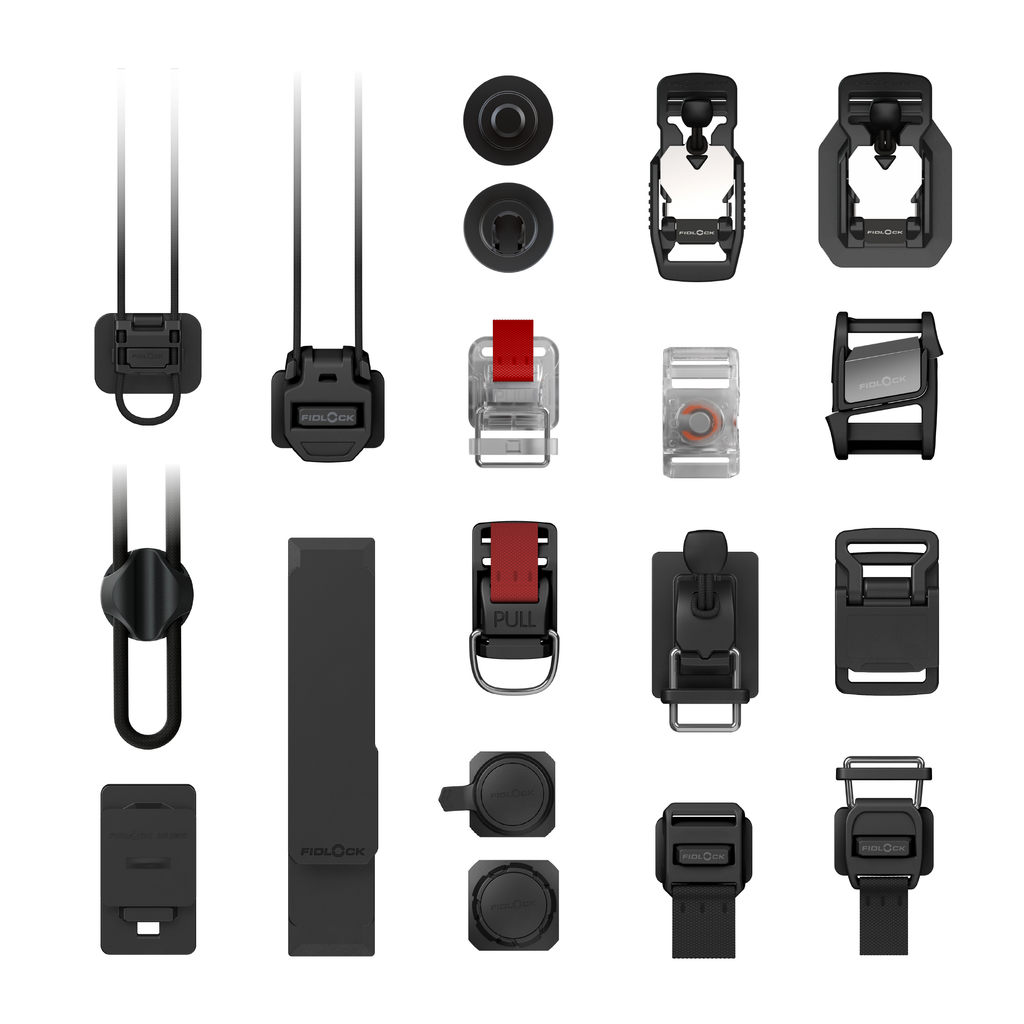
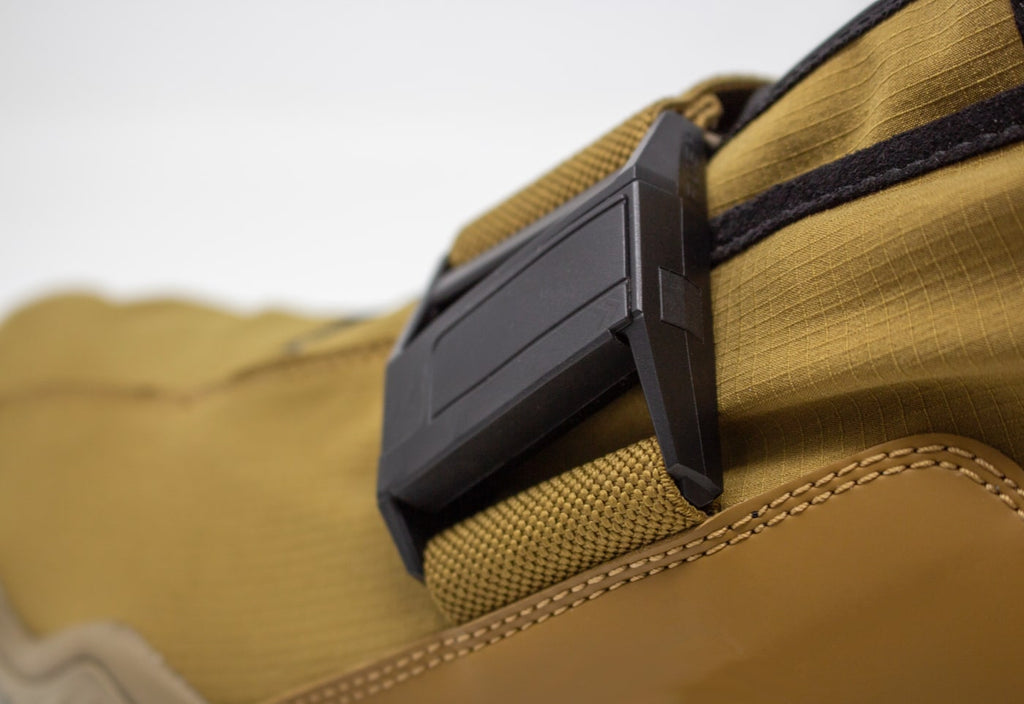
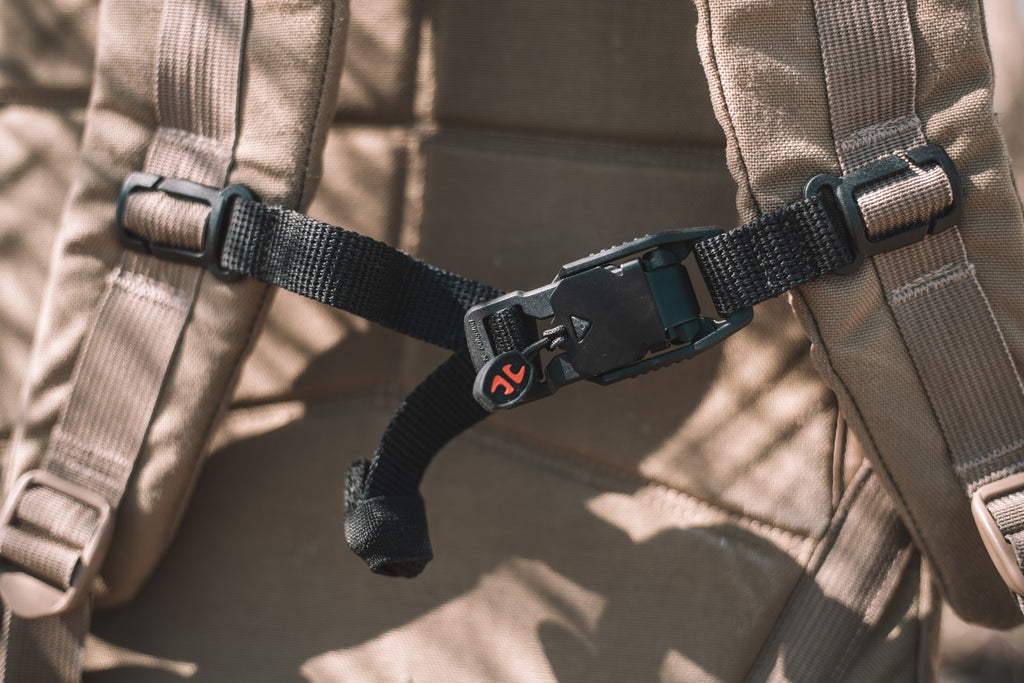
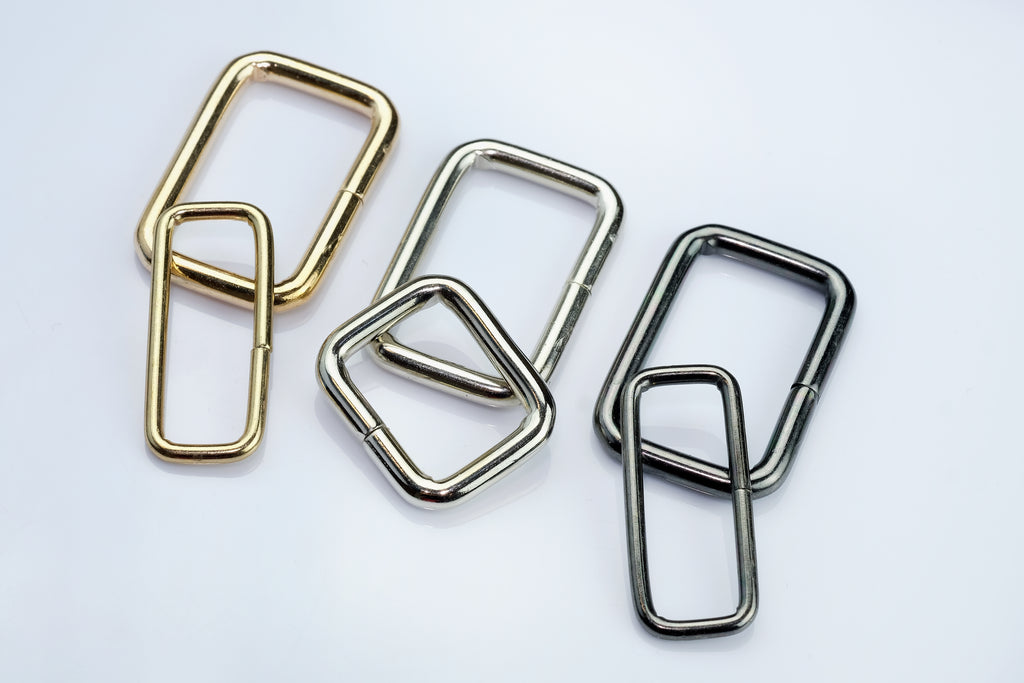
Another tip for making durable, custom backpack straps is to select the right hardware. Buckles, sliders, adjusters, and attachment points need to fit the webbing correctly and support the expected load without creating friction or instability. When the hardware feels too loose, too tight, or too light for the application, the strap often loses reliability long before the webbing does.
Manufacturers should review a few core questions before finalizing hardware:
- • Does the hardware match the webbing width exactly?
- • Will it hold adjustment under repeated movement?
- • Can it handle the expected weight without cracking or deforming?
- • Does it support the user experience the product requires?
A compact everyday pack may need smooth, low-profile hardware, while a heavier-duty application may need a more robust setup that prioritizes strength over minimal size. Good sourcing helps manufacturers build a complete system rather than piecing together components that may not work well together.
Design for Adjustability
Adjustability plays a major role in fit, comfort, and usability. Users need to lengthen or shorten straps without fighting the hardware, and the straps need to stay in place once set. That balance matters across many product categories, from school and commuter bags to tactical and work gear.
A robust adjustment system depends on the relationships among webbing texture, hardware shape, and expected movement. Slippery webbing paired with poorly matched hardware can cause constant loosening during wear. In contrast, a well-designed system feels smooth during adjustment and stable during use.
Incorporate Padding for Comfort
A durable strap still needs to feel comfortable in use. If the strap causes pressure, heat buildup, or shoulder fatigue, users may view the entire backpack as low-quality even if the construction holds up well. Padding helps bridge that gap between structural durability and day-to-day comfort.
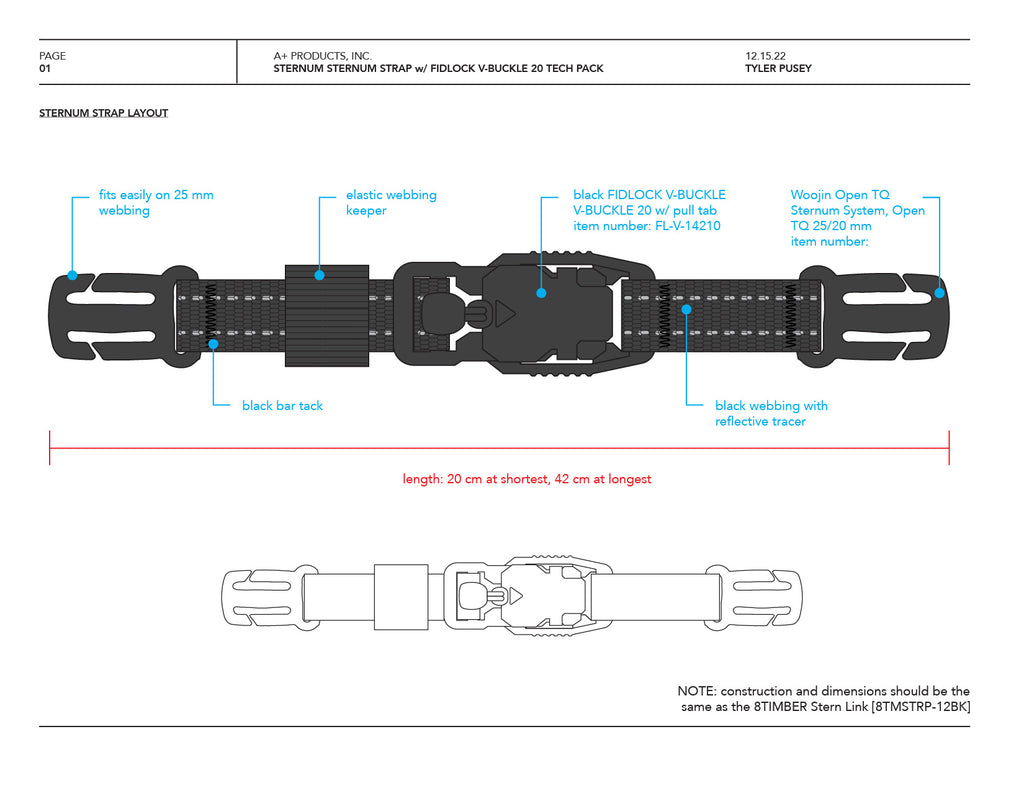
Our team at A+ Products can help source every component of your webbing strap assembly, from webbing, narrow fabrics, buckles, and hardware to the additional materials that enhance comfort and performance. Padding options such as foam add cushioning and shape, while spacer mesh can improve airflow and reduce heat retention. The right amount of padding depends on the pack’s purpose and expected load. Too much padding can create bulk that interferes with movement, but too little can make the strap feel harsh underweight. Manufacturers achieve better results when they balance support, breathability, and profile rather than chasing a single feature.

Reinforce High-Stress Areas
Backpack straps tend to fail in predictable areas rather than at random. The highest stress usually occurs at the strap ends, where the webbing connects to the pack, and at adjustment points that experience repeated movement. These sections experience constant tension and shifting loads, which makes them more vulnerable to wear over time. When manufacturers identify these areas early, they can reinforce them before problems show up in use.
Reinforcement should focus on those specific zones instead of adding bulk across the entire strap. Extra webbing layers at anchor points and dense stitch patterns like bar tacks help secure the connection and prevent tearing.
Test for Real-World Conditions
Product specs can point a design in the right direction, but real-world testing shows how the strap performs in actual use. Repeated loading, friction, moisture, and user movement can expose weaknesses that never appear in controlled conditions. Testing gives manufacturers a chance to evaluate the full strap system before issues reach production.
That process should reflect how people will use the product. Some examples include the following:
- Outdoor backpacks: exposure to moisture, UV rays, and abrasive surfaces
- Work or tactical gear: repeated load shifts, rapid movement, and high-tension points
- Everyday use: frequent adjustment, light abrasion, and long-term wear
Clear, application-specific testing helps manufacturers make informed decisions based on performance, not assumptions.
Source Components From a Reliable Partner
Consistent sourcing helps manufacturers maintain quality across every stage of production. When webbing, hardware, and other components vary too much from one run to the next, the final product can lose fit, strength, or overall consistency. That risk makes supplier selection an important part of strap development, not just a purchasing decision.
Partner With Us
A+ Products works with manufacturers across industries to support the sourcing of strap hardware, assemblies, and custom components. We have durable plastic buckles for straps that you can use to elevate your next product. Our team can help narrow your options if you’re not sure which option would be best.
Durable backpack straps result from a series of connected decisions rather than a single standout material or feature. Webbing, hardware, reinforcement, stitching, padding, adjustment, testing, and pack integration all shape the final product's performance in the field. When manufacturers give each of those areas the right level of attention, they build straps that feel better, last longer, and support a stronger product.