
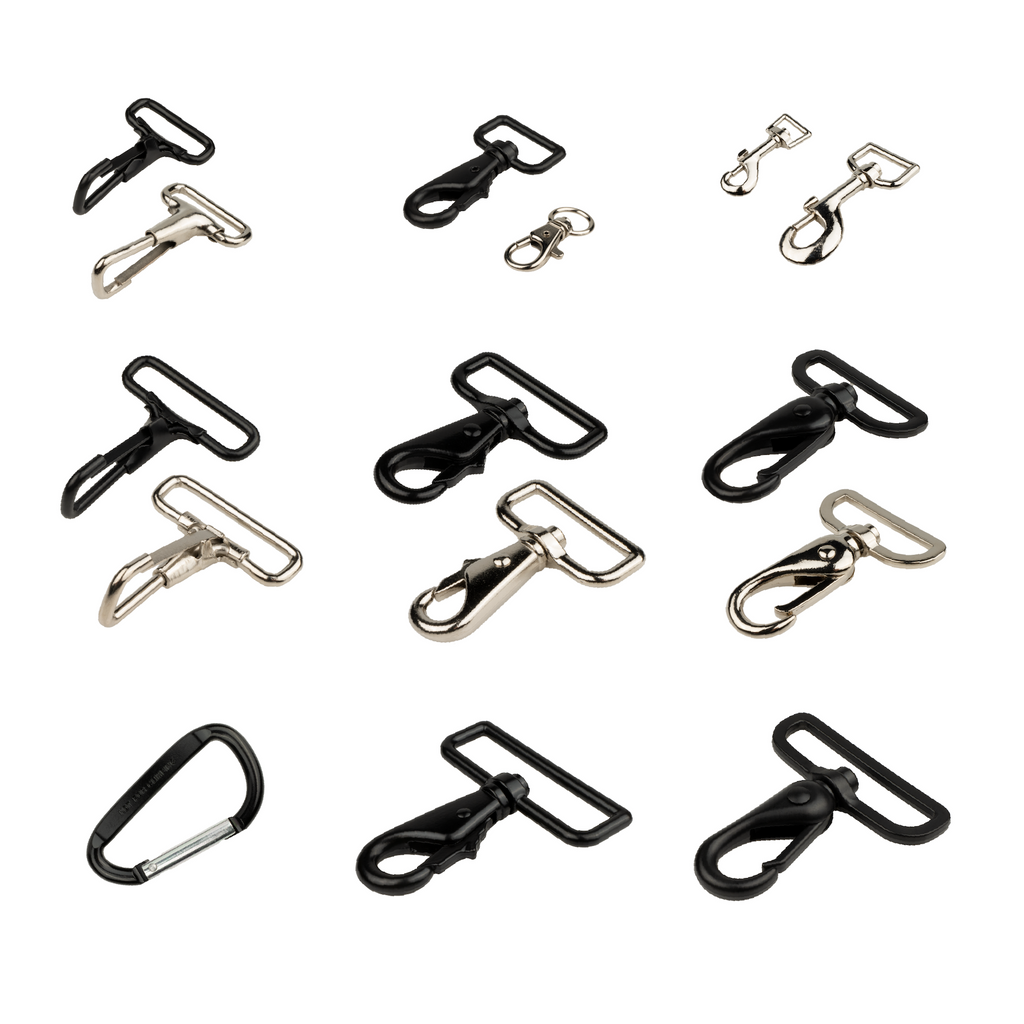
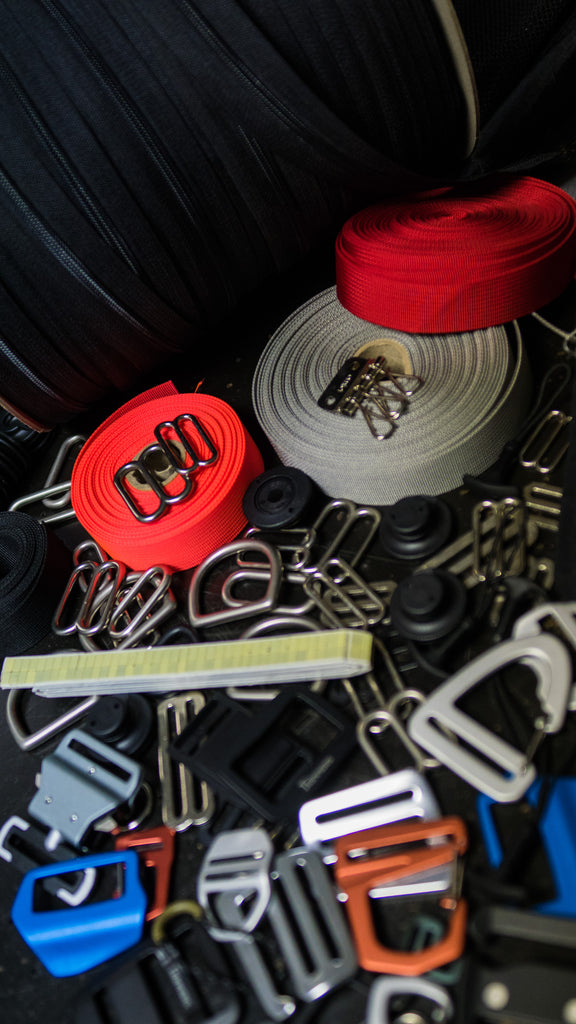
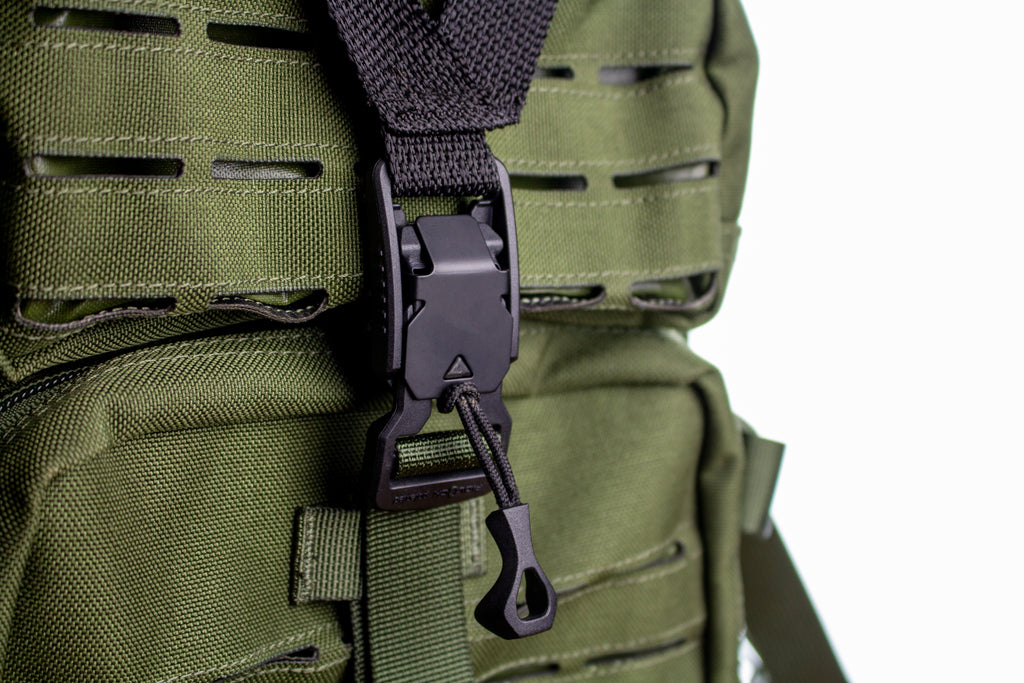

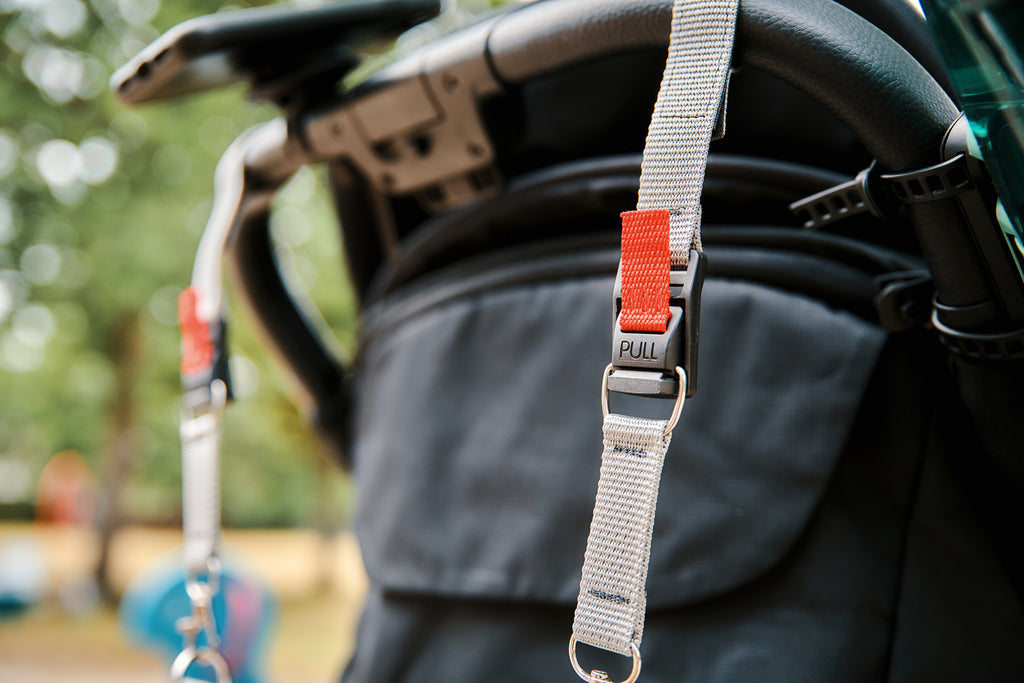







Belts rely on more than strong materials or careful stitching. The hardware used in construction determines how well the belt holds tension, resists wear, and maintains its shape over time. Manufacturers often evaluate hardware choices closely because belts experience repeated movement, adjustment, and daily use.
Knowing the essential hardware components for making durable belts helps designers choose the right parts for performance, longevity, and user comfort. Each component plays a specific role in securing the strap, reinforcing stress points, or improving adjustability. When these elements work together, the finished belt performs reliably across a wide range of applications.
The Essential Hardware Components for Making Durable Belts
Belt construction relies on several hardware pieces that support structure, function, and durability. Designers choose each component based on the belt’s intended use and the amount of tension the strap must handle. The following hardware elements form the foundation of most durable belt designs:
- • Belt Buckle
- • Belt Keeper (Loop)
- • Belt Tip (End Cap)
- • Chicago Screws
- • Rivets
- • Snaps
- • Grommets (Eyelets)
- • D-Rings
- • Strap Slides / Adjusters
- • Decorative or Reinforcement Plates
Below, we’ve detailed each component so you understand what you’ll order.

Belt Buckle
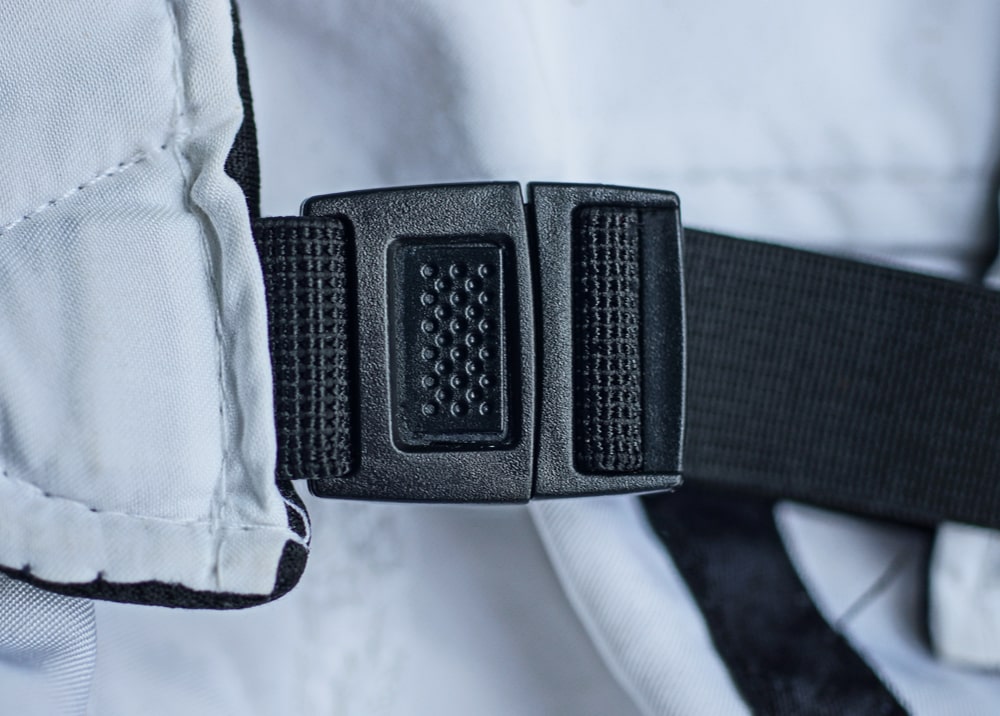
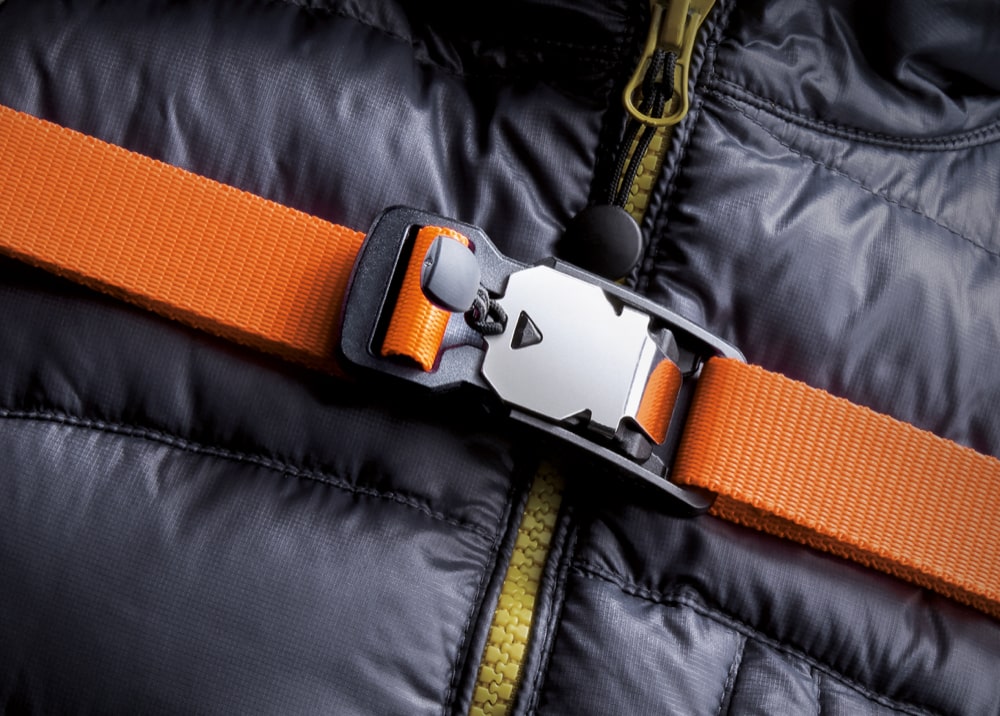
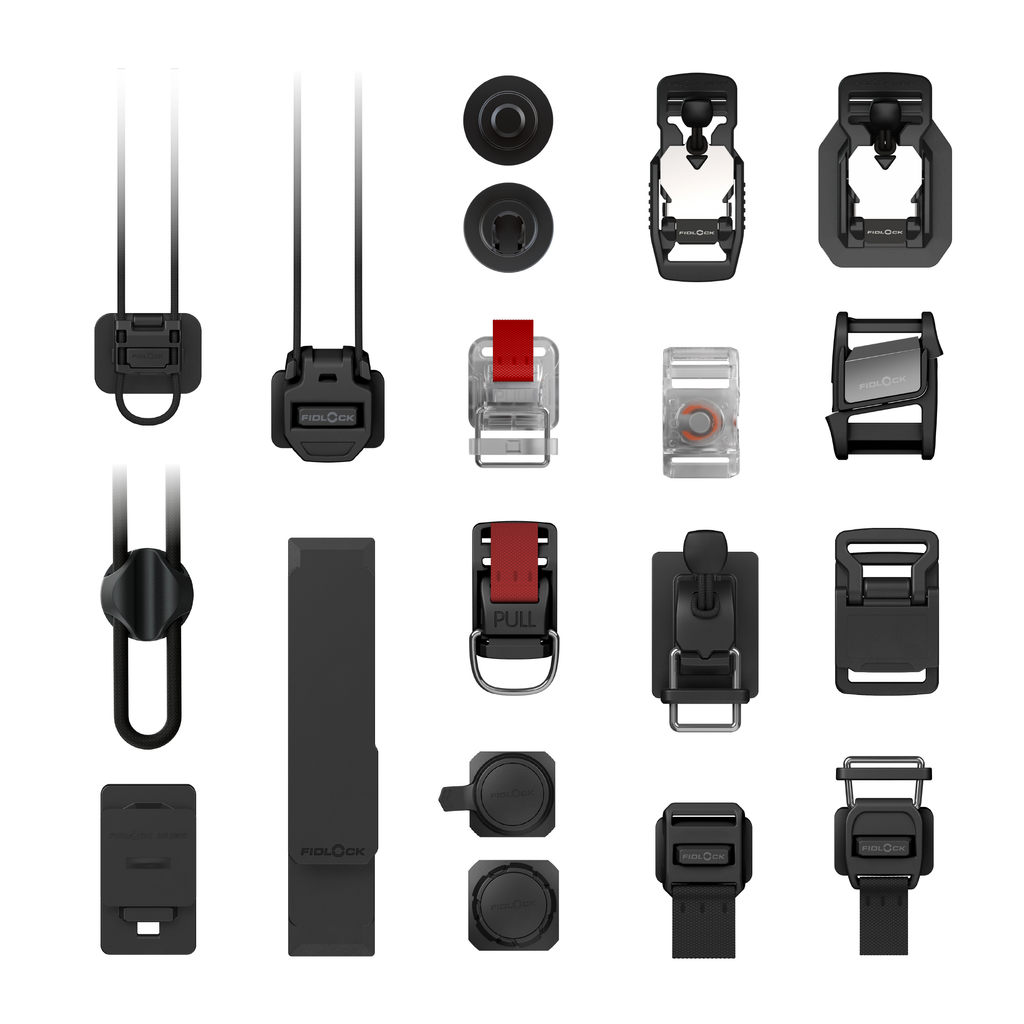
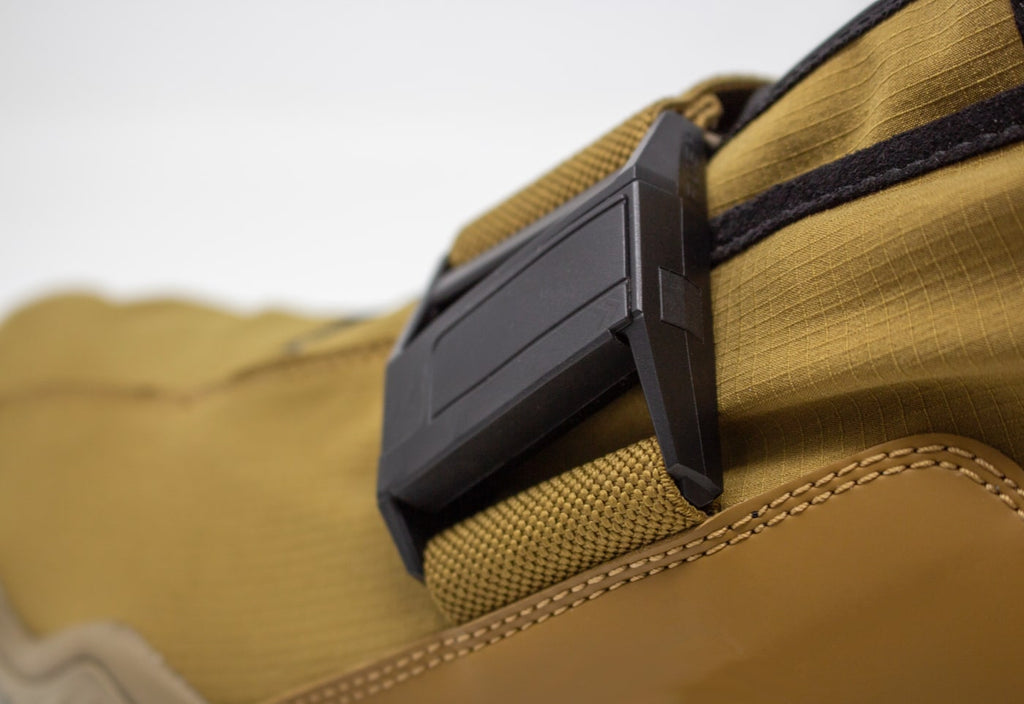
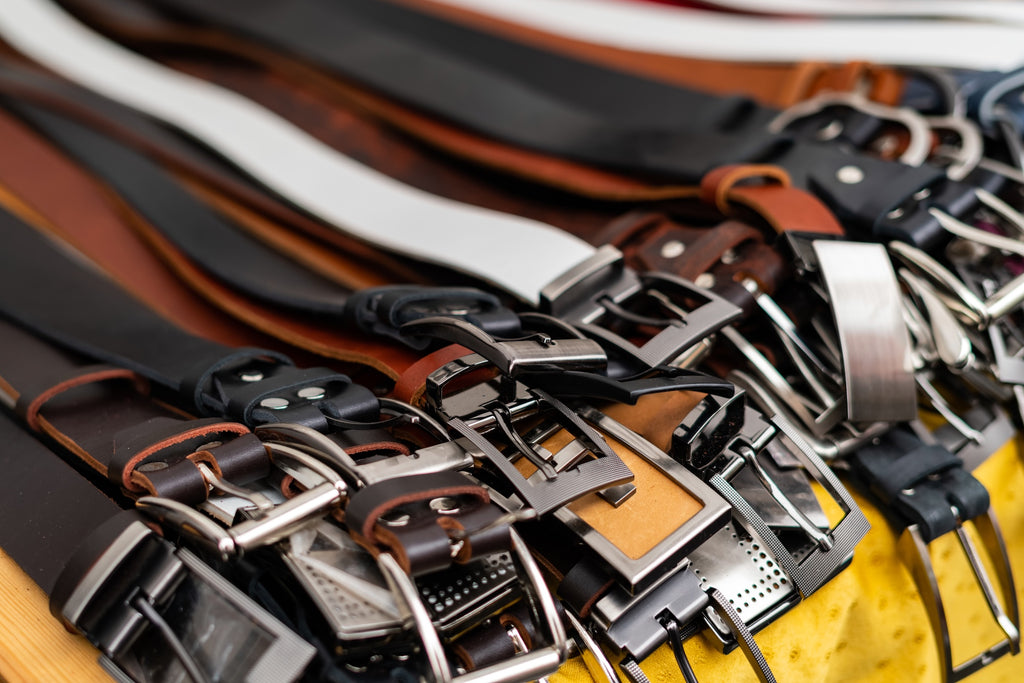
The buckle secures the belt and creates the primary closure point. Designers often use frame buckles, end bar buckles, or center bar buckles with prongs because they offer reliable adjustment and secure the strap in place.
Keep in mind that different buckle styles support different uses, including casual apparel belts, workwear designs, and outdoor gear. For instance, frame buckles with prongs remain one of the most common options because they provide straightforward adjustment and dependable closure.
Moreover, material choice and construction quality influence long-term performance. Strong hardware helps the buckle maintain its shape while supporting repeated tightening and loosening.
Belt Keeper (Loop)
The belt keeper holds the loose end of the strap after the wearer fastens the belt. This small loop prevents the tail from moving freely or catching on clothing during wear. A properly sized keeper keeps the strap aligned and maintains a clean appearance.
Designers choose either fixed keepers or sliding versions depending on how the belt secures the strap tail. Fixed keepers stay stitched near the buckle, while sliding keepers move along the strap to hold the loose end firmly in place. Both options help control the belt tail and keep it aligned with the strap during wear.
Belt Tip (End Cap)
A belt tip reinforces the strap’s end and protects it from wear. The strap end moves through the buckle during every use, so reinforcement helps maintain its shape over time. Many designs include metal tips because they resist abrasion and improve durability.
The tip also guides the strap through the buckle smoothly during fastening. Designers often match the tip style to the buckle to maintain a consistent, polished appearance across the belt hardware.
Chicago Screws
Chicago screws secure the buckle to the belt strap while allowing removal if needed. Two threaded components connect through the strap layers and tighten together to create a strong hold. This design allows manufacturers to replace or swap buckles without damaging the belt.
Interchangeable buckle belts often use Chicago screws to simplify assembly and enable quick hardware changes. The threaded design keeps the buckle securely attached while still allowing removal when needed. This flexibility helps manufacturers support replaceable or customizable buckle designs.
Rivets
Rivets are another essential hardware component for making durable belts. These mechanisms provide permanent reinforcement in areas that experience frequent tension. Manufacturers often place rivets near buckle attachments or layered strap sections to strengthen the connection. The hardware compresses the materials together, preventing separation under stress.
Moreover, rivet placement plays an important role in overall durability. Designers position rivets at key load points to distribute tension more evenly across the strap. This reinforcement helps prevent material separation and extends the belt’s service life.
Snaps
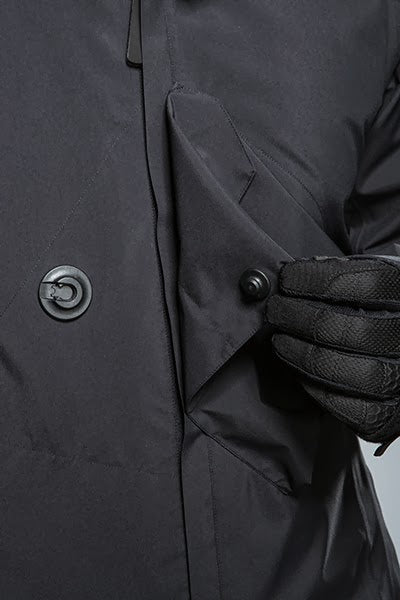
Snap fasteners allow quick, tool-free buckle removal. Designers often use snaps when belts support interchangeable buckles or modular components. The snap connection secures the strap while still allowing easy access when needed.
Additionally, snap fasteners simplify belt assembly and make buckle replacement easier when designs include interchangeable components. Strong snap construction keeps the connection secure during regular wear and repeated adjustments. Proper snap design also helps maintain consistent closure reliability over time.
Grommets (Eyelets)
Grommets reinforce the holes used for belt adjustment. Repeated tension can stretch or tear unprotected holes in leather or webbing straps. Metal eyelets distribute pressure around the opening and protect the surrounding material from wear.
Manufacturers often include grommets in belts designed for heavy use or frequent adjustment. The reinforced openings help the strap maintain consistent hole spacing and resist deformation over time. This reinforcement supports long-term durability while keeping the belt easy to adjust.
 D-Rings
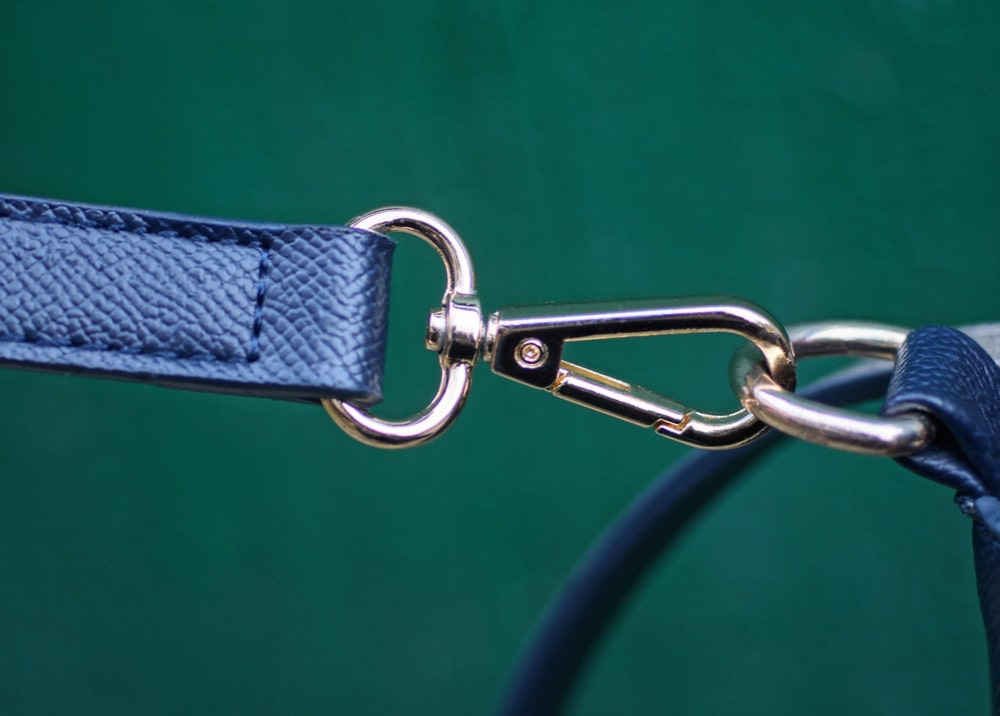
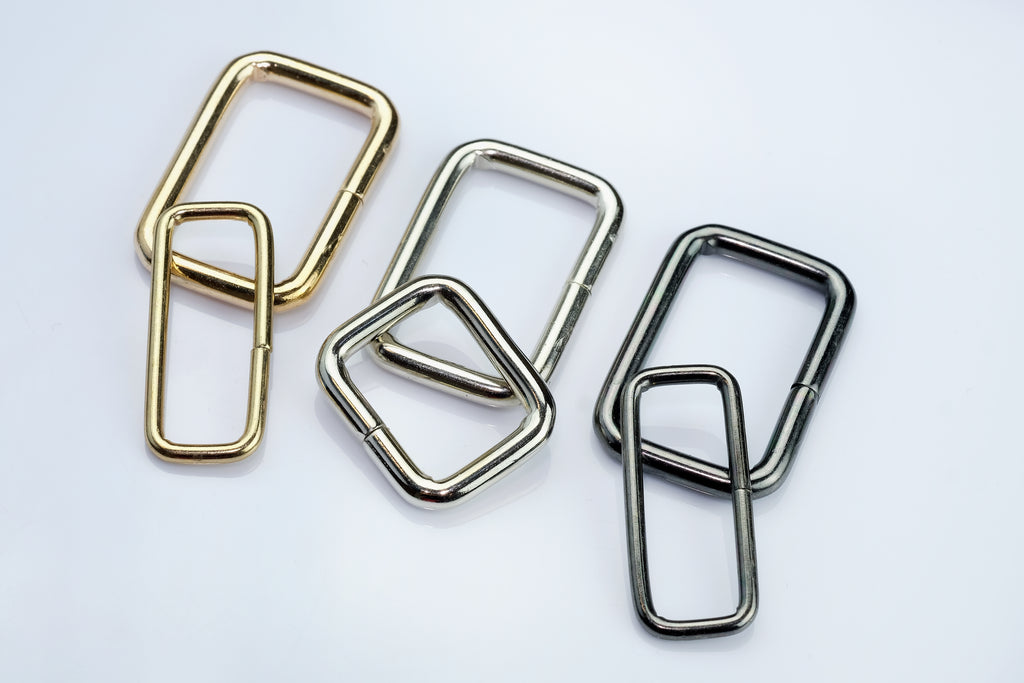
D-rings create an alternative belt closure that relies on friction rather than a prong system. The strap threads through two rings, and tension holds the belt in place. This system allows continuous adjustment instead of fixed hole spacing.
Designers commonly use D-ring systems in webbing belts, outdoor equipment, and tactical gear. This hardware allows users to tighten or loosen the strap quickly while maintaining a secure hold. The system also supports flexible sizing, which helps the belt adapt to different fits and uses.
Strap Slides / Adjusters
Strap slides allow users to adjust belt length without relying on pre-punched holes. The hardware grips the strap and holds it in place once tension is applied. This design allows smooth adjustments across a wide range of sizes.
Slides appear frequently in utility belts and webbing systems that require flexible sizing. Designers rely on these adjusters to provide quick length changes while keeping the strap secure during movement. Proper adjuster design prevents slipping and maintains consistent tension, which helps the belt stay comfortable and functional during regular use.
Decorative or Reinforcement Plates
Many belt designs include metal plates that strengthen high-stress areas. These plates distribute load across a wider area of the strap, reducing concentrated pressure and protecting the material from long-term wear. Designers often place reinforcement plates near buckle attachments because that section of the belt experiences the greatest tension during regular use.
Decorative plates may also appear in belt hardware to enhance the finished design. These components add visual detail while still protecting the strap surface from friction and repeated motion near key hardware.
How These Hardware Components Work Together
Durable belts rely on multiple hardware pieces working together to support strength, adjustability, and long-term wear. Each component plays a distinct role in maintaining the belt structure.
Key functions of belt hardware include the following:
- • Buckles create the primary closure point
- • Keepers hold the strap tail in place
- • Tips protect the belt end from wear
- • Rivets and screws reinforce stress points
- • Grommets strengthen the adjustment holes
- • D-rings and slides support an adjustable fit
- • Reinforcement plates distribute tension
When these parts function together, they support the performance expected of the essential hardware components used to make durable belts. Thoughtful hardware selection helps manufacturers maintain consistent product quality while improving long-term reliability.
Partner with Us
If your product requires reliable belt hardware, A+ Products works with manufacturers to source dependable components that support consistent production and product performance. Explore our options for belt hardware, including metal belt buckles for straps and other fastening components to support durable belt construction.
Our team helps businesses identify the right hardware solutions for their applications, including buckle components and assembled webbing straps.