






Dog collar hardware has to do more than look right on the finished product. The closure needs to support the way the collar fits, opens, and handles daily use. For pet product teams, that decision often comes down to a buckle or a clip, but the right answer depends on the collar’s purpose and the customer using it. This guide can help brands decide whether buckles or clips are better for dog collars.
Collar Use Should Lead the Hardware Choice
Collars that stay on most of the day do not need the same closure experience as designs that come off often. Pet owners who remove collars before grooming may value speed, while others may prefer a traditional fit that feels familiar. The hardware should support the daily routine rather than forcing the user to adjust to the product.
Product teams should also consider the role each collar plays in the dog’s life. Simple identification styles may need a different closure than designs built for stronger handling.
Clips Can Support Faster Daily Handling
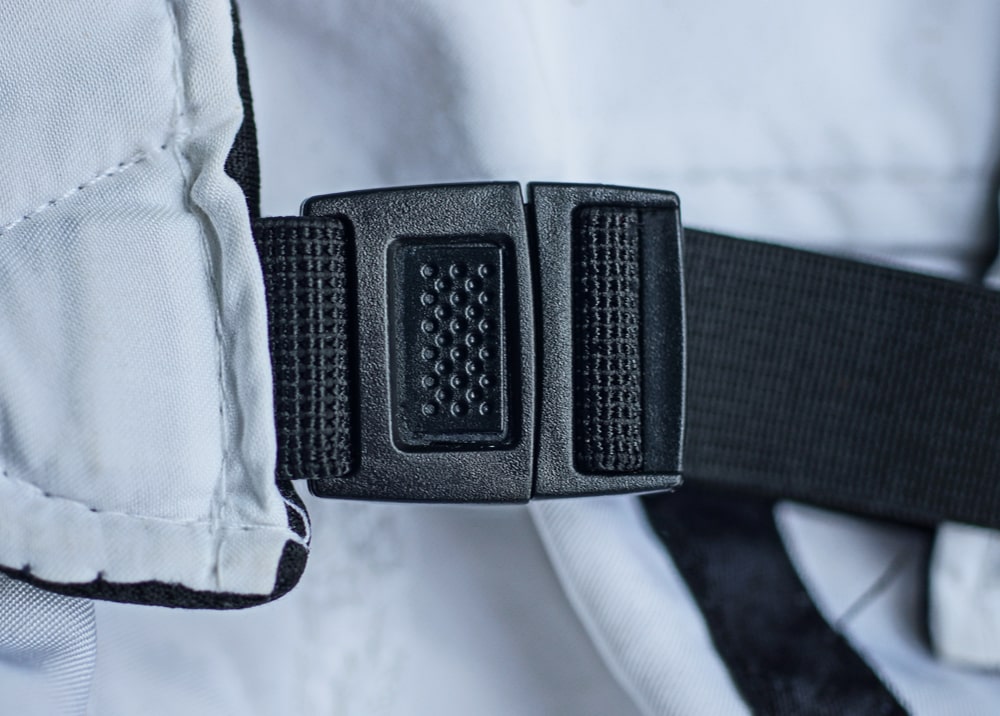
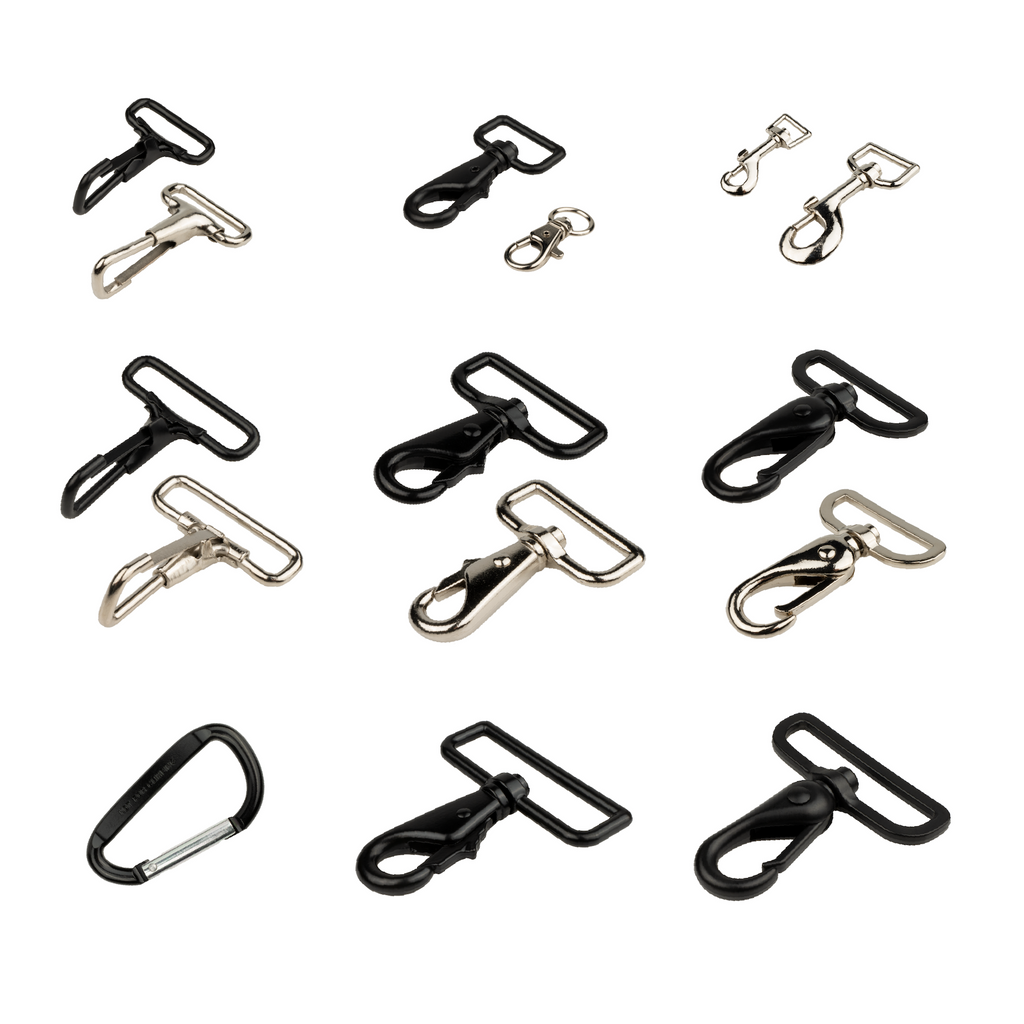
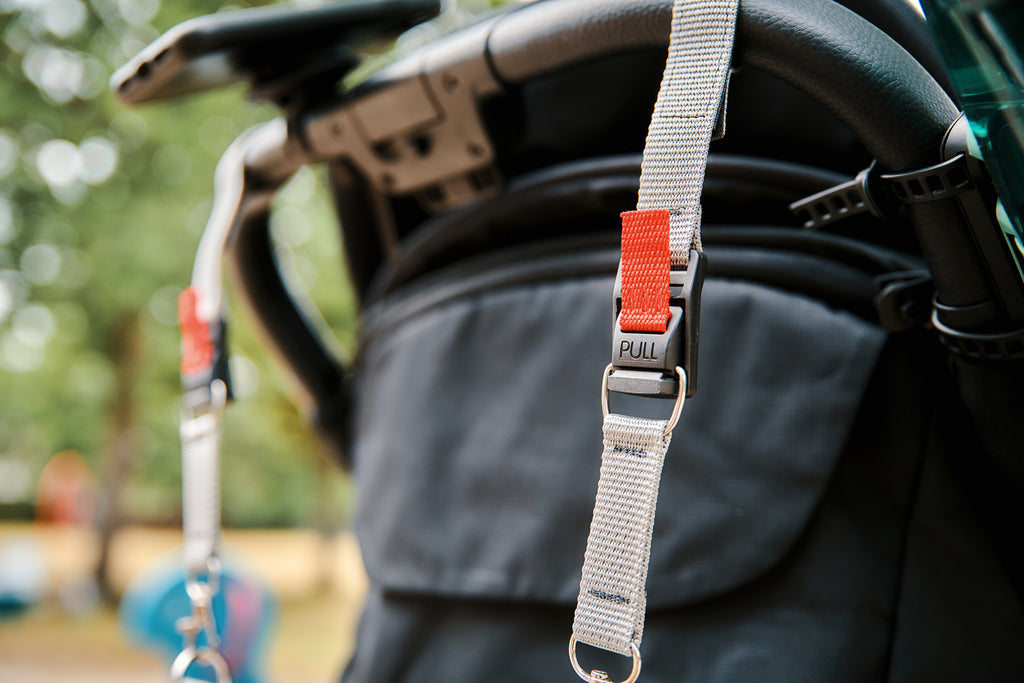
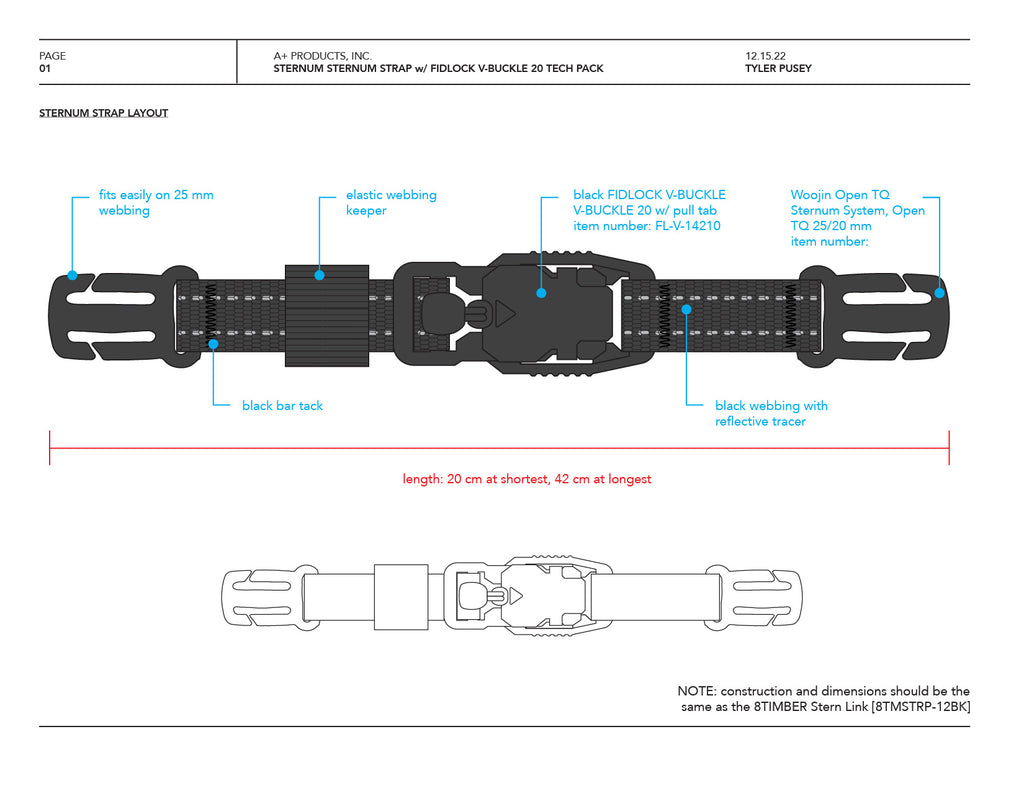
Clips often make sense when convenience matters most. Many pet owners understand how a side-release clip works, so the collar can feel easy to use from the first interaction. That kind of closure can work well for collars that customers remove often, especially when the product needs a quick open-and-close experience.
Although convenience can make a clip appealing, the closure still needs to fit the rest of the product. The clip should match the collar’s strap width and feel comfortable in the owner’s hand, because a poor match can change how reliable the finished collar feels. If the hardware feels bulky or too light for the design, customers may notice the mismatch before they notice the convenience.
Buckles Can Create a Familiar Adjustable Fit
Buckles can give dog collars a more familiar fit experience when the design features adjustment holes. Instead of relying on a single closure point, the collar gives the customer a visible way to tighten or loosen the fit. That can work especially well for designs where the brand wants the hardware to feel traditional and easy to understand.
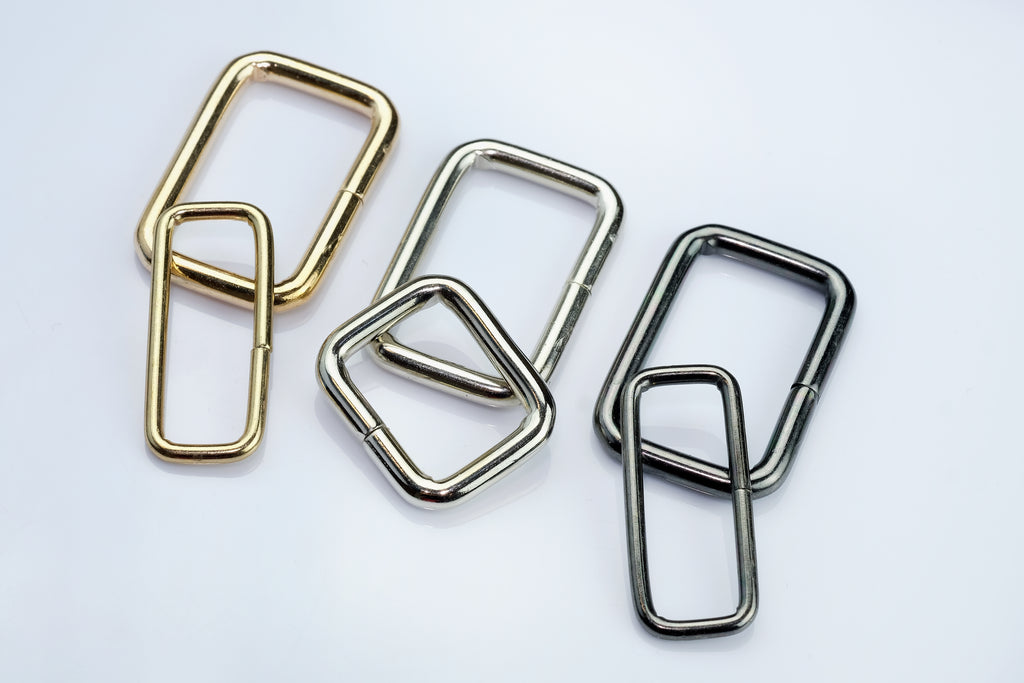
Even with that familiar structure, the buckle has to work cleanly with the strap before the design moves into production. The frame should suit the strap thickness, while the tongue needs enough movement to fasten without making the collar feel fussy. When the hardware feels like a natural part of the collar, the finished product can look structured without becoming difficult for the customer to use.

Material Changes the Feel of the Finished Collar
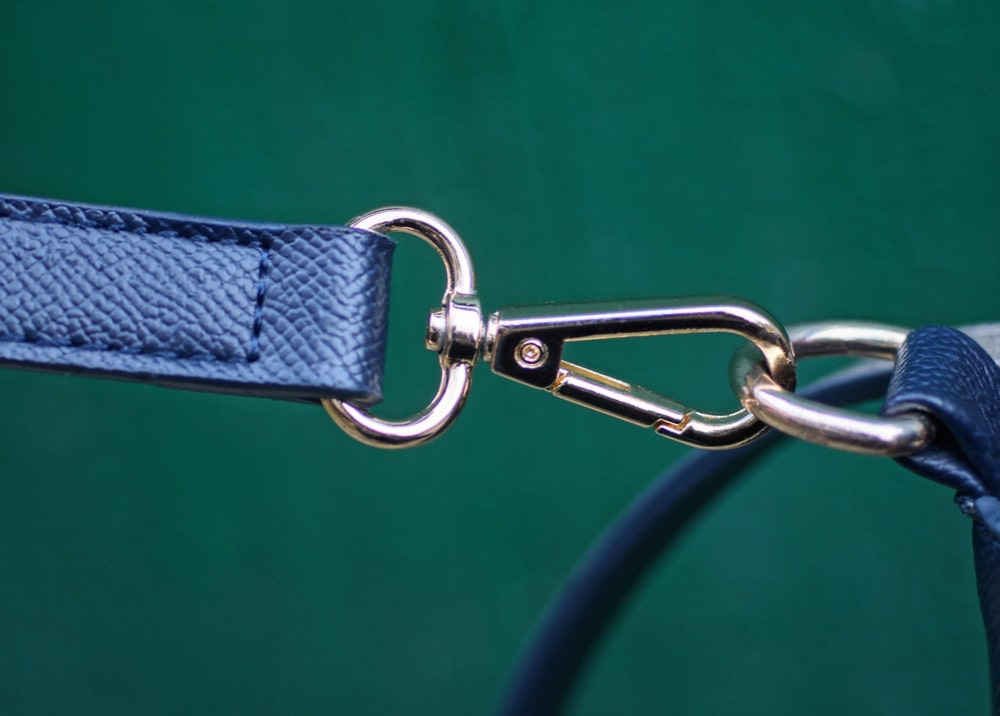
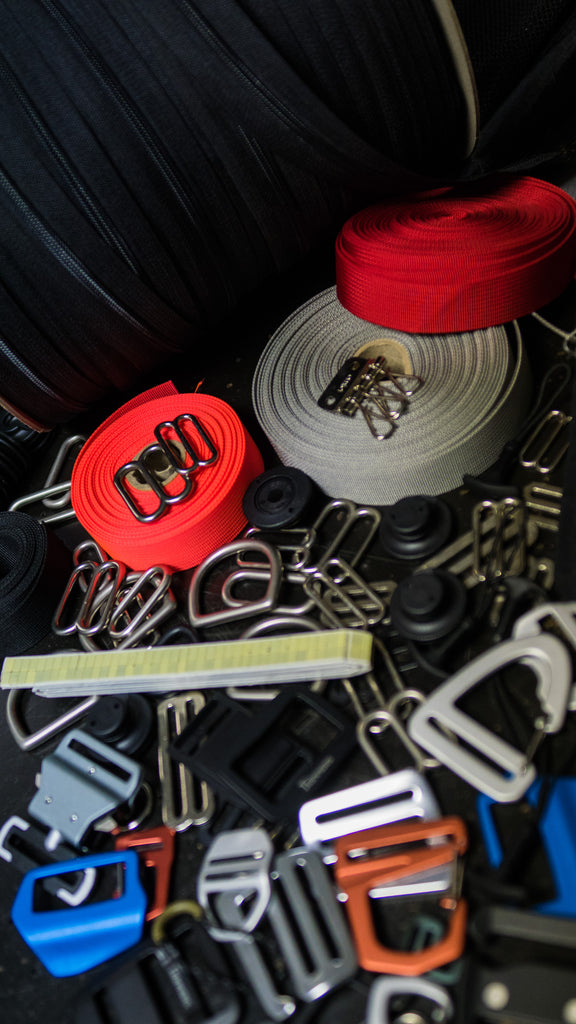
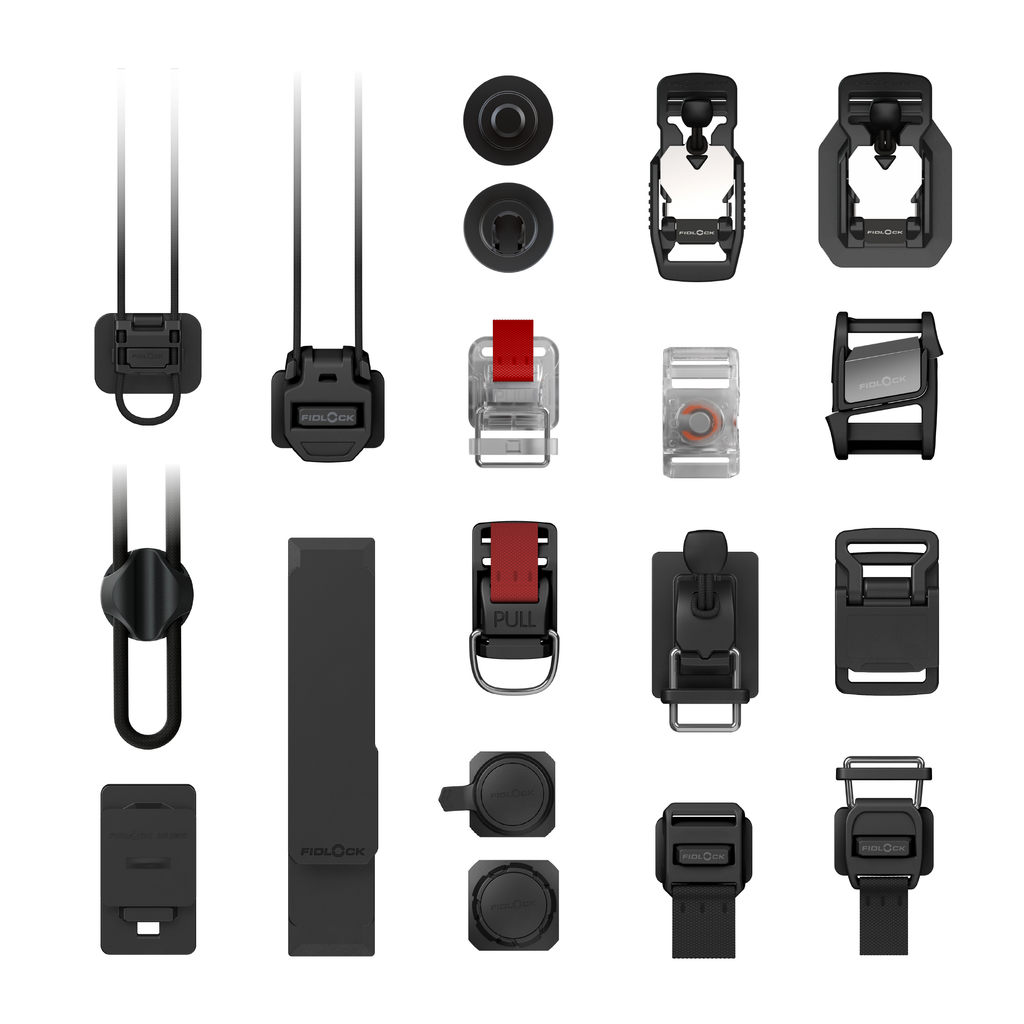
Another factor to consider when deciding whether buckles or clips are better for dog collars is how each option feels. The closure style matters, but the material will shape how the collar feels in daily use. Plastic hardware can keep the collar lighter, which often works well when comfort matters more than a heavier finished look. Metal hardware creates a different impression, so it may fit designs that need a more structured or elevated feel.
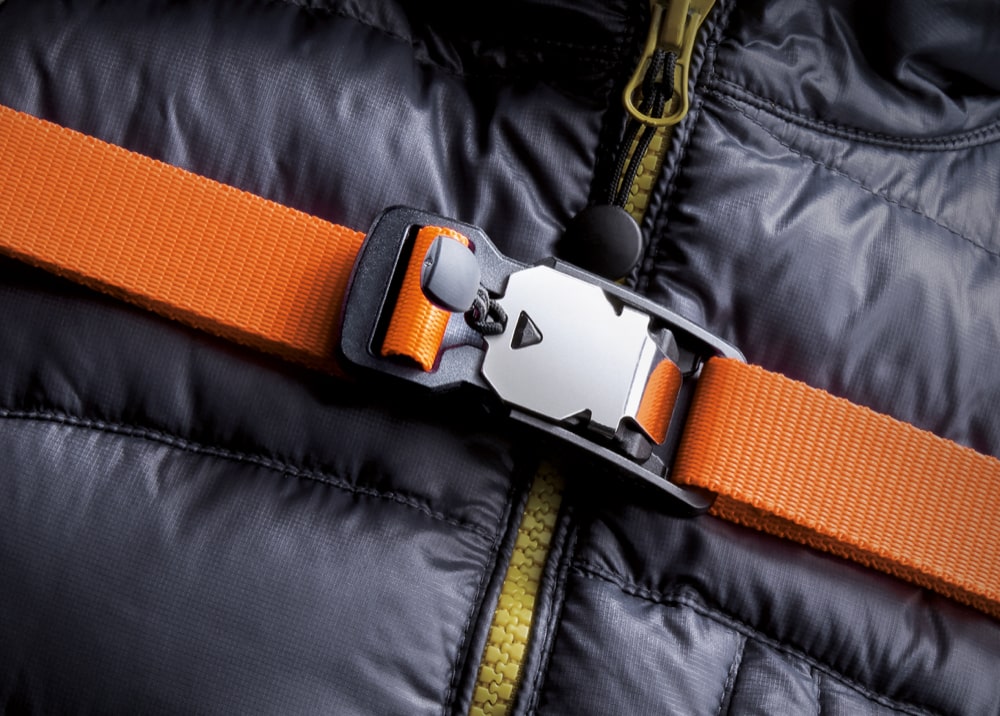
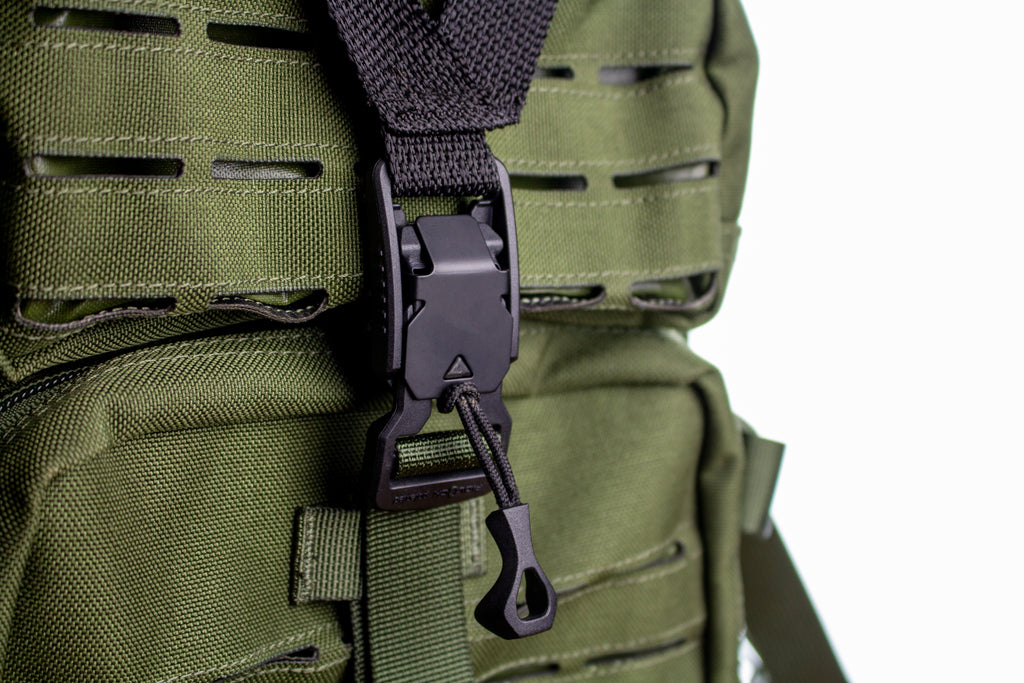
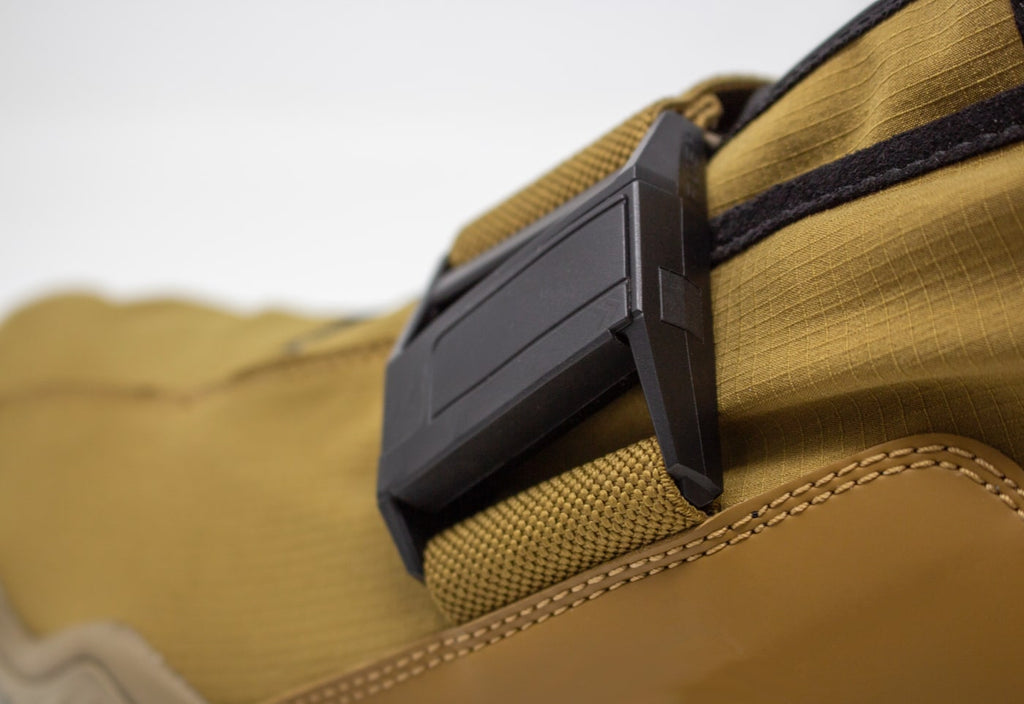
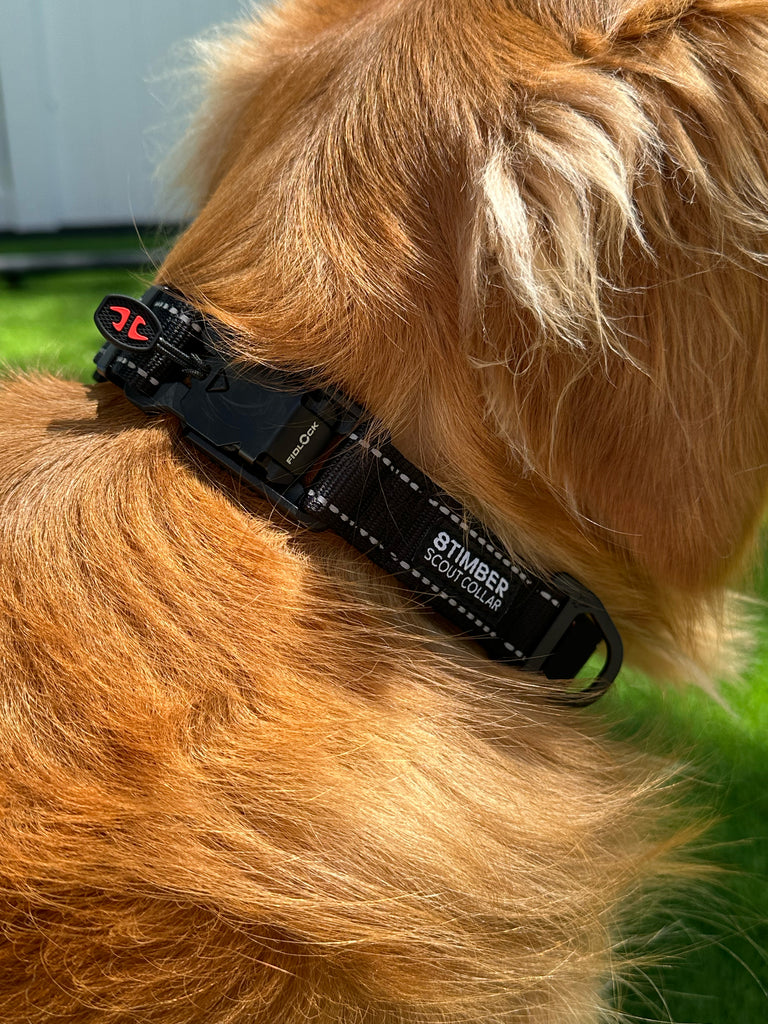
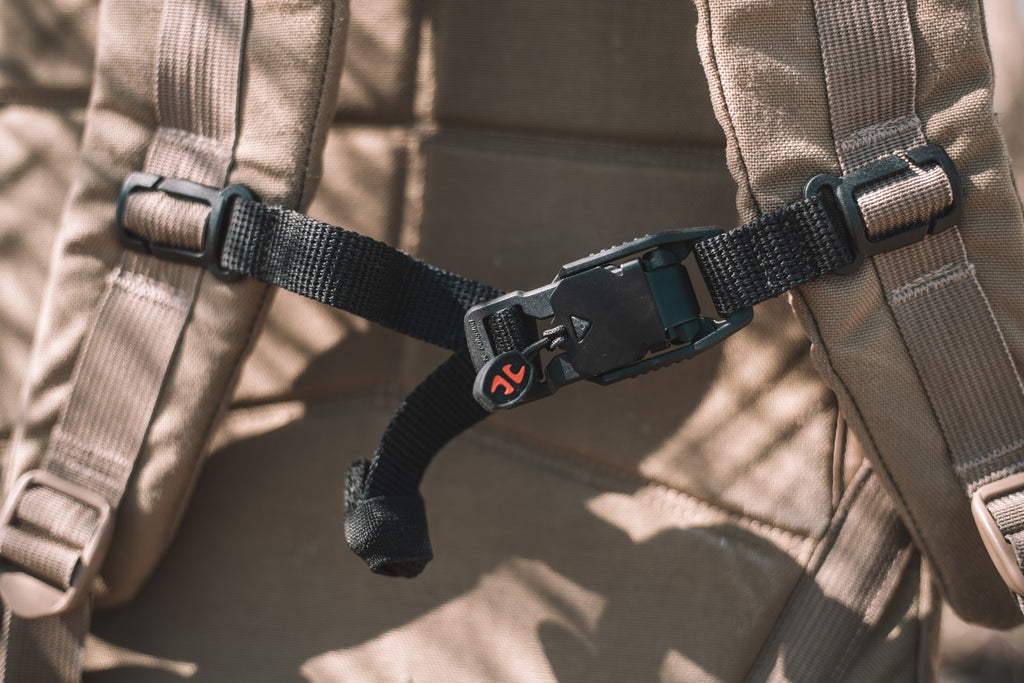
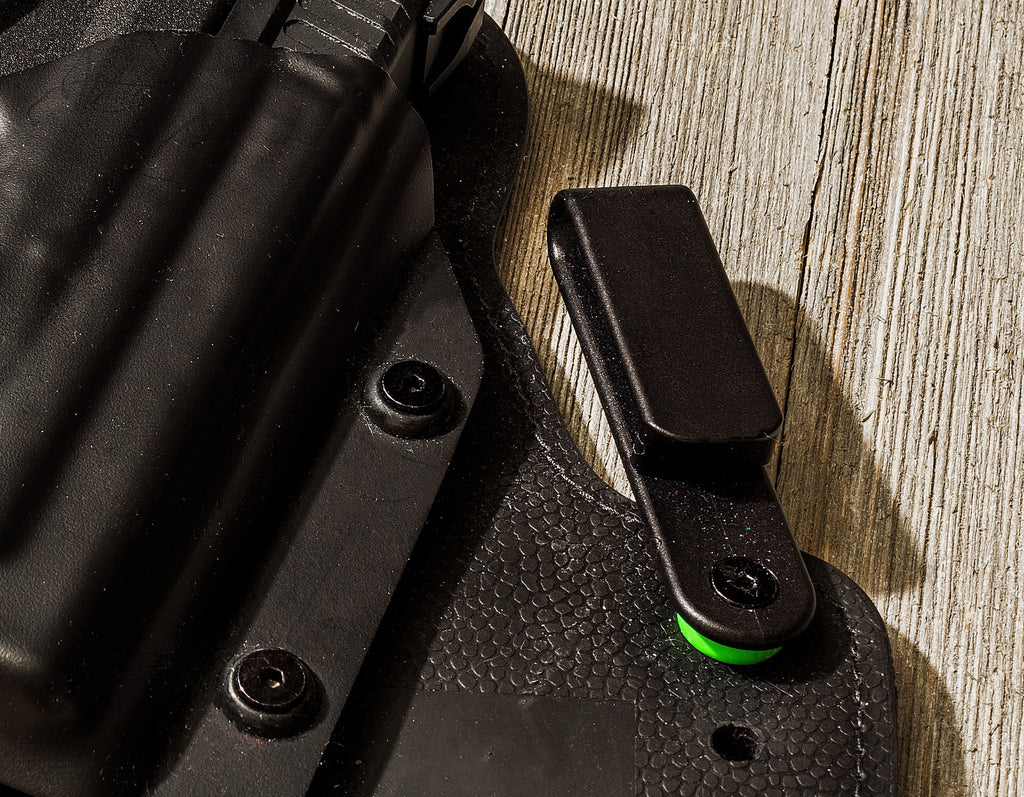
Magnetic closure options can also make the collar feel more specialized when the product calls for a different fastening experience. Instead of choosing a material because it looks right in a sample, product teams should consider how the customer will use the collar every day. The best material should support the collar's opening and closing and feel good during normal use.
Dog Size Should Shape the Component Decision
Dog size should influence hardware choice because the closure affects how the collar feels on the pet and how it performs in daily use. Small-dog collars usually need hardware that feels light enough for comfort, so the buckle or clip should not overpower the strap. Larger dog collars often require closer review because the closure may be under more tension when the dog pulls on the leash.
Behavior can change the decision just as much as size. A collar for a calm dog may not experience much strain during normal wear, but a collar for a strong puller needs hardware that works with the strap rather than becoming the weak point in the design. Product teams should test the finished collar with the intended use in mind, since the closure only proves its fit once the full product comes together.
Strap Design Needs the Same Attention as the Closure
A buckle or clip cannot carry the design on its own. The strap material affects how the hardware sits, while the collar’s construction affects how smoothly the closure works. Even a strong component can feel wrong if the strap bunches or shifts during use.
Before finalizing the hardware, product teams should review the collar as a single product. A few checks can prevent fit issues before the order moves closer to production:
- • The strap should move through the hardware without sticking
- • The closure should feel easy for the intended customer to handle
- • The finished collar should sit comfortably on the dog
- • The design should hold up during brand-led testing

Testing Should Happen Before Full Production
Samples give product teams a clearer sense of the collar than a catalog description can provide. A closure may seem like the right fit during sourcing, but the finished product can feel different once the strap and hardware are in place. Testing helps the brand determine whether the closure works naturally within the full design rather than judging the component on its own.
Pet products require extra care because customers depend on collars for everyday use. Testing should reflect the dog the collar will serve and the way the customer will handle it.
Custom Sourcing Can Solve Fit or Finish Issues
Standard hardware can cause problems when the collar design requires a tighter fit between the closure and the strap. A buckle or clip may have the right general size but still feel wrong once the team tests it with the selected material. When the hardware does not sit cleanly, the finished collar can feel less polished even before the customer uses it.
Custom sourcing helps when a product team needs hardware that supports the design rather than forcing changes to the design. The right supplier can help compare options that fit the collar’s material, closure style, and intended use.
The Better Choice Depends on the Collar
Buckles and clips both have a place in dog collar design. Clips often facilitate fast handling, while buckles offer a more traditional adjustment style. Neither option wins across every product because the collar’s purpose should guide the decision.
For pet brands, the next best step is to compare the closure to the full collar design. Teams reviewing buckle components, clip options, or wholesale plastic buckles should think about how the hardware fits the product before moving forward. To review sourcing options for dog collar hardware, contact A+ Products.