
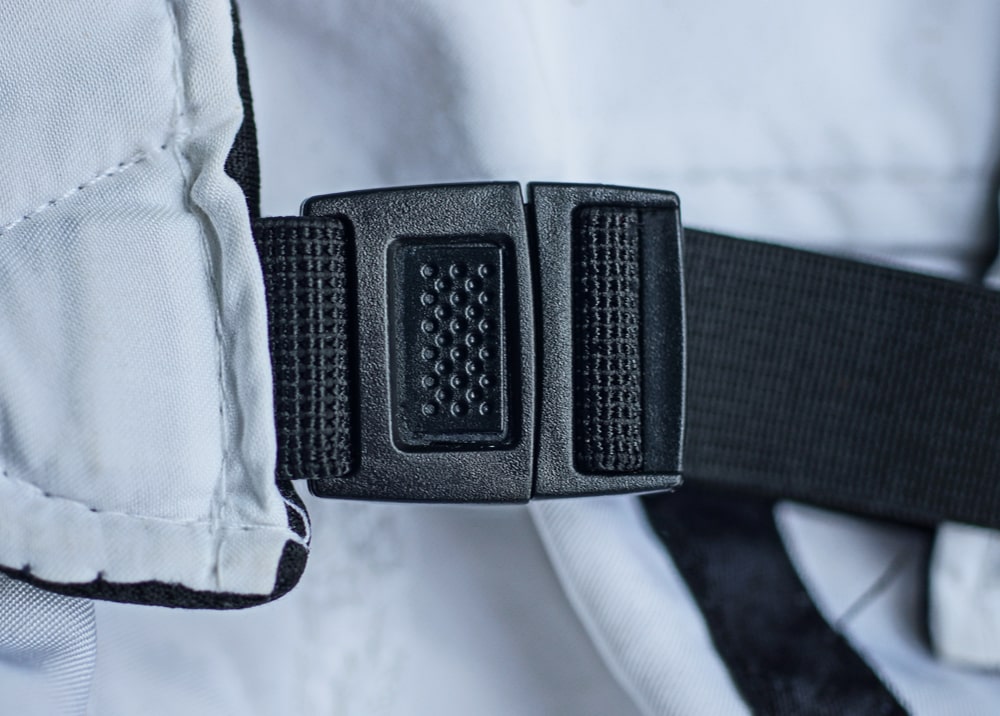
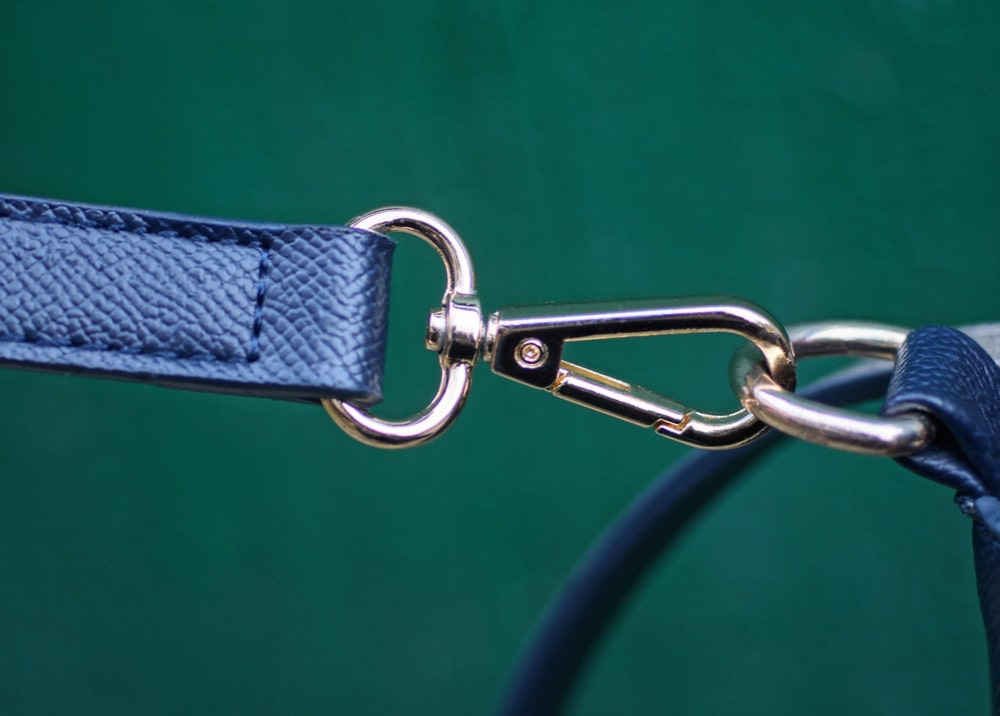
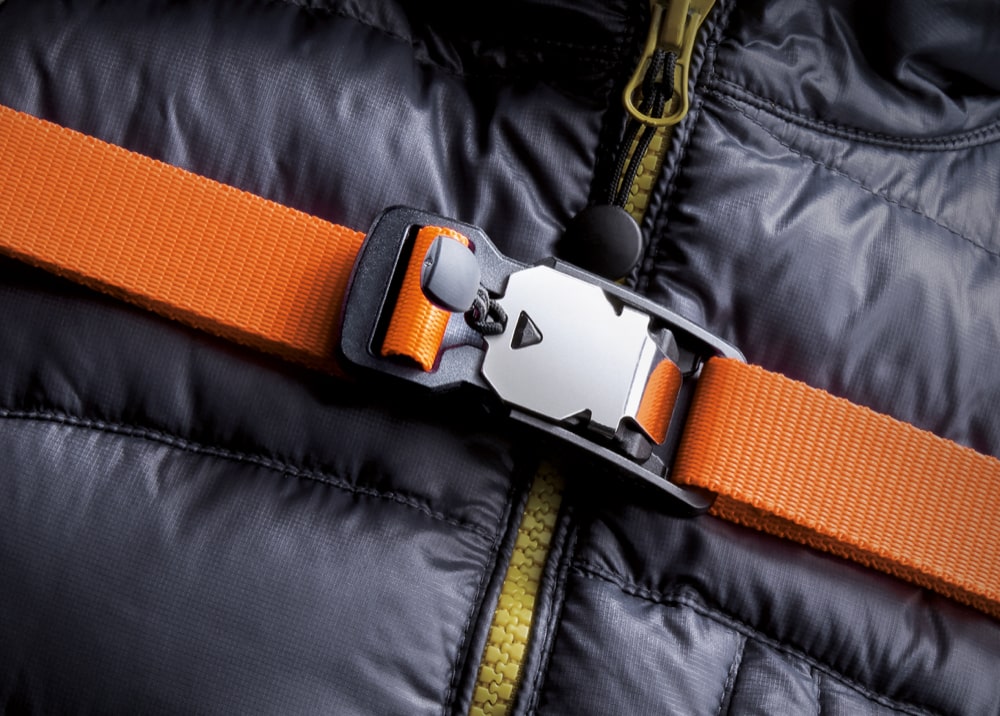

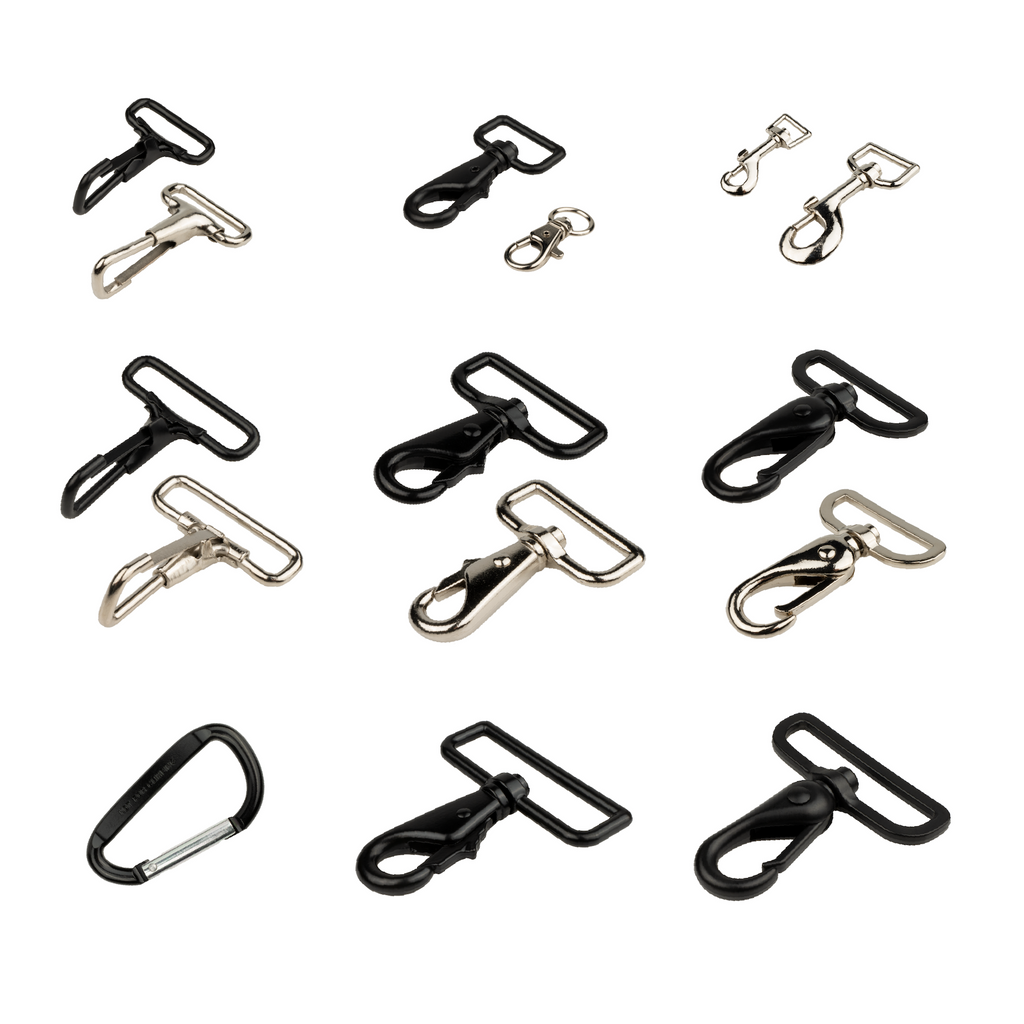
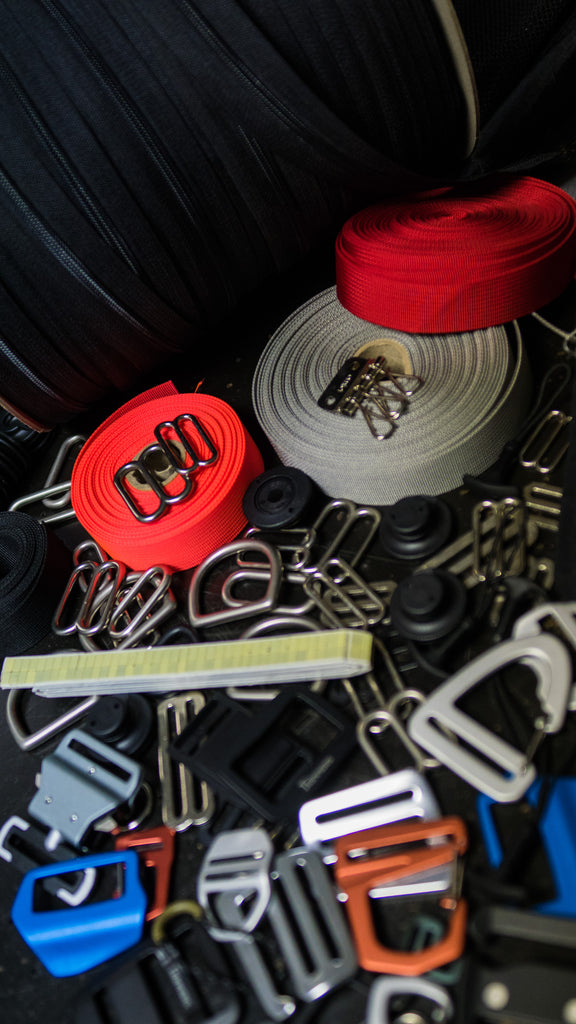
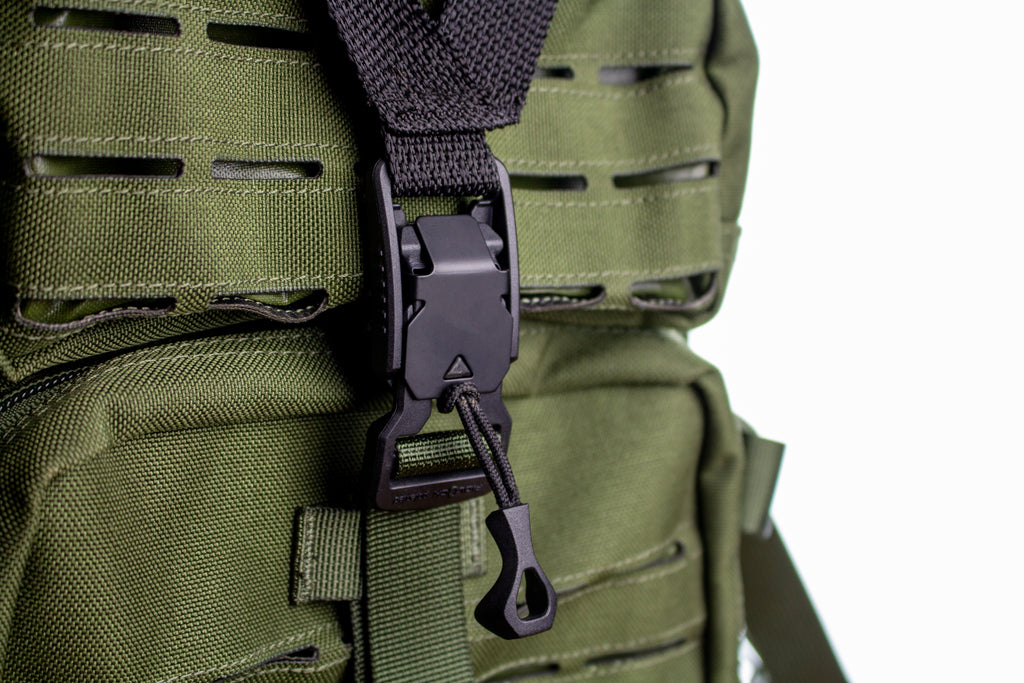
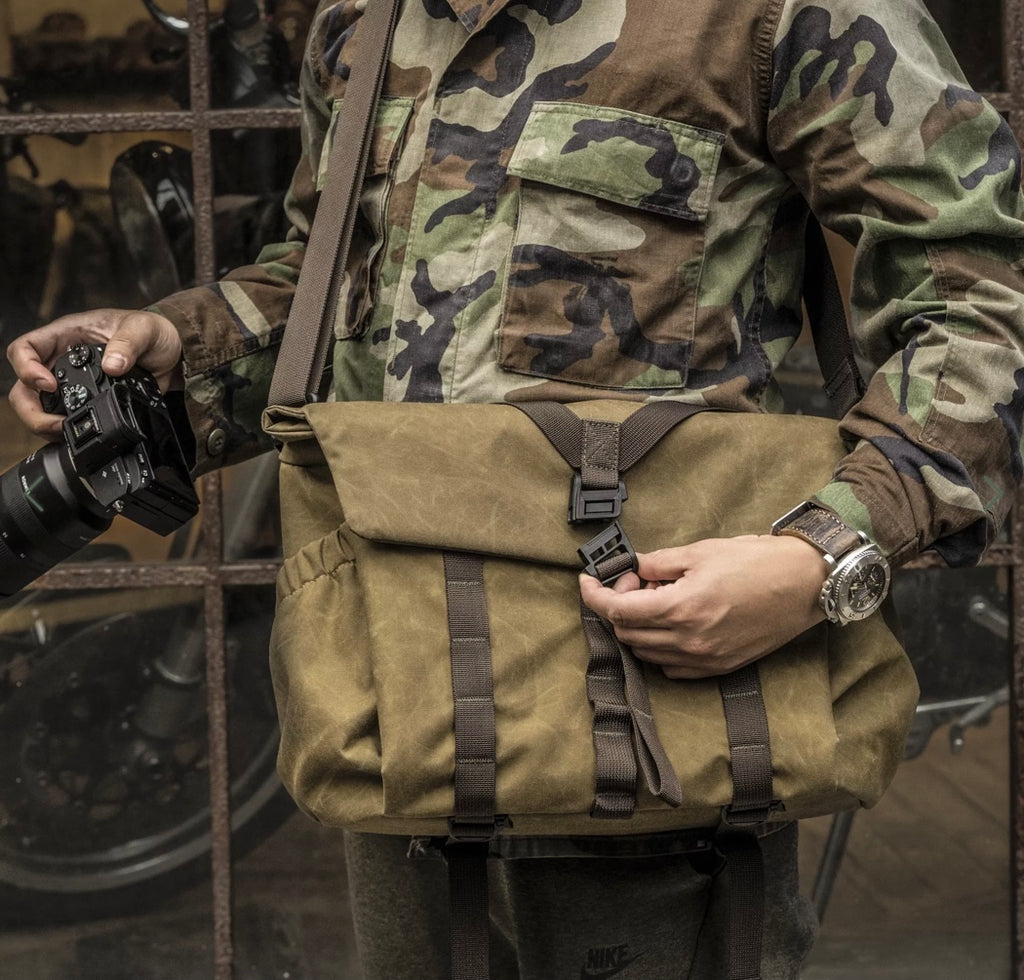
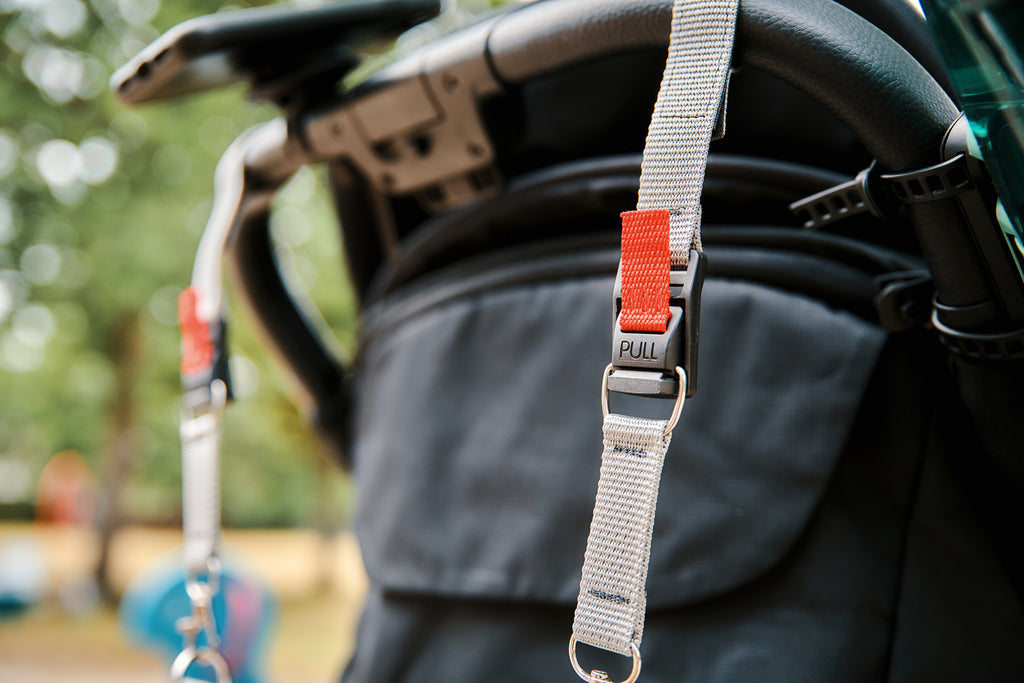




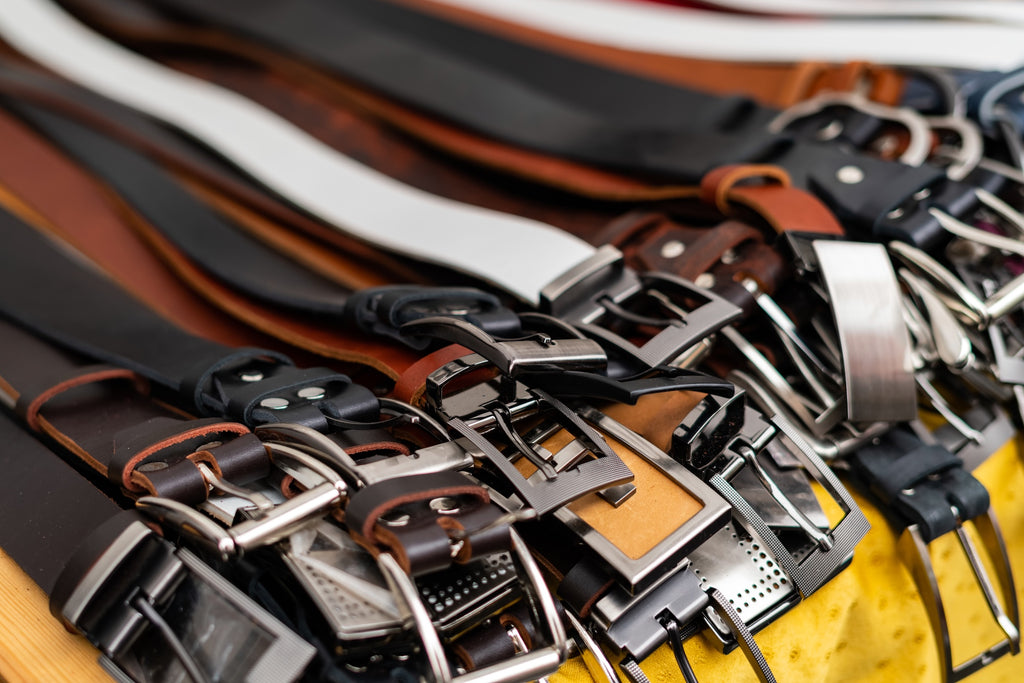


Buckle sourcing can affect how a finished product feels, functions, and holds up during use. A small hardware choice can create a larger issue when the buckle does not match the strap, the product design, or the way people handle the item.
Product teams often focus on the visible design first. Still, the closure system deserves the same level of planning because users interact with it every time they open or secure the product. This guide covers common mistakes in buckle sourcing that you should avoid.
Choosing Based on Price Alone
Price matters in buckle sourcing, but it should not be the sole deciding factor. A lower-cost buckle may help the budget, but it still needs to match how the finished product will function. When the hardware does not support the application, the savings can disappear through product issues or late design changes.
A stronger sourcing process starts with the job the buckle needs to do. The team should consider how often users will handle the closure and how much strain the strap area may face. Once those details feel clear, price becomes part of the decision instead of the factor that controls it.
Ignoring the Product Application
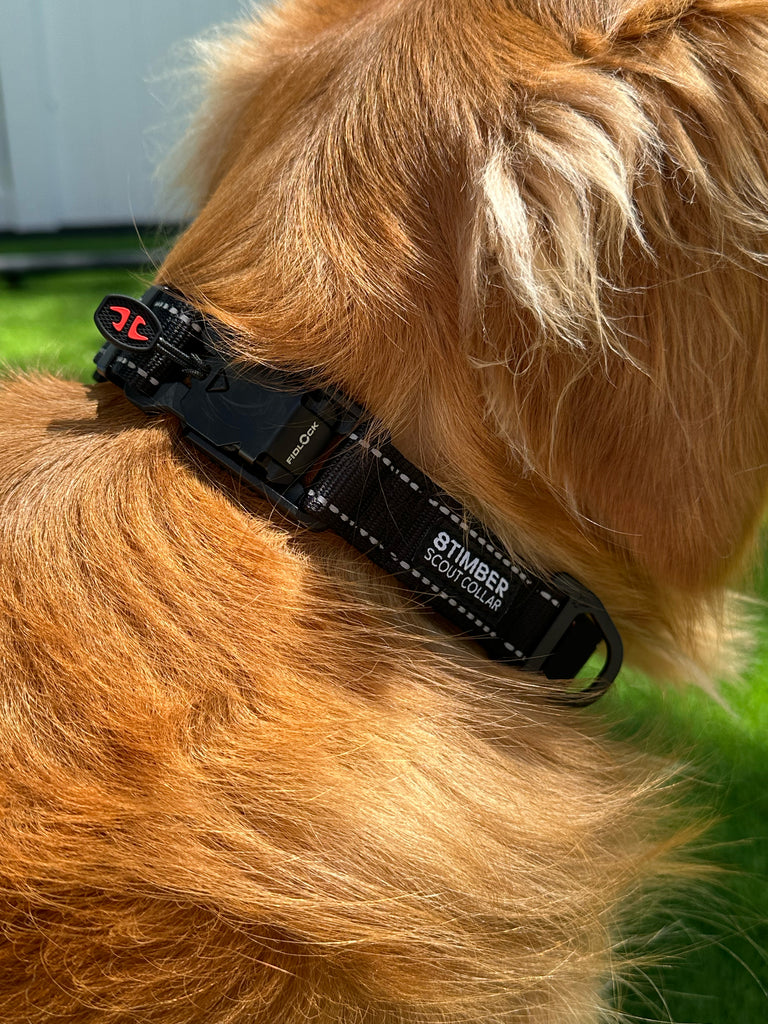
The product application should shape the sourcing conversation from the start. Pet gear often needs hardware that feels simple to handle daily, while workwear may need a closure that holds up under more pressure. Those use conditions help the supplier recommend options that fit the product, rather than guessing based on size alone.
Product teams can avoid many common mistakes in buckle sourcing by explaining the application early. The supplier needs to understand how people will use the closure and how much strain the strap area may face. With that context, the team can review better-fit samples before the sourcing process moves too far.

Overlooking Strap Compatibility
Strap compatibility affects how the full assembly functions, not just whether the buckle fits the listed width. The strap thickness can change how smoothly the material feeds through the hardware, even when the width looks correct on paper. If the fit feels too tight or too loose, the finished product may become harder to adjust during normal use.
Teams should test the buckle with the exact strap planned for production so the sample reflects the real assembly. This review helps catch fit issues before the team places a larger order or builds the sourcing timeline around the wrong component.
Picking the Wrong Material
Material choice should connect directly to how the product will look and function in use. Plastic buckles can make sense when the design calls for a lighter closure, while metal hardware may suit products that require a more substantial feel. Material selection should come back to the product’s actual use. A buckle material that fits one design may create issues in another when the handling needs or visual expectations change.
Teams can make a stronger decision by looking beyond appearance during sourcing. Material that works well for one product line may create issues in another if the handling needs change.
Waiting Too Long to Discuss Custom Needs
Custom buckle sourcing requires early attention, as each design detail can affect the timeline. A specific finish or logo detail may require the supplier to review production options before confirming the next step. When that conversation happens too late, the preferred hardware choice can create pressure on the launch schedule.
Teams should raise custom needs before the design feels locked in. Early input gives the sourcing partner more room to check feasibility and guide the team toward realistic options. That timing helps prevent avoidable delays without forcing the product team to settle for a poor fit.
Skipping Sample Testing
Sample testing gives product teams a chance to evaluate how a buckle performs in the real assembly rather than relying only on specifications. Dimensions and product descriptions can help narrow down options, but they cannot convey how the hardware feels in normal use or how it interacts with the selected strap.
Teams should review several factors before approving a buckle for production:
- Check how the buckle opens during normal use
- Confirm that the strap moves at the right pace
- Review how the closure feels in the user’s hand
- Test the buckle with the final strap material
- Compare the sample against the product’s expected use
Underestimating Lead Times
Lead times affect more than just the arrival date of a buckle order; they can influence the entire product development schedule. Standard hardware may become available more quickly than a custom option, while certain sourcing requirements can delay production. When teams wait too long to make hardware decisions, those delays often carry into sampling, approvals, and final production planning.
A stronger approach brings sourcing discussions into the development process early. By reviewing timelines before selecting a buckle, teams can make decisions with a clearer understanding of how the hardware fits into the larger production schedule.

Focusing Only on the Buckle
Buckle performance depends on more than just the hardware itself, as the closure functions as part of a larger assembly. The way a strap feeds through the buckle can affect adjustment, while the surrounding construction can influence how the product feels during use. Looking at the buckle in isolation may overlook issues that only appear once all the components work together.
A more effective sourcing process considers how each part of the assembly contributes to the finished product. When the buckle, strap, and overall design support one another, the product tends to function more consistently and provide a better user experience.
Assuming Every Supplier Offers the Same Guidance
Not every supplier supports the sourcing process in the same way. Some suppliers may point teams toward a standard catalog option, while others can help evaluate whether the hardware fits the product’s actual use. That guidance can make a meaningful difference when a team needs to balance the intended design with practical sourcing decisions.
A+ Products works as a sourcing partner for companies that need buckle hardware and related components. The team can help review options based on how the product will function, how the strap needs to perform, and whether custom sourcing makes sense for the project. With that support, product teams can move through sourcing with clearer direction instead of sorting through options that may not fit the final design.
Forgetting About Testing Responsibilities
Product teams should test buckle components within their own finished designs before moving forward. This step becomes especially important when the buckle supports safety-related gear or a product that will face demanding use. A supplier can provide product information, but the company using the component needs to confirm that the finished product meets its own requirements.
Clear testing expectations help teams make sourcing decisions with more confidence. Instead of treating approval as a quick hardware check, the team should review how the buckle performs once it becomes part of the full product. That process helps confirm whether the closure fits the intended use before the product moves further into production.
Partner with Us
A+ Products can help product teams compare buckle options, review custom requirements, and source hardware that aligns with the larger product design. Options such as finish selection, strap assemblies, and metal buckles for straps can shape how the final product looks and functions.
Buckle sourcing works best when teams think beyond the hardware itself. The right choice should support the product’s function, the strap design, and the way users interact with the finished item. A careful sourcing process can help teams avoid fit issues, timing problems, and late-stage changes that slow production.