







Webbing often looks like a straightforward part of performance gear, but its specifications can affect how well the finished product handles its intended use. Product teams may encounter different strength ratings when sourcing webbing for packs, workwear, pet products, sporting goods, or tactical equipment. Those numbers provide useful information, but they require context before a team can apply them to a design.
Please note: Component specifications, including breaking strength or other strength ratings, may not be available for all hardware, webbing, or other components sourced by A+ Products, Inc. Not all products are designed for safety-critical, tactical, or climbing applications. Customers are responsible for determining appropriate performance requirements and for testing and validating the complete finished-product configuration for its intended application and conditions of use.
Understanding webbing strength ratings on performance gear starts with knowing what a rating represents and how it relates to a complete assembly. Material, construction, and testing conditions can influence webbing performance. Manufacturers should evaluate those factors alongside the demands of their specific application rather than treating a single rating as a complete measure of suitability.
Strength Ratings Describe Webbing Under Specific Conditions
A strength rating typically communicates how much force a webbing material can withstand under defined test conditions. However, the rating alone does not tell a product designer exactly how the webbing will perform once incorporated into finished gear. The test method and webbing construction provide important context for interpreting the number.
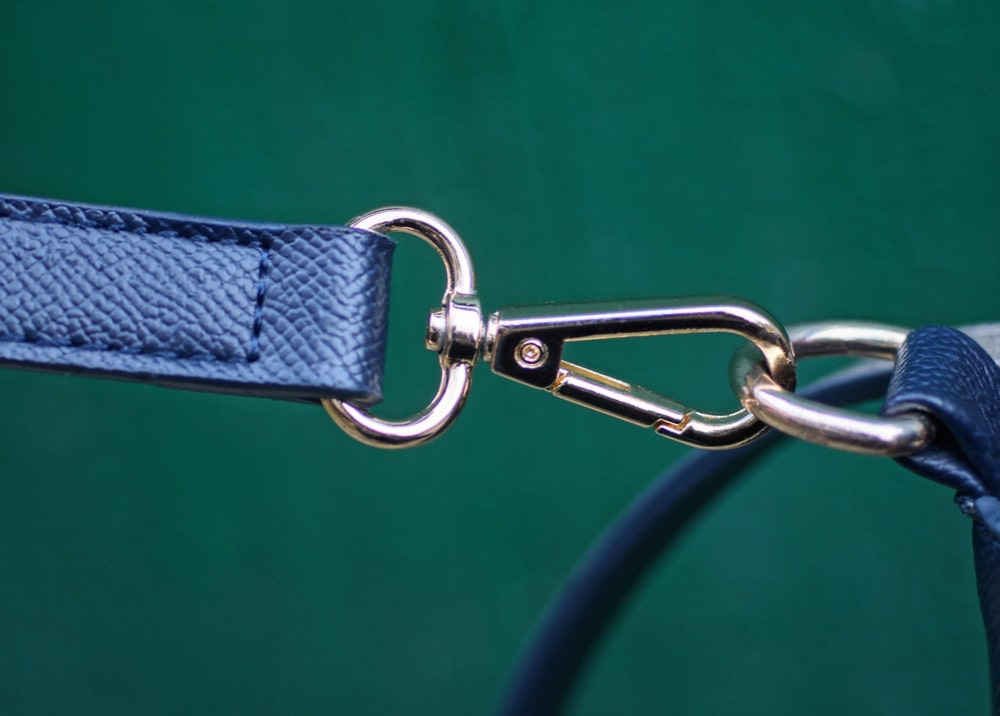
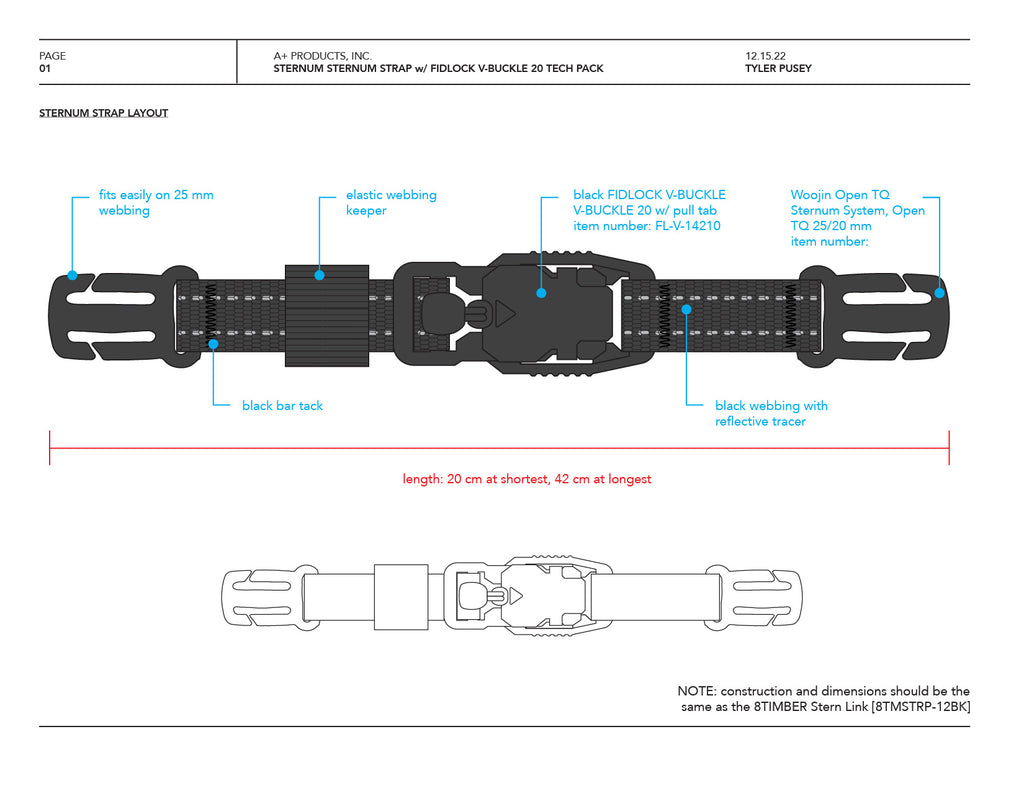
For example, a product team should distinguish between a webbing specification and the performance requirements for a finished strap assembly. Cutting the material or connecting it to strap hardware changes the system that ultimately carries the load. Teams need to evaluate the complete configuration rather than assume the webbing rating automatically applies to every finished design.
Breaking Strength and Working Loads Represent Different Concepts
Breaking strength generally refers to the force at which a material fails during testing. A working load, by contrast, addresses the force that a product should handle during normal use. Product teams should not treat those values as interchangeable.
Performance gear may encounter repeated pulling, sudden loading, or movement that a simple strength figure does not fully represent. Designers also need to account for the requirements and standards that apply to their specific product category.
This distinction becomes particularly important for safety-related or tactical equipment. Companies must test their finished gear for its intended application and determine appropriate requirements themselves.

Webbing Material Affects Strength Characteristics
Material selection gives designers another layer of information beyond a numerical strength rating. Different webbing materials respond differently to moisture, abrasion, and other conditions that a finished product may encounter. The right option depends on where and how customers will use the gear.
Product teams commonly evaluate webbing according to characteristics such as:
- • Required strength for the intended application
- • Resistance to conditions expected during use
- • Width and thickness requirements
- • Compatibility with buckles and other components
- • Construction needs for the finished assembly
These considerations allow a team to narrow options before prototyping. A material with a higher stated strength does not automatically make it the best fit if its dimensions or other characteristics conflict with the rest of the product.
Webbing Construction Changes How Material Performs
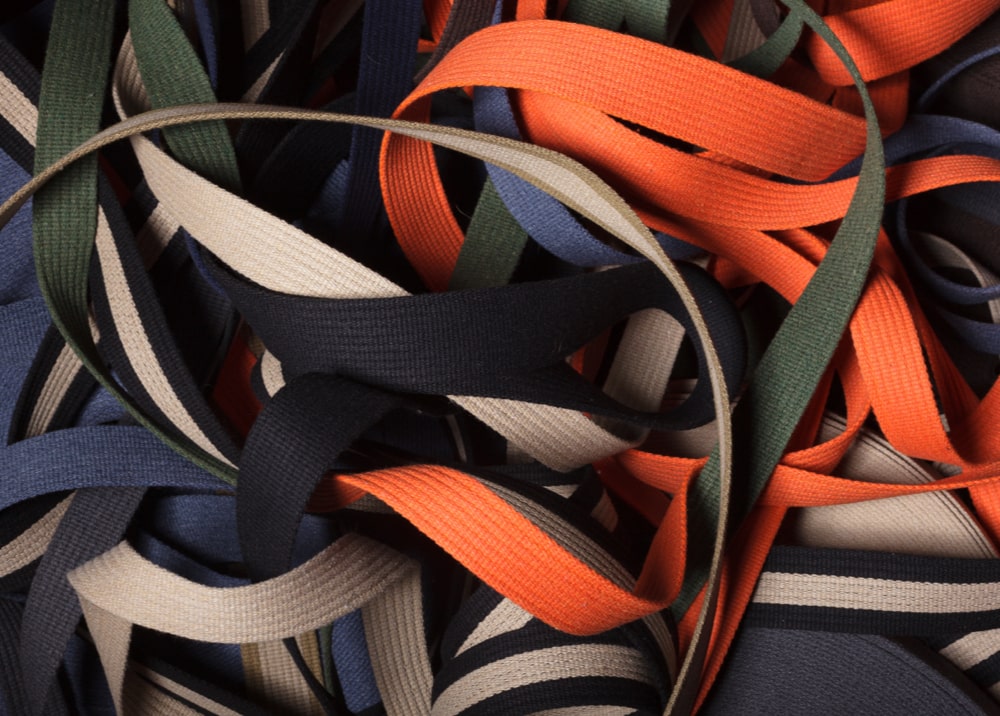
Two webbings can share similar dimensions while using different constructions. Fiber arrangement, weave, and overall material structure affect how the webbing behaves under force. These differences matter when designers compare potential options for performance gear.
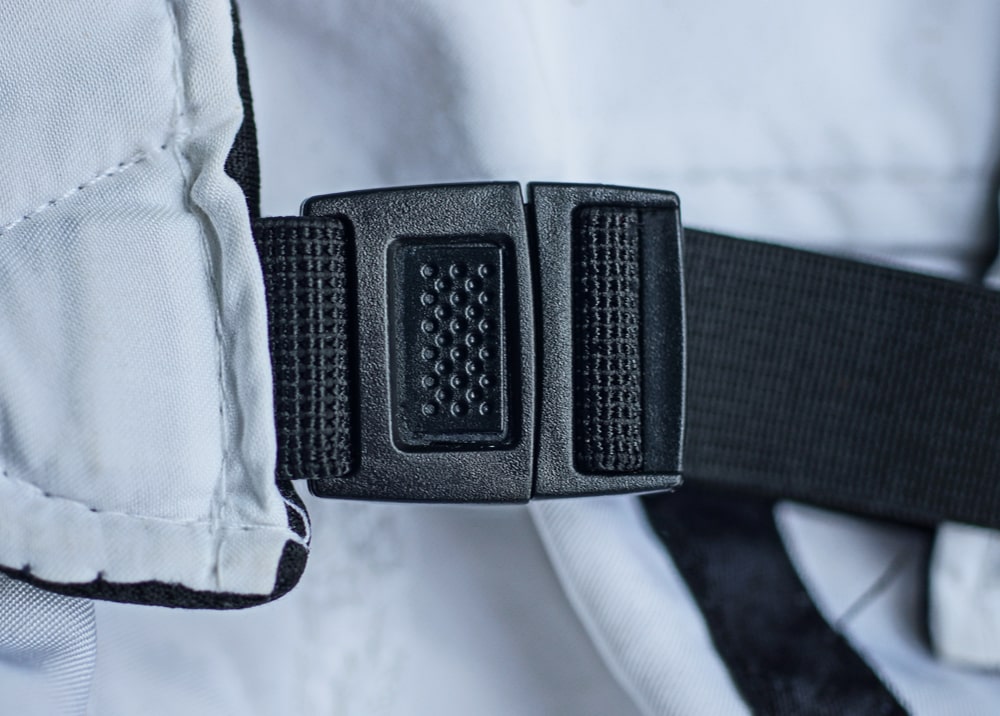
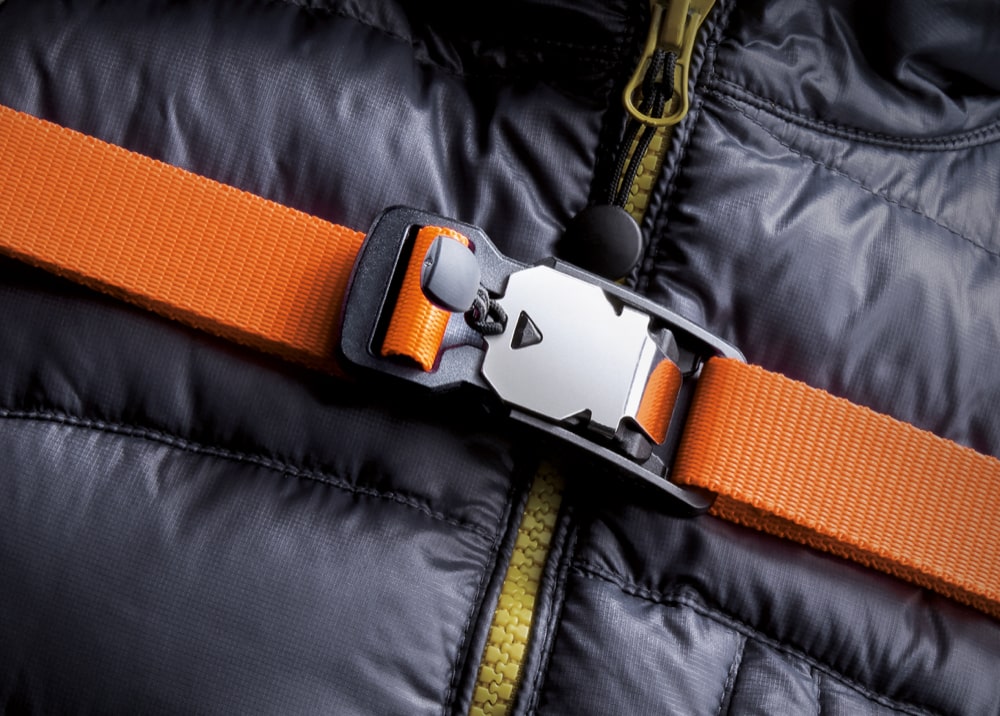
Thickness also deserves attention because it affects how webbing moves through connected components. A webbing may meet the desired strength specification yet prove too thick for a particular buckle or adjustment mechanism. Conversely, a thinner option may move differently through the hardware than the design requires.
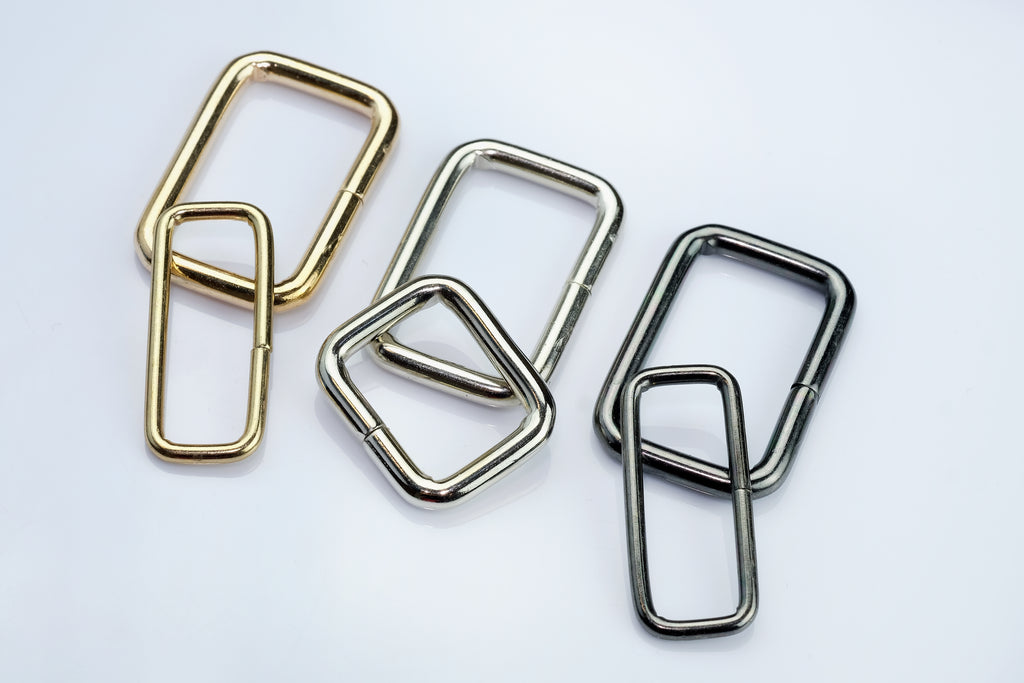
Width creates another compatibility consideration. Designers should select webbing and hardware that work together rather than source each component independently based on individual specifications. Testing the actual combination provides more useful information about the finished design.
Real-World Conditions Change Performance Requirements
Laboratory ratings provide a reference point, while finished products operate in environments that introduce different demands. Outdoor gear may encounter moisture and abrasion. Workwear components might experience frequent adjustment or repeated loading throughout their service life.
Usage patterns matter as well. A strap that holds a relatively consistent load faces different demands from one that users repeatedly tighten, release, or pull. Designers should define those conditions before selecting webbing so they can compare material specifications against realistic product requirements.
Understanding webbing strength ratings on performance gear requires more than finding the largest number on a specification sheet. Teams need to connect that information to the intended environment and finished construction. The final product should undergo testing that reflects how customers will actually use it.

Compatibility Matters Alongside the Strength Rating
Component compatibility makes sourcing more efficient during product development. When a team knows the required webbing width and thickness, they can evaluate hardware that accommodates those dimensions. When hardware comes first, the same process works in reverse.
That coordination becomes especially useful when a product includes an adjustable strap. The webbing must move through the hardware correctly without compromising the intended function. Teams may need samples to evaluate the fit before committing to production quantities.
Compatibility checks can also reveal issues early in development. A component that looks suitable on paper may interact differently with the selected webbing once assembled. Physical evaluation gives product teams an opportunity to adjust specifications before moving further into production.
Testing Should Reflect the Finished Product
Individual component ratings give product developers useful sourcing information, but they cannot replace testing of the complete product. Finished gear combines webbing with hardware, stitching, and the surrounding product structure. Those connections create a system with performance characteristics of its own.
Testing should reflect the conditions and requirements relevant to the specific application. Companies developing tactical, workwear, or other safety-related gear carry responsibility for determining appropriate testing and verifying that their finished products meet applicable requirements.
Teams can use component specifications to narrow sourcing options before that stage. They should then validate the final configuration rather than infer finished-product performance from one webbing rating.
A Sourcing Partner Can Simplify Component Selection
Selecting webbing often connects to a broader sourcing process that includes buckles, fittings, or complete assembled webbing straps. Coordinating those pieces through a knowledgeable supplier reduces the number of decisions a product team needs to manage.
At A+ Products, we work with businesses across industries to source buckles, assembled webbing straps, and related components for their products. If you need webbing-related components or hardware for upcoming performance gear, contact A+ Products to discuss your application and sourcing requirements. We can work with your team to identify options for evaluation while you complete the testing required for your finished product.