






Effective outdoor gear depends on more than strong fabrics and durable stitching. Every buckle affects how quickly users can adjust a pack, secure equipment, or access essential items while on the trail. A buckle that fits the intended application can improve usability while supporting the overall design of the product.
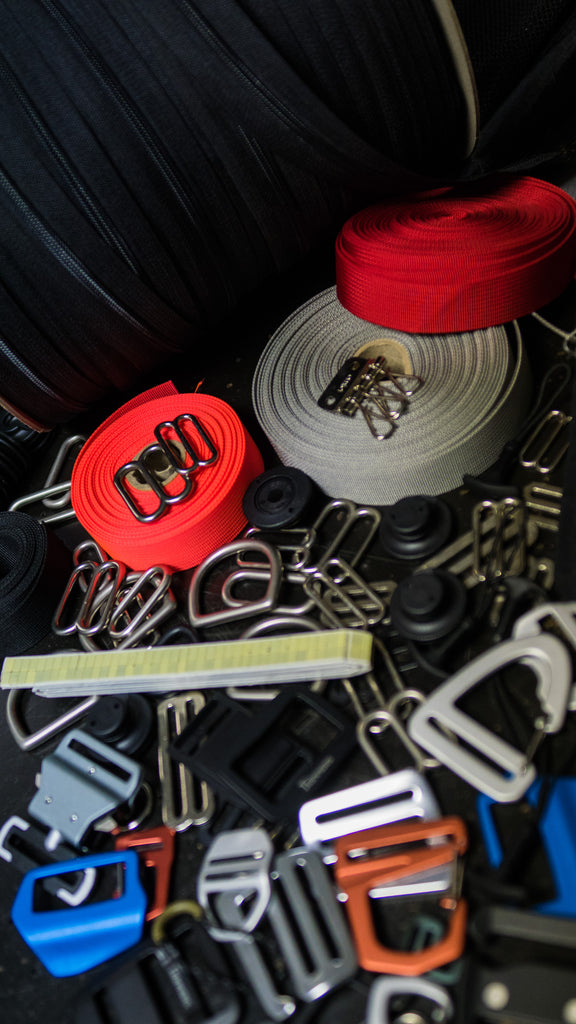
Manufacturers have many buckle styles available, and each one serves a different purpose. Material, release method, weight, and strap compatibility all influence performance. The best buckles for outdoor gear and backpacks combine dependable operation with the right features for the product they support.
Magnetic Buckles Improve Speed Without Sacrificing Convenience
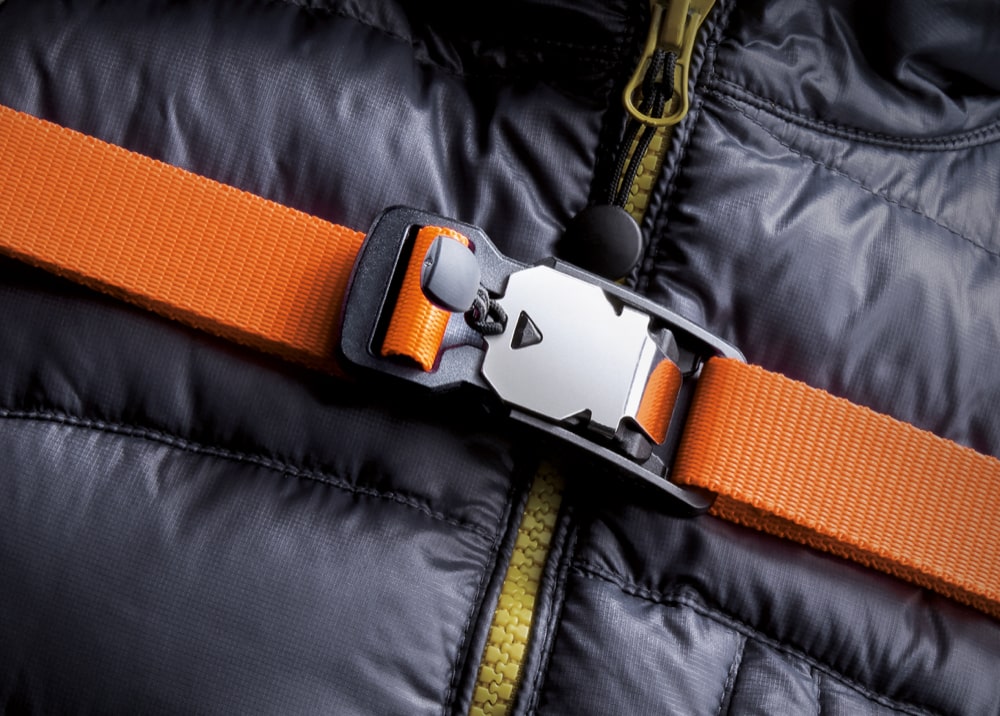
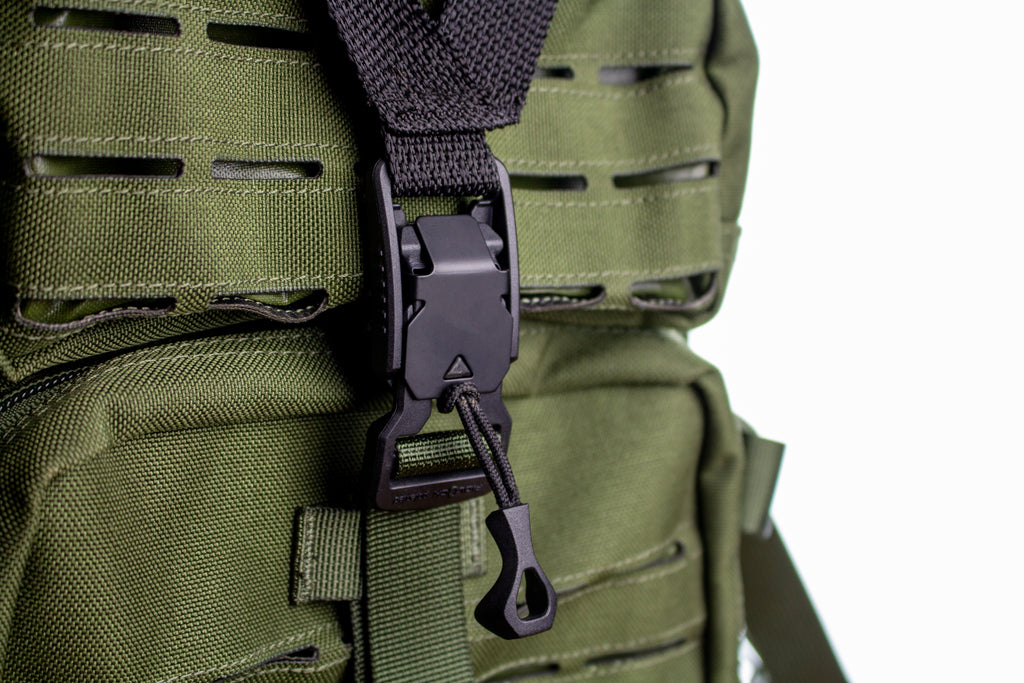
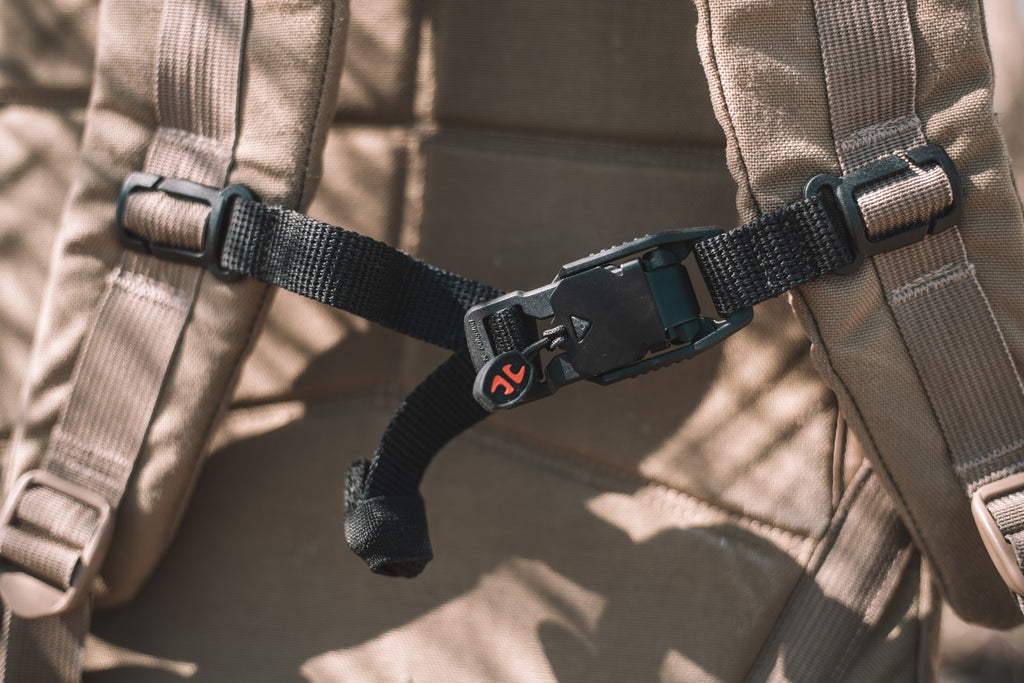
Magnetic buckles continue to gain attention because they simplify everyday operation. Instead of lining up two separate pieces, users bring the buckle halves close together and magnets guide the connection into place. The closure feels smooth while reducing the need for precise alignment.
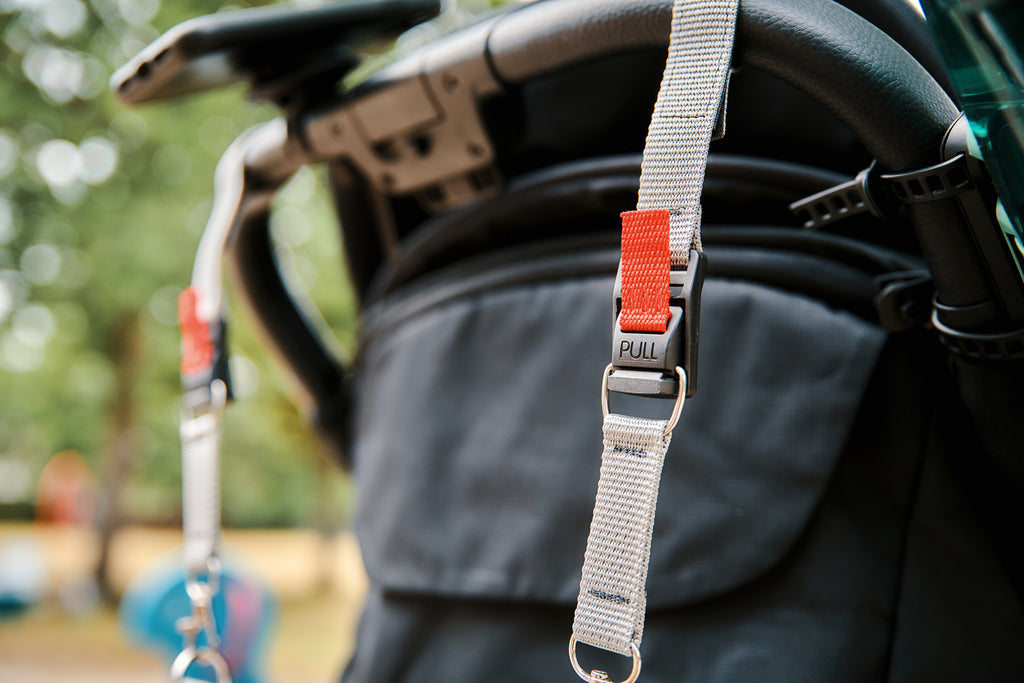
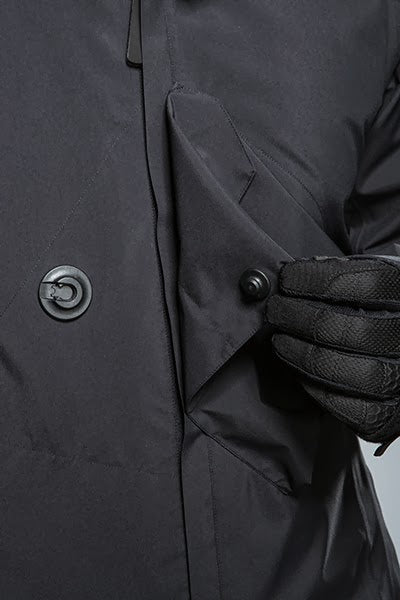
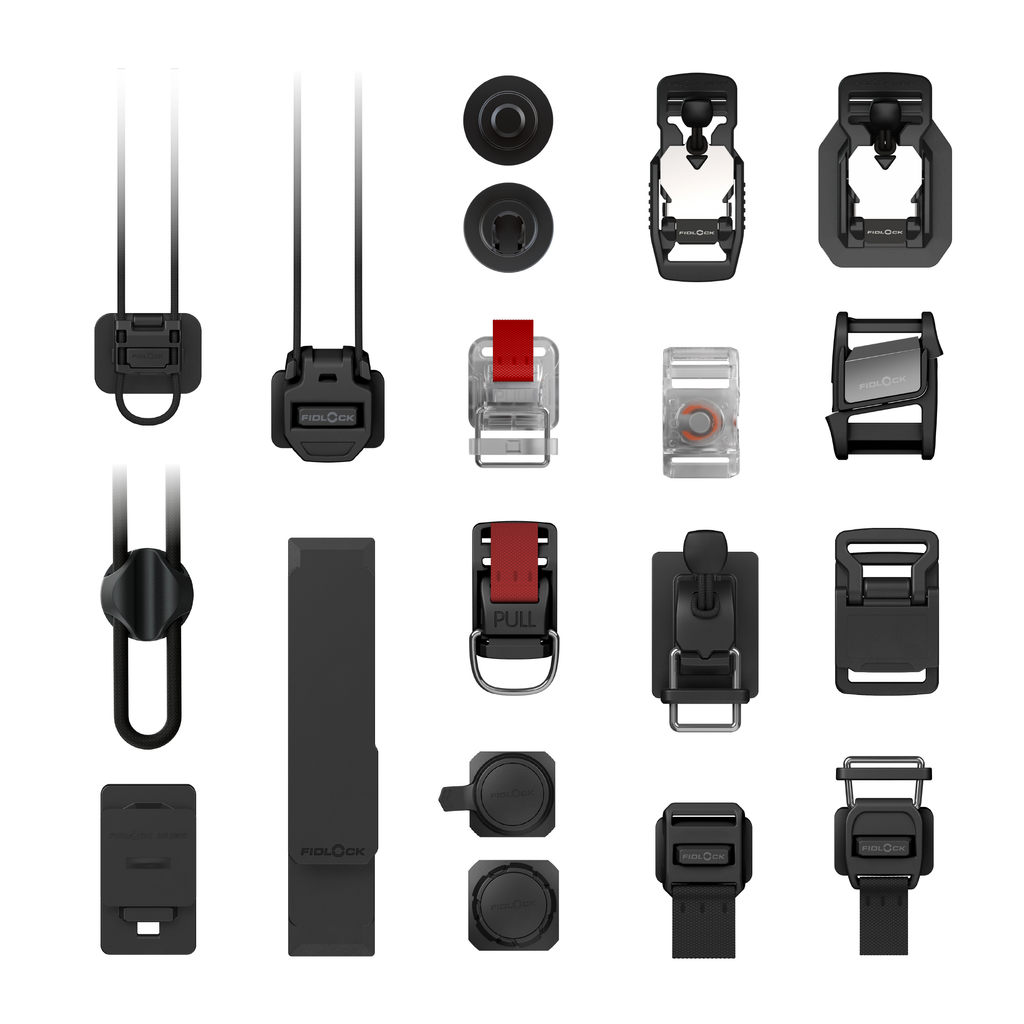
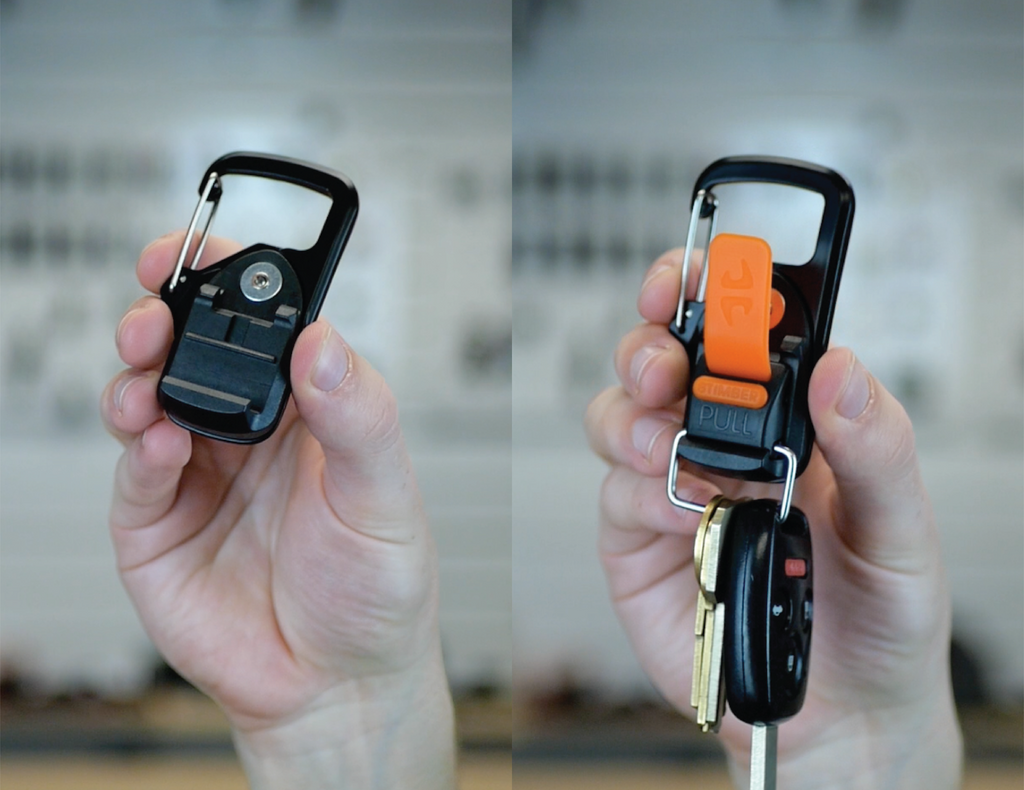
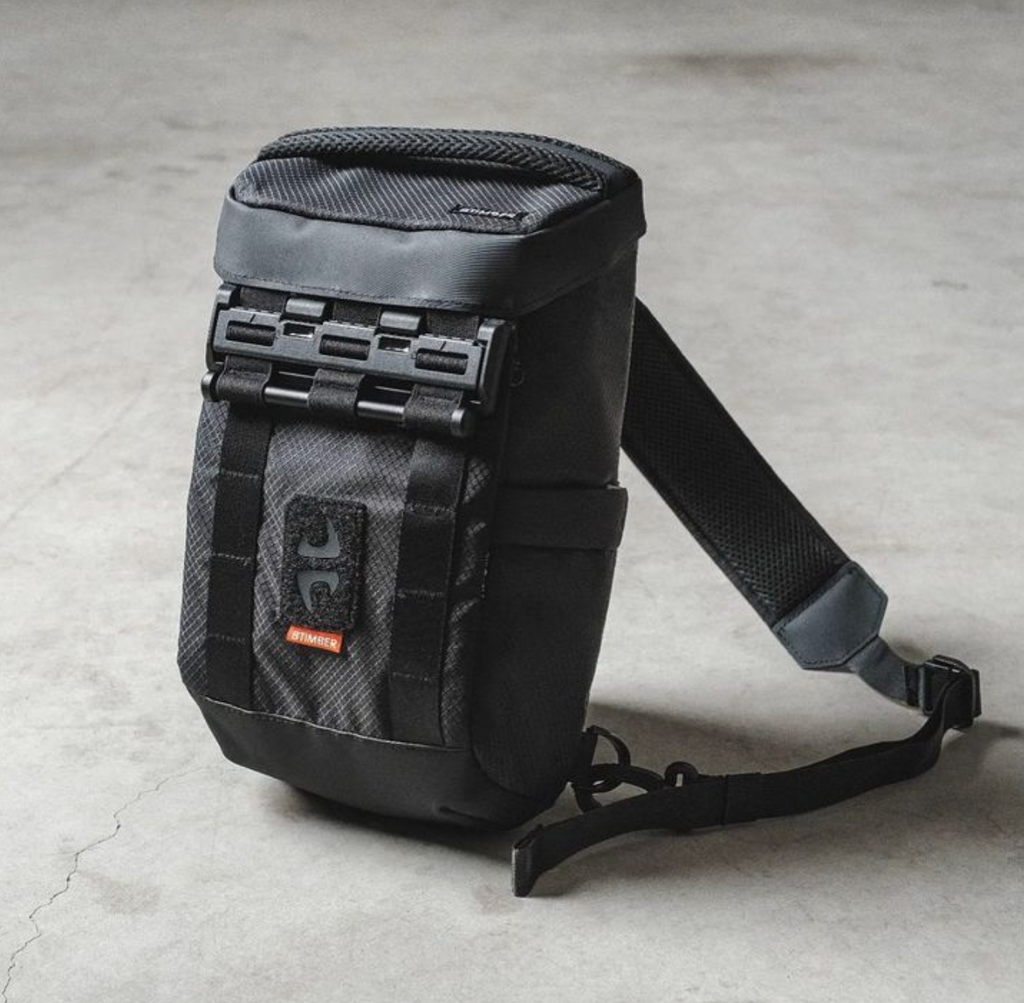
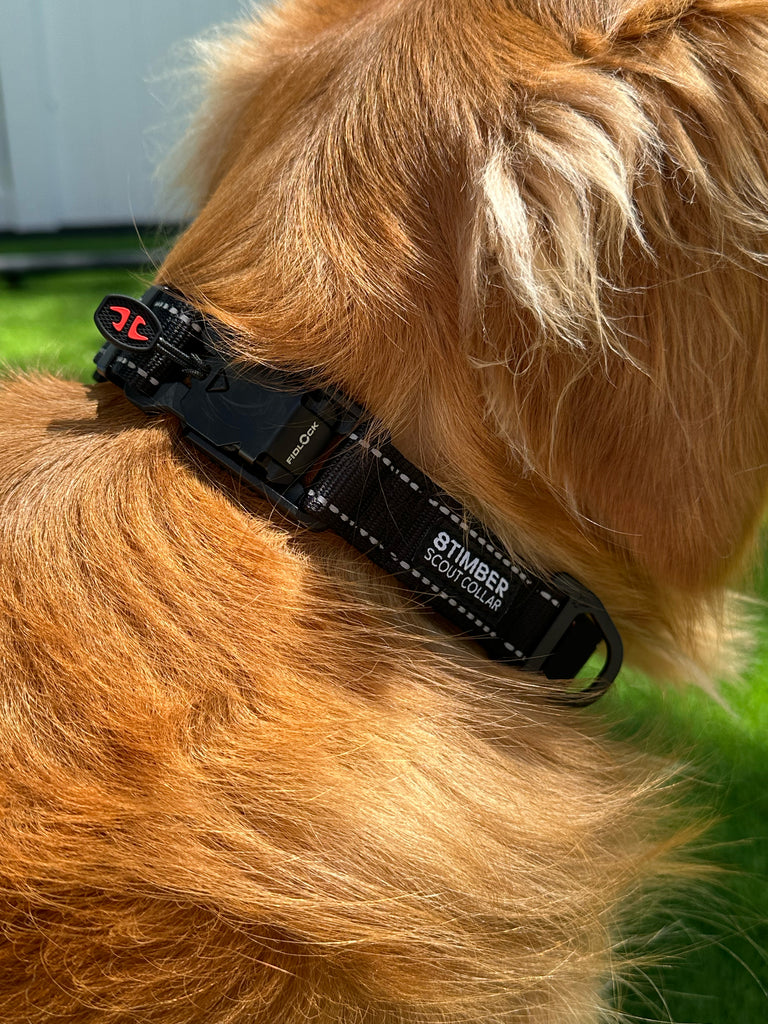
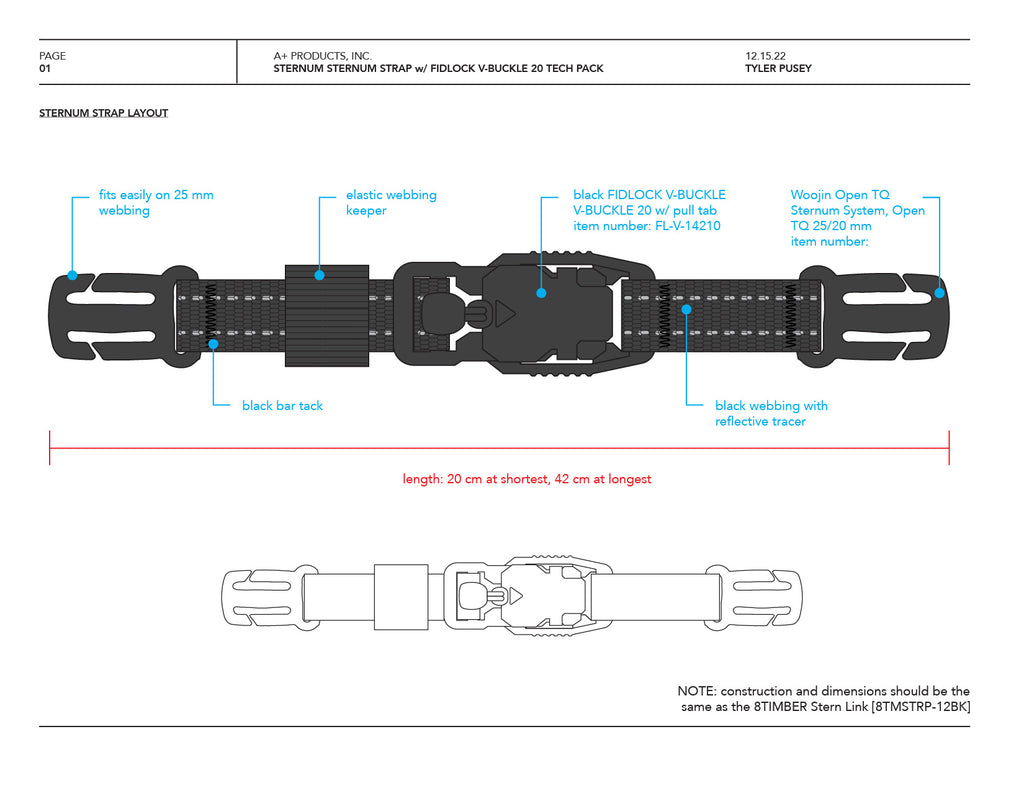
A FIDLOCK magnetic buckle offers that combination of magnetic guidance and mechanical locking. The buckle stays securely fastened until the user activates the intended release motion. Many backpack manufacturers use these buckles on sternum straps, hydration systems, camera bags, and outdoor accessories where fast operation matters.
Design teams should evaluate the release direction before selecting a specific model. Some products benefit from a slide release, while others work better with a pull or lift mechanism; matching the buckle style to normal user movement creates a more intuitive experience. Designers should also consider how often users will open and close the buckle during regular use, since high-frequency applications benefit from hardware that operates quickly without adding complexity.
Side-Release Plastic Buckles Remain a Practical Standard
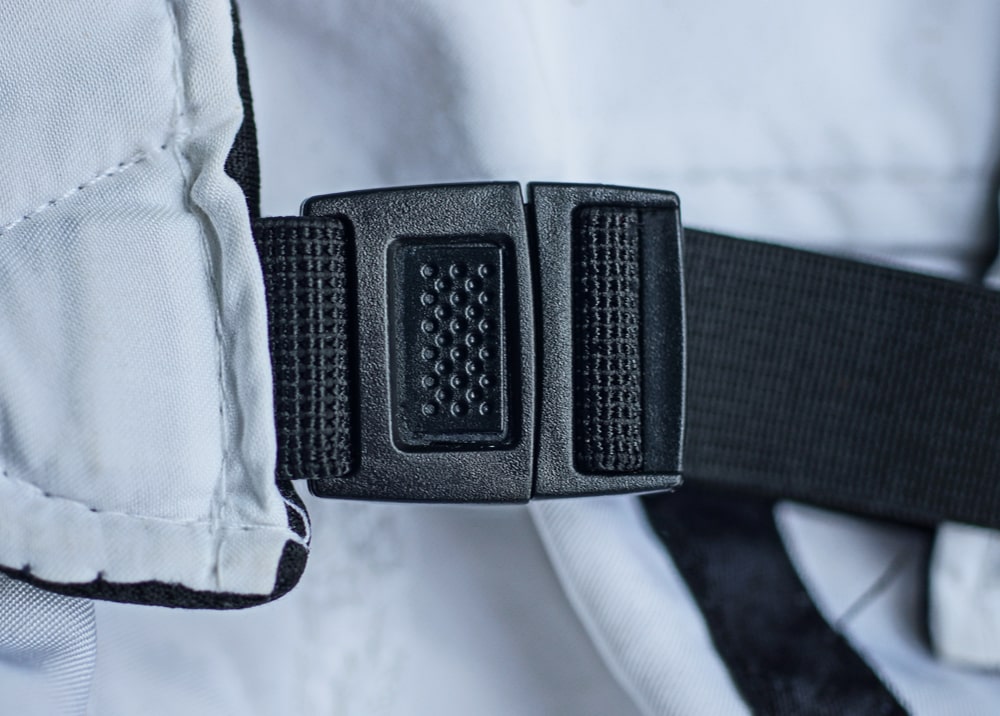
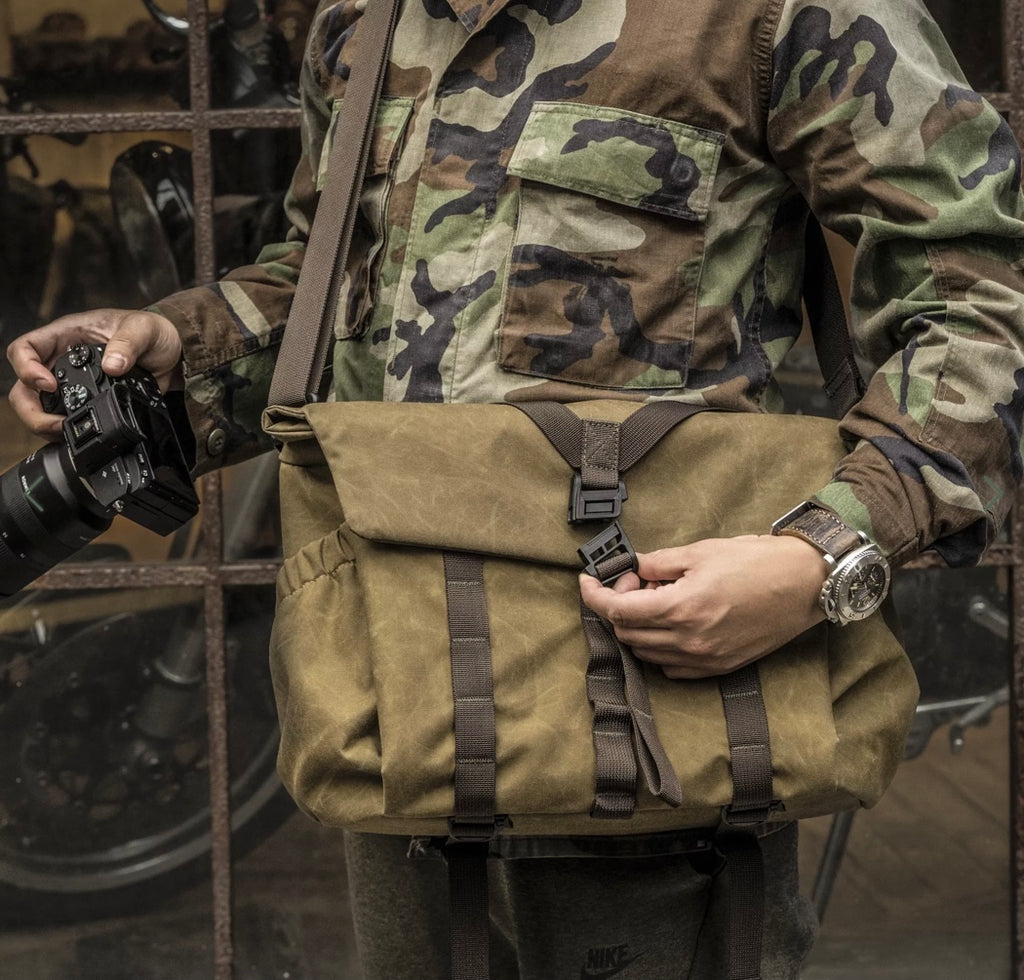
Plastic side-release buckles continue to appear across hiking packs, travel bags, and everyday outdoor equipment because they offer a familiar design that works well in many situations. Users recognize the squeeze-release motion, making operation straightforward.
Modern plastic buckles come in numerous sizes, shapes, and strength ratings. Designers can select lightweight options for recreational products or more robust versions for demanding applications. Strap width compatibility should remain a priority because an improperly matched buckle can reduce overall stability.
Manufacturers should also evaluate environmental conditions before making a final selection. Cold temperatures, repeated UV exposure, and heavy outdoor use may influence long-term performance depending on the material selected. Designers should compare available resin options as well, since different engineering plastics offer varying levels of flexibility, impact resistance, and weather performance.

Metal Buckles Provide Strength for Heavy-Duty Applications
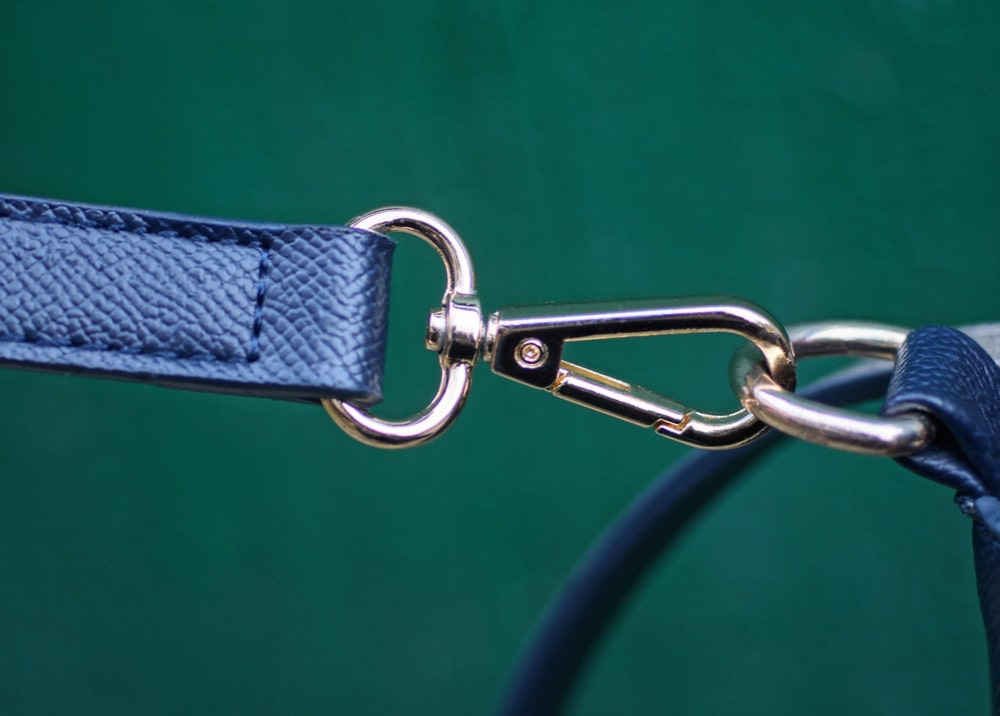
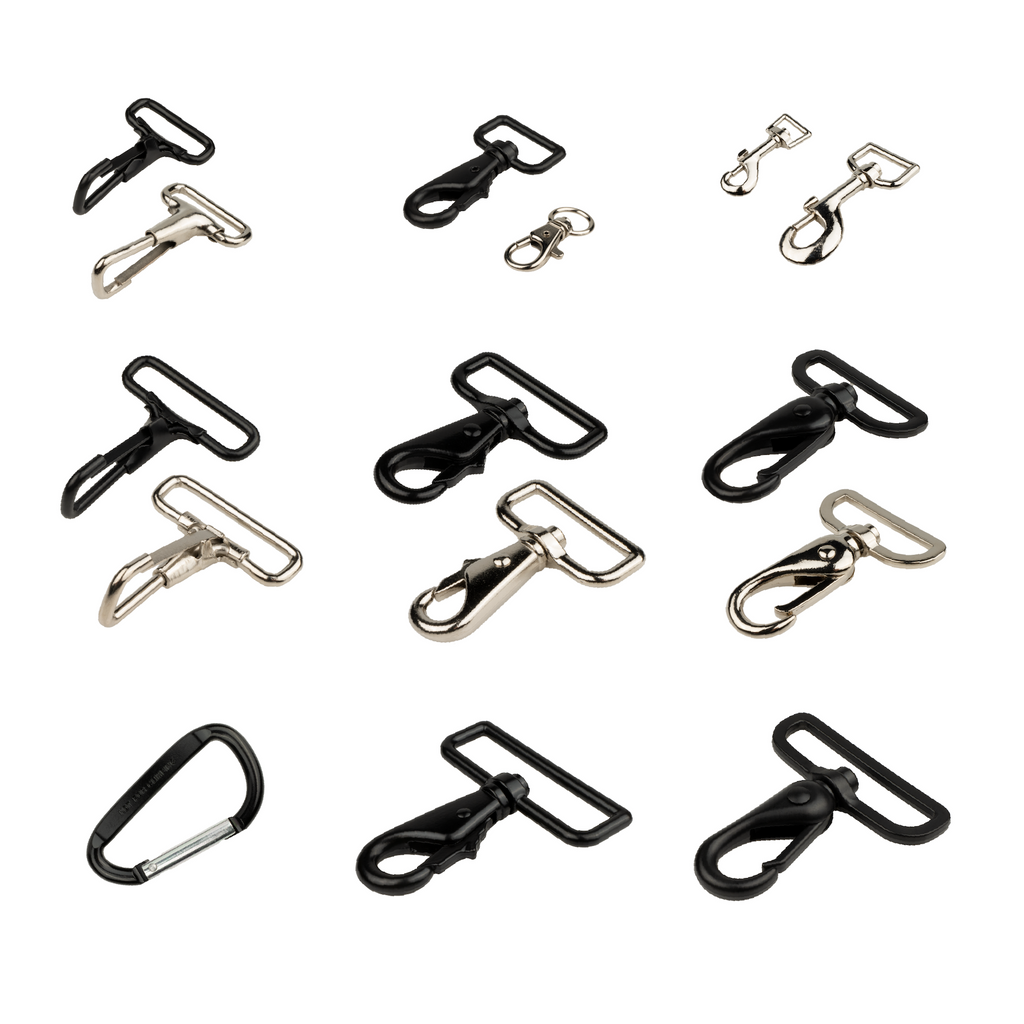
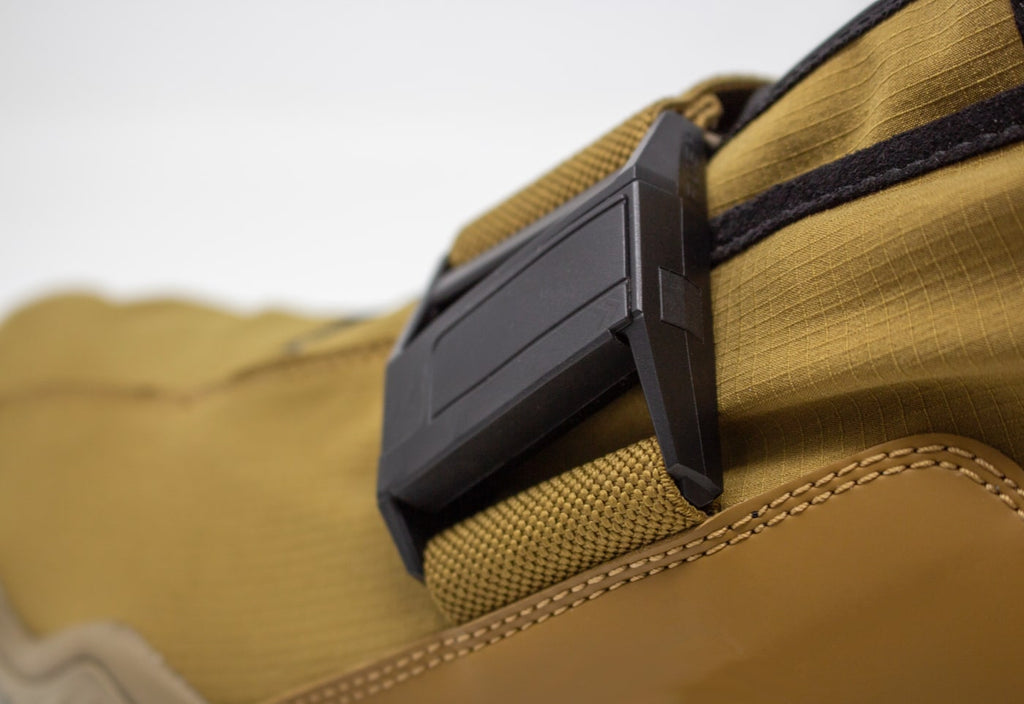
Some outdoor products demand hardware that withstands greater loads or rougher environments. Metal buckles meet those requirements through durable construction and solid mechanical engagement. Work packs, tactical equipment, and industrial gear commonly use metal hardware when strength becomes a higher priority than weight savings.
Several metal buckle designs use squeeze releases, while others rely on levers or specialized locking mechanisms. Each style offers different operating characteristics, so product developers should evaluate how users naturally grip and release the hardware during regular use.
Before approving any metal buckle, manufacturers should inspect potential pinch points and verify operation while wearing gloves if the equipment targets cold-weather conditions. Outdoor products frequently see use in demanding environments, making real-world testing an important part of product development. Companies should always conduct their own testing because component suppliers cannot certify complete product safety.
Adjustable Buckles Support Better Fit Across Different Activities
A backpack rarely stays loaded the same way throughout its lifetime. Users carry different amounts of equipment depending on the trip, making adjustability an important feature.
Ladder-lock buckles and similar adjustment hardware allow users to tighten shoulder straps, compression straps, and accessory attachments without replacing components. Proper adjustment improves comfort while keeping gear positioned more securely during movement.
When selecting adjustable hardware, manufacturers should evaluate several design factors, including:
- • Strap thickness and webbing width
- • Expected adjustment frequency
- • Required holding strength under load
- • Ease of operation while wearing gloves
- • Compatibility with surrounding hardware
Testing these factors together produces a better overall user experience than evaluating the buckle by itself. Consistent adjustment performance also prevents straps from gradually loosening during extended use, which contributes to a more stable carry.
The Right Material Depends on the Intended Environment
Every outdoor application presents different environmental challenges. A lightweight daypack used for casual hiking requires different hardware than equipment intended for search-and-rescue teams or commercial work.
Plastic buckles reduce weight and resist corrosion, making them suitable for many recreational products. Metal hardware often provides greater structural strength where heavier loads or repeated impacts occur. Magnetic systems introduce another option when quick engagement supports the intended user experience.
Temperature, moisture, dirt, and repeated exposure to sunlight all influence long-term buckle performance. Product teams should consider the entire operating environment before selecting buckle materials instead of focusing on strength specifications alone. Reviewing anticipated maintenance requirements can also influence material selection, especially for products designed for frequent outdoor use.

Complete Hardware Compatibility Creates Better Backpack Designs
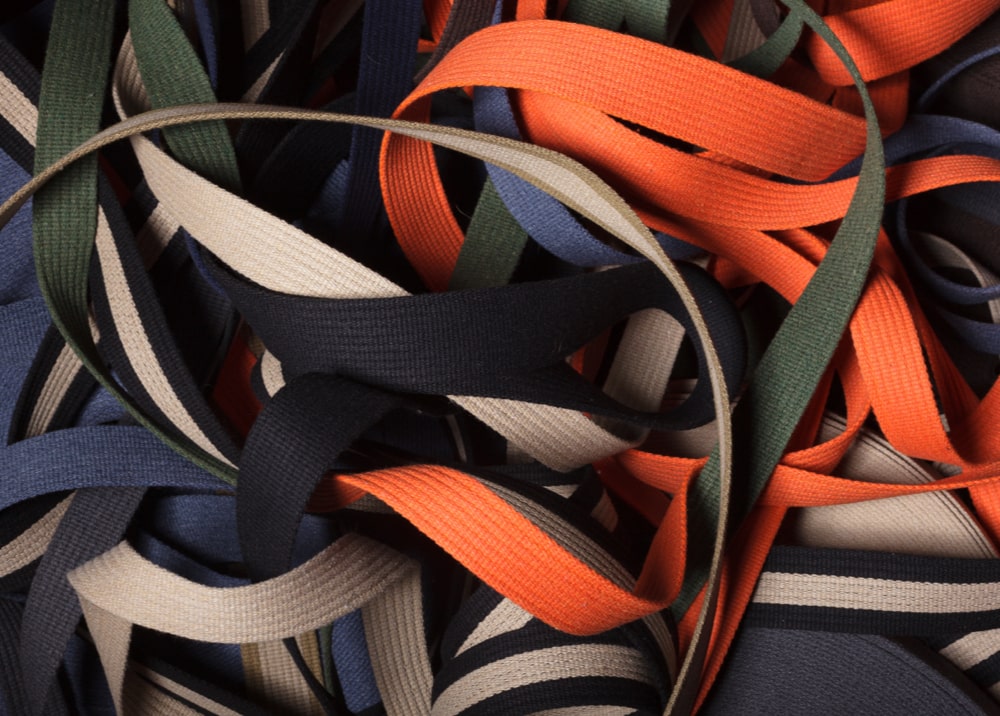
Choosing an excellent buckle is only part of the design process. Every component surrounding the buckle affects overall performance, including webbing, attachment points, stitching, and neighboring hardware.
Manufacturers should verify that each component functions together throughout repeated use. Compression straps should tighten smoothly without slipping, and sternum straps should remain comfortable while allowing easy adjustment. Accessory attachments should stay accessible without interfering with other features.
Evaluating the complete assembly reveals opportunities to improve usability before production begins. Small hardware changes can simplify manufacturing while creating a better experience for the end user. Early compatibility testing also reduces the likelihood of production delays caused by mismatched components or unexpected fit issues.
Product Testing Validates Buckle Selection
Prototype testing provides valuable information that specifications alone cannot reveal. A buckle may meet published performance ratings while behaving differently once installed on a finished backpack or outdoor product.
Manufacturers should evaluate complete assemblies under conditions that reflect actual use. Repeated opening and closing cycles, exposure to outdoor environments, and load testing all provide insight into long-term performance. Observing how the hardware interacts with straps and surrounding materials often identifies opportunities for refinement before production begins.
Choosing the Best Buckle
No single buckle fits every backpack or outdoor product. The right solution depends on intended use, expected loads, operating conditions, and the overall design goals of the finished product. Product developers who evaluate these factors early can narrow their options more efficiently while creating equipment that functions as intended.
The best buckles for outdoor gear and backpacks balance durability, ease of use, weight, and compatibility instead of prioritizing only one characteristic. Reviewing available hardware early in the design process gives manufacturers greater flexibility when refining prototypes or sourcing complementary components.
At A+ Products, we supply buckle hardware for manufacturers across a wide range of industries. We offer FIDLOCK magnetic buckles, plastic buckles, custom metal buckles, assembled webbing straps, and additional fastening solutions backed by more than 30 years of experience. As your sourcing partner, we can also assist with custom component solutions when standard hardware does not fit your application. If you’re developing outdoor gear or backpacks, contact us to discuss your project, request samples, or explore the buckle options that best support your product goals.