






Workwear faces conditions that everyday apparel rarely encounters. Repeated movement, heavy use, outdoor exposure, and demanding jobsites put fabrics and components under steady stress.
Manufacturers need to consider how each part of a garment or piece of equipment will respond throughout its intended service life. Durability factors that support safer workwear start with selecting materials and hardware that fit the demands of the application.
Material Strength Supports Reliable Workwear Performance
Durability begins with materials that match the expected working environment. Fabric, webbing, and hardware each face different forces during use, so manufacturers need to evaluate them according to their specific function.
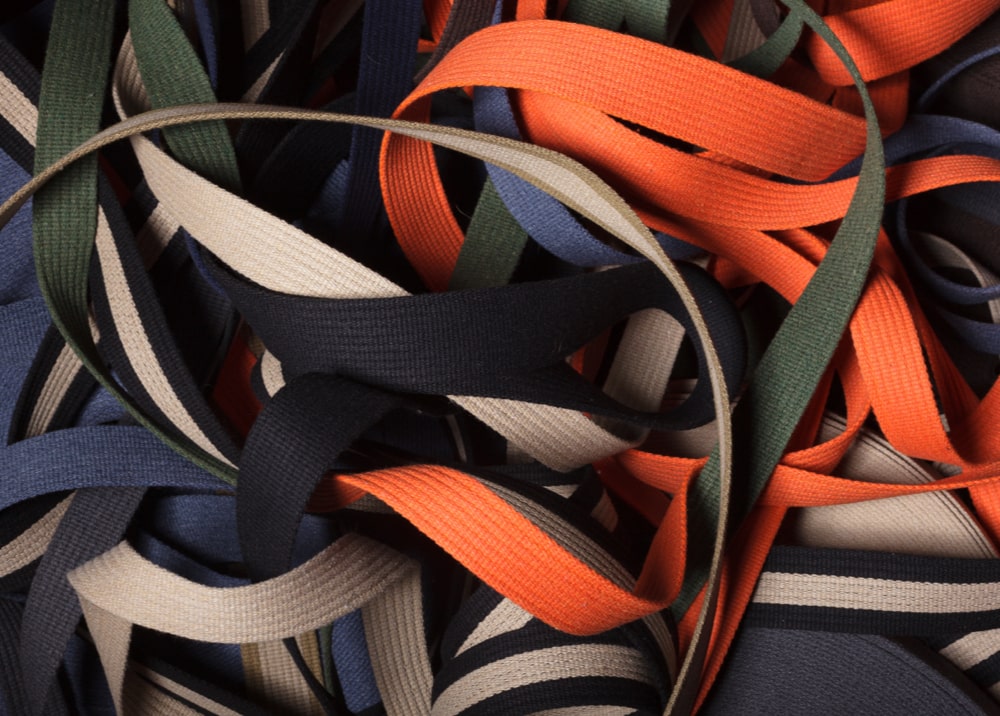
For example, webbing may need to withstand repeated tension while a buckle needs to maintain dependable engagement after frequent opening and closing. Material selection should account for those differences. A component that performs well in a lightweight apparel application may not suit equipment that encounters heavier loads or more frequent use.
Manufacturers should also consider how components interact. Hardware dimensions, webbing thickness, and attachment methods affect how the assembled product functions. Testing the complete design provides a clearer picture than evaluating an individual component alone.
Abrasion Resistance Reduces Wear in High-Contact Areas
Repeated friction can gradually weaken workwear components. Straps may rub against clothing, tools, or other surfaces throughout a shift. Hardware can also experience contact at connection points where components move against each other.
Abrasion resistance matters most in areas that experience frequent movement. Manufacturers can identify these locations during product development and select materials suited to the expected amount of friction. They should also examine prototypes after repeated-use testing for fraying, thinning, or changes around attachment points.
Hardware deserves the same attention. Rough or poorly matched contact surfaces may contribute to unnecessary wear on adjacent webbing. Evaluating the full assembly makes it easier to identify these concerns before production.

Environmental Resistance Protects Components From Jobsite Exposure
Workwear often encounters more than mechanical stress. Moisture, sunlight, temperature changes, and workplace substances affect how a component performs over time. The relevant exposure depends on where and how workers will use the finished product.
Outdoor workwear, for example, may require components that tolerate regular UV exposure. Products intended for wet environments need materials appropriate for repeated contact with moisture. Temperature also deserves consideration when equipment will move between climate-controlled spaces and demanding outdoor conditions.
Manufacturers should define likely environmental conditions early in development. Those requirements narrow component options and give testing teams realistic parameters for evaluating the finished design.
Buckle Construction Affects Repeated Closure Performance
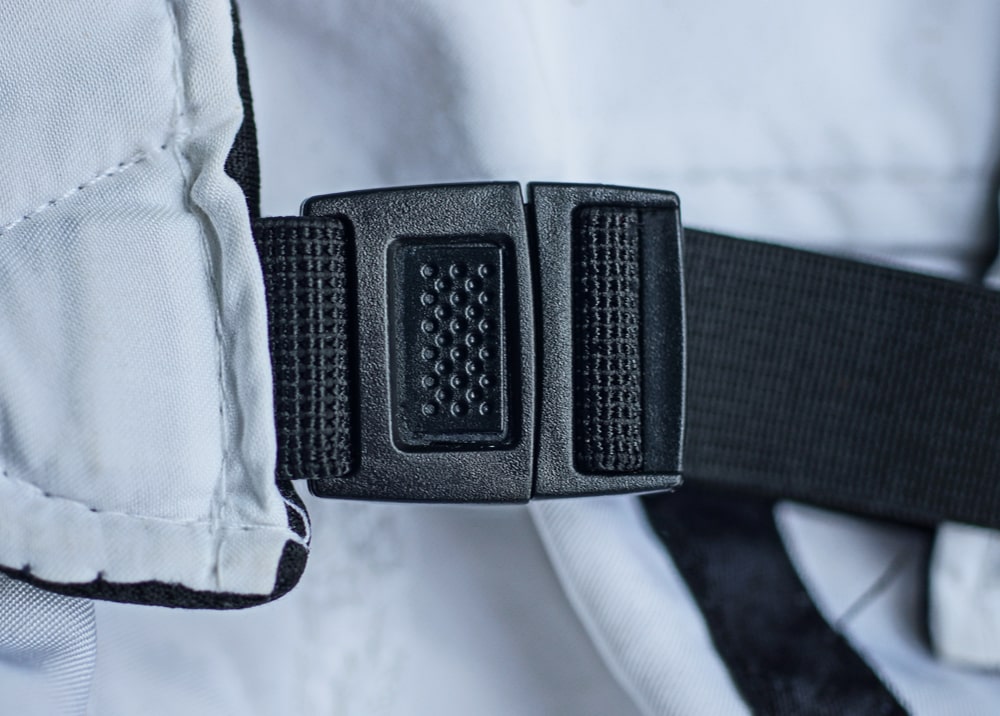
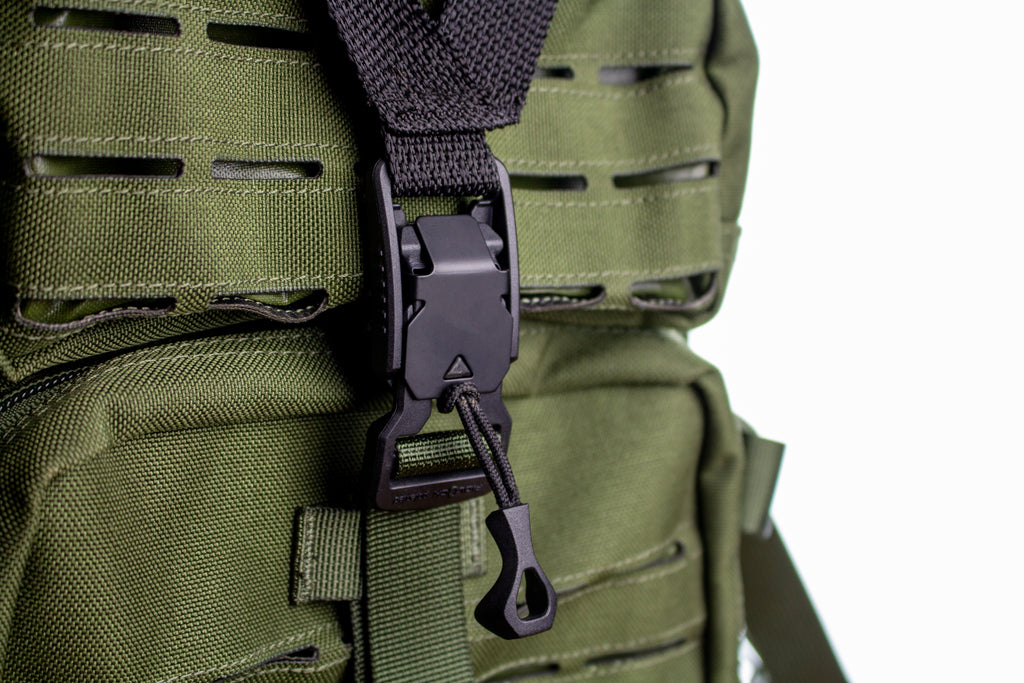
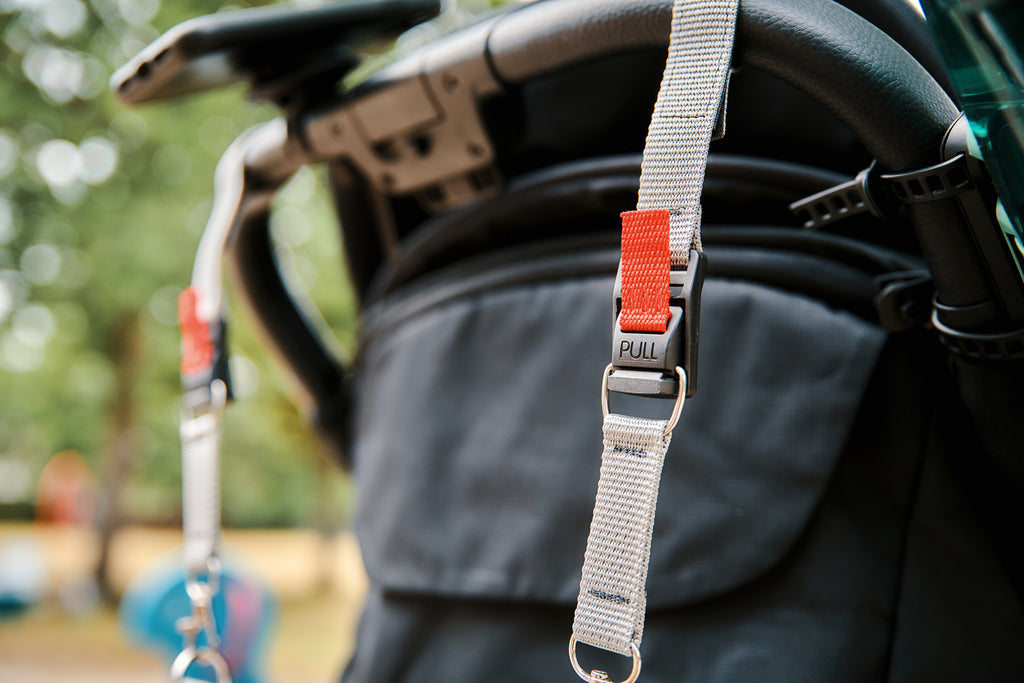
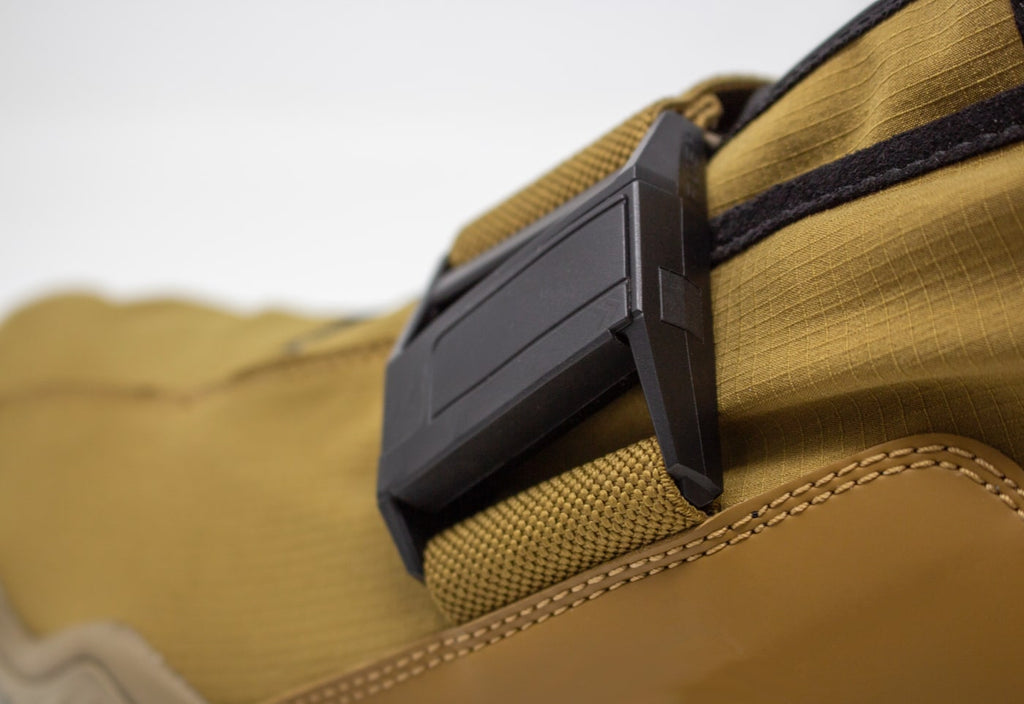
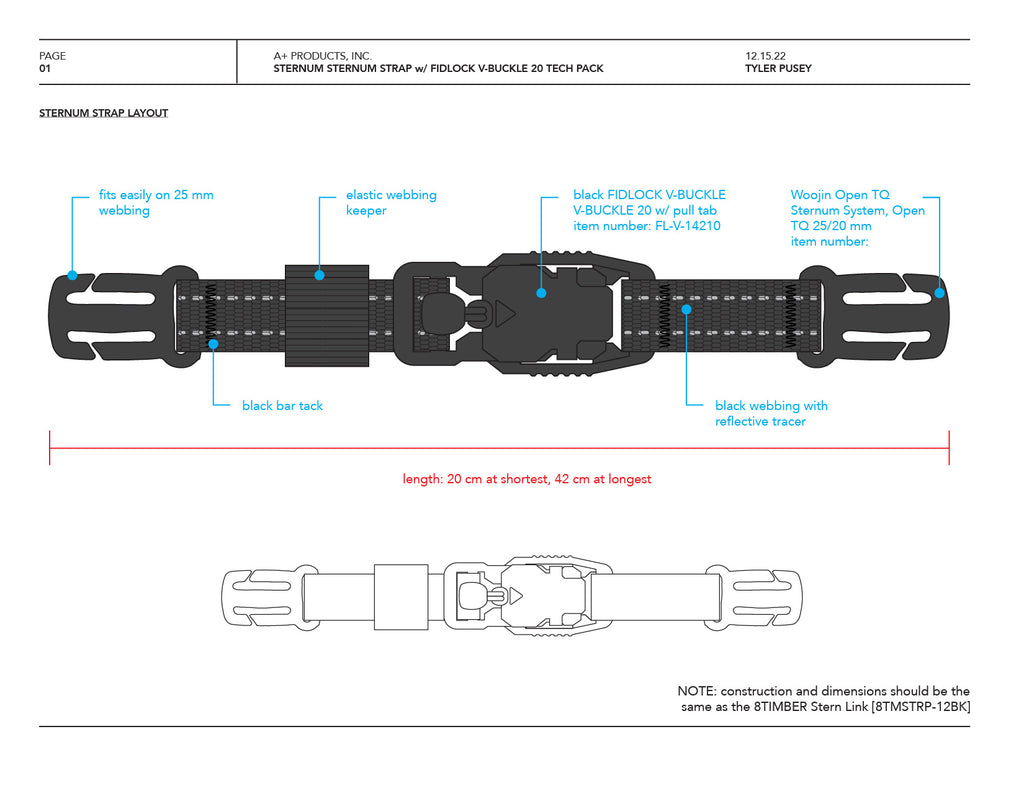
Buckles on workwear go through hundreds or thousands of opening, closing, and adjustment cycles. Their durability depends on the material, mechanism, and way the buckle connects to the surrounding strap.
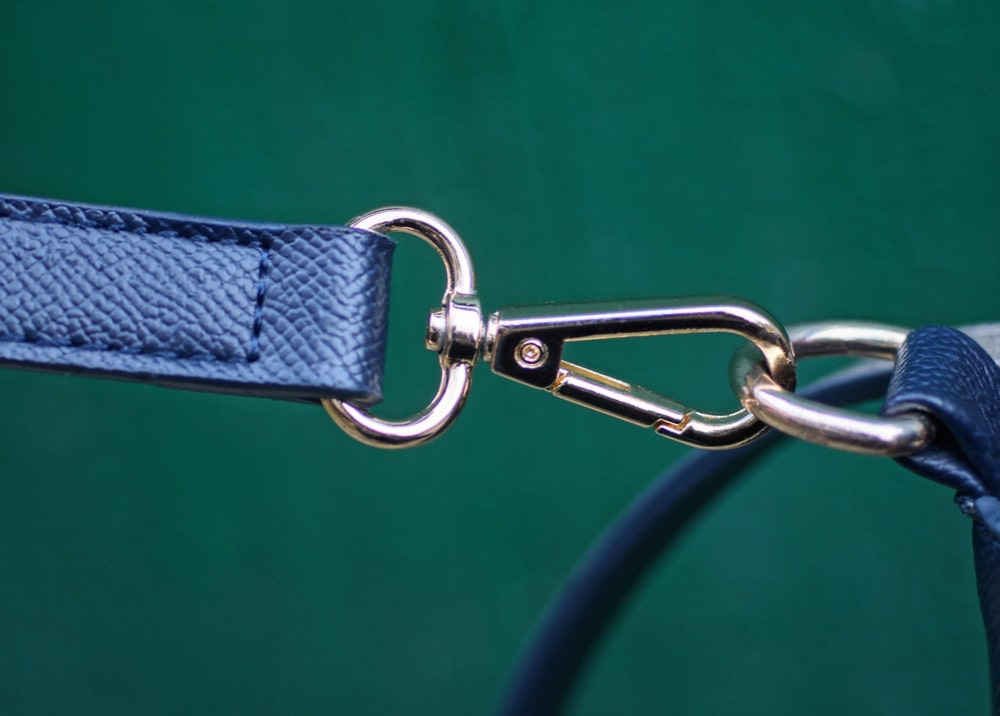
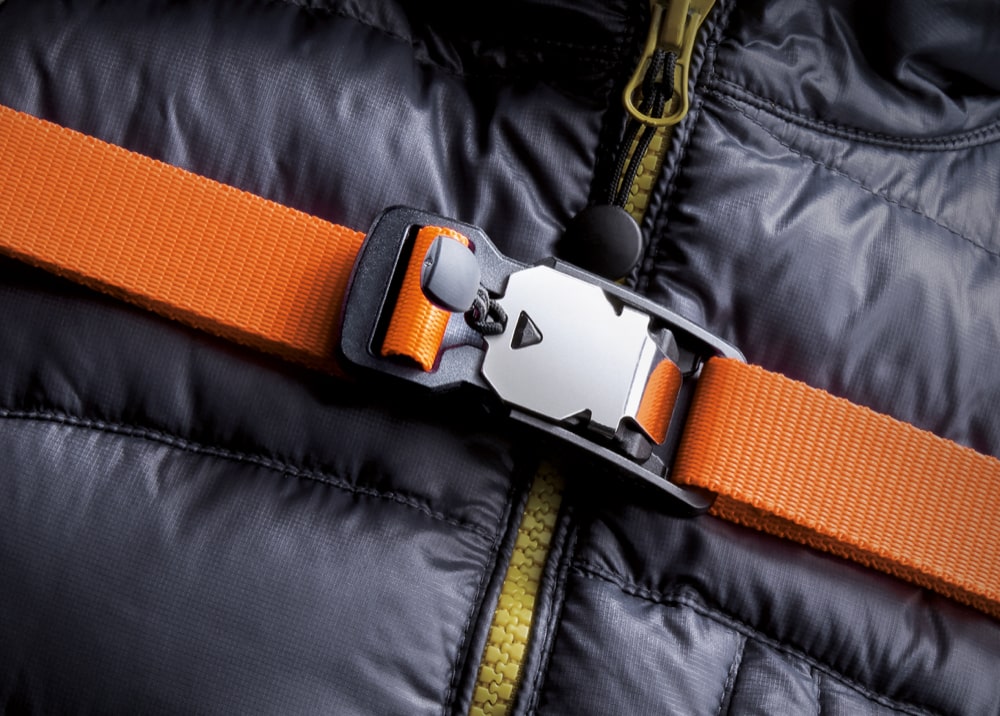
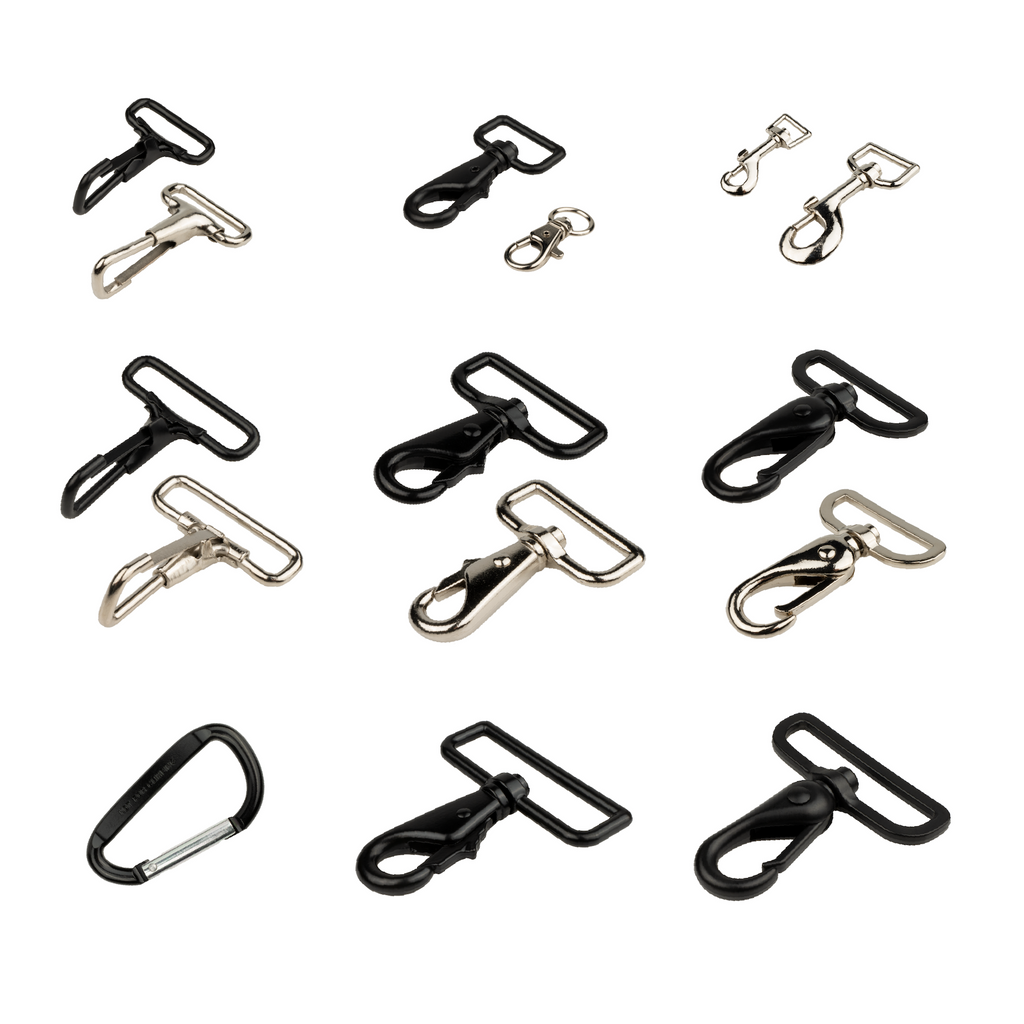
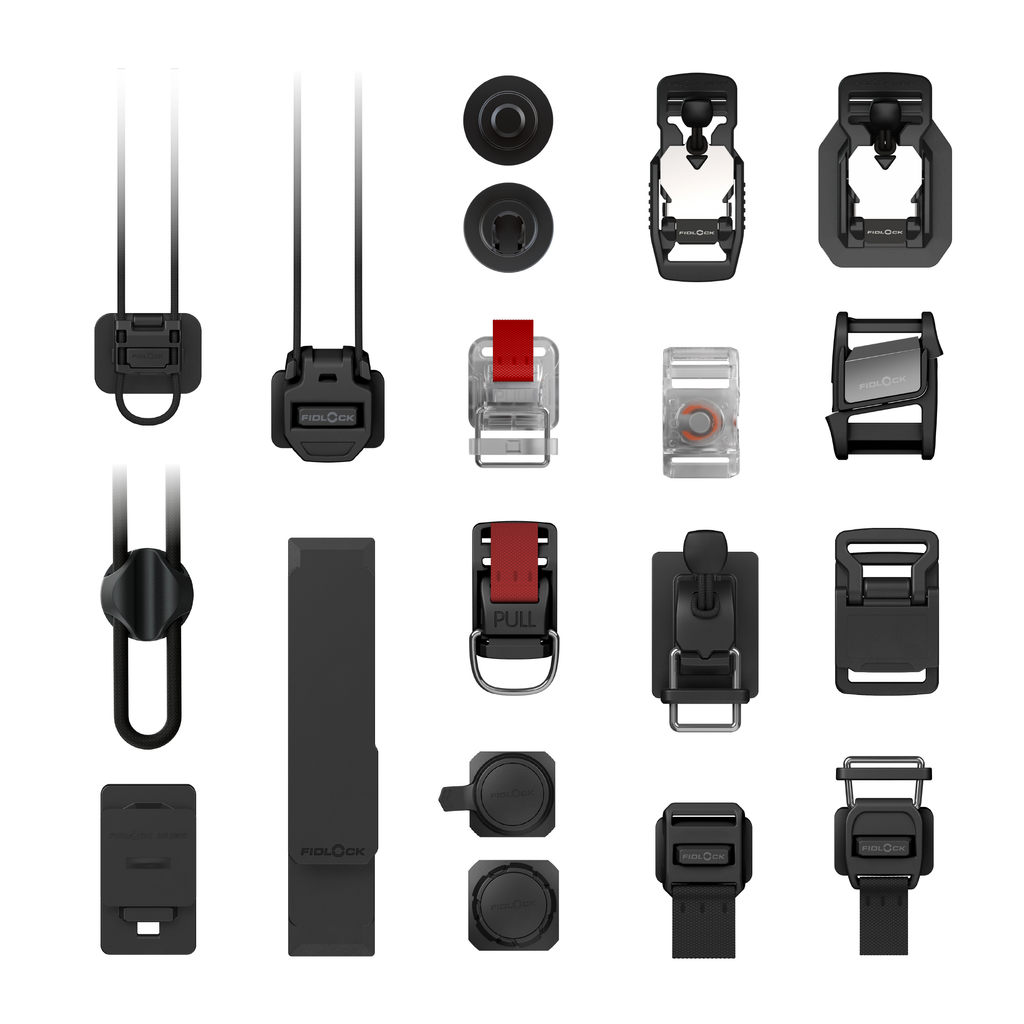
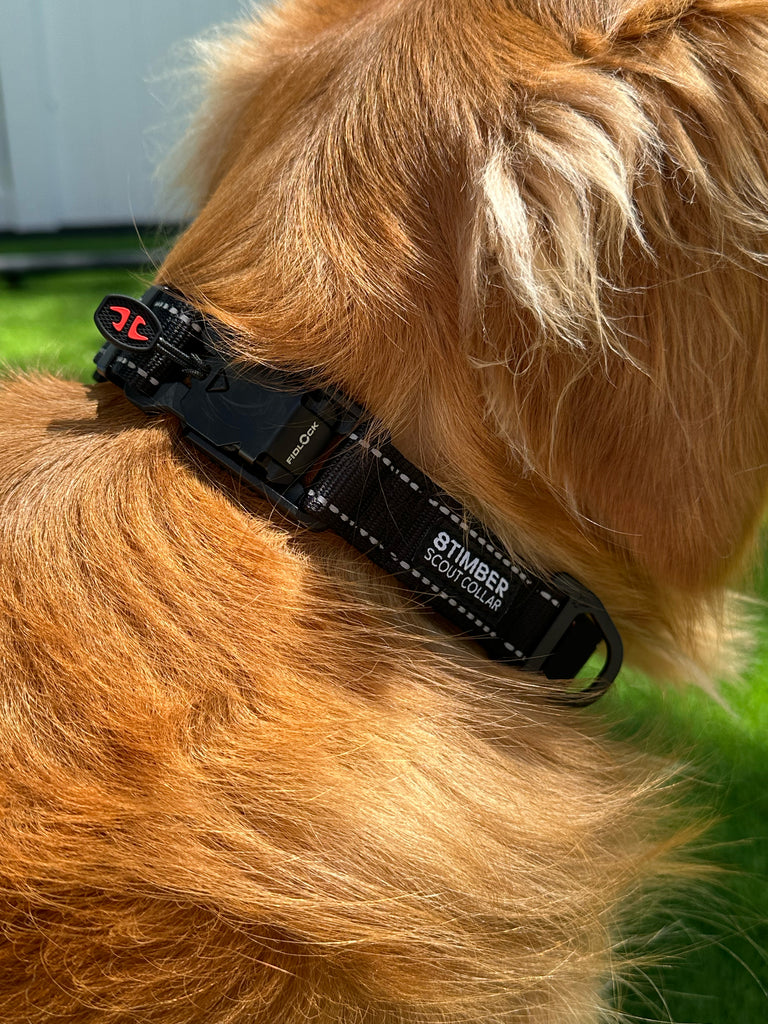
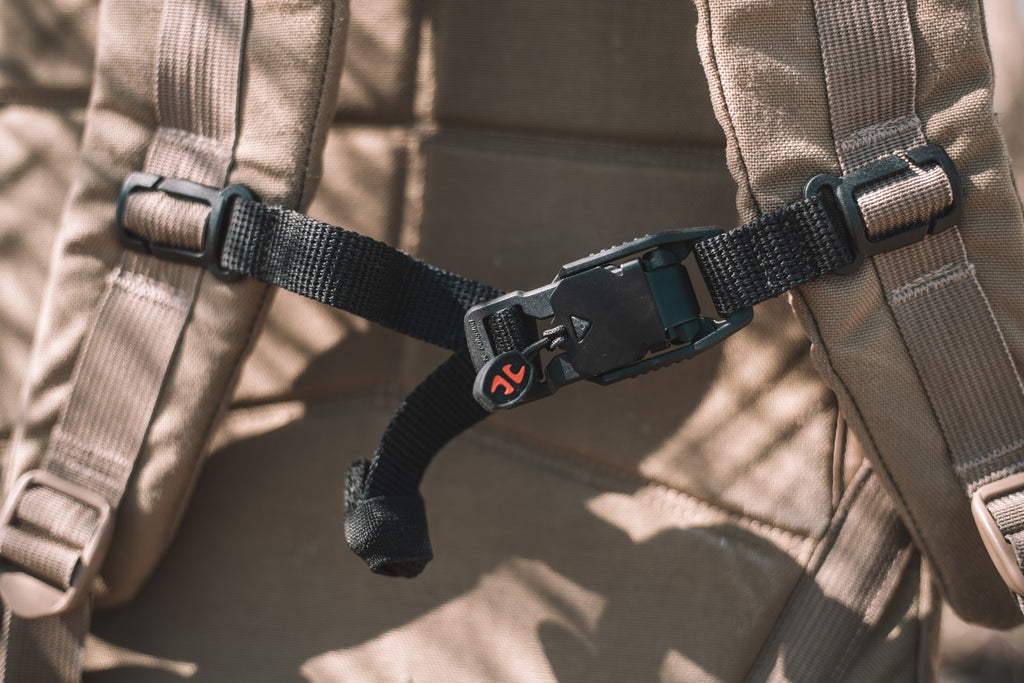
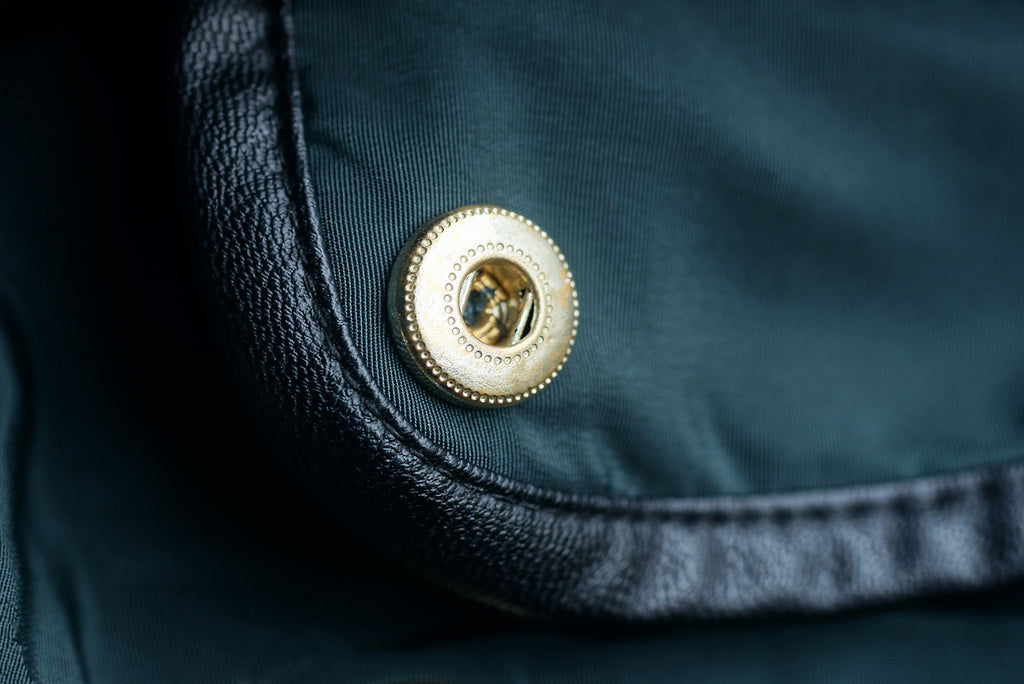
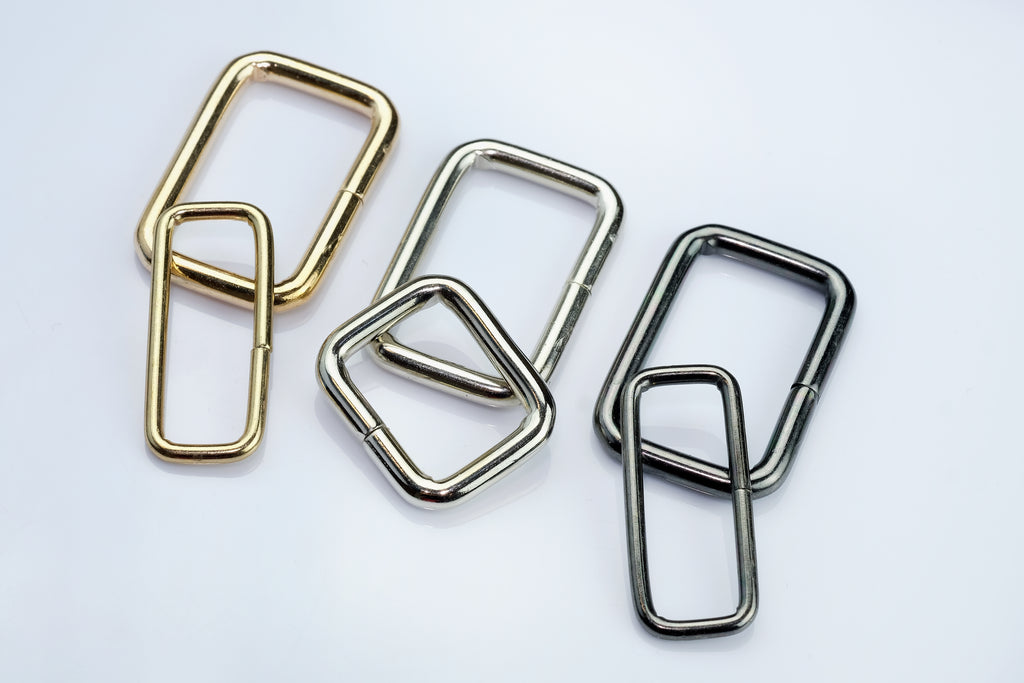
A plastic strap buckle may fit applications that prioritize low weight, corrosion resistance, or straightforward operation. Metal hardware might make more sense when the product specification calls for different strength characteristics or a particular appearance. Neither material automatically suits every workwear design, which makes application-specific evaluation important.
Manufacturers should pay particular attention to the buckle’s operation after repeated cycling. A closure that works correctly when new still needs to meet the product team’s requirements after extended use. Testing should reflect realistic handling rather than relying solely on initial fit.
Secure Strap Connections Limit Unwanted Movement
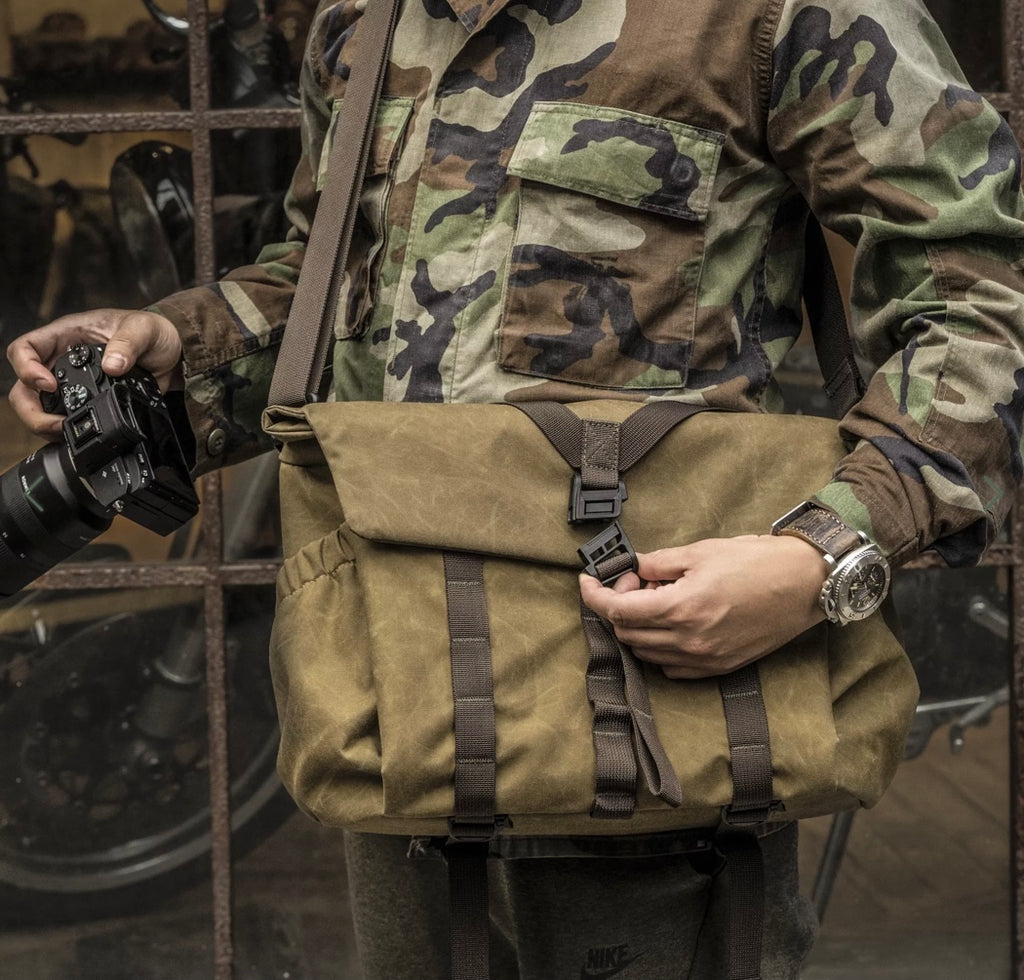
A durable buckle cannot compensate for a poorly matched strap. Webbing width and thickness need to correspond with the hardware so the strap sits correctly and maintains the intended adjustment.
Movement at the connection point creates several concerns. Excessive slipping may change the fit of the product, while uneven contact could contribute to wear. Manufacturers should evaluate whether the webbing stays in its intended position during normal movement and repeated adjustments.
Key details to check during development include:
- • Webbing width and thickness
- • Hardware slot dimensions
- • Adjustment under expected tension
- • Wear near attachment and contact points
- • Stability after repeated use
These checks give product teams a more complete view of how the strap assembly performs as a system.

Hardware Design Supports Practical Use
Durability has limited value when workers cannot operate a component as intended. Workwear hardware should suit the motions and conditions users will encounter on the job.
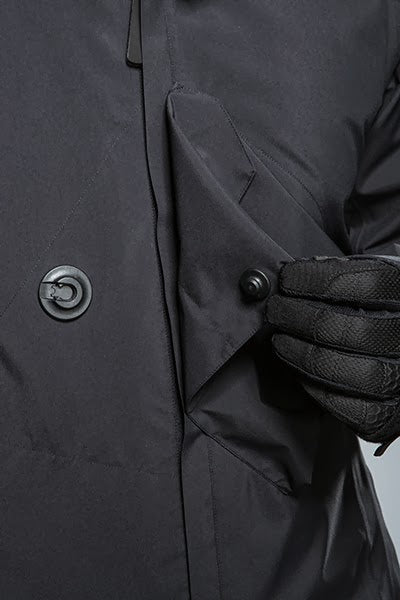
A buckle may need to function while the user wears gloves, for example. Another application might call for a low-profile component because bulky hardware could interfere with movement or nearby equipment. Designers should consider these practical requirements alongside material specifications.
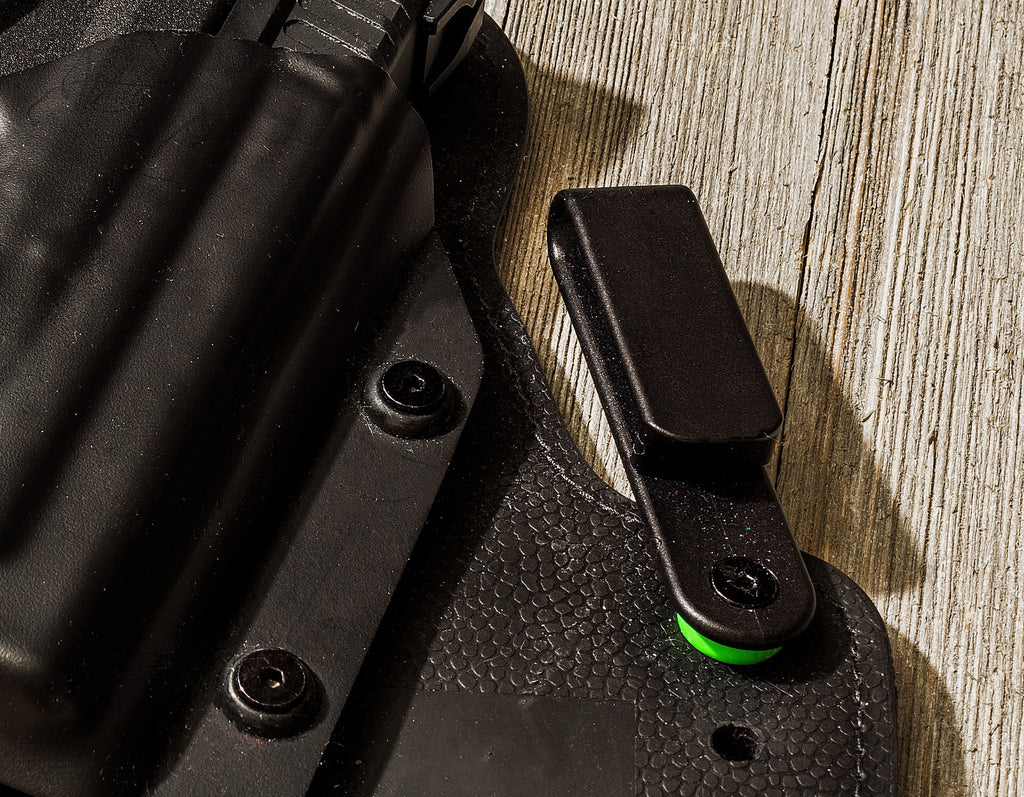
The location of the hardware matters as well. A component positioned where it frequently strikes tools or hard surfaces will experience different wear than the same part placed in a protected area. Product teams can account for that exposure through thoughtful placement and realistic prototype testing.
Testing Confirms Whether Components Fit the Application
No buckle, fastener, or strap component can guarantee the safety of finished workwear on its own. Manufacturers need to test their complete products according to the requirements of the intended application and any relevant standards.
Testing should reflect the conditions the workwear is likely to encounter. Product teams may need to evaluate repeated operation, environmental exposure, or other application-specific demands. The appropriate test plan will depend on the product and its intended function.
Durability factors that support safer workwear give manufacturers useful criteria for component selection, but final validation remains essential. Testing allows a company to confirm that its design meets its own performance and safety requirements before the product reaches workers.
The Right Supplier Can Support Durable Workwear Development
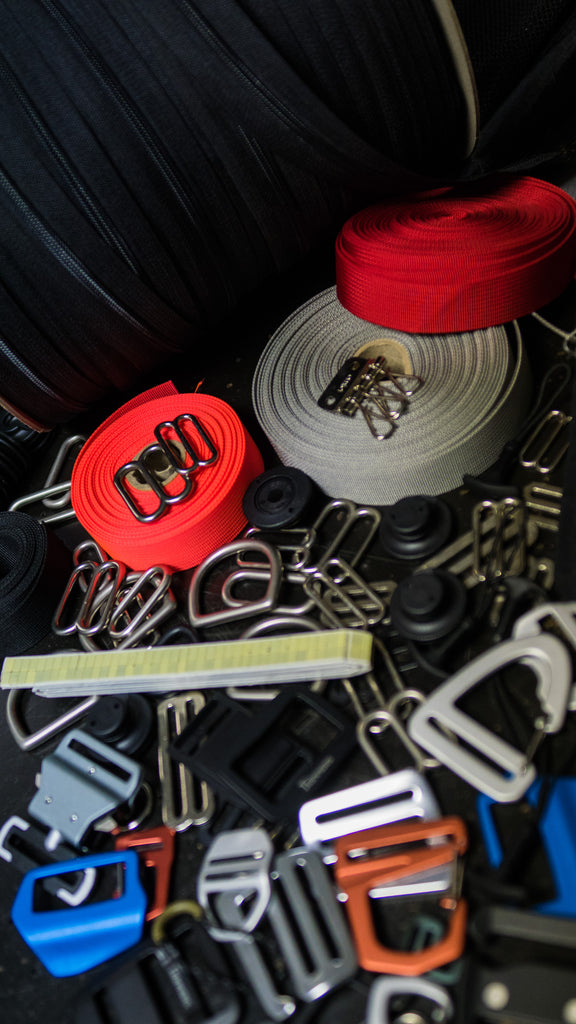
Component selection becomes easier when manufacturers can work with a supplier that understands hardware options and sourcing requirements. At A+ Products, we supply buckle hardware and strap components for workwear and other demanding applications. We can also discuss custom sourcing when an existing option does not fit a product’s specifications.
Our team will work with manufacturers to identify components based on factors such as dimensions, functionality, and application needs. The manufacturer remains responsible for testing the finished product and confirming that every component meets its safety and performance requirements. If you need buckles, strap assemblies, or custom hardware for an upcoming workwear product, contact A+ Products to discuss your component requirements.