




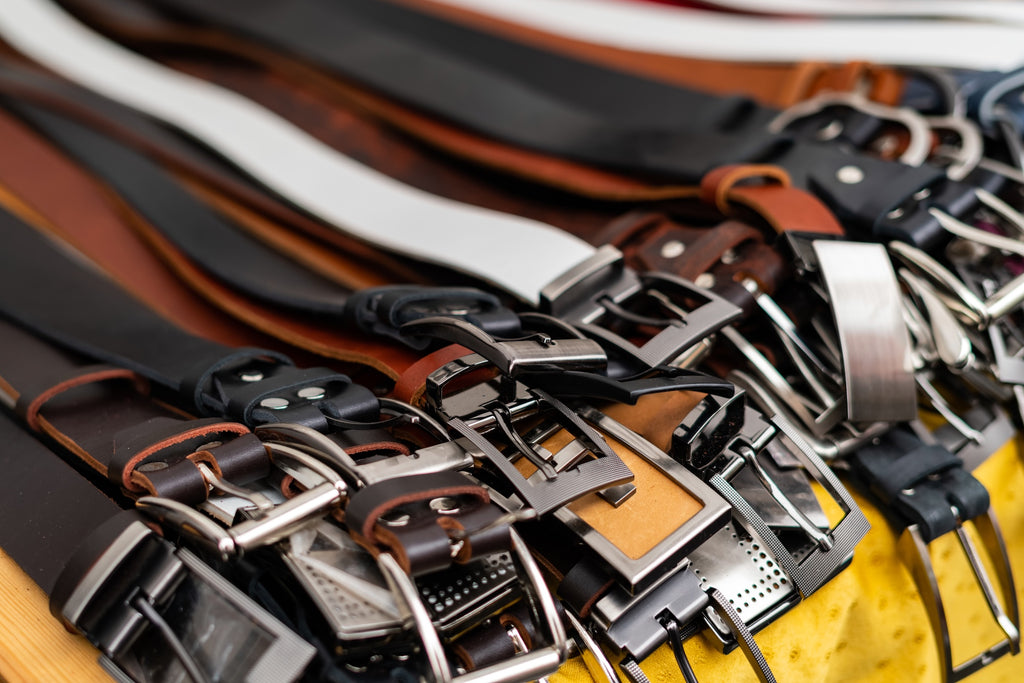


Pin buckles and deployant clasps both secure straps, but they create very different user experiences and product outcomes. Designers often choose between them based on durability, ease of use, and the overall feel of the finished product. Each option brings its own strengths, which makes the choice less about better or worse and more about the right fit for the application. Below, we’ve outlined the difference between pin buckles and deployant clasp.
What Is a Pin Buckle?
The prong locks into place, holding the strap at a set length and preventing slipping during use while keeping the fit consistent under tension. This is important in applications like pet collars or work gear, where movement and load can shift the strap if the closure doesn’t stay secure. Below, we’ve further explained why many manufacturers select pin buckles for their products.
Simple and Widely Compatible Design
The pin buckle, commonly referred to as end-bar buckles, uses a basic frame-and-prong system that secures the strap by locking into pre-punched holes. This straightforward design limits the number of moving parts, reducing the risk of mechanical failure and keeping performance consistent across different use cases.
Teams can pair pin buckles with a wide range of materials, including leather, nylon webbing, polyester straps, and coated fabrics. Since the closure relies on hole placement rather than integrated hardware, designers can swap materials or adjust strap thickness without reengineering the buckle itself.
Adjustability and Fit
Pin buckles let users adjust the fit by moving the prong into different holes along the strap. Most designs include evenly spaced holes, typically around 5–7 positions, which gives enough range to accommodate different wrist sizes or gear adjustments.
That spacing directly affects how precise the fit feels. Wider gaps between holes can leave the strap either slightly too tight or too loose, which is more noticeable in applications like belts, pet collars, or fitted gear, where small differences affect comfort.
Durability and Wear Over Time
Each time the user fastens the buckle, the prong presses into the same set of holes and creates repeated stress at those points. Over time, this pressure can stretch the holes out of shape or cause cracking, especially in leather or softer coated webbing.
This kind of wear builds gradually but shows up faster in products that see daily use or frequent adjustments. Teams designing for long-term use need to account for this by selecting reinforced materials or accepting shorter strap lifespans in exchange for a simpler closure system.
Cost and Sourcing Considerations
Pin buckles remain one of the most cost-effective closure options because their simple, two-part design keeps manufacturing and assembly straightforward. Suppliers can produce them in high volumes across various finishes, sizes, and materials without added complexity.
High-volume production and standardized designs make pin buckles a reliable option for large-scale runs where consistency matters. Standard components also enable faster sourcing timelines, since teams avoid delays associated with custom tooling or specialized hardware.

What Is a Deployant Clasp?
A deployant clasp uses a folding mechanism that lets the strap open and close without fully separating. The clasp stays attached to both sides of the strap, which changes how users handle and secure the product. This design reduces repeated stress on key areas and helps extend strap life. You’ll often see deployant clasps in higher-end or performance-focused applications where durability and ease of use matter.
Folding Mechanism and Structure
Deployant clasps use hinged metal arms that fold open and snap closed to secure the strap. These hinges guide the motion and keep the strap aligned during use, which creates a consistent closing action every time.
An attached structure keeps both sides of the strap connected even when the strap is open, giving users more control when putting it on or taking it off. Many designs also include push-button releases or locking systems that add an extra layer of security and prevent accidental opening.
Improved Longevity for Straps
Deployant clasps reduce concentrated stress by removing the need to insert a pin into the same holes over time. This design spreads tension more evenly across the strap, which helps prevent stretching, cracking, or distortion in high-use areas.
Consistent load distribution allows the strap to keep its original shape through repeated use. This advantage becomes more noticeable with leather and other premium materials that tend to show wear quickly under repeated bending and pressure.
Ease of Use and Security
Once users set the correct size, a deployant clasp allows quick, consistent fastening without repeated adjustments. The folding motion creates a controlled, repeatable action that feels smoother than aligning a prong with strap holes each time.
Partial attachment during opening prevents the strap from fully separating, reducing the risk of dropping the item. This added control makes a noticeable difference in daily use, especially for smaller or more valuable products.
Cost and Application Fit
Deployant clasps use multiple components and require precise assembly, which increases production costs compared to simpler buckle systems. More complex construction also limits manufacturers' ability to scale production without tighter quality control.
Design teams need to plan for exact sizing, hinge placement, and material compatibility early in development. This level of integration makes deployant clasps a better fit for products where performance, longevity, or a premium feel supports the added investment.

Choosing the Right Option for Your Application
Evaluating the difference between pin buckles and deployant clasp comes down to selecting the option that best fits your product’s needs. If your design requires flexibility, lower cost, and broad compatibility, a pin buckle often makes the most sense. It works with a wide range of materials and supports efficient, high-volume production.
If your product focuses on a refined user experience or longer lifespan, a deployant clasp offers clear advantages. It handles repeated use without concentrating stress in one area, maintaining product quality over time.
Some areas to analyze when deciding on which type of buckle you should buy include the following:
- • Product use case: everyday wear, performance gear, or premium application
- • Material type: leather, webbing, or synthetic straps, and how they handle stress
- • Expected lifespan: short-term use vs. long-term durability requirements
- • User interaction: quick on/off vs. adjustable fit each time
- • Production volume: small batch runs vs. large-scale manufacturing
- • Cost constraints: budget limitations vs. value-added features
- • Design integration: how easily the buckle fits into your existing strap system
Partner With Us
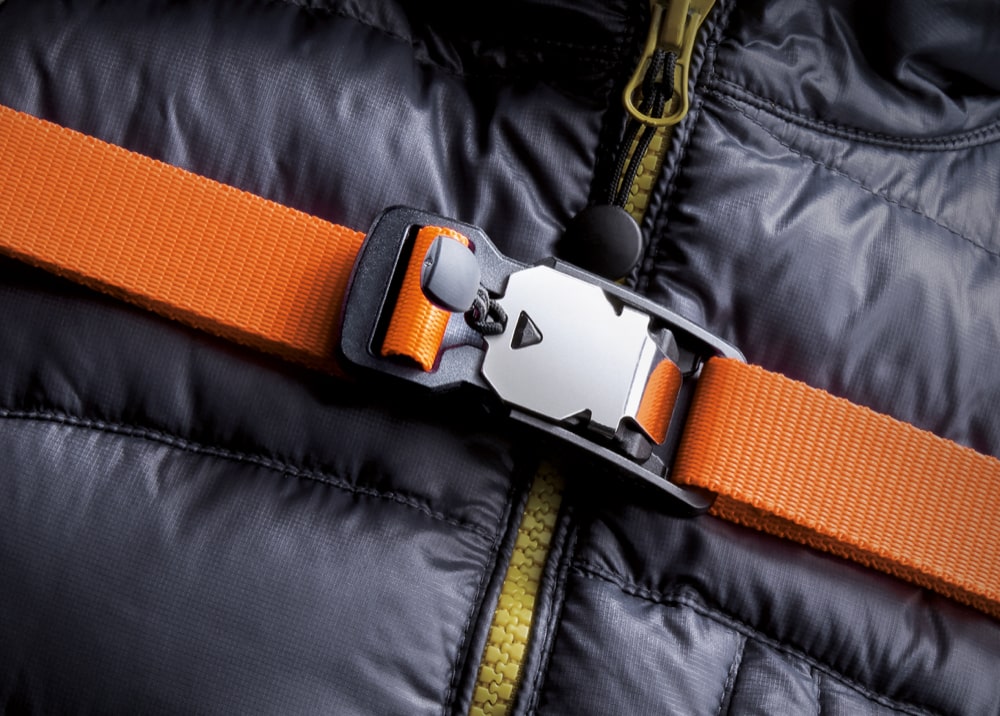
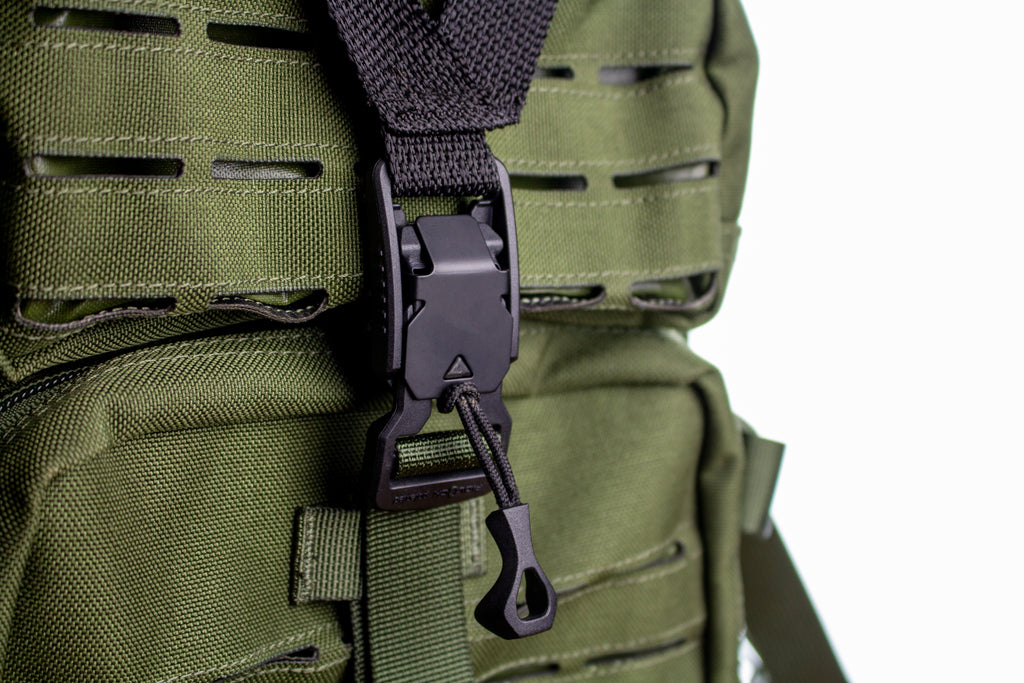
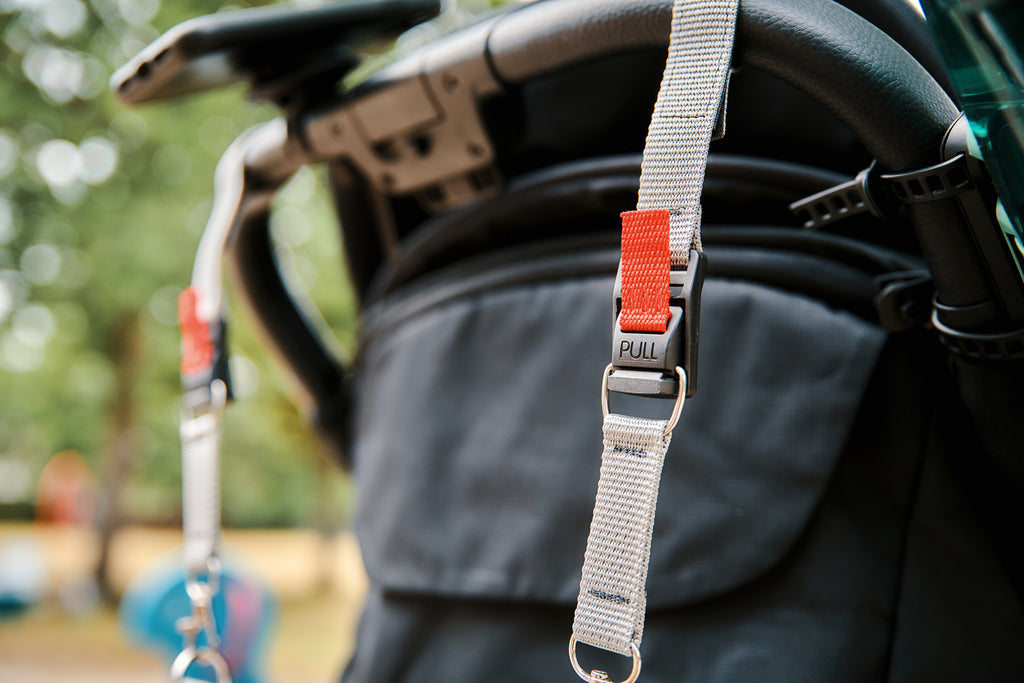
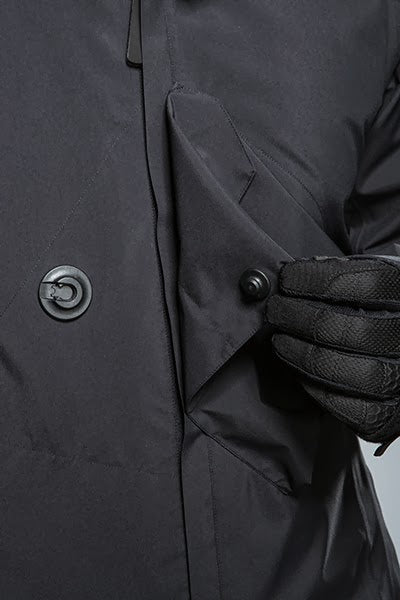
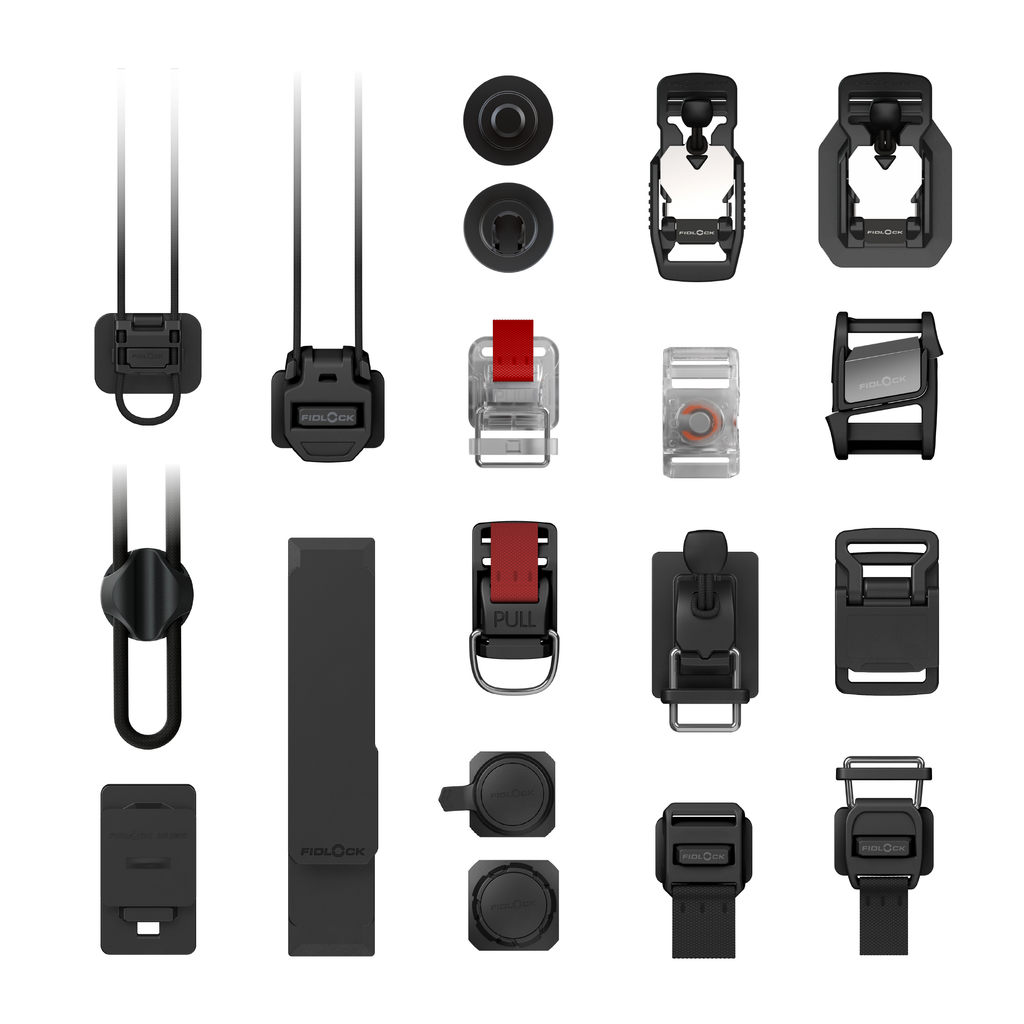
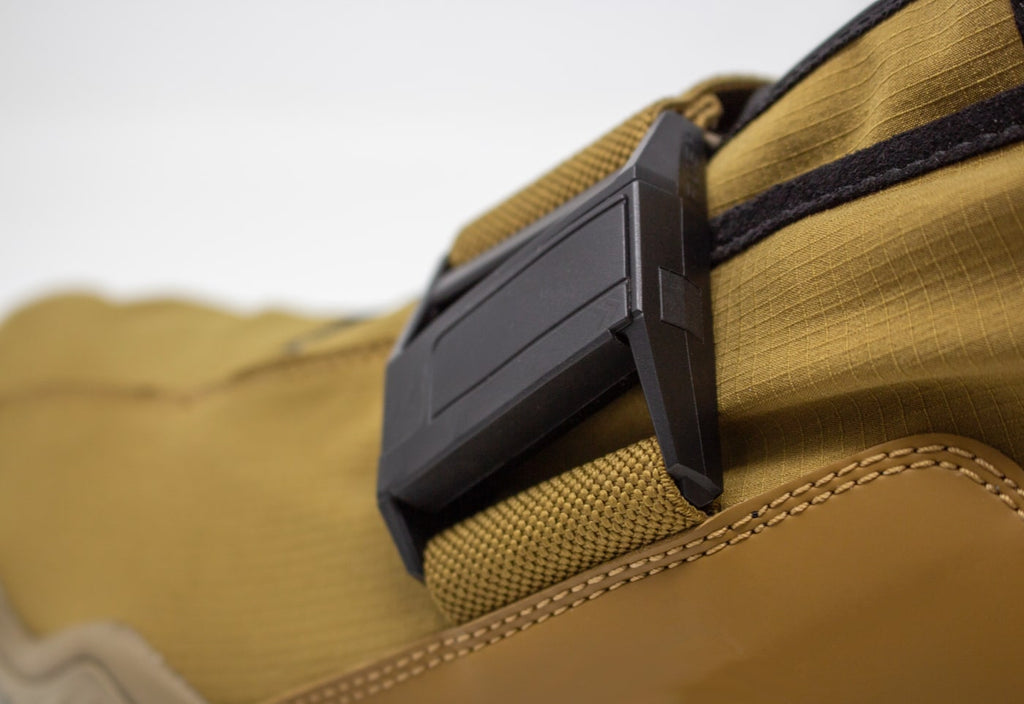
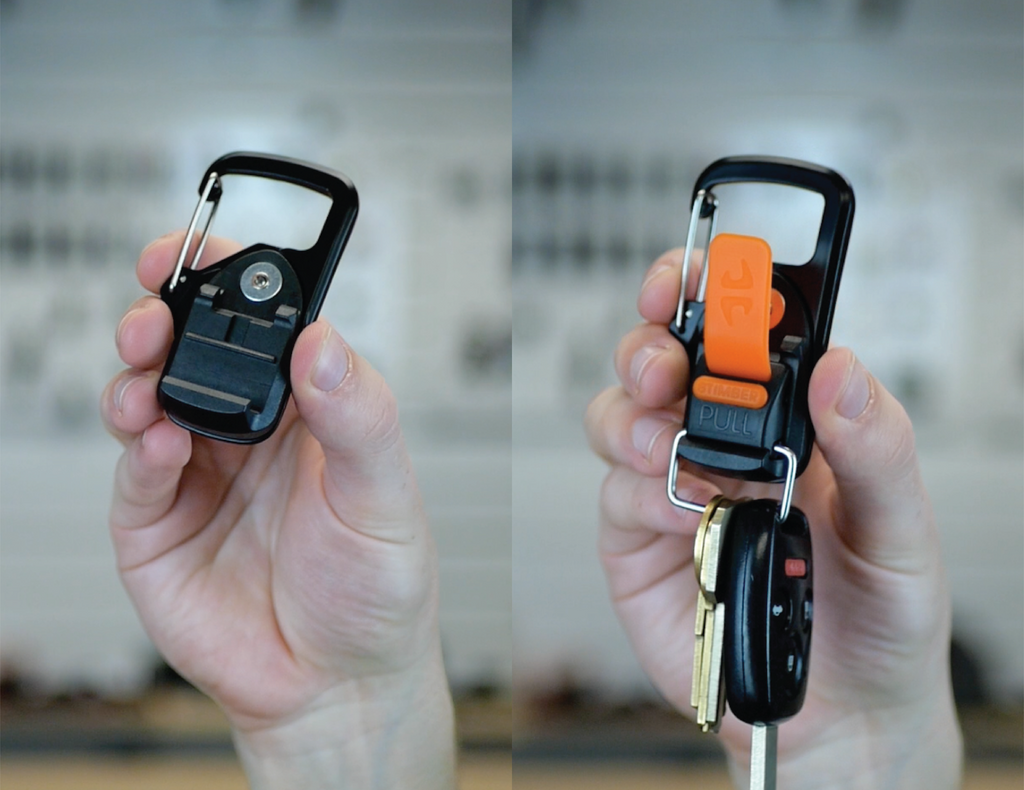
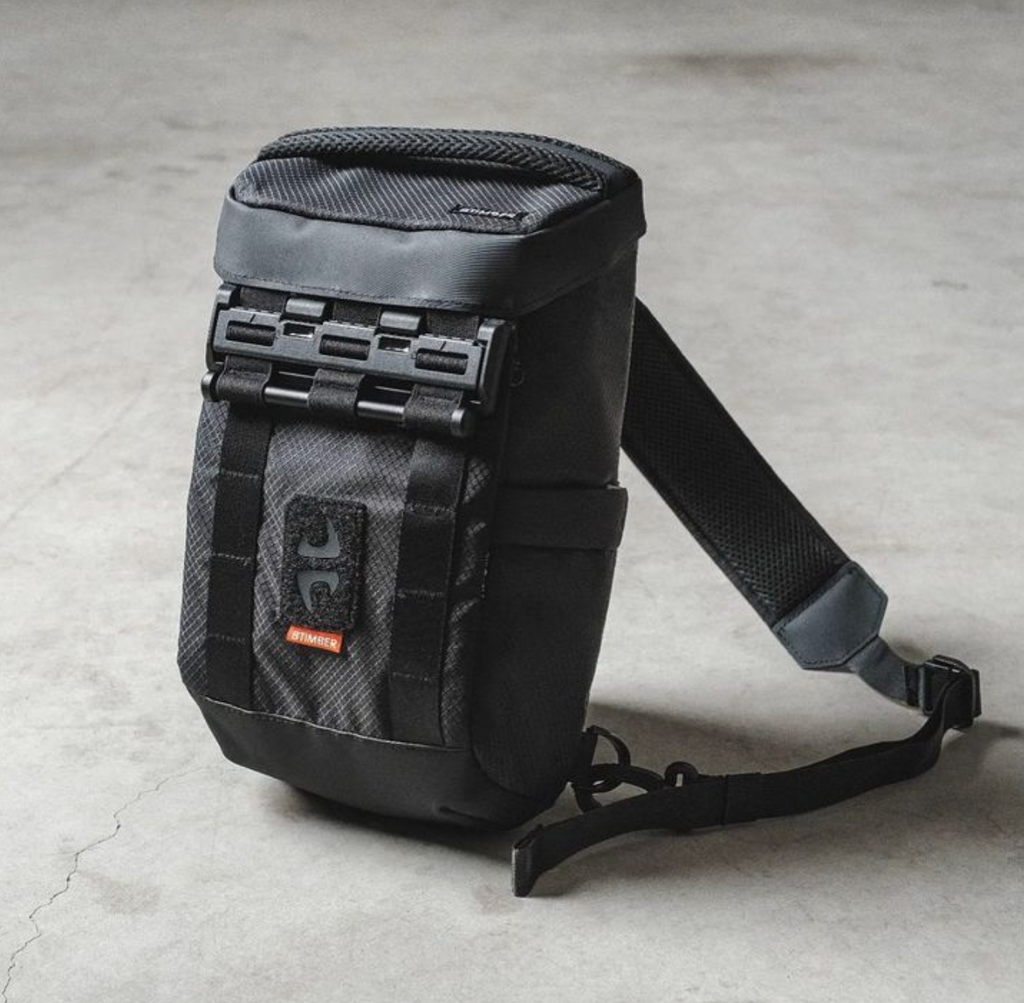
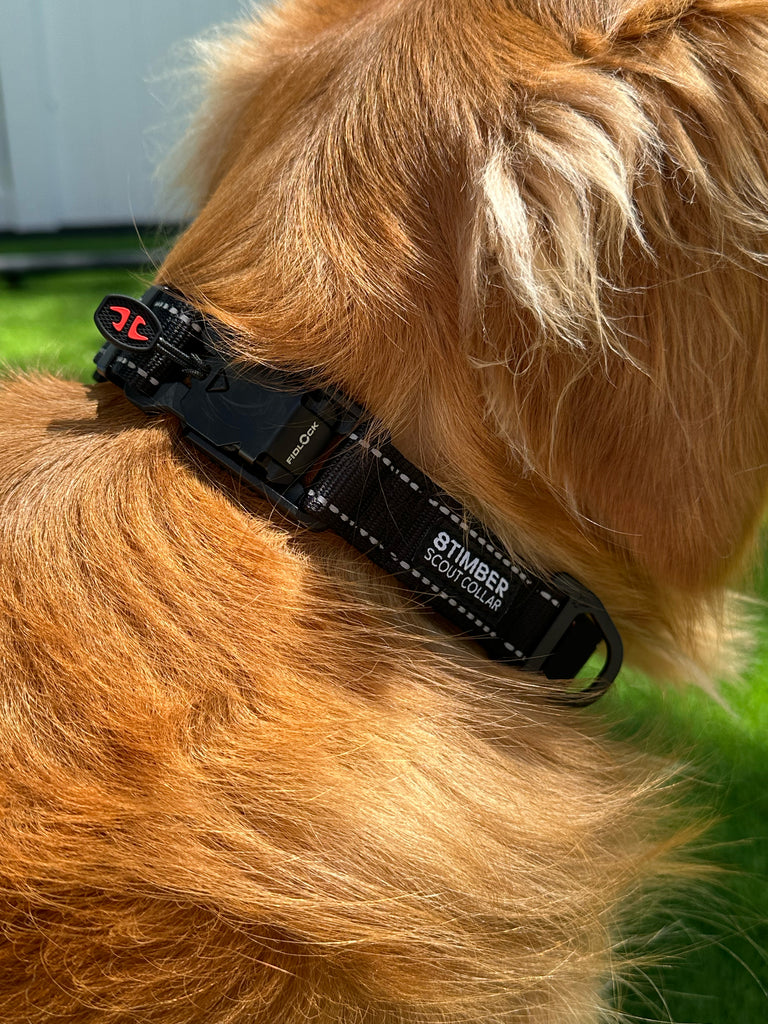
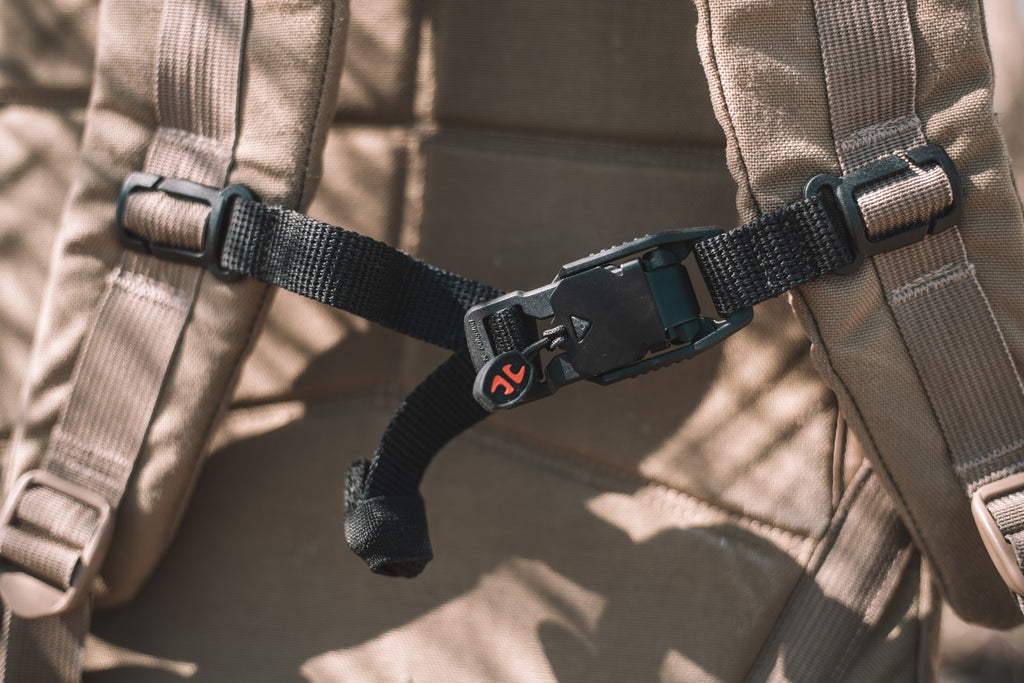
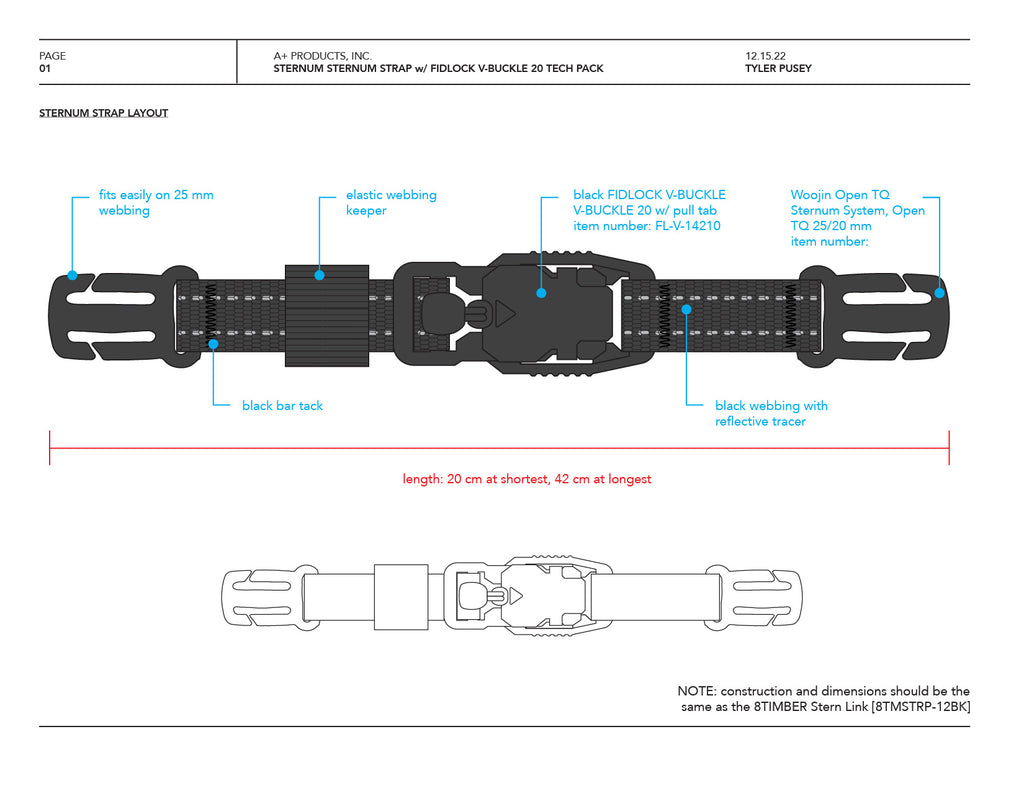
Both pin buckles and deployant clasps bring proven functionality to strap-based products. A FIDLOCK magnetic v-buckle is ideal for teams looking to add a more advanced, user-friendly closure that combines speed, security, and modern design.
A+ Products works as a sourcing partner to help you evaluate these options and match the right buckle to your application. Whether you need high-volume components or a more specialized solution, the team supports your process with reliable options and consistent supply.