






A tactical backpack has to do more than hold gear. It needs to support weight, withstand movement, and give users confidence when adjusting a strap or opening a compartment. Every material choice affects how the finished bag feels in use, from the fabric body to the smallest piece of hardware.
Manufacturers need components that meet the design goal, but they also need to test the finished backpack under real-world conditions before bringing it to market. Let’s take a closer look at materials and hardware for the ultimate tactical backpack.
Heavy-Duty Backpack Fabric
The main fabric needs to match the way the backpack will be used. Many tactical backpack designs use nylon because it offers strong abrasion resistance without making the bag feel overly rigid. Polyester can also work well when the design needs good shape retention at a more practical price point.
Fabric weight deserves close attention. A heavier fabric can help the backpack hold its structure when users carry gear, but it can also make the bag less comfortable during longer wear. For a backpack meant for daily use, manufacturers may want a material that balances durability with flexibility so the pack moves with the user rather than feeling stiff.
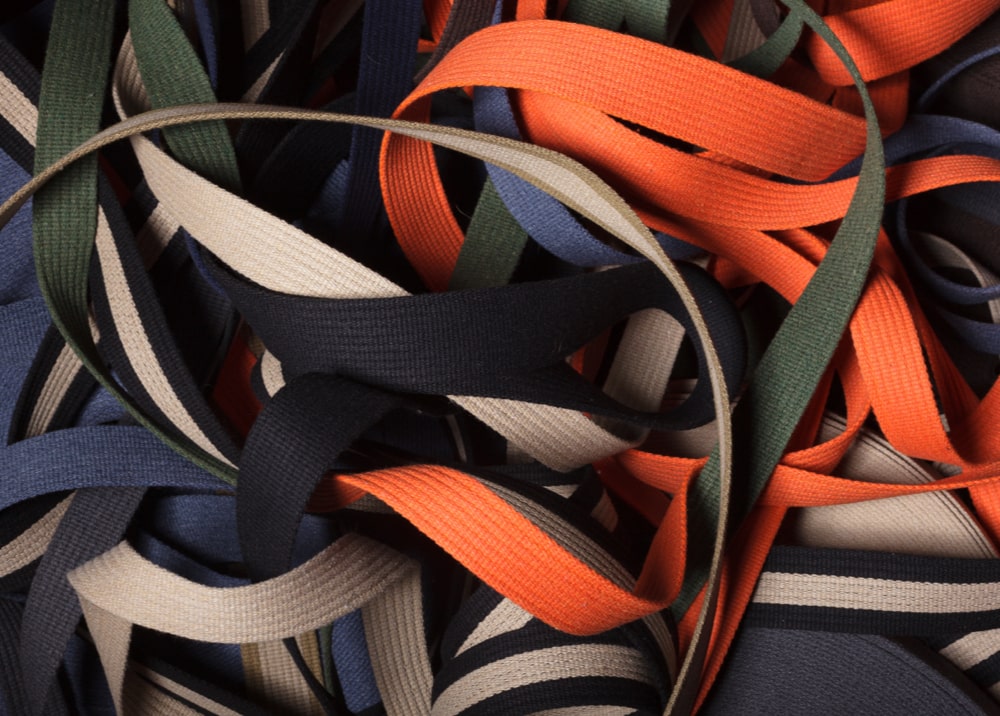
Reinforced Webbing
Webbing plays a major role in how a tactical backpack carries weight. It supports straps, attachment areas, and adjustment points that users touch throughout the day. When the webbing feels too light for the application, the finished pack may feel less stable in motion.
Strong webbing should work smoothly with the hardware selected for the backpack. If the strap does not feed cleanly through an adjuster, the user may struggle to tighten or loosen it. Product teams should test webbing with the actual buckle or adjuster before they finalize the design.
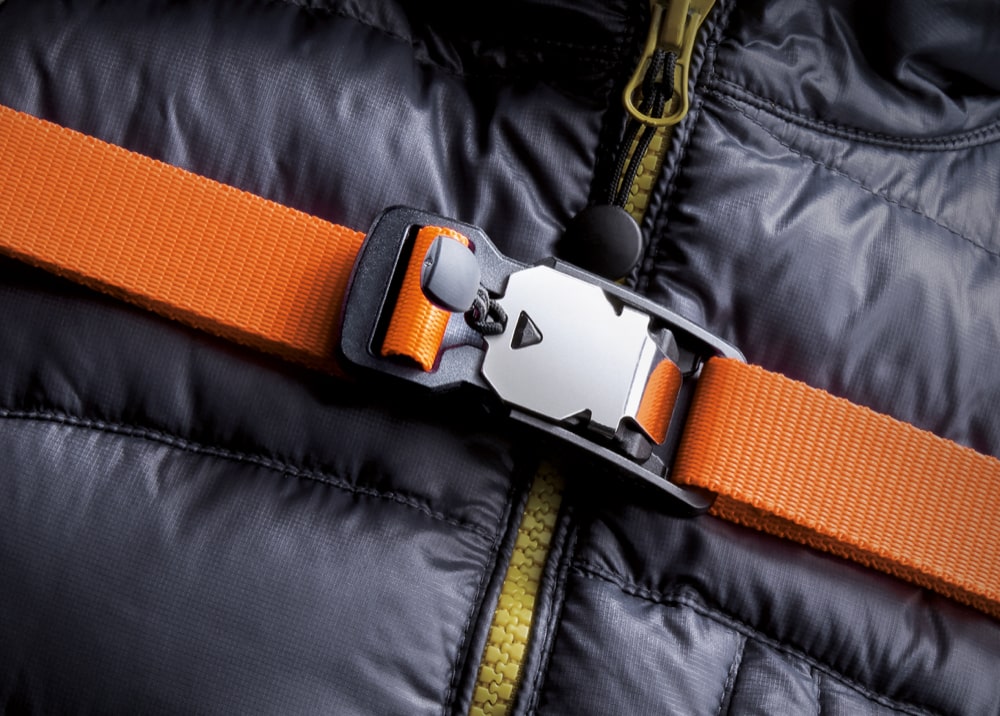
Side-Release Buckles
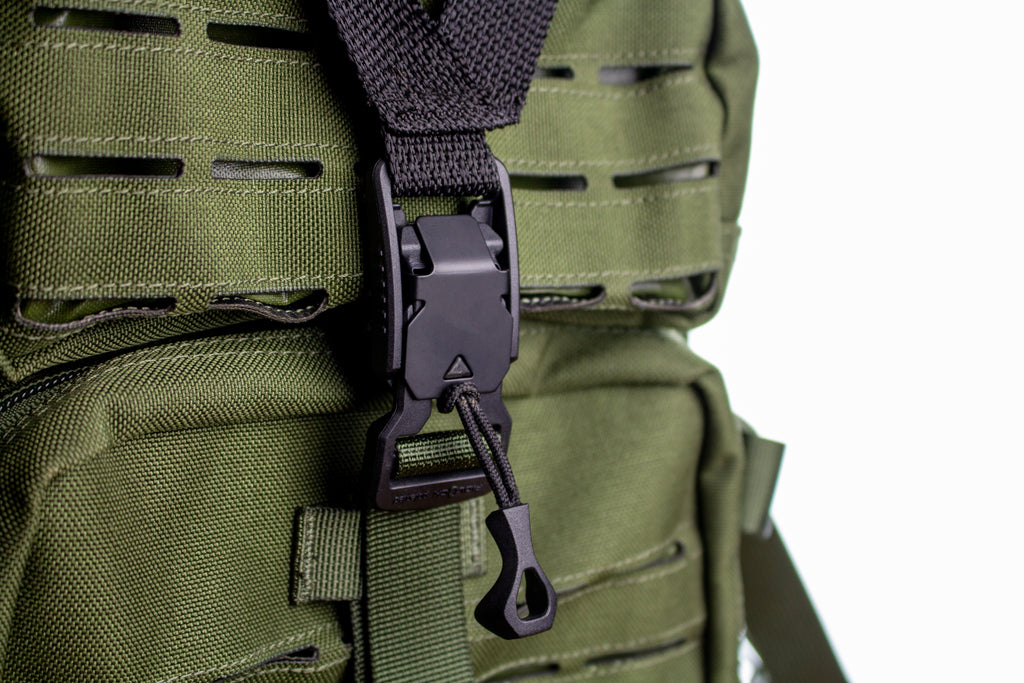
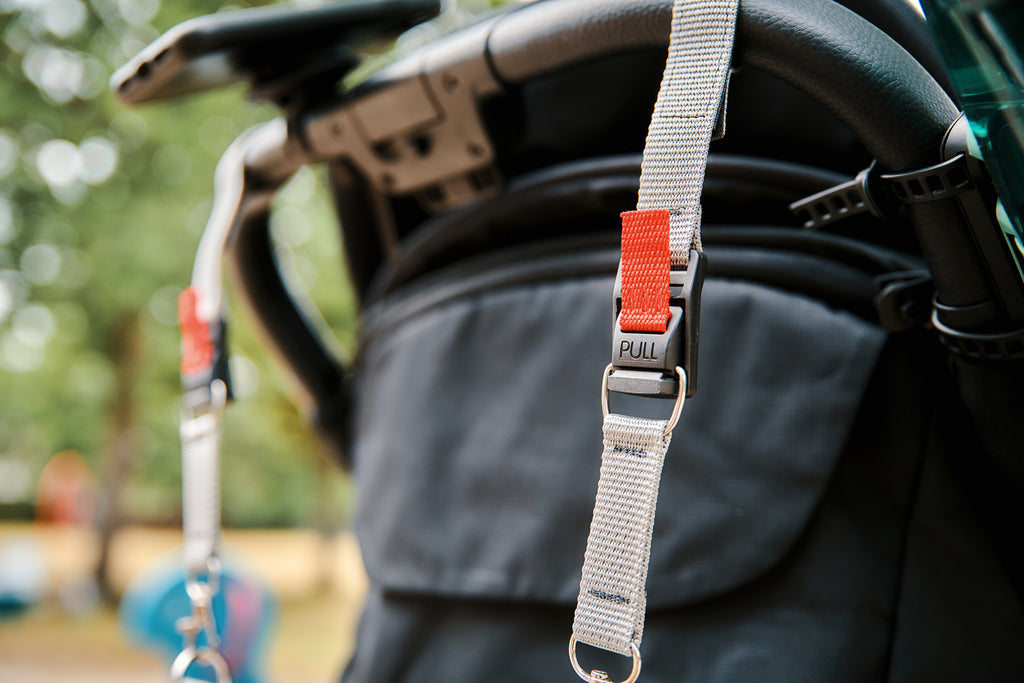
Side-release buckles help users open and close straps without slowing down the backpack's function. They can support compression straps or areas where quick access matters. The best buckle choice depends on the strap width and the amount of tension the area can withstand.
A buckle should feel secure without feeling difficult to release. If the release feels too stiff, the user may fight the hardware during regular use. If it feels too loose, the strap may not give the confidence the design needs.

Ladder Locks and Strap Adjusters
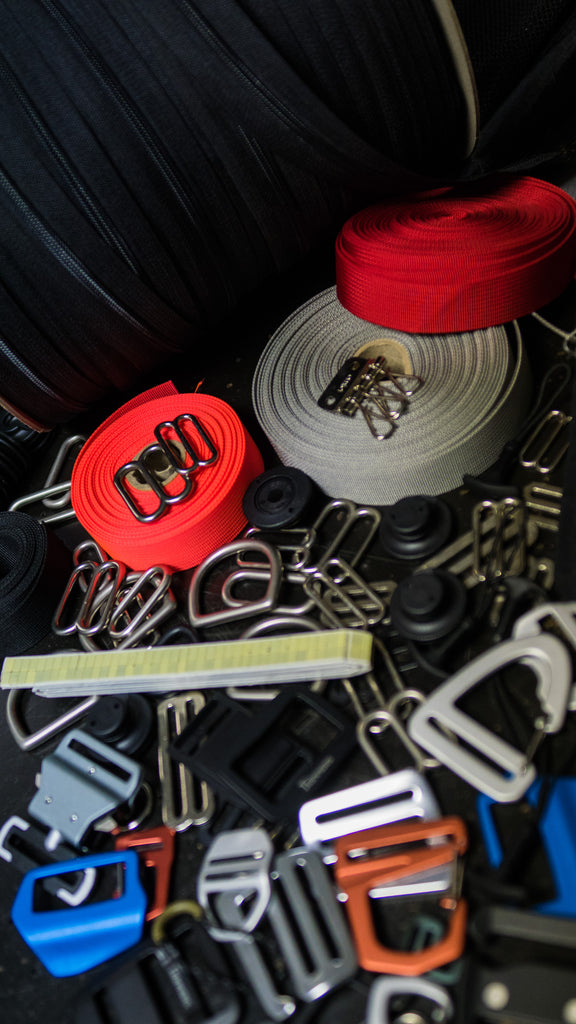
Ladder locks and strap adjusters help users fine-tune how the backpack fits against the body. On a tactical backpack, they can make the shoulder straps easier to tighten and help compression straps stay secure during movement. The adjuster should match the strap width and thickness so the user can pull the webbing smoothly without bunching or slipping.
Manufacturers should test the hardware with the exact webbing used in the final backpack sample. If the webbing feels too thin for the hardware, it may loosen after adjustment. If the webbing feels too thick, it may become difficult to pull through the adjuster by hand.
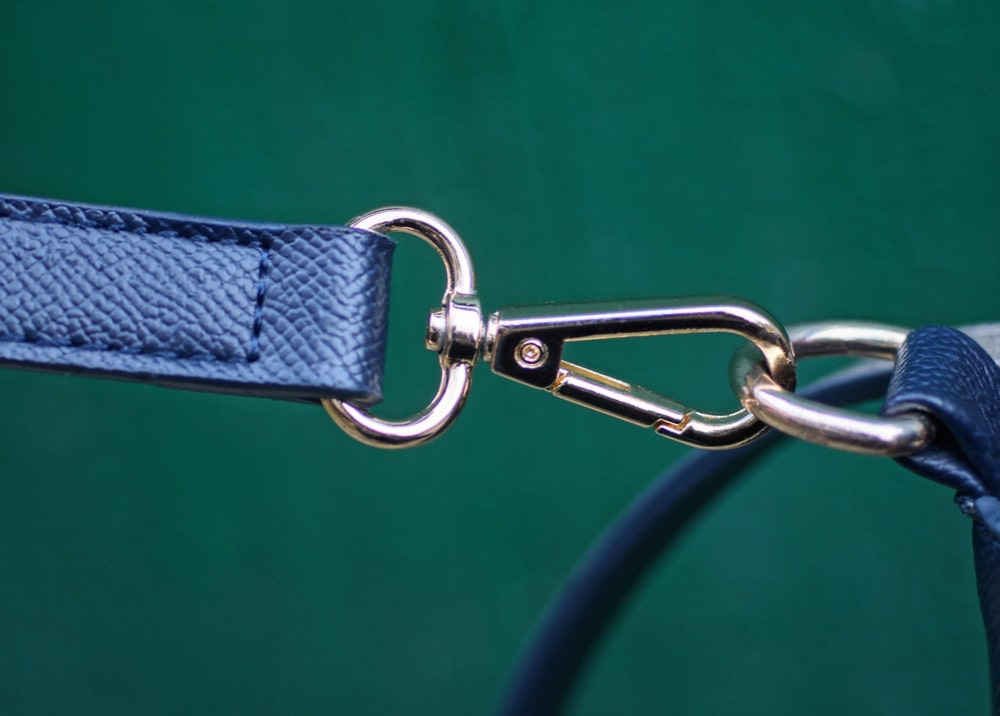
D-Rings and Attachment Points
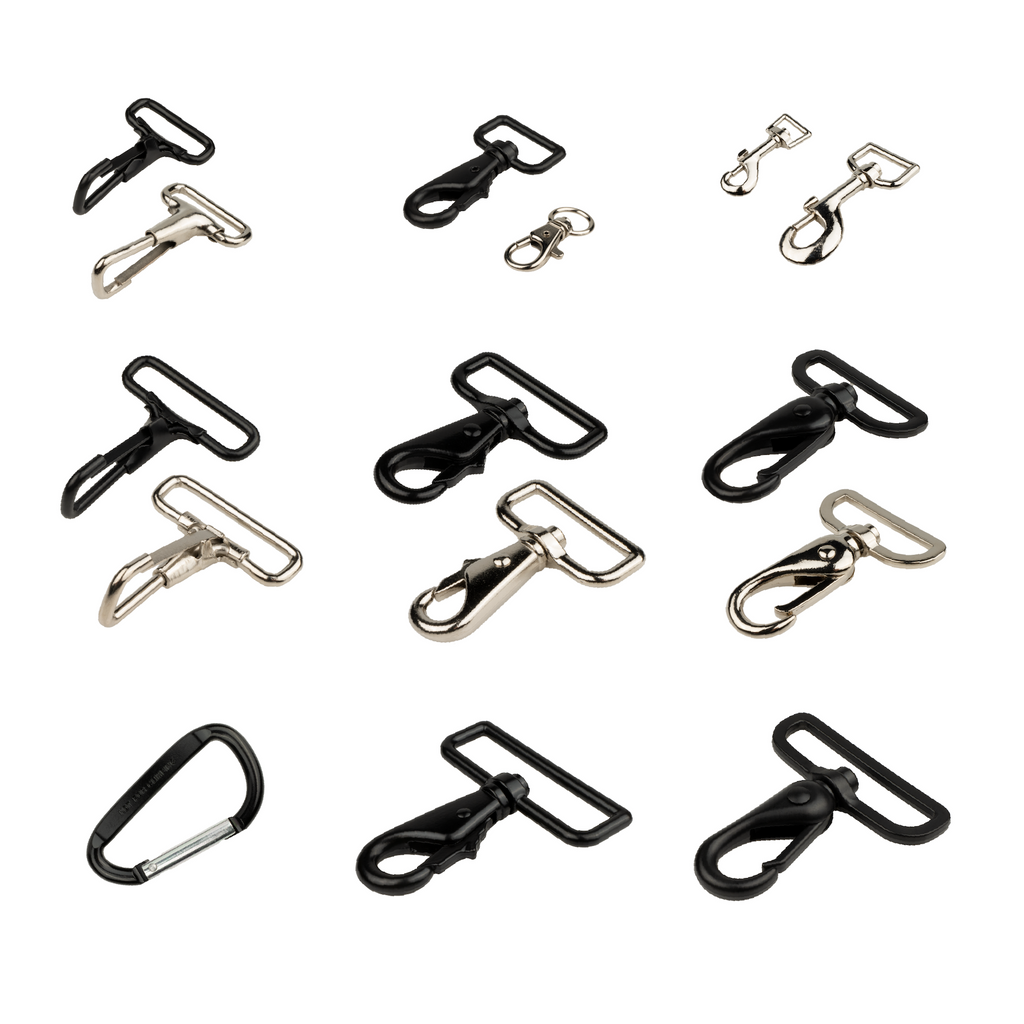
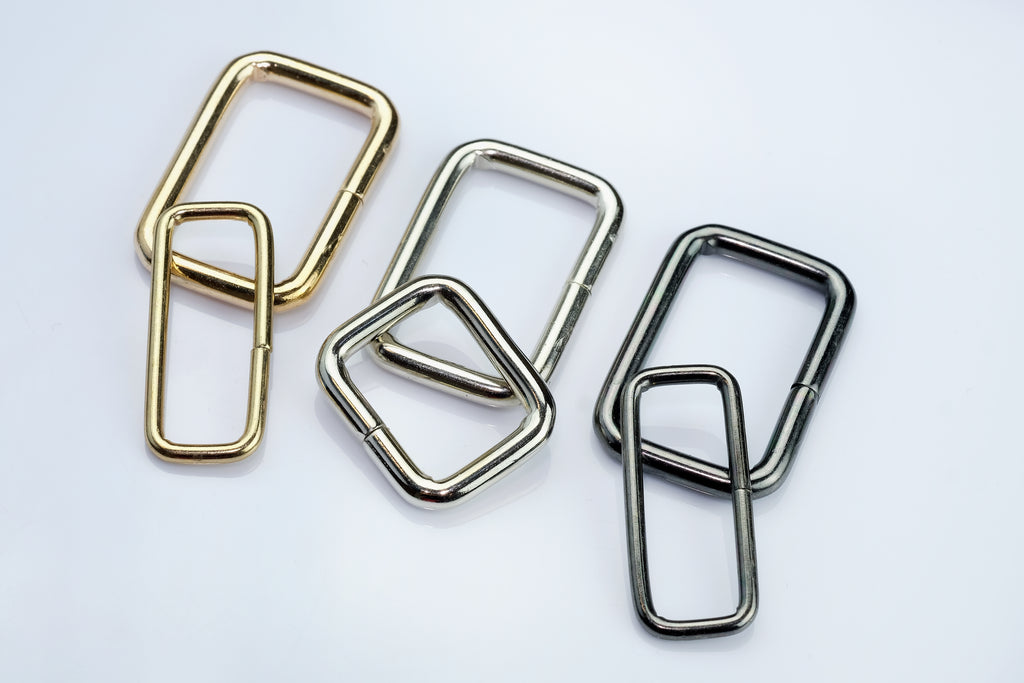
D-rings provide useful attachment points for a tactical backpack. Users may rely on them to clip gear or secure an added accessory. Placement matters because an attachment point should support function without interfering with movement.
Material choice also matters here. Metal can add strength and a more substantial feel, while molded hardware may reduce weight. The right option depends on the intended use and the level of stress the connection point may face.
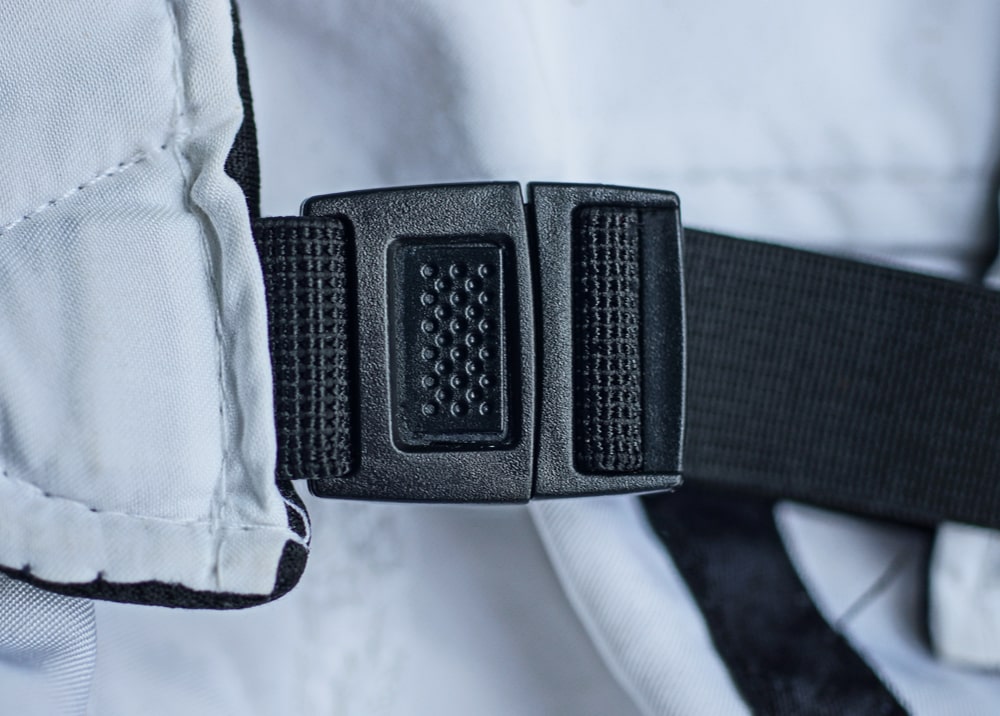
Plastic Buckles
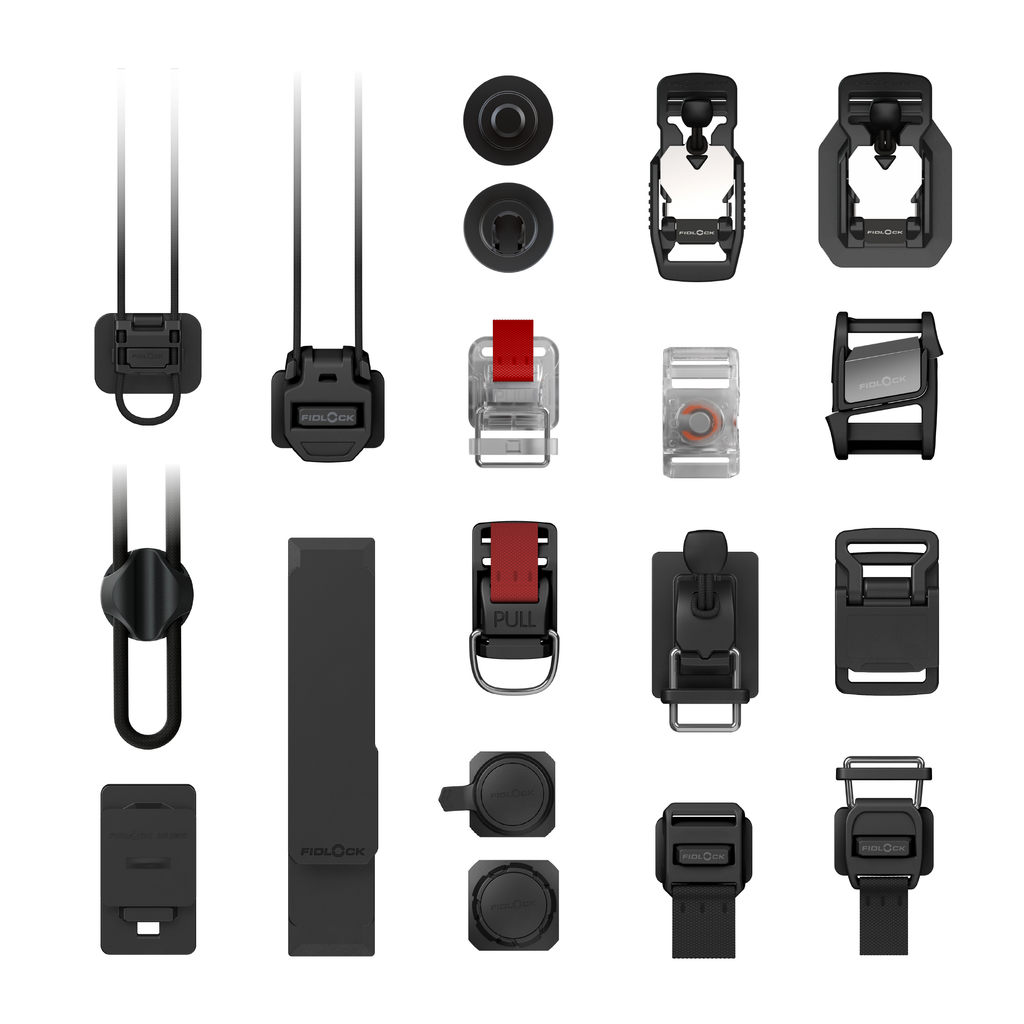
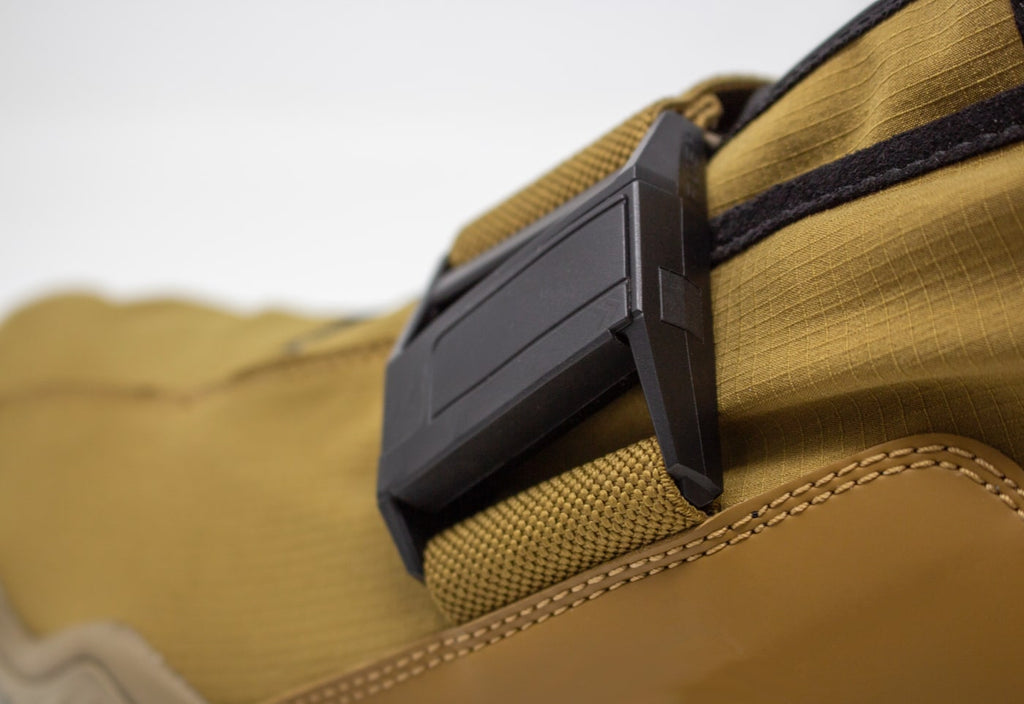
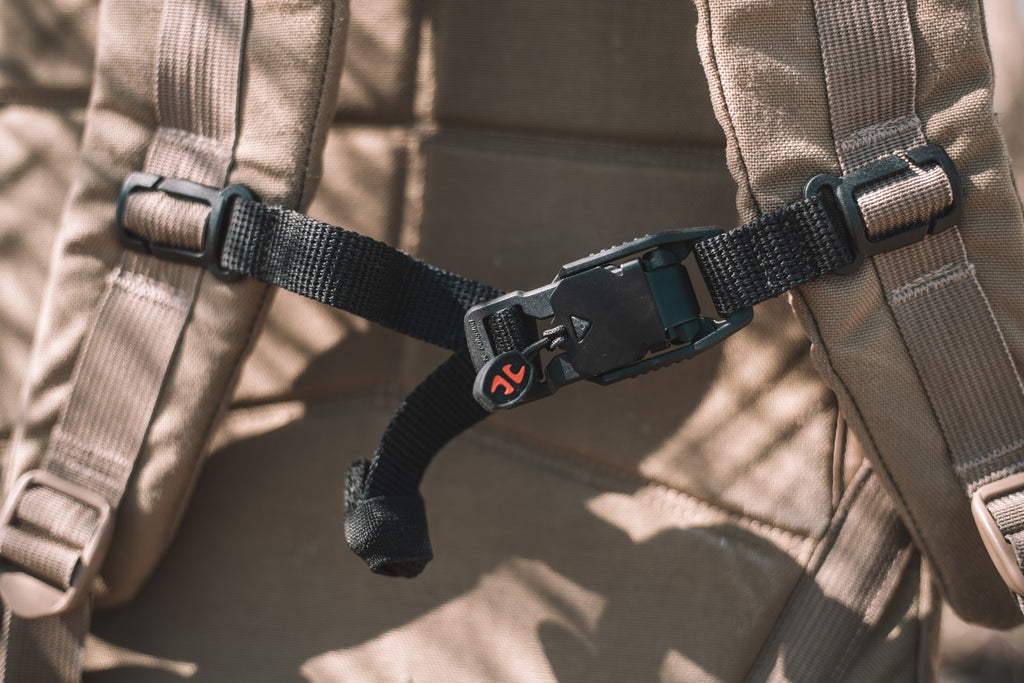
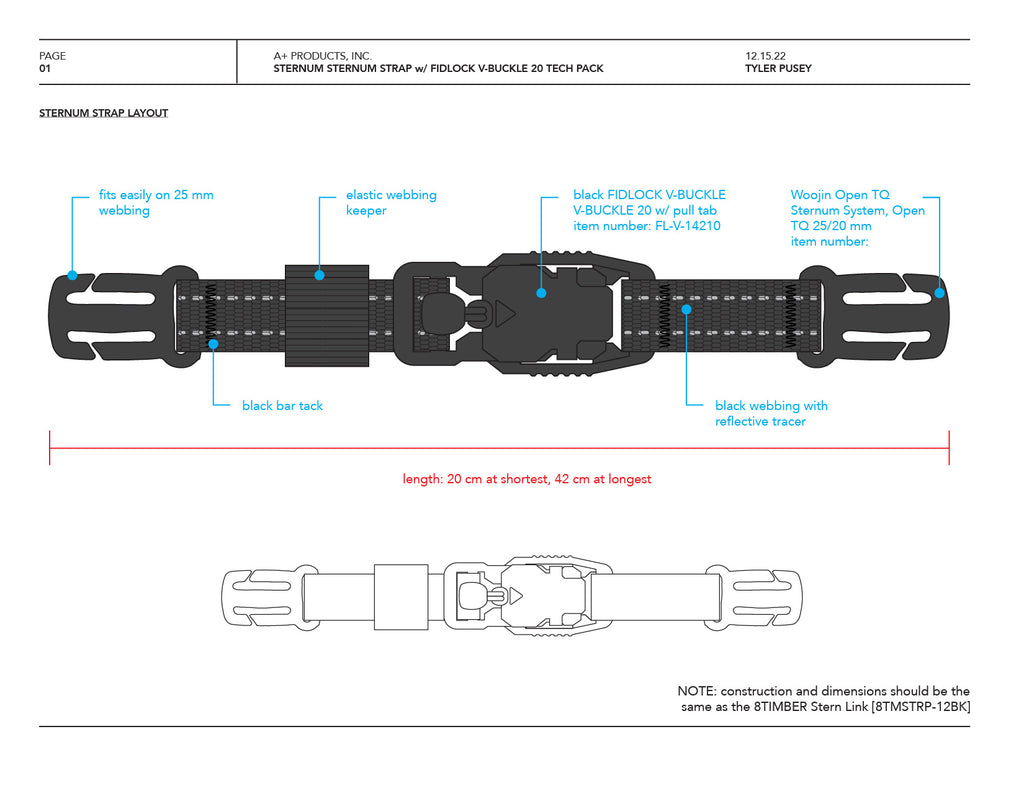
Plastic buckles can work well on tactical backpacks when the design needs a secure strap function without adding unnecessary weight. They often suit compression straps, shoulder strap adjustments, and exterior attachment areas where users need quick release or easy adjustment. The buckle should match the strap width so the webbing sits flat and feeds cleanly through the hardware.
Manufacturers should choose buckle styles based on the amount of tension the strap can handle. A larger plastic buckle may give users a better grip and a stronger feel, while a smaller buckle may make sense for lighter adjustment points.
Pro Tip
Product teams should test the buckle on the finished backpack sample to ensure it releases smoothly, holds the strap correctly, and supports the bag's overall function.

Zippers and Closure Hardware
Closure hardware affects how quickly users can open the backpack and how secure each compartment feels once closed. A tactical backpack may need larger zipper pulls so users can grip them with gloves or wet hands. Zippers should also match the curve and size of the compartment because tight corners can make the opening feel rough or difficult to use.
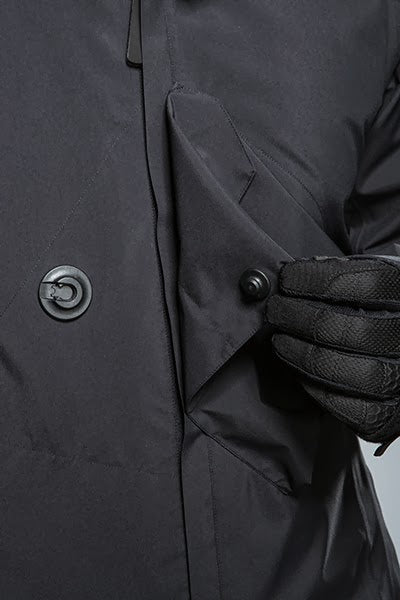
Manufacturers should test closures after the full sample is sewn. The bag's finished shape can affect how a zipper moves, especially when the compartment has padding or reinforced seams. If the design uses magnetic or specialty closures, teams should check how easily users can open them and whether they stay secure when the backpack moves.
Tips for Picking the Right Material
Choosing the right materials and hardware for the ultimate tactical backpack comes down to understanding how the backpack needs to perform after it leaves production. The tips below can help manufacturers compare options with comfort, function, and long-term use in mind.
Start With the Backpack’s Purpose
The best material choice starts with the job the backpack needs to do. A tactical backpack for demanding field use needs different decisions than one designed for everyday carry with a tactical look. When manufacturers define the product’s main purpose first, they can make better choices about strength and comfort.
Match Hardware to the Strap
Hardware should work with the strap, not against it. A buckle or adjuster that is the wrong width for the webbing can create frustration for the user. Even a small mismatch can affect how the strap feeds through the hardware.
Testing gives manufacturers a clearer picture than a spec sheet alone. The strap should move smoothly when adjusted, then hold its position when tension increases. This hands-on step helps teams choose hardware that supports the finished design.
Choose Components That Fit the User Experience
Every component should support the user's interaction with the backpack. A buckle should release when needed without feeling weak. A zipper should move smoothly but also fit the compartment's structure. Each part needs to support the same design goal. When the components work together, the backpack feels more intentional and easier to use.
Test the Finished Backpack
A component may look right before production, but the finished backpack tells the real story. Sewing, strap placement, and load weight can change how materials perform. Product teams should test the entire bag before approving the final design.
For tactical gear, safety matters too much for assumptions. A+ Products can help source components for backpack designs, but each company needs to test its own finished product for the intended application. That step helps confirm that the materials and hardware meet the performance needs of the final backpack.
Partner With A+ Products
The right tactical backpack starts with clear design goals and dependable components. A+ Products works with businesses that need sourcing support for buckles, webbing, fasteners, and related hardware. Our team can help product manufacturers compare options that fit the application, function, and finished look of the bag.