
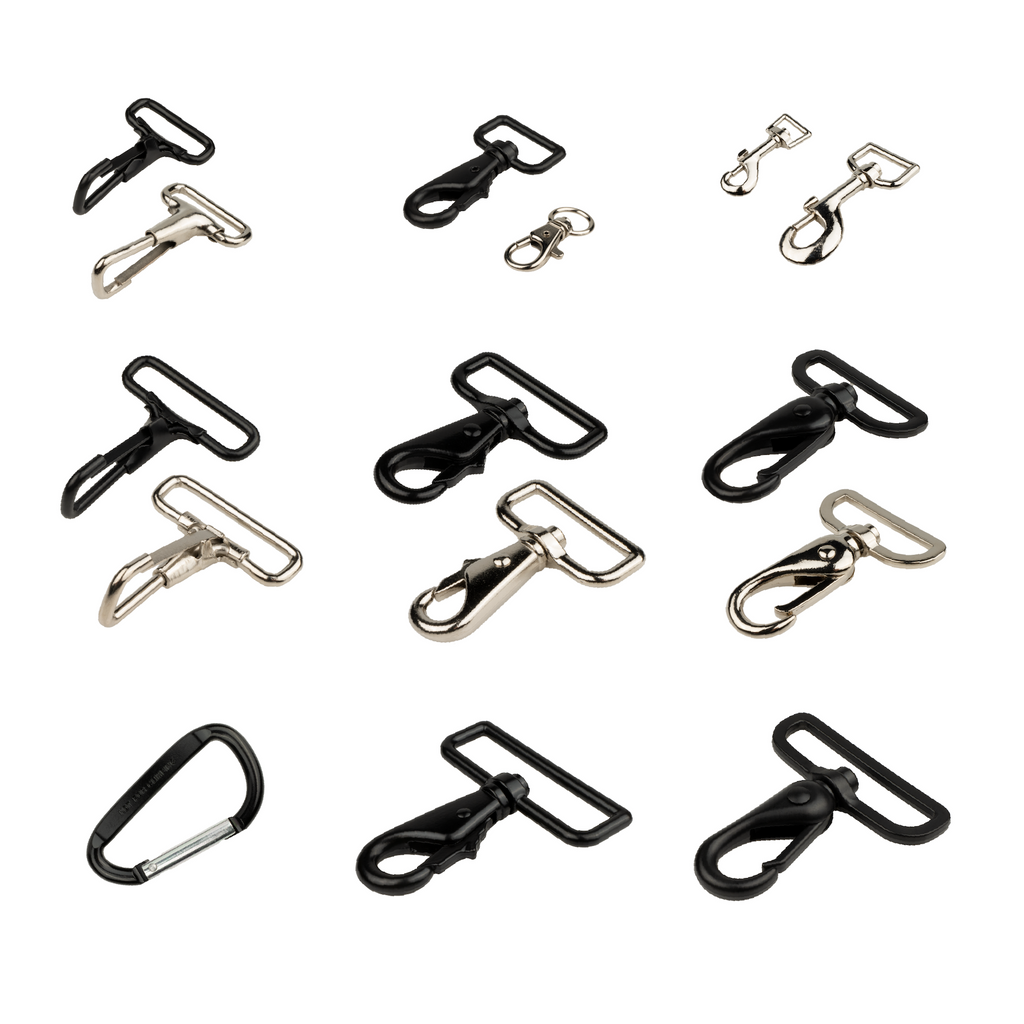
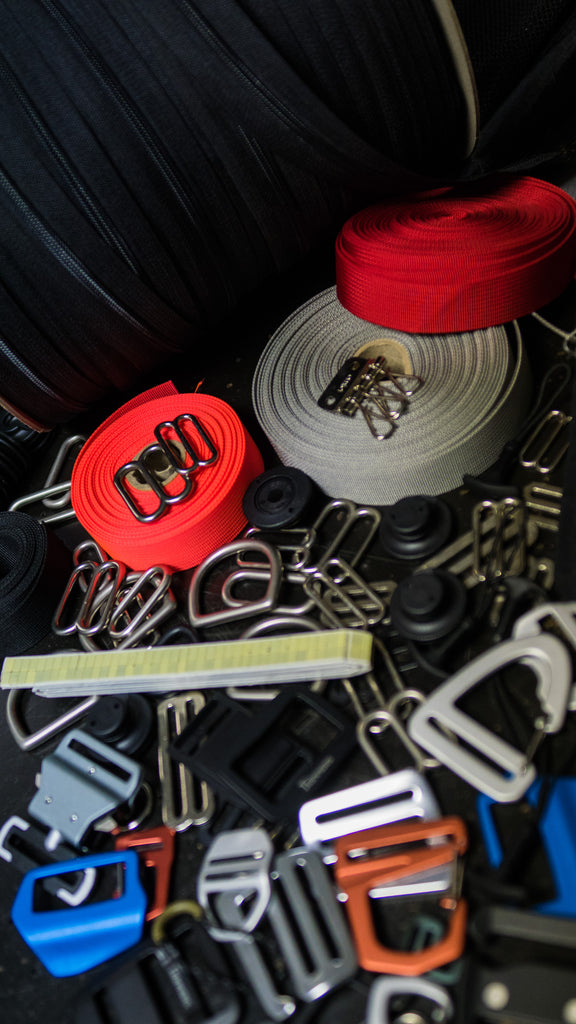
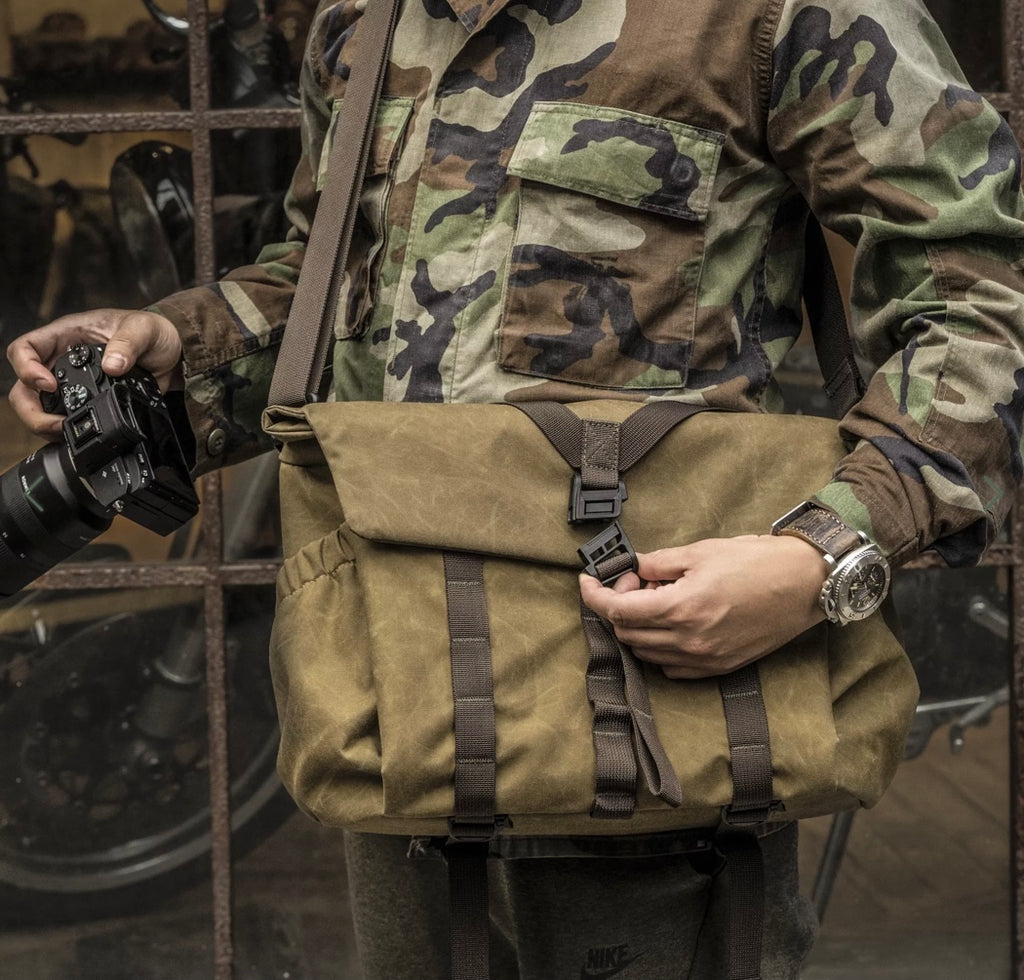







Buckle material decisions shape how a finished product performs, feels, and holds up over time. When a team selects the wrong material, small issues such as cracking, rust, or deformation often appear quickly, and often after you ship out goods. That creates avoidable rework, higher return rates, and customer complaints that trace back to a single early decision. Here's a breakdown of the most common materials used to make buckles.
Plastic Buckles
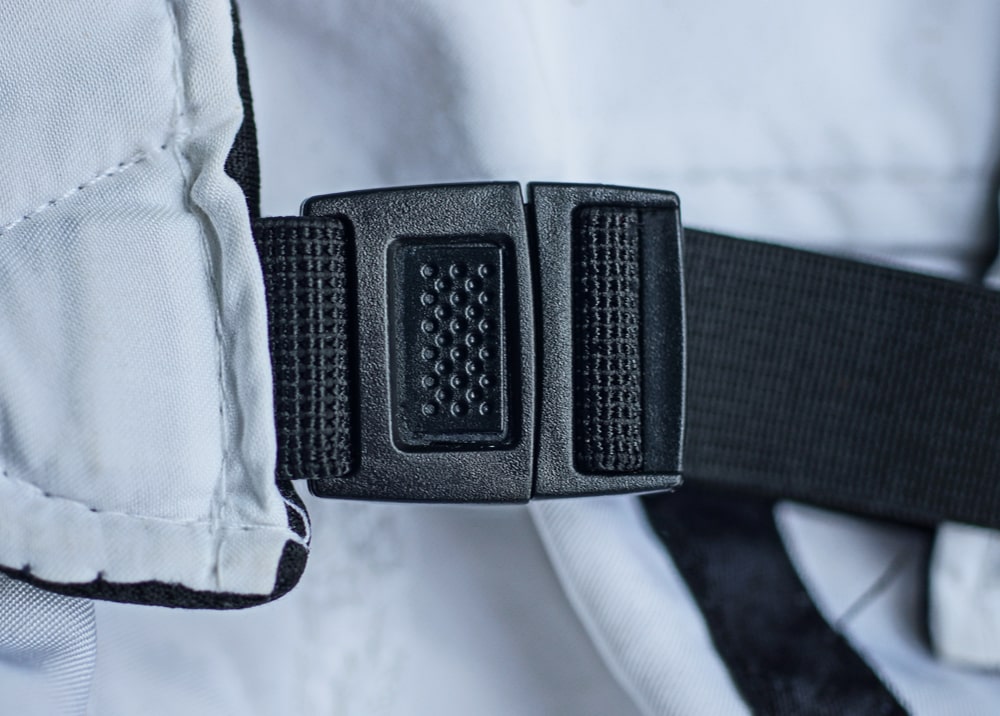
Plastic buckles are popular because they keep products lightweight and support efficient, high-volume production. Designers often choose plastic for everyday applications where ease of use, flexibility, and cost control matter more than maximum load capacity.
Plastic performs best in light- to moderate-duty applications where geometry, wall thickness, and pull force align with expected use. Matching plastic buckles to the appropriate product category helps manufacturers leverage their efficiency and versatility without overengineering the design.
Acetal Buckles
Many manufacturers use acetal when applications require better dimensional stability and wear resistance than standard plastics provide. Buckles made from acetal retain their shape well and deliver consistent performance in products that undergo frequent adjustment or repeated engagement.
Since acetal resists creep and surface wear, it’s a great option for adjustable straps and closures that need to feel secure over time. Additionally, selecting acetal extends product lifespan in applications where precision and repeated use are critical.
Polypropylene Buckles
Polypropylene remains a popular choice for cost-sensitive products and large production runs because it supports lightweight construction and efficient manufacturing. Manufacturers often use it in applications where affordability and flexibility matter more than maximum strength.
When applied to light-duty settings, polypropylene integrates well into product designs that prioritize efficiency and cost control. Using it in appropriate applications allows teams to manage budgets while still meeting functional requirements.
Zinc Alloy Buckles
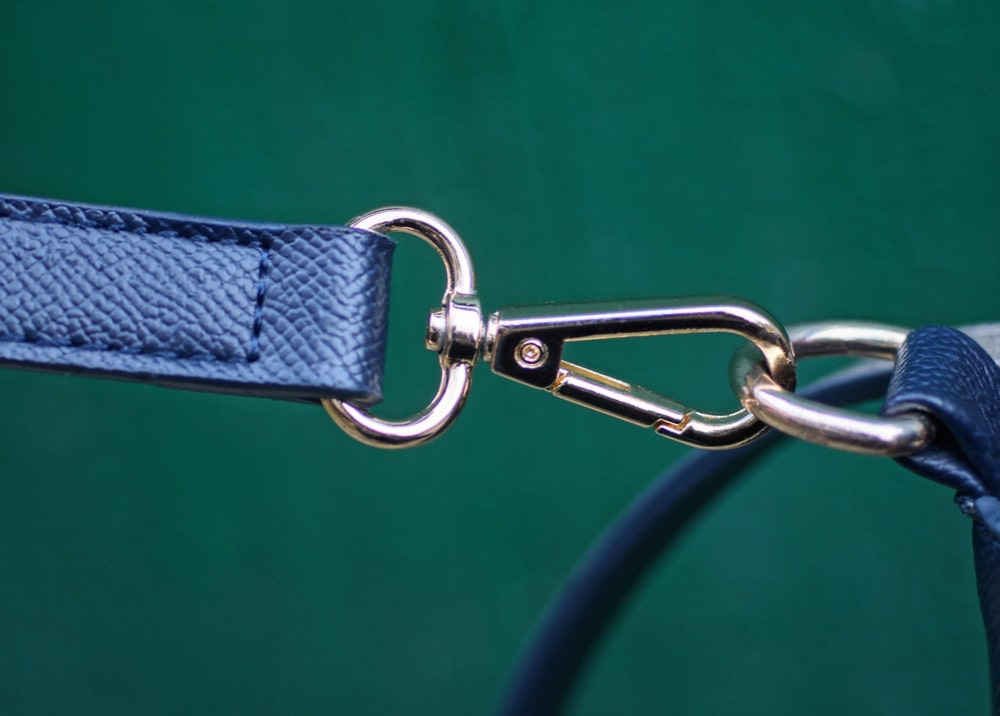
Fine detailing and consistent finishes make zinc alloy a strong option for appearance-driven buckle designs. The material supports intricate shapes and smooth edges, which allows for precise detailing and refined hardware aesthetics. A wide range of plating and coating options also makes zinc alloy common in fashion accessories, handbags, and branded hardware.
Zinc alloy is best suited to low-load applications where visual quality matters more than structural strength. When designers account for its intended use and limit stress on thinner sections, zinc alloy delivers both a polished look and dependable performance within its ideal range.

Stainless Steel Buckles
Stainless steel is one of the most common materials used to make buckles because of its durability and long-term corrosion resistance; it’s especially valuable in moisture-heavy and wash-down environments. This material maintains surface integrity and structural strength when exposed to water, sweat, salt, and frequent cleaning, making it a reliable choice for applications where hardware faces regular environmental stress.
Consistent performance in these conditions supports secure holding power over time. Evaluating how a product will be exposed to moisture, chemicals, or cleaning routines helps teams determine whether stainless steel provides the durability required for long-term use.
Aluminum Buckles
Aluminum is widely used for buckles because it offers a reliable balance of strength and reduced weight. That combination makes it a practical choice for products where excess hardware weight affects comfort, mobility, or overall design, including outdoor, athletic, and performance-driven gear.
Material grade and surface finish play a key role in how aluminum performs over time. When alloy selection aligns with expected loads and contact points account for wear, aluminum buckles maintain adjustability and deliver consistent performance throughout the product’s lifecycle.
Carbon Steel Buckles
Carbon steel is important because it provides the strength required for industrial, tactical, and workwear applications under high load conditions. Its rigidity and load-bearing capacity make it a reliable option for applications that require sustained force and demanding use.
Moreover, applying the appropriate coating or plating helps protect the material from corrosion and wear over time. When the finish matches the operating environment and expected abrasion, carbon steel buckles maintain their load capacity and support long-term reliability.

Composite and Hybrid Buckles
Composite and hybrid buckle designs combine materials to balance strength, weight, and cost. Reinforcing high-stress areas with targeted materials allows designers to improve performance without relying on full-metal construction.
When hybrid designs stay focused on a clear performance goal, material interfaces work together more effectively. Testing the full assembly under load, across temperature variations, and through repeated cycling helps confirm that the interfaces remain stable and durable in real-world use.
Tips for Picking the Right Buckle Material
Match Material Choice to Real Load and Failure Risk
Load assumptions determine whether a buckle succeeds or fails under real use. When teams underestimate loads, materials that perform in controlled testing can fail once users pull, drop, or overtighten the system.
Buckle failures often lead to hardware failures, customer complaints, and costly rework that outweigh any upfront savings. Defining actual pull forces, identifying stress points in the buckle geometry, and selecting a material capable of withstanding peak loads and repeated cycling help prevent these issues.
Account for Environment, Cleaning, and Daily Wear
The environment directly affects how a buckle performs over time. When teams ignore exposure to water, UV radiation, sweat, chemicals, or temperature fluctuations, materials can rust, warp, discolor, or lose stiffness.
Often, environmental degradation shows up as slipping, rough edges, noise, or brittle failure, even if the buckle still functions on paper. Defining the use environment first and selecting materials and finishes that resist those conditions can prevent early wear and reliability issues.
Consider Your Application
Select materials for the buckle based on how you will actually use it, rather than focusing solely on its appearance or what similar products use. Different industries place very different demands on buckle hardware, and ignoring those differences increases the risk of early failure or poor user experience:
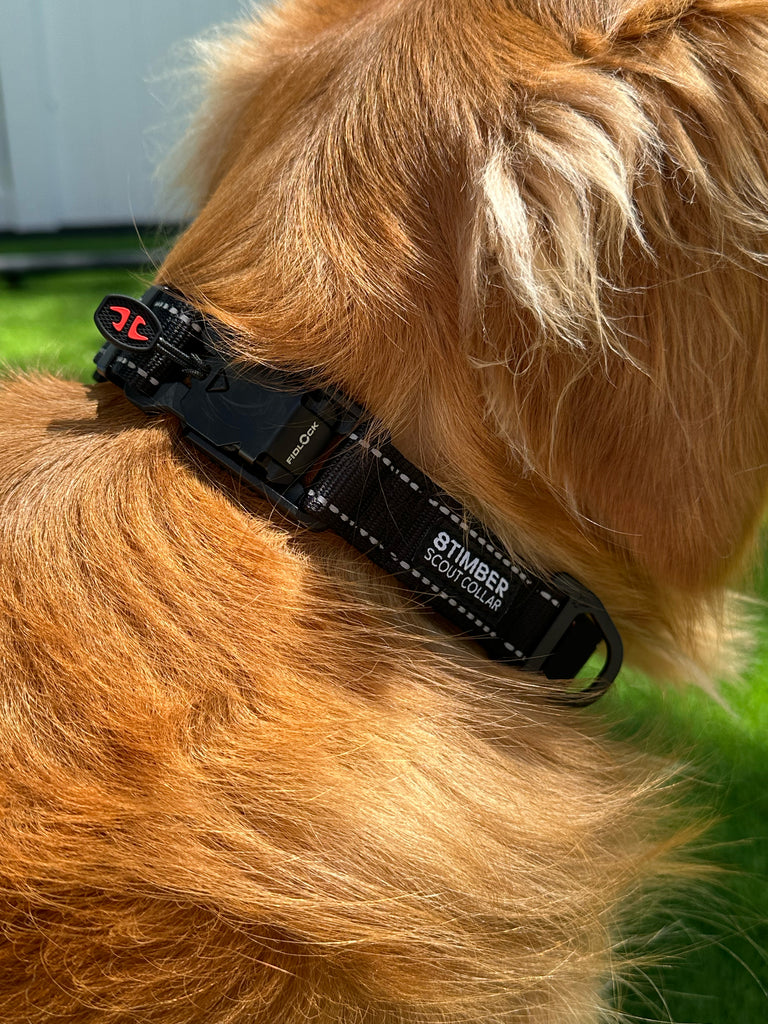
- • Pet products often prioritize lightweight materials with moderate strength and resistance to moisture and wear
- • Fashion and accessories typically favor materials that support finishes, detailing, and visual consistency
- • Tactical and workwear applications require high strength, impact resistance, and predictable performance under load
- • Outdoor and sporting goods benefit from materials that balance durability, corrosion resistance, and weight
Using the application as the starting point helps quickly narrow material options and reduces the risk of selecting hardware that looks good but performs poorly when the product reaches real users.
Partner with Experts
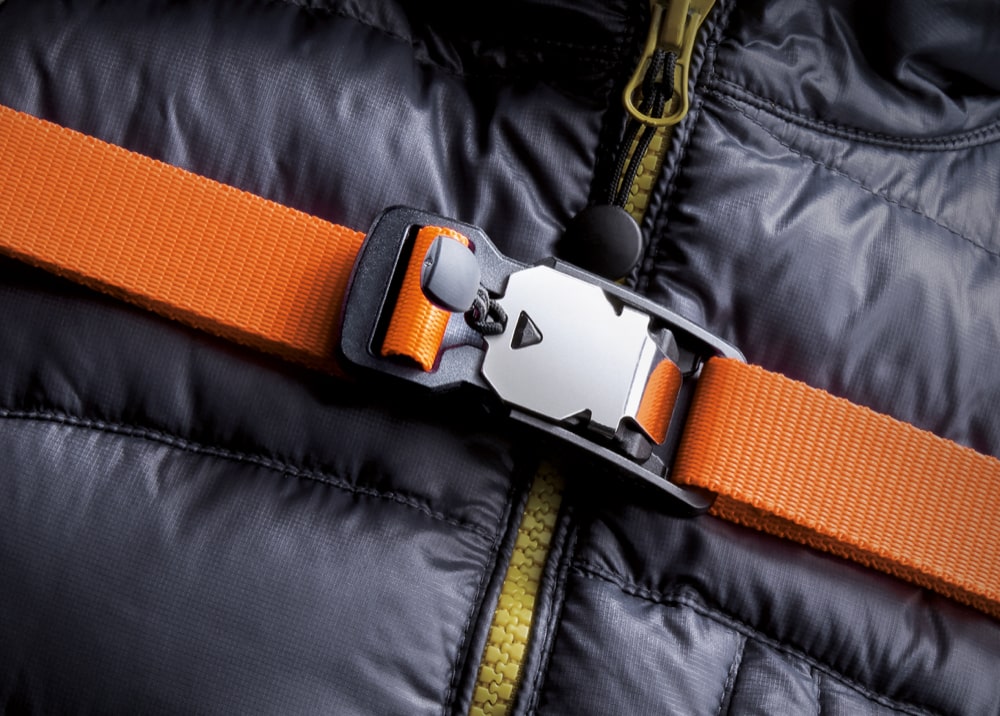
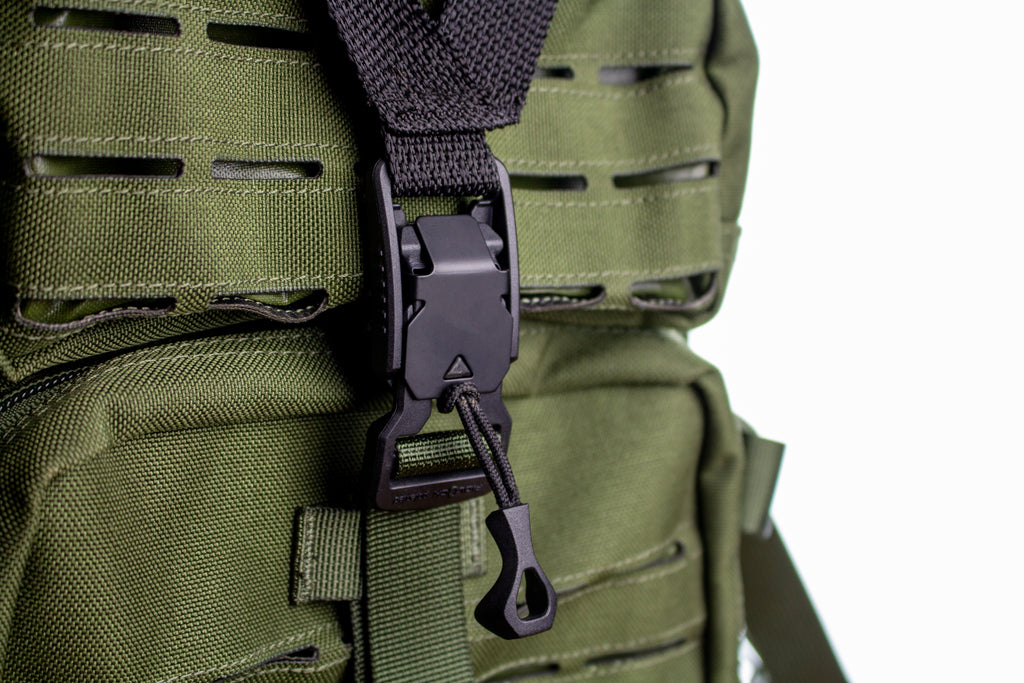
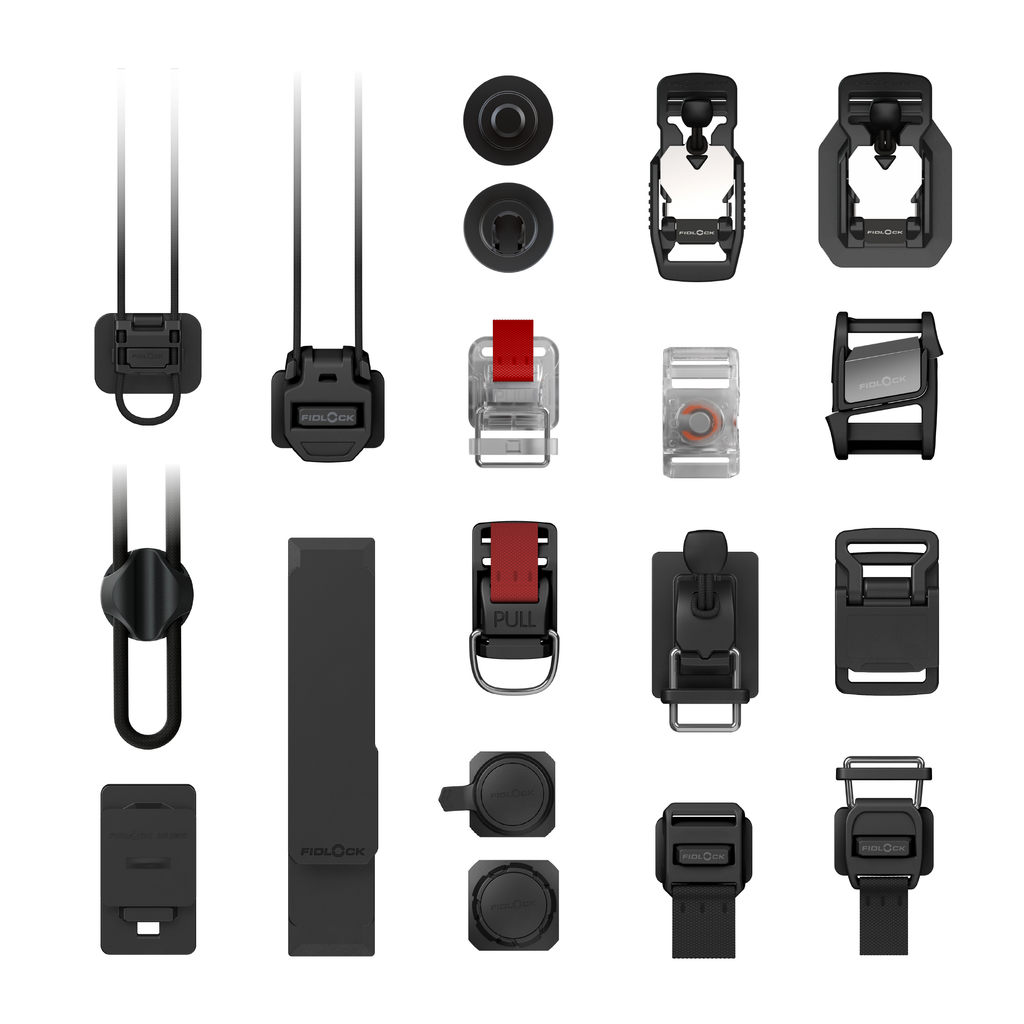
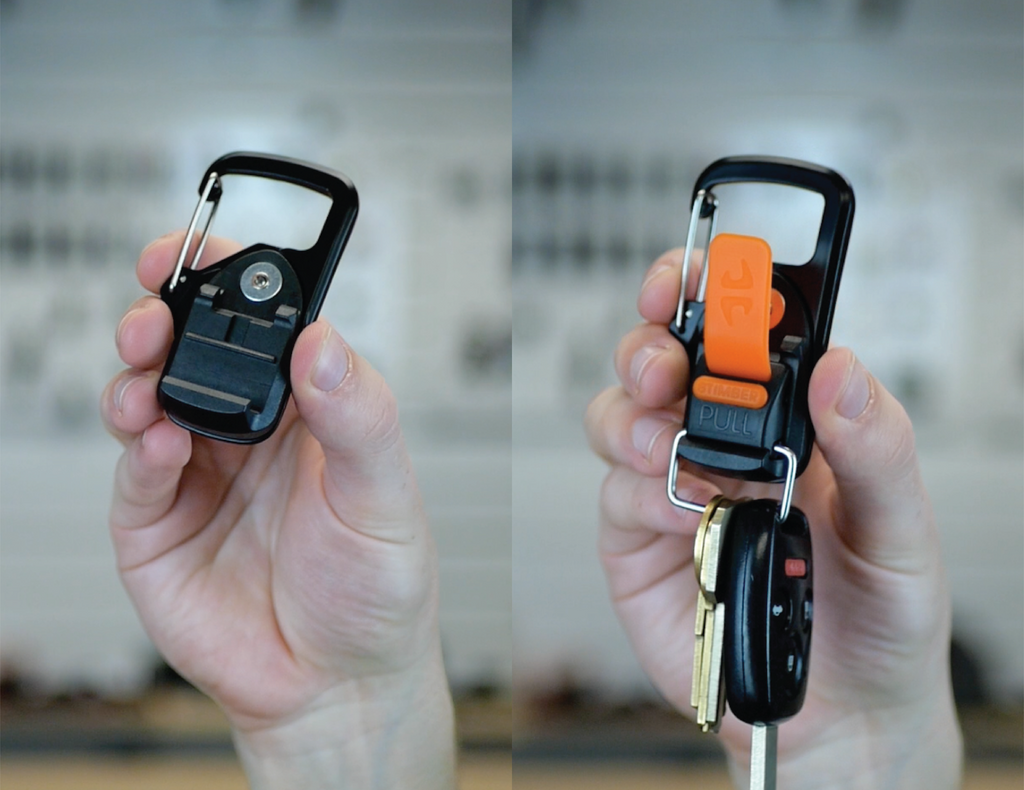
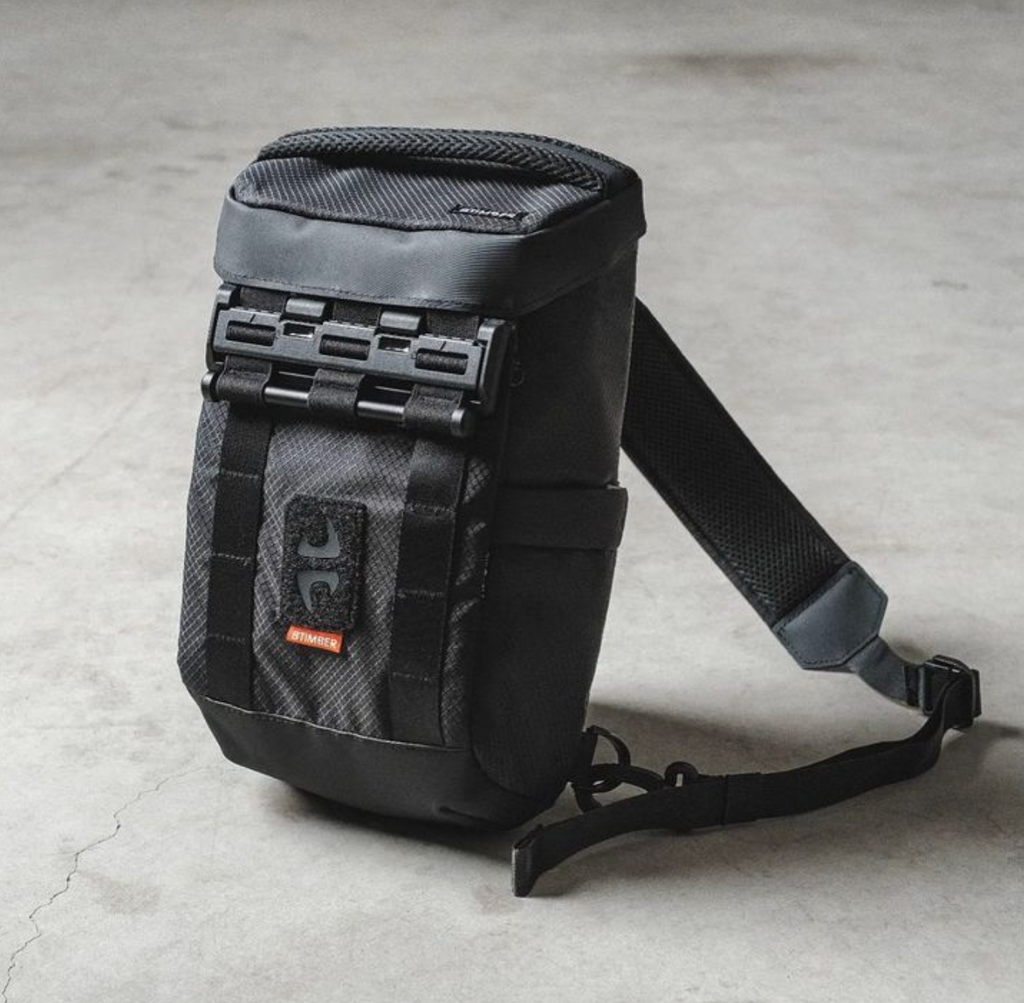
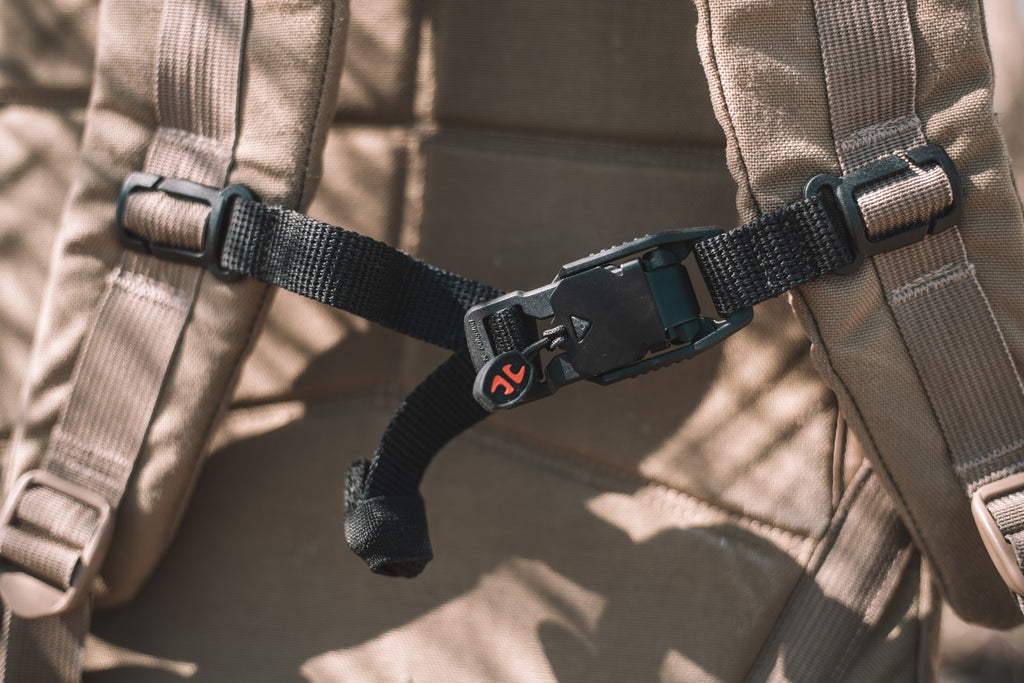
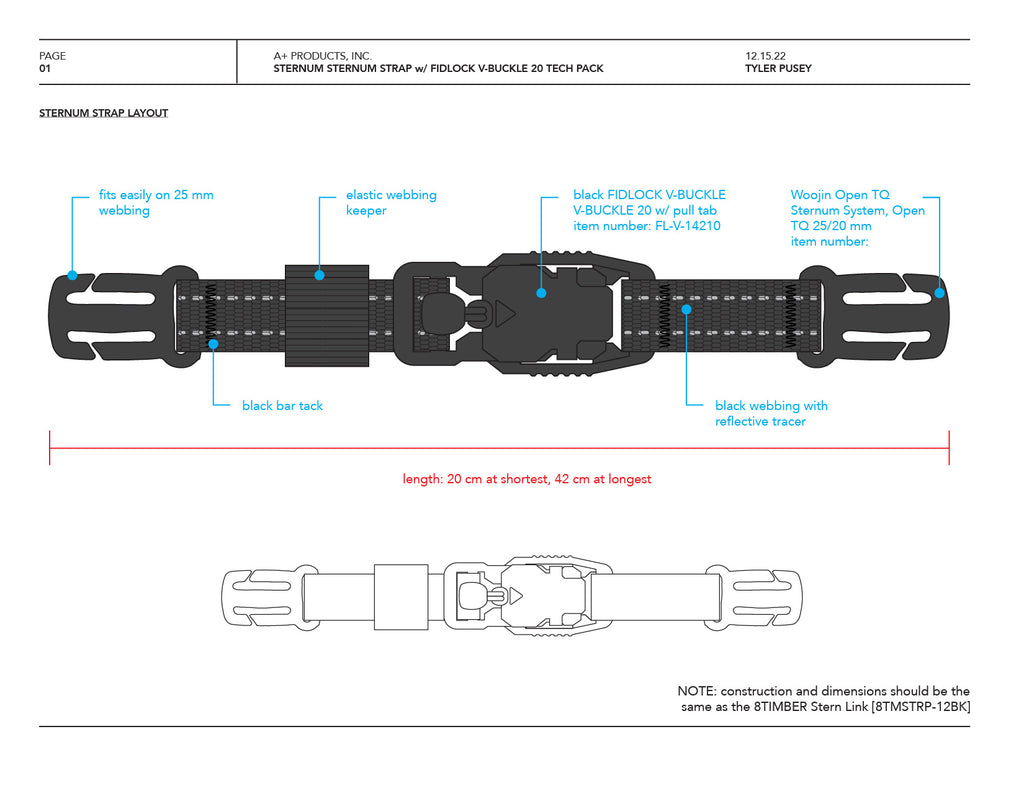
A+ Products offers a range of buckle options, including FIDLOCK magnetic buckles. Beyond product selection, A+ Products supports material evaluation, sourcing coordination, and hardware compatibility across multiple industries, helping teams select buckle materials that align with performance requirements, production timelines, and real-world operating conditions.